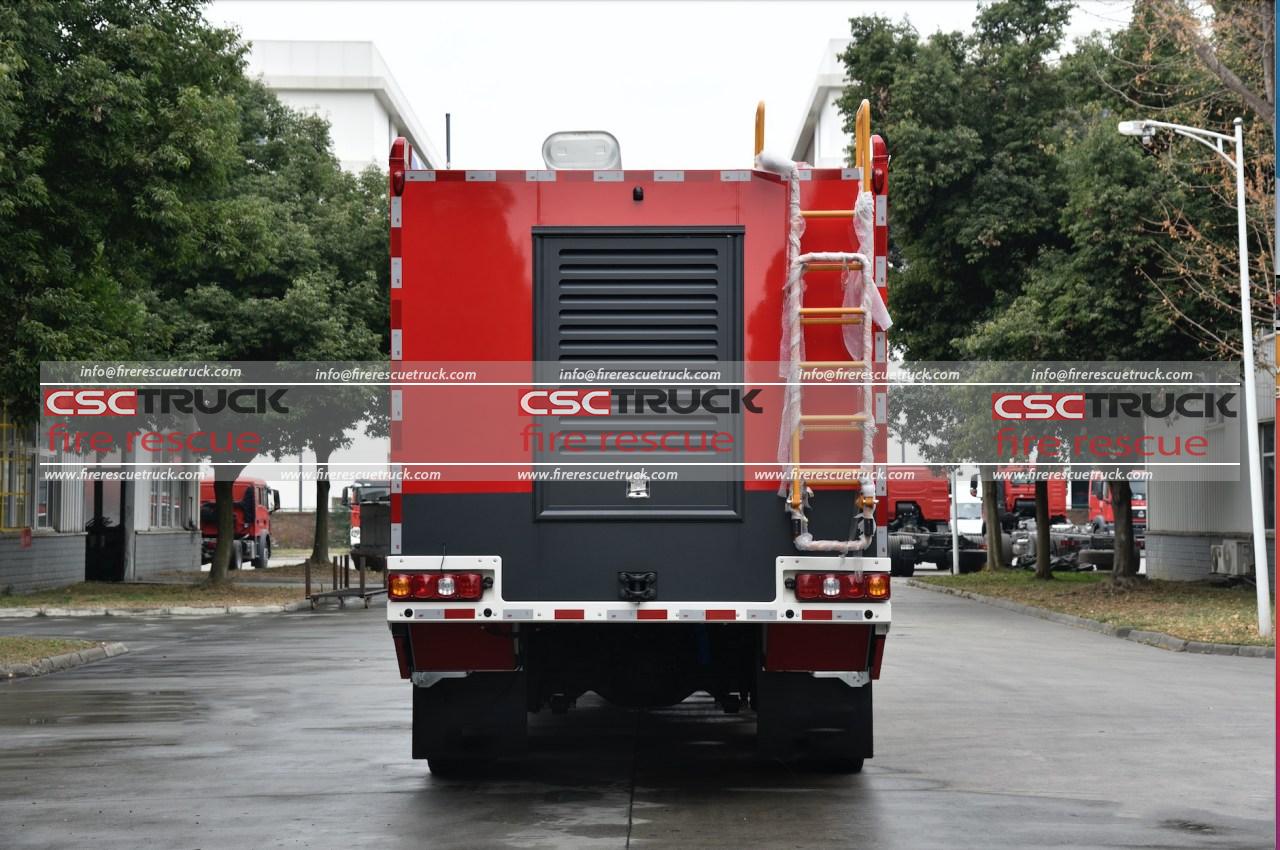
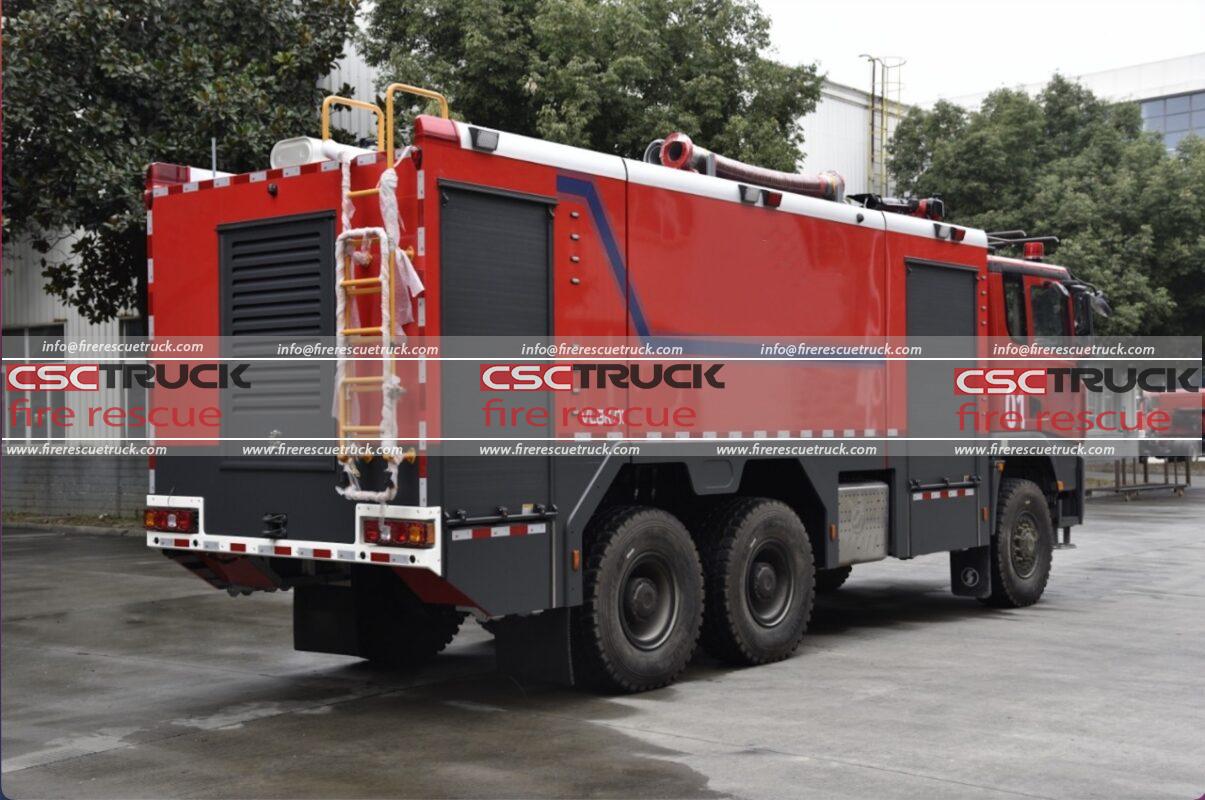
Airport fire trucks—officially known as Aircraft Rescue and Firefighting (ARFF) vehicles—are critical to aviation safety around the world. Although their primary mission is universal—rapid response, fire suppression, and rescue—their design, technology, and operational roles differ significantly across Asia, Europe, and the Americas. These variations are driven by factors such as regional fire regulations, airport infrastructure, geography, climate, and preferred firefighting philosophies. This article provides an in-depth comparison of ARFF vehicle types and their applications across these 3 major regions.
1. Common ARFF Categories Used Worldwide
Before exploring regional differences, it is essential to outline the global categories of airport fire trucks. These include:
1.1 Rapid Intervention Vehicles (RIVs)
Small, fast first-response units equipped with limited water, foam, and dry chemical agents. They reach incident sites quickly to begin initial suppression.
1.2 Major Foam Tenders (MFTs)
Large, high-capacity trucks carrying substantial water and foam supplies with powerful pumps. They make up the backbone of ARFF fleets worldwide.
1.3 Heavy Rescue Vehicles
Trucks equipped with specialized rescue tools—cutters, spreaders, airbags, stabilization gear—are used when aircraft structural rescue is required.
1.4 High-Reach Extendable Turret (HRET) Vehicles
Equipped with a boom arm and a piercing nozzle for direct agent injection into aircraft fuselages. These are becoming standard in large airports.
1.5 Water Tankers and Support Vehicles
Used to transport additional extinguishing agents, personnel, or command equipment.
While all regions utilize these categories, differences arise in how each region prioritizes or configures them.
2. ARFF Vehicles in Asia
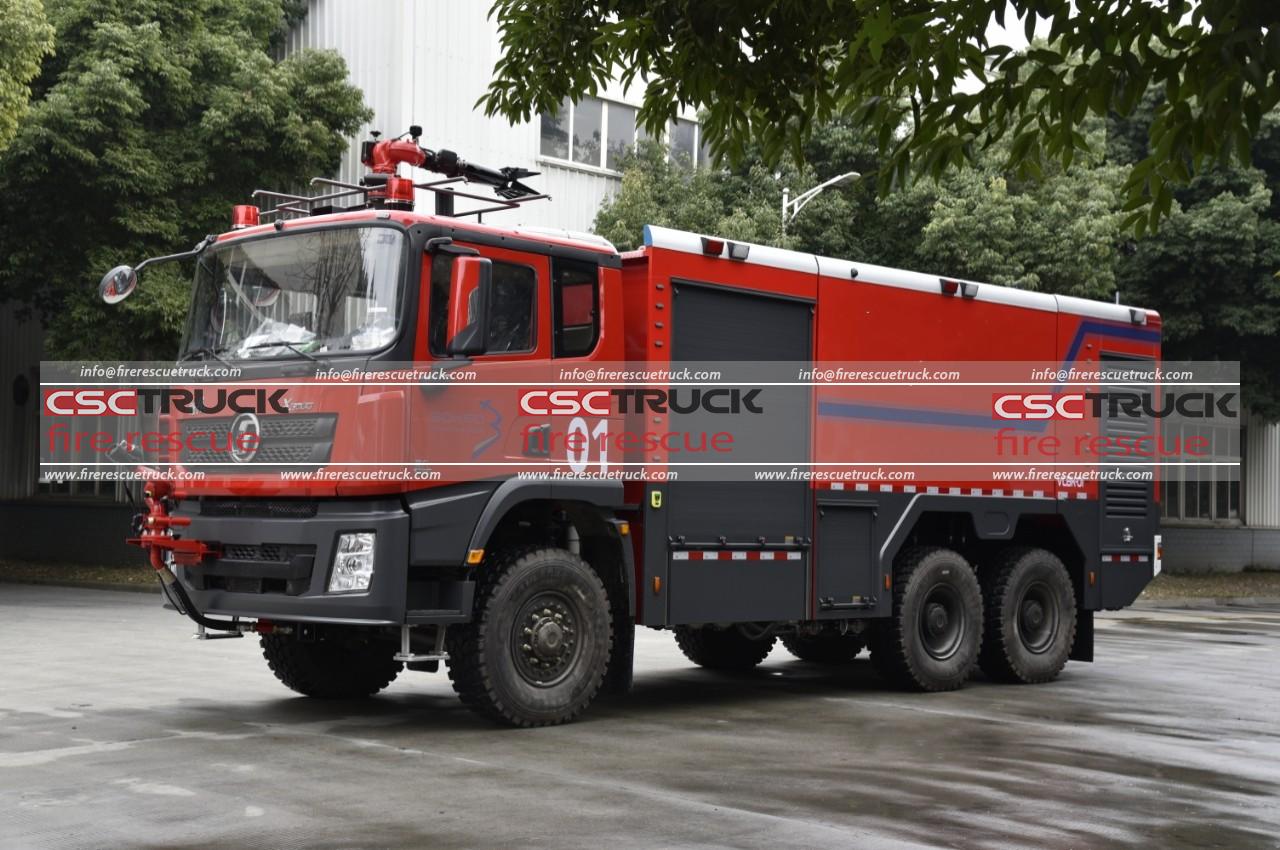
Asia features some of the world’s busiest airports (Beijing, Tokyo, Seoul, Dubai, Singapore), many of which operate in high-temperature climates or dense urban environments. As a result, Asian airports often adopt large-capacity, technologically advanced ARFF units designed for both rapid response and long-duration operations.
2.1 Common Types Used
- Ultra-large major foam tenders (12,000–15,000 L)
- High-reach extendable turret trucks (popular in East Asia and the Middle East)
- Rapid intervention vehicles for congested runway networks
- Combination foam–dry powder trucks for airports handling large volumes of cargo and fuel
2.2 Regional Characteristics
Middle East
Airports like Dubai, Doha, and Riyadh operate some of the largest ARFF fleets in the world. Due to extreme heat, trucks often include:
- Oversized cooling systems
- High-horsepower engines for sand terrain
- Massive onboard agent capacity to meet ICAO CAT 10 requirements for A380 operations
Brands such as Rosenbauer (Panther) and Oshkosh (Striker) dominate, but some fleets include locally customized units to handle desert conditions.
East Asia
Japan, South Korea, and China emphasize precision engineering and strict operational standards. Common features include:
- HRET systems for rapid fuselage access
- Hybrid or low-emission ARFF prototypes in major airports (e.g., Tokyo Haneda)
- Large training fleets for earthquake-related emergency preparedness
China also manufactures many domestic ARFF vehicles, exporting them across Asia and Africa.
Southeast Asia
Airports in tropical climates—Singapore, Kuala Lumpur, Bangkok—prefer:
- Corrosion-resistant bodies
- Powerful ventilation and electronics protection
- Quick-acceleration vehicles are required due to frequent monsoon weather
3. ARFF Vehicles in Europe
Europe sets some of the strictest firefighting vehicle standards in the world, due largely to EN standards, environmental regulations, and well-developed airport infrastructure. European ARFF fleets tend to focus on efficiency, environmental responsibility, and cutting-edge automation.
3.1 Common Types Used
- Medium to large major foam tenders (6,000–12,500 L)
- HRETs (now standard in major airports like Frankfurt, Paris, and Amsterdam)
- Rapid intervention vehicles for shorter runway networks
- Electric or hybrid ARFF vehicles in development
3.2 Distinctive European Characteristics
Advanced Safety Regulations
European standards require:
- Strict pump performance criteria
- Fire retardant materials
- Eco-friendly foam concentrates (fluorine-free)
These regulations push manufacturers to innovate in agent efficiency rather than raw volume.
Vehicle Manufacturers
Europe is home to several top ARFF makers:
- Rosenbauer (Austria)
- Ziegler (Germany)
- Magirus (Germany)
- ISS Wawrzaszek (Poland)
- Carmichael (UK)
These companies produce some of the world’s most advanced chassis and firefighting systems.
Environmental Leadership
Airports in Norway, Sweden, Germany, and France are moving toward:
- Electric propulsion systems
- Reduced foam discharge
- Smart monitoring systems for pump operation and fuel use
Europe is leading the transition to fluorine-free firefighting foam, influencing global standards.
Operational Priorities
Compared with Asia and the Americas, European ARFF deployment emphasizes:
- Highly coordinated multi-vehicle response
- Efficient maneuvering on compact airport layouts
- Integration with municipal firefighting services
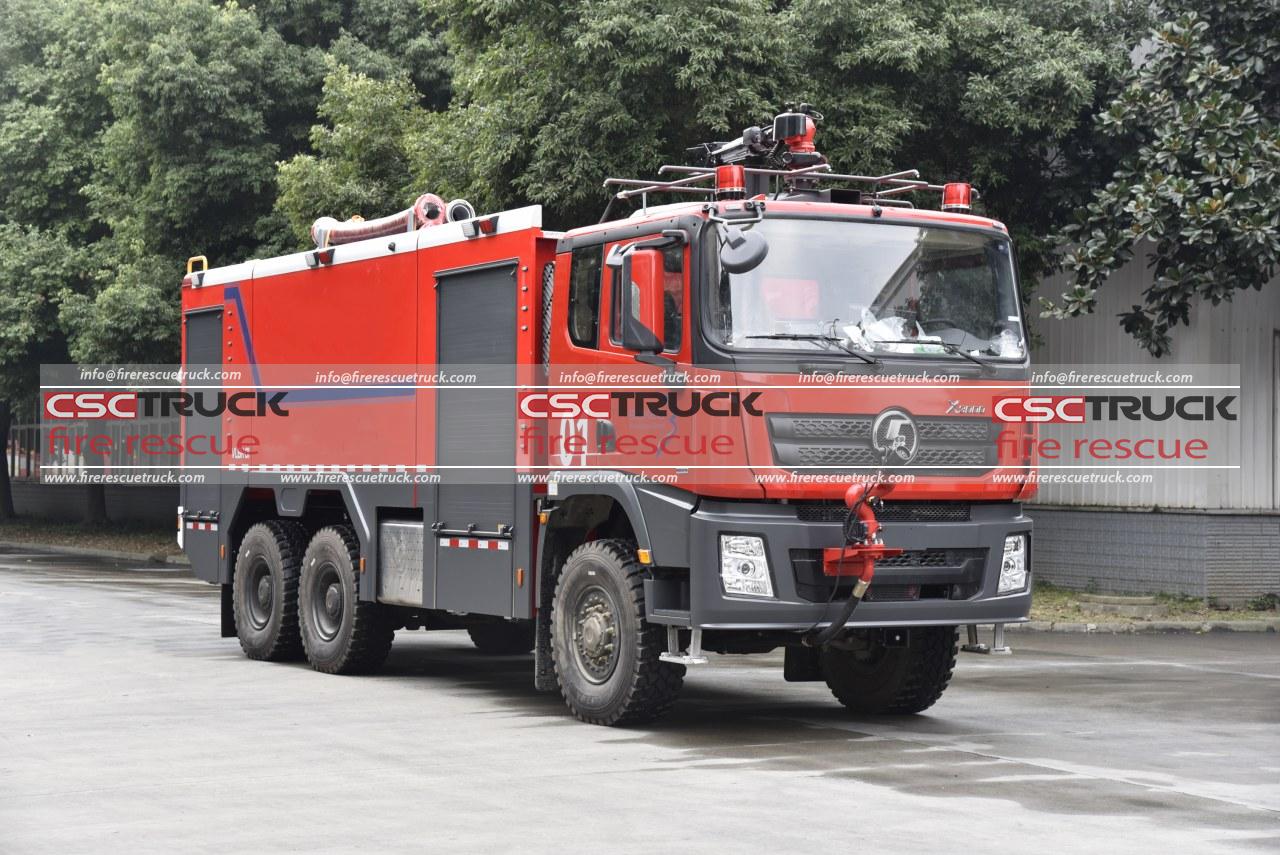
4. ARFF Vehicles in the Americas
The Americas—particularly the United States, Canada, and Latin America—show tremendous diversity in ARFF truck types and operational approaches due to varying national standards and airport sizes.
4.1 Common Types Used
- Large foam tenders (US: 6×6 or 8×8 Striker units)
- Rapid intervention vehicles (especially in the US and Canada)
- Dual-purpose rescue–firefighting units used extensively in Latin America
- HRETs (now increasingly common in North America)
4.2 North America (United States & Canada)
The U.S. follows FAA Part 139 standards, which differ from ICAO rules and emphasize:
- Fast deployment time (3 minutes to the midpoint of the runway)
- High-volume foam application
- Fully equipped rescue gear on primary vehicles
American ARFF fleets typically include:
- Oshkosh Striker series (dominant in the region)
- Auxiliary water tenders for remote airports
- Specialized chemical response units for airports with large cargo operations
Canadian airports often add:
- Cold-weather packages
- All-wheel-drive systems for snow and ice
- Heavily insulated agent tanks
Both countries invest heavily in firefighter training and simulation systems.
4.3 Latin America
ARFF fleets across Latin America vary widely due to budget differences. However, airports in Brazil, Mexico, Colombia, and Chile often employ:
- Mid-size major foam tenders
- Multi-purpose fire-rescue trucks
- Locally built units adapted for warm climates and high-altitude airports
Brands range from Rosenbauer to domestic builders using commercial chassis.
Latin American airports often require:
- Vehicles capable of off-road travel
- Large water tanks due to limited hydrant systems
- Simplified electronics for easier maintenance
5. Comparative Summary Across Regions
| Region | Priorities | Typical Truck Types | Distinctive Features |
|---|---|---|---|
| Asia | High capacity, advanced technology, extreme climate adaptation | Ultra-large MFTs, HRETs, combination agents | Desert cooling, high horsepower, rapid rollout, domestic manufacturing in China |
| Europe | Efficiency, environmental safety, automation | MFTs, RIVs, HRETs | Strict EN standards, eco-friendly foam, hybrid/electric development |
| Americas | Rapid response, versatility, terrain adaptability | MFTs, RIVs, dual-use rescue trucks | FAA-specific configurations, snow packages, and varied fleet quality |
6. Conclusion
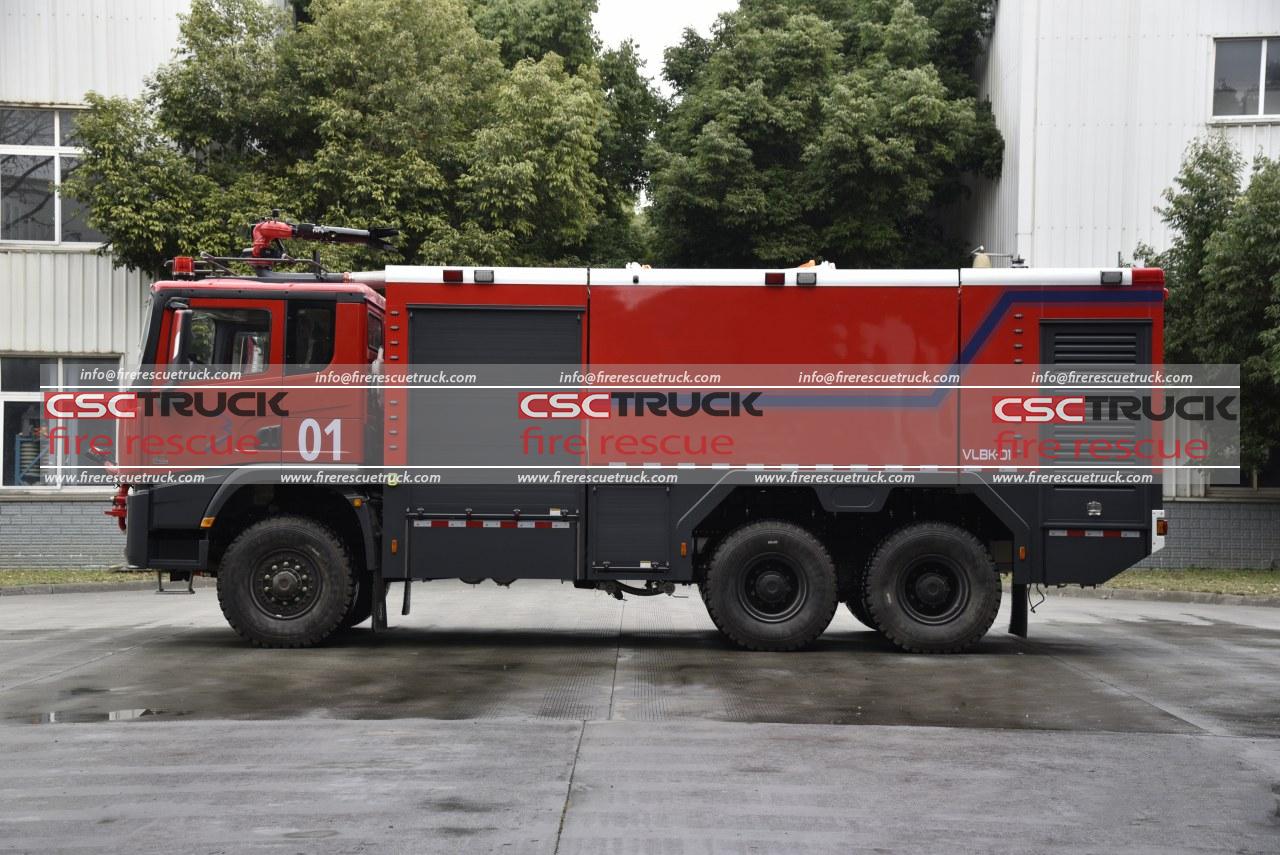
Airport fire trucks across Asia, Europe, and the Americas share 1 mission—protecting passengers, aircraft, and airport infrastructure. Yet their designs and applications reflect the unique operational needs of each region. Asian airports favor ultra-large, high-capacity units engineered for rapid and sustained suppression. Europe leads the world in environmental regulation, fuel efficiency, and operational precision. Meanwhile, the Americas focus on rapid-response capability, climate adaptation, and multi-functional vehicle use.
As global aviation grows and technology evolves, ARFF vehicles will continue to advance, incorporating electric propulsion, AI-based detection systems, and smarter foam technologies. Understanding the diversity of airport fire truck types and uses worldwide offers valuable insight for manufacturers, airport planners, and emergency response professionals seeking to optimize safety and compliance in an increasingly complex aviation ecosystem.