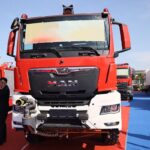
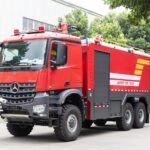
Aircraft Rescue and Fire Fighting (ARFF) vehicles are among the most specialized and mission-critical emergency response units in the world. Designed specifically for airport environments, these advanced fire trucks combine high-speed mobility, massive firefighting capacity, and cutting-edge rescue technology. As global air traffic continues to grow, airports increasingly rely on professional ARFF fire truck manufacturers to provide reliable, ICAO-compliant emergency vehicle solutions.
This article explores the role of ARFF fire truck manufacturers, the essential features of modern airport emergency vehicles, and how companies like CSCTRUCK Fire Rescue Truck are delivering innovative solutions to airports worldwide.
What Are ARFF Fire Trucks?
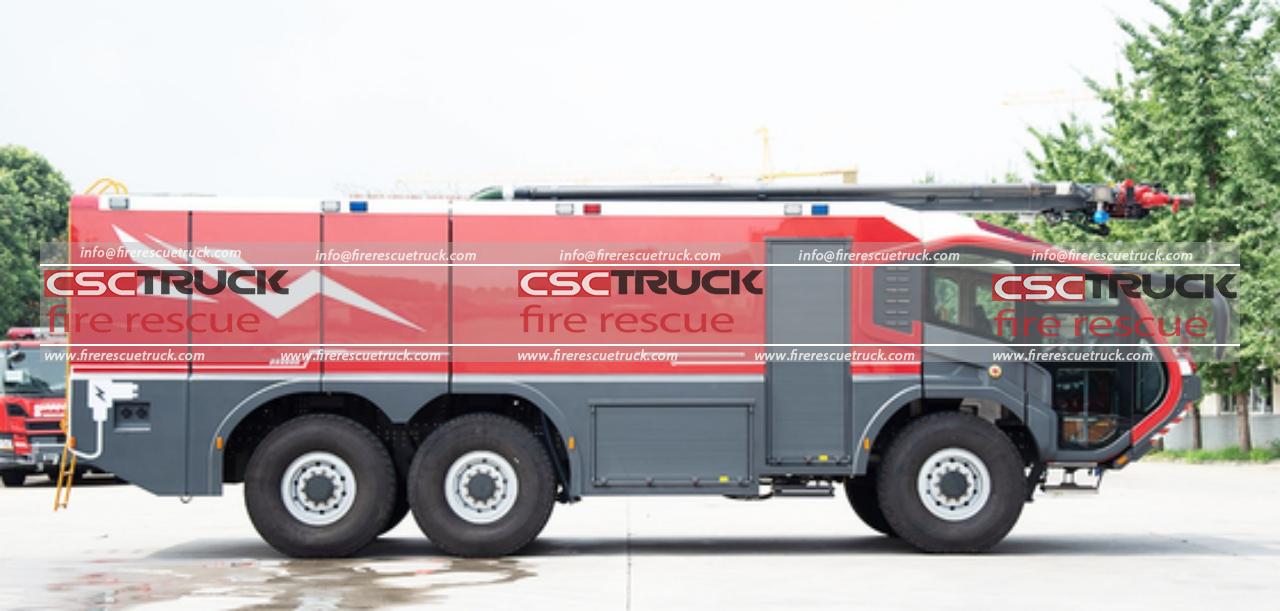
ARFF fire trucks are purpose-built emergency vehicles designed to respond rapidly to aircraft incidents, including fuel fires, crashes, and onboard emergencies. Unlike municipal fire engines, ARFF vehicles are engineered for:
High-speed response on runways and rough terrain
Large-scale fire suppression involving aviation fuel
Rescue operations in extreme conditions
These vehicles must comply with strict international standards such as those set by the International Civil Aviation Organization (ICAO), ensuring they can reach any point on the airfield within minutes.
Key Features of Modern ARFF Fire Trucks
1. High-Speed Performance and Mobility
Speed is critical in airport emergencies. ARFF trucks are equipped with powerful engines ranging from 500 to over 1,000 horsepower, allowing them to accelerate rapidly and reach top speeds exceeding 70 mph (113 km/h).
Many models feature:
6×6 or 8×8 all-wheel drive systems
Independent suspension for rough terrain
Optimized power-to-weight ratios
These capabilities ensure rapid deployment across runways, taxiways, and off-road areas.
2. Large-Capacity Fire Suppression Systems
Aircraft fires require massive amounts of extinguishing agents. ARFF trucks typically carry:
Water tanks: 1,500–4,500 gallons (5,700–15,000 liters)
Foam tanks: 200–600 gallons of AFFF or fluorine-free foam
Dry chemical agents: For electrical and fuel fires
Some high-capacity models can exceed 10,000 liters of water and over 1,000 liters of foam, enabling sustained firefighting without immediate refilling.
3. Advanced Fire Pumps and Monitors
ARFF vehicles are equipped with high-performance pumping systems capable of delivering:
1,000–2,500 gallons per minute (GPM)
Long-range discharge exceeding 60–90 meters
They also feature:
Roof-mounted monitors
Bumper turrets for precision targeting
Under-truck nozzles for safe passage over flames
These systems allow firefighters to suppress fires quickly and from a safe distance.
4. Specialized Rescue Equipment
Modern ARFF trucks go beyond firefighting. They are equipped with:
Snozzle systems: Piercing booms that inject foam into aircraft cabins
Hydraulic rescue tools: For cutting through fuselage structures
Thermal imaging cameras: For locating victims in smoke
Such tools significantly improve rescue efficiency during aviation emergencies.
5. Durable and Lightweight Construction
ARFF fire trucks are built using high-strength aluminum, stainless steel, and composite materials. These materials offer:
Corrosion resistance
Reduced vehicle weight
Improved durability in extreme environments
This ensures long service life and reliable performance in harsh climates, including desert and coastal regions.
6. Intelligent Control and Safety Systems
Modern ARFF vehicles incorporate advanced electronics and automation:
Integrated control panels and touch-screen systems
Real-time communication with air traffic control
Automatic fire suppression systems
Gas detection and hazard monitoring
These features enhance operational safety and coordination during emergencies.
ARFF Fire Truck Manufacturers: Global Landscape
The global ARFF fire truck market includes several well-known manufacturers, including companies from Europe, the Middle East, and Asia. These manufacturers focus on:
Compliance with ICAO and NFPA standards
Customization for different airport categories
Integration of advanced firefighting technologies
For example, leading ARFF vehicles can carry up to 16,000 liters of water and deliver pump capacities of 10,000 LPM, meeting the demands of major international airports.
CSCTRUCK Fire Rescue Truck: A Trusted Manufacturer
CSCTRUCK Fire Rescue Truck is a leading Chinese manufacturer specializing in ARFF fire trucks and airport emergency vehicles. With years of experience in special-purpose vehicle production, the company has established a strong presence in international markets.
Key Advantages of CSCTRUCK ARFF Vehicles
1. Advanced Engineering and Manufacturing
CSCTRUCK Fire Rescue Truck designs and manufactures ARFF trucks using modern production facilities and strict quality control systems. Their vehicles are engineered to meet international standards, including ICAO requirements.
2. High-Performance Vehicle Configurations
CSCTRUCK Fire Rescue Truck offers a range of ARFF configurations, including:
This combination of performance and sustainability makes it suitable for modern airports.
3. Customization and OEM Services
CSCTRUCK Fire Rescue Truck provides customized solutions based on:
Airport size and category
Climate conditions
Operational requirements
Customers can select specific tank capacities, pump systems, and rescue equipment to meet their needs.
4. Global Export and Project Experience
CSCTRUCK Fire Rescue Truck has successfully exported ARFF trucks to multiple countries. A notable example includes the delivery of an advanced ARFF vehicle to Hamad International Airport in Qatar, enhancing the airport’s emergency response capabilities.
5. Competitive Pricing
Compared to Western manufacturers, CSCTRUCK Fire Rescue Truck offers cost-effective solutions without compromising quality, making it an attractive option for developing and mid-sized airports.
Applications of ARFF Fire Trucks
ARFF vehicles are used in a wide range of airport environments, including:
International airports – High-capacity 8×8 vehicles for large aircraft
Regional airports – Medium-capacity 6×6 units
Military airbases – Specialized tactical configurations
Private airfields – Compact and cost-efficient models
Each application requires tailored vehicle specifications to ensure optimal performance.
Future Trends in ARFF Fire Truck Technology
The ARFF industry is evolving rapidly, driven by technological innovation and environmental concerns. Key trends include:
1. Electrification
Electric ARFF trucks are gaining popularity due to:
Reduced emissions
Lower operating costs
Quiet operation
2. Smart Firefighting Systems
Integration of AI and automation is improving:
Fire detection accuracy
Remote monitoring
Operational efficiency
3. Eco-Friendly Foam Solutions
Fluorine-free foam (FFF) is replacing traditional AFFF to reduce environmental impact.
4. Enhanced Safety Features
New designs focus on:
Improved crew protection
Better visibility
Advanced hazard detection systems
Conclusion
ARFF fire trucks are indispensable for airport safety, combining speed, power, and advanced firefighting technology to handle aviation emergencies effectively. Choosing the right ARFF fire truck manufacturer is critical for ensuring compliance, reliability, and operational efficiency.
Manufacturers like CSCTRUCK Fire Rescue Truck are playing a key role in delivering modern, high-performance airport emergency vehicle solutions. With advanced engineering, customizable designs, and competitive pricing, they provide a strong option for airports seeking dependable ARFF equipment.
As aviation continues to expand globally, the demand for innovative and efficient ARFF fire trucks will only increase, making professional manufacturers an essential partner in safeguarding lives and infrastructure.