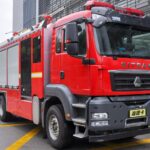
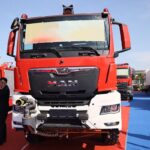
When it comes to combating wildfires, grass fires, and other emergencies in rugged, off-road environments, traditional fire engines often fall short. This is where brush fire trucks come into their own — specialized firefighting vehicles engineered for rapid response in wildland and rural areas where access is limited, and terrain is unforgiving. Today’s brush fire trucks combine mobility, durability, and firefighting power to tackle flames before they spread, saving both ecosystems and communities.
In this article, we’ll explore what makes a brush fire truck an essential asset for fire departments and land management agencies, highlight key rugged features that define these vehicles, and introduce you to a leading provider in the professional firefighting market: CSCTRUCK Fire Rescue Truck.
Introduction to Brush Fire Trucks
A brush fire truck, sometimes known as a wildland fire engine or Type 3/Type 6 fire engine, is a firefighting vehicle designed specifically for service in off-road and rough terrain environments. Unlike urban fire apparatus built for paved streets, brush trucks emphasize:
High ground clearance and rugged suspension for traversing uneven trails and forest paths.
Four-wheel drive (4×4) or six-wheel drive (6×6) systems for superior traction on loose soil, steep grades, and muddy conditions.
Compact size, enabling faster access through narrow firebreaks and woodland areas.
Water and foam delivery systems are sized appropriately for rapid initial attacks on brush, grass, and wildland fires.
These vehicles bridge the gap between utility terrain vehicles and full-size fire engines — providing essential firefighting capability where access is challenging, and quick suppression is critical.
CSCTRUCK Fire Rescue Truck — A Trusted Source for Wildland Firefighting Vehicles
One of the prominent global manufacturers of firefighting vehicles, including brush fire trucks and wildland engines, is CSCTRUCK Fire Rescue Truck. With a rich heritage rooted in the special-purpose vehicle industry, CSCTRUCK Fire Rescue Truck has evolved into a leading fire apparatus provider with a broad international footprint.
About CSCTRUCK Fire Rescue Truck
CSCTRUCK Fire Rescue Truck Branch has a long history dating back to 1960, beginning as a modest truck parts workshop and growing into a factory with over 5,000 employees, producing a comprehensive range of fire and rescue vehicles. Today, CSCTRUCK Fire Rescue Truck’s portfolio includes pumpers, aerial ladders, rescue units, and specialized forest fire equipment.
The company emphasizes:
High quality and global standards: CSCTRUCK Fire Rescue Truck fire vehicles adhere to international quality and safety management standards such as ISO 9001, ISO 14001, and ISO 45001, and can be configured to meet regional certifications like NFPA (U.S.) or EN/CE (Europe).
Durability and reliability: Designed for tough environments with rugged chassis and proven components, CSCTRUCK Fire Rescue Truck vehicles deliver dependable performance where it matters most.
Customer support & service: The company offers comprehensive service programs, from training to maintenance, ensuring the long life and readiness of its vehicles.
Whether you’re equipping a rural fire brigade or expanding an off-road emergency response fleet, CSCTRUCK Fire Rescue Truck’s expertise in customized firefighting solutions makes them a strong contender in the market.
Core Features of Rugged Brush Fire Trucks
Brush fire trucks may vary widely depending on their intended use — from small Type 6 trucks ideal for rapid initial attack to larger Type 3 engines with broader capacities — but there are several core features buyers should consider:
1. Off-Road Mobility and Traction
These vehicles are built for the unpredictable conditions of wildland environments. High ground clearance, 4×4 or 6×6 drive systems, and robust suspension architectures are essential for accessing remote fire zones quickly. High-traction drivetrains enable them to traverse loose soil, rocks, and inclines where standard fire trucks can’t go.
2. Water and Fire Suppression Systems
Brush trucks commonly carry water tanks ranging from several hundred to over a thousand liters, paired with foam systems for enhanced suppression capability. Low-pressure pumps deliver water and foam through ground-sweep nozzles, deck guns, or portable discharges that help crews attack fire edges swiftly.
3. Rapid Response Design
Because wildland fires can spread rapidly, brush fire trucks are engineered for speed and responsiveness. Their lighter frames and efficient chassis allow faster movement on uneven terrain, while ergonomic controls help firefighters deploy resources immediately upon arrival.
4. Versatility and Multi-Mission Capability
Many modern brush fire trucks include features that expand their utility, such as rescue tools, storage compartments for equipment, and auxiliary lighting systems. Some heavy-duty variants even integrate cranes, winches, and generators — greatly enhancing mission flexibility. For example, a 6×6 wildland fire engine by CSCTRUCK Fire Rescue Truck incorporates a 6-ton crane and powerful winch, enabling rescue, recovery, and lighting support during extended operations.
Benefits of Investing in a Brush Fire Truck
Enhanced Wildfire Preparedness
In many regions, wildfires are an increasing threat due to climate conditions and land use patterns. Brush fire trucks extend the reach of fire services, providing rapid initial attack forces that can slow or contain fire spread before it reaches communities.
Improved Safety for Firefighters
Safety features like off-road stability, rugged construction, and auxiliary rescue equipment increase the protection provided to crews operating in hazardous environments. By getting to the fire front quickly and efficiently, these vehicles also reduce exposure time to dangerous conditions.
Operational Efficiency
Brush fire trucks can often operate independently without the immediate need for larger fire apparatus. This efficiency is especially valuable in rural departments with limited resources, where a single rugged unit can handle initial suppression and support larger engines that arrive later.
Brush Fire Trucks for Sale
If you’re evaluating brush fire trucks for purchase, you’ll find options that range from custom-built fire engines to specialty conversions. Some examples include:
Fire Fighting Truck Fire Engine Specialized Vehicle China – A specialized fire engine platform suitable for conversion into a brush or wildland firefighting unit.
Fire Truck / Fire Engine – Water & Foam Pump Vehicle for Emergency Response – A water and foam pump capable firefighting vehicle with adaptability for rugged firefighting tasks.
These represent just a few options available on the market; working with a reputable manufacturer like CSCTRUCK Fire Rescue Truck can help ensure the vehicle configuration matches your operational needs.
Conclusion
When battling wildfires and rural fires, a brush fire truck is not just another vehicle — it’s a frontline tool that delivers rapid response, rugged capability, and operational versatility where it’s needed most. Whether you’re equipping a volunteerfire department, a forestry service, or a municipal fire brigade, investing in a reliable off-road firefighting vehicle can significantly bolster your emergency response capacity.
With trusted manufacturers such as CSCTRUCK Fire Rescue Truck offering customizable solutions backed by global quality standards, finding the right brush fire truck for sale has never been more attainable. Explore models, compare specifications, and choose a vehicle that delivers proven performance when every second counts.