
1. Introduction: Critical Role of Fire Trucks in Public Safety
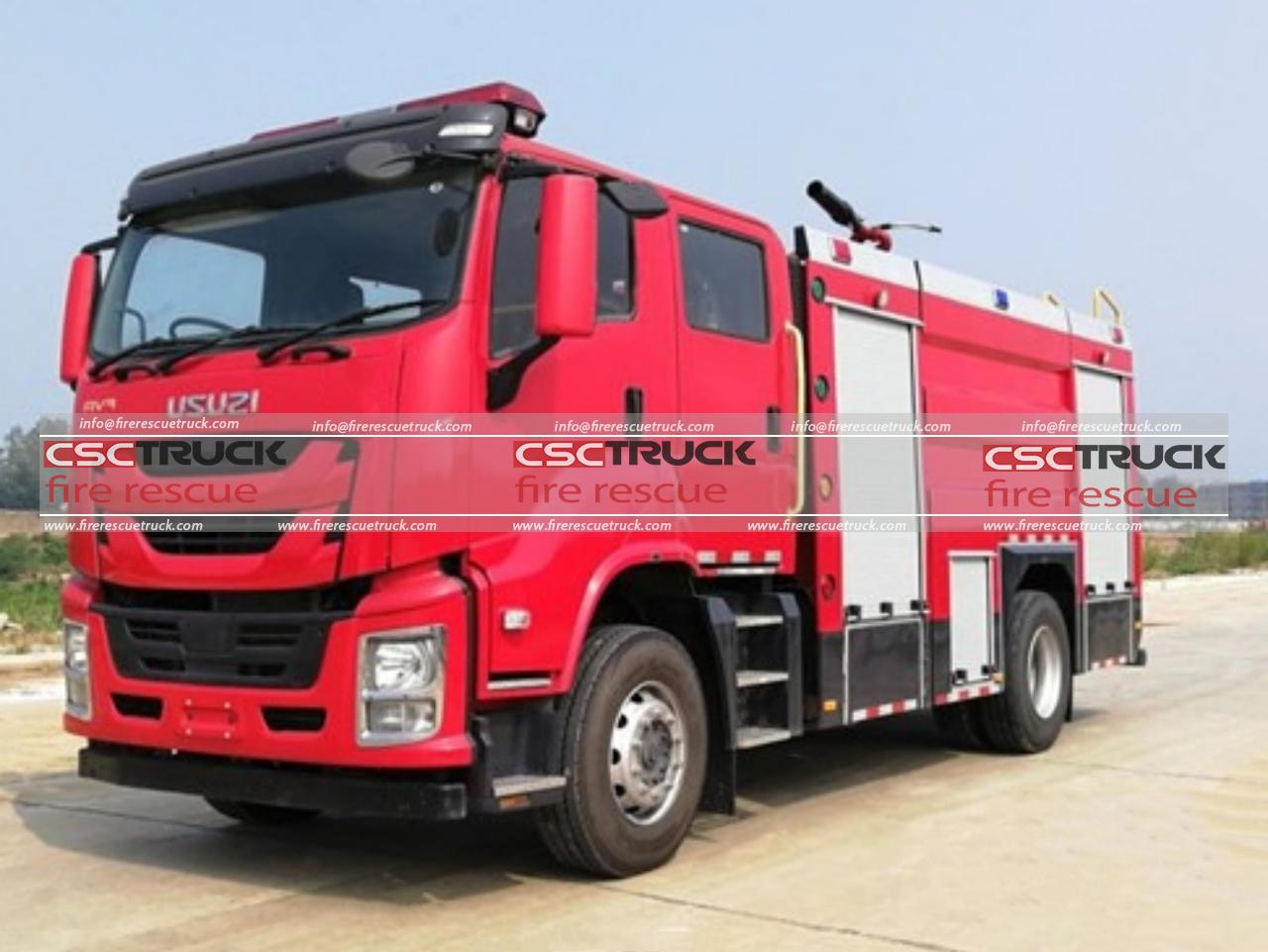
Fire trucks are specialized emergency vehicles designed to support fire suppression, rescue operations, hazardous‑material response, and complex emergency scenarios. They are equipped with high‑capacity water and foam systems, pumps, aerial devices (ladders and platforms), and a range of rescue tools that help firefighters control and extinguish fires, execute swift rescues, and manage industrial incidents. Highly reliable and engineered to withstand extreme conditions, these vehicles are indispensable in urban centers, industrial zones, airports, and strategic installations.
In global markets, fire truck demand is tightly linked to urbanization, industrial growth, enhanced safety regulation, and investments in emergency services infrastructure. The same drivers shape the fire truck market across the Middle East — a region that combines rapid modernization with significant industrial risk profiles (e.g., petrochemicals, aviation hubs, megaprojects) that necessitate advanced firefighting capabilities.
2. Overview of the Middle East Fire Truck Market
Market Size & Growth
The Middle East forms an important sub‑region within the broader Middle East & Africa fire truck market, which accounted for a notable share of global fire truck procurement and is forecast to grow through 2030. Estimates from multiple market research sources indicate that:
- The Middle East region (often combined with Africa for total market calculations) contributes roughly 10–15% of the worldwide fire truck market, with steady adoption of advanced firefighting vehicles. (Global Growth Insights)
- Forecasts show the region’s fire truck market growing at a compound annual growth rate (CAGR) of approximately 5% or more between 2025 and 2034, underpinned by urban expansion and industrial safety investments. (Industry Research)
- Valuations range from hundreds of millions to over a billion dollars, depending on how the Middle East is segmented and whether Africa is included. (Ken Research)
This growth trajectory reflects steady, mid‑to‑long‑term investment in public safety infrastructure, modernization of fire services, and diversification into smart and specialized fire trucks tailored to unique operational environments.

3. Key Regional Drivers & Demand Patterns
Urbanization & Infrastructure Development
Rapid urban growth in cities like Dubai, Abu Dhabi, Riyadh, Doha, and Jeddah has driven demand for fire trucks capable of navigating dense urban grids and responding to complex incidents. These include aerial trucks for high‑rise firefighting, pumpers for municipal response, and specialized rescue units. Extensive construction activity and ambitious infrastructure projects (e.g., new districts, skyscrapers, cultural hubs) naturally increase fire department fleet requirements. (Ken Research)
Industrial & Oil & Gas Safety Requirements
A major unique feature of Middle Eastern markets — particularly in the Gulf Cooperation Council (GCC) states — is the concentration of oil & gas, petrochemical, and refining industries, which operate in high‑risk environments. Fire trucks for these applications often have:
- High‑capacity foam systems
- Explosion‑resistant designs
- Specialized rescue modules
Special trucks for industrial fire protection and Hazardous Materials (HazMat) response form a substantial share of procurement in countries like Saudi Arabia and the UAE. (360 Research Reports)
Airport Rescue & Firefighting (ARFF) Expansion
Airport infrastructure expansion across the Middle East boosts demand for Aircraft Rescue & Firefighting (ARFF) vehicles. Major international airports — and new aviation hubs — require fleets compliant with international safety standards, supporting proactive emergency readiness. ARFF trucks are often among the most advanced and expensive firefighting vehicles procured. (Industry Research)
Regulatory and Standards Momentum
Governments in the region are tightening fire safety regulations, including mandatory procurement of modern equipment and fleet upgrades. For example:
- The UAE’s fire and life safety codes push for newer firefighting methodologies and compliance with international standards.
- Saudi Vision 2030 explicitly prioritizes enhanced emergency services tied to national resilience goals.
These policy drivers help spur consistent fleet modernization and stimulate demand for next‑generation firefighting vehicles. (Ken Research)
4. Regional Challenges and Market Barriers
High Initial Investment Costs
Fire trucks, especially advanced pumpers, ARFF vehicles, or specialized industrial units, come with high upfront prices. Costs are amplified when customization, compliance testing, and advanced technology packages are included. Smaller municipalities and private entities may delay procurement due to budget constraints.
Harsh Environmental Conditions
Desert heat, sand, and dust provide extra design and maintenance challenges. Vehicles must be rugged and heat‑resistant, which increases engineering complexity and could elevate ownership costs over the life of the fleet.
Skills Gap & Digital Integration
Advanced fire trucks increasingly incorporate digital communication systems, IoT interfaces, and real‑time data analytics. However, limited trained personnel and maintenance facilities in some markets can slow the effective adoption of smart firefighting technologies.
5. Competitive Landscape
The Middle East fire truck market features a mix of regional manufacturers and global OEMs. Competitive dynamics include:
- Large international brands such as Rosenbauer, Oshkosh/REV Group, Magirus, and others are offering high‑end custom units.
- Regional manufacturers like NAFFCO (UAE) serve both local and export markets.
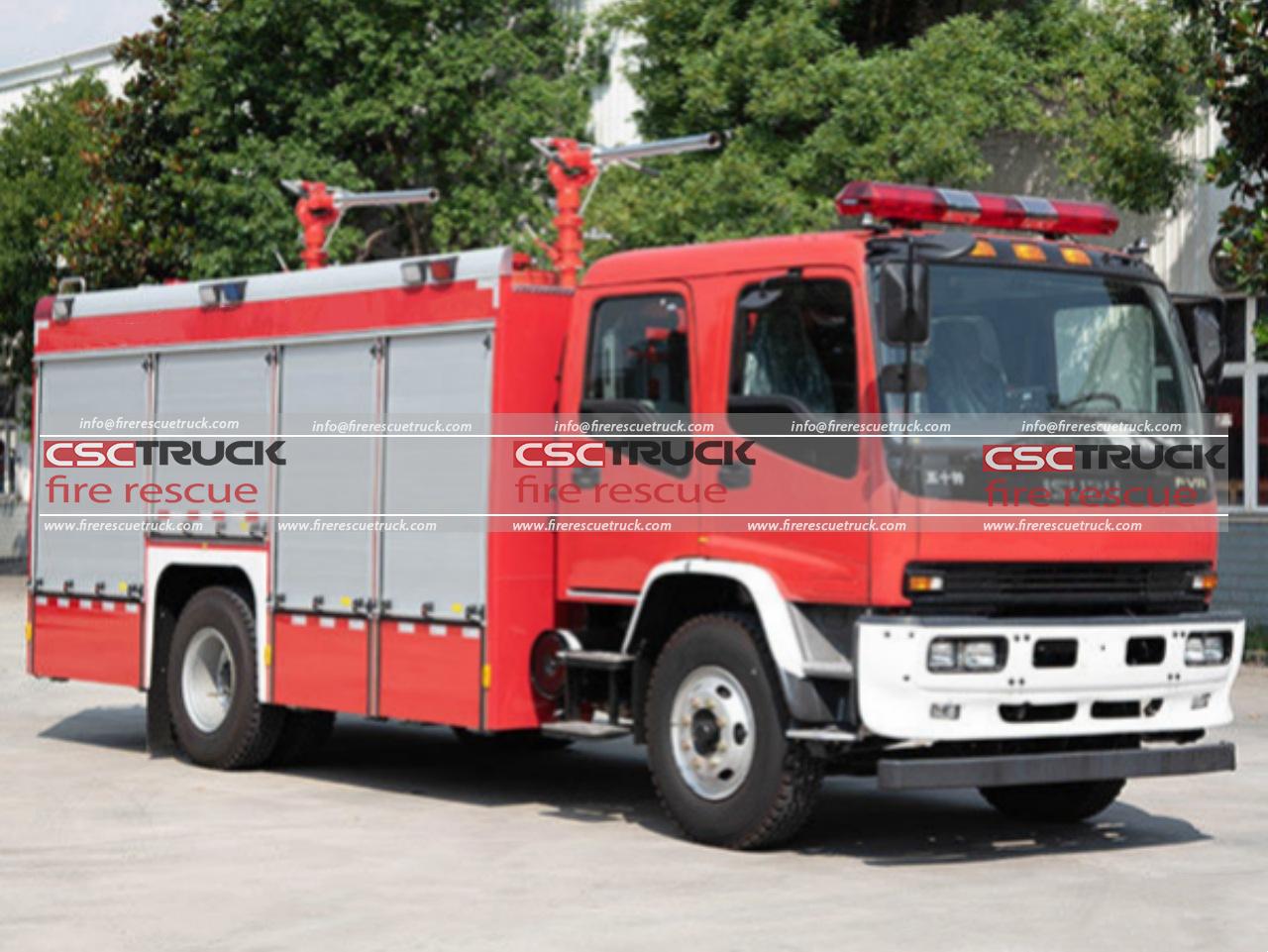
- Global exports from Chinese manufacturers with competitive pricing and broad product ranges. (CSCTRUCK Fire Rescue Truck)
This mix allows fire services to balance cost, performance, customization, and after‑sales support needs based on budget and operational demands.
6. Focus: CSCTRUCK Fire Rescue Truck in the Middle East
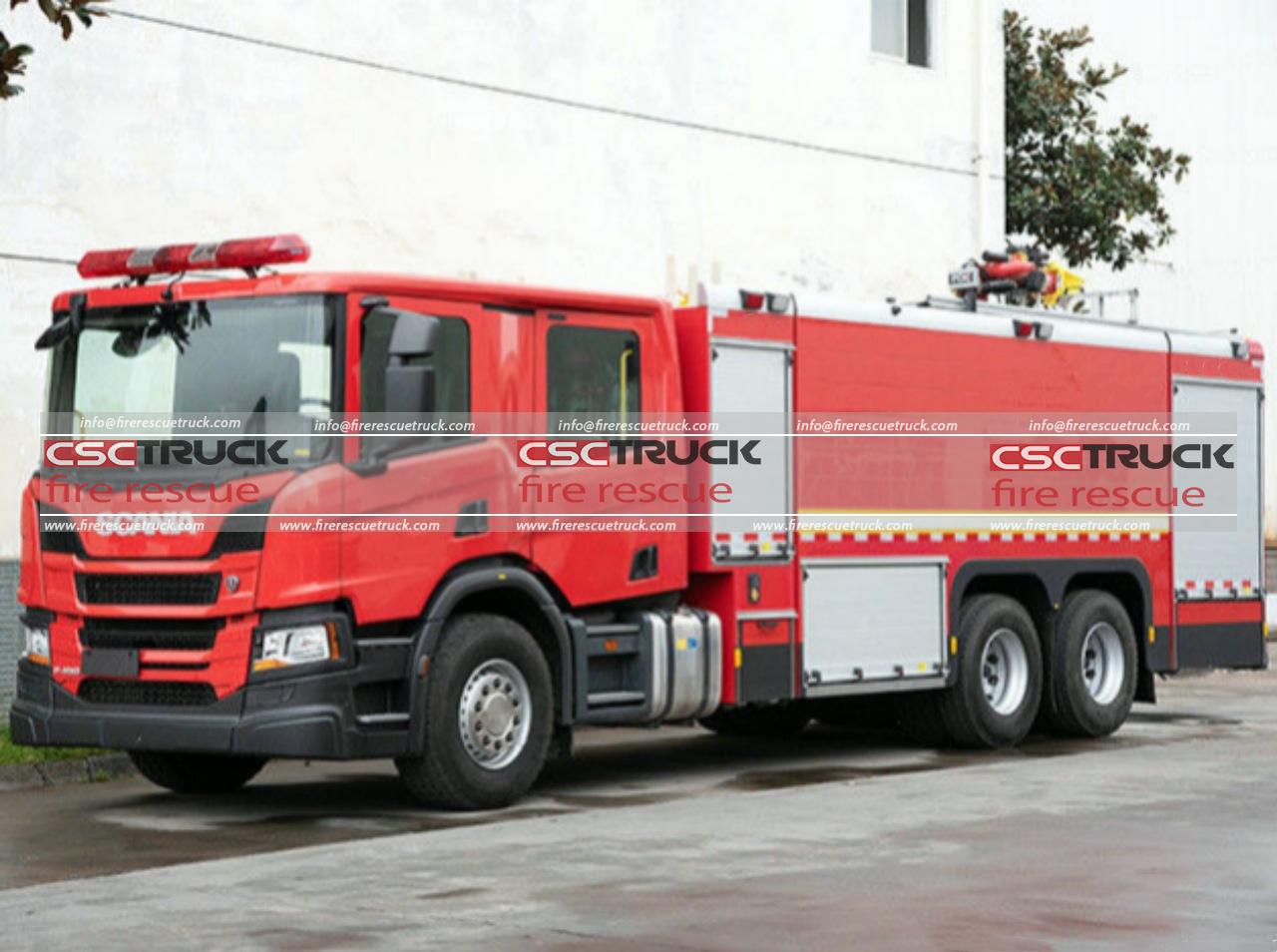
CSCTRUCK Fire Rescue Truck is a specialist fire and rescue truck manufacturer and exporter headquartered in China. The firm has recently developed a dedicated branch focused on firefighting vehicles, further strengthening its offerings through its own Fire Rescue Truck brand and website. (EIN Presswire)
Product Range & Capabilities
CSCTRUCK Fire Rescue Truck’s portfolio includes a variety of fire truck configurations — from water bowser fire trucks and foam units to aerial platform trucks and specialized rescue fire trucks. These products use chassis from established truck brands (HOWO, Volvo, ISUZU) and are engineered for firefighting, rescue, and industrial safety tasks.
Key product types offered in the CSCTRUCK Fire Rescue Truck lineup include:
- Pumper and water tanker trucks
- Foam and chemical fire trucks
- Aerial ladder and platform units
- Multipurpose rescue fire trucks with winches and lifting systems
- Dry powder and CAFS (Compressed Air Foam System) units
This broad range allows CSCTRUCK Fire Rescue Truck to meet diverse operational needs — from municipal fire departments to industrial emergency services.
Regional Engagement and Deployment
CSCTRUCK Fire Rescue Truck has actively engaged in the Saudi Arabian market, partnering with local authorities to deploy advanced firefighting vehicles tailored to the Kingdom’s unique fire risk landscape. These vehicles boast high‑capacity pumps, efficient foam systems, and rugged designs aimed at effective response in urban and industrial settings.
Global Outreach
Besides the Middle East, CSCTRUCK Fire Rescue Truck supplies fire trucks to more than 80 countries around the world, including multiple African and Asian markets. This global footprint aids economies of scale and logistics experience when serving Middle Eastern buyers who require reliable delivery and after‑sales support.
7. Future Outlook & Strategic Opportunities
The Middle East fire truck market is poised for continued expansion, driven by urbanization, regulatory enforcement, industrial risk management, and infrastructure investment. Technological trends such as smart firefighting systems, telematics, digital dispatch integration, and eco‑friendly engines are expected to shape future procurements. (Ken Research)
Emerging growth vectors include:
- Electrification and hybrid drivetrain adoption for urban fleets
- Integration of advanced monitoring and AI sensor systems
- Strategic partnerships for localized assembly and service infrastructure
- Expansion into underserved markets within the region
For manufacturers like CSCTRUCK Fire Rescue Truck, aligning product development with these trends — particularly advanced rescue capabilities and digital integration — could enhance competitiveness in a dynamic Middle Eastern fire truck market.
Conclusion
The Middle East fire truck market combines global industry dynamics with unique regional demands driven by urban growth, industrial safety needs, and evolving regulatory environments. With growth projected across municipal, industrial, and ARFF segments, the region presents sustained opportunities for fire truck manufacturers, suppliers, and service partners alike.
CSCTRUCK Fire Rescue Truck — with its extensive product range and strategic regional deployments — exemplifies how global suppliers can contribute to robust fire safety ecosystems while navigating competitive and technological shifts shaping this important sector.