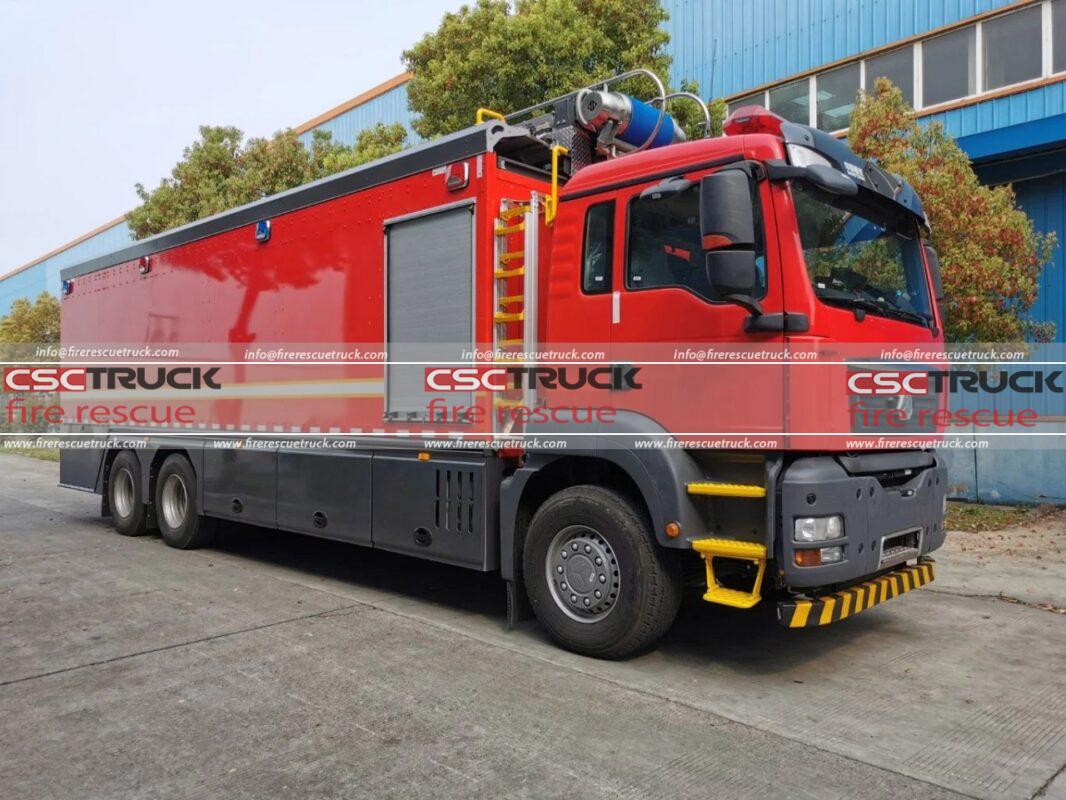
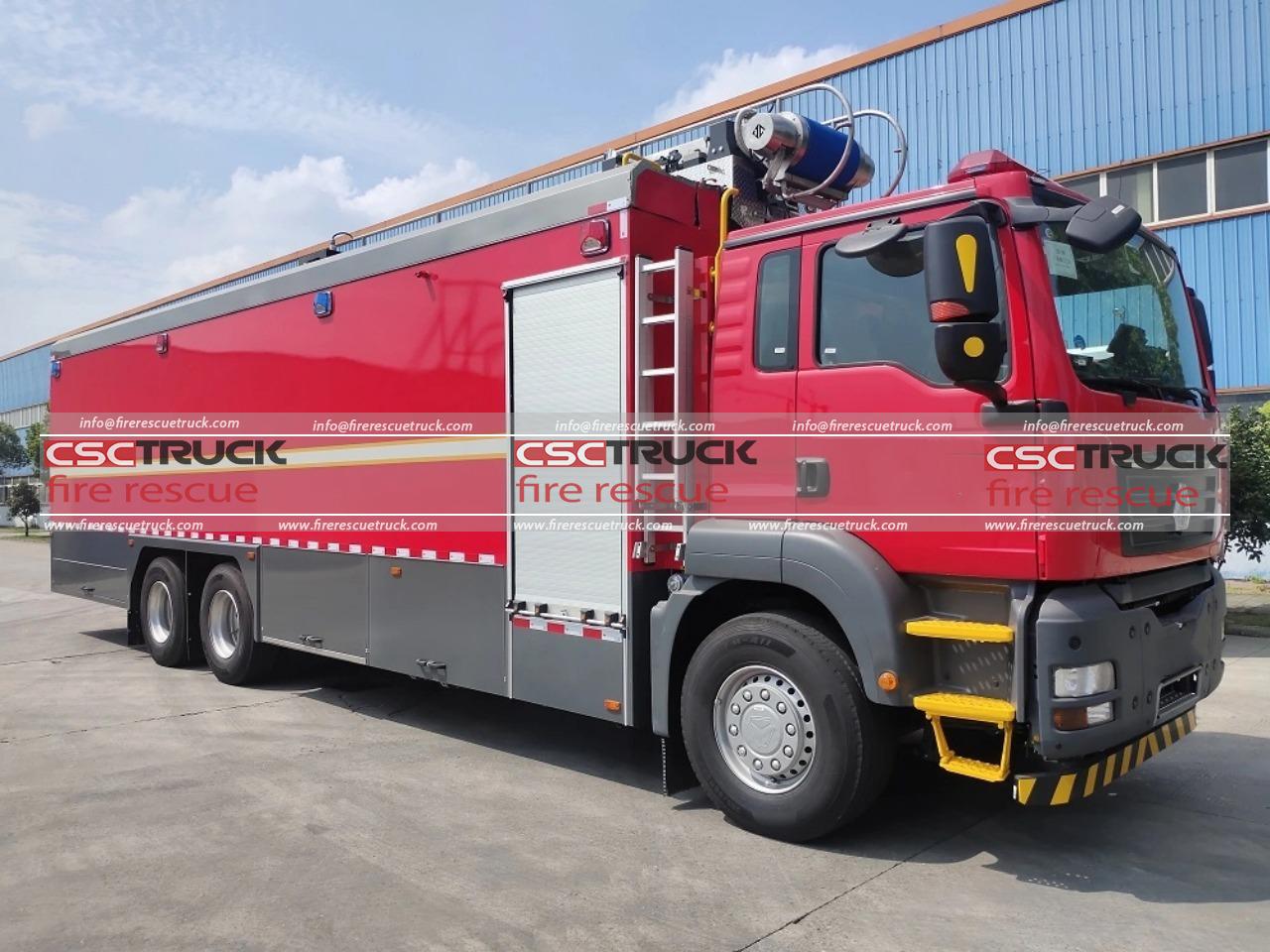
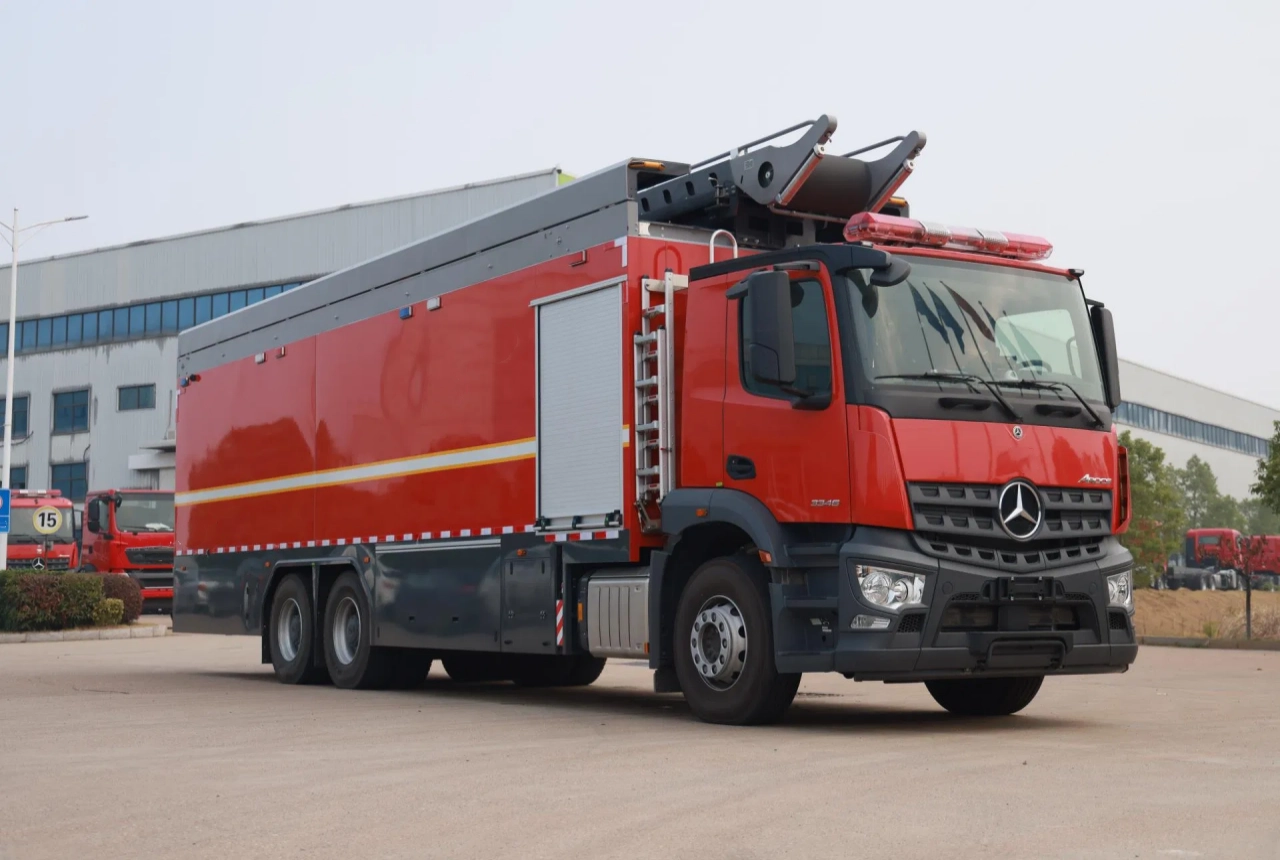
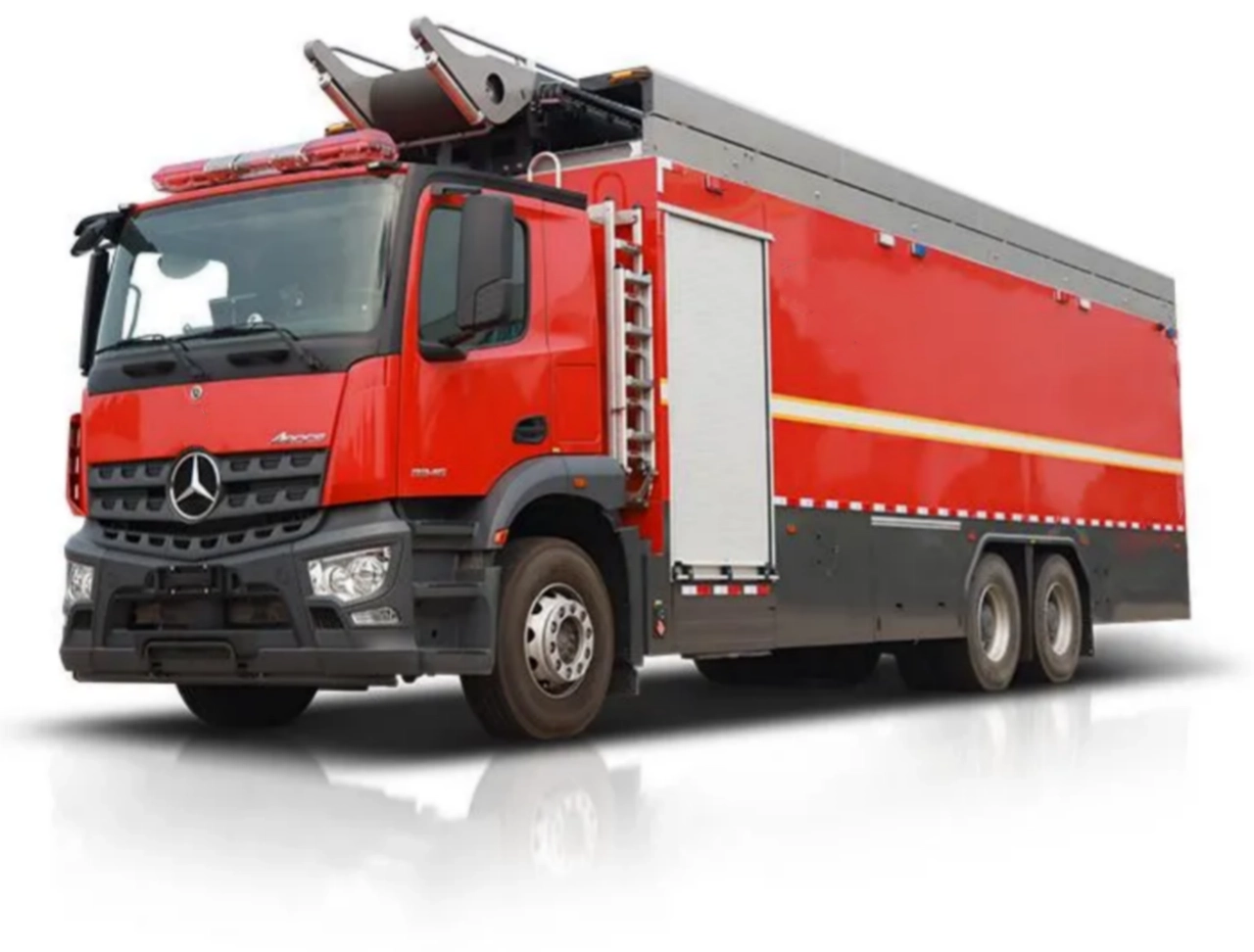
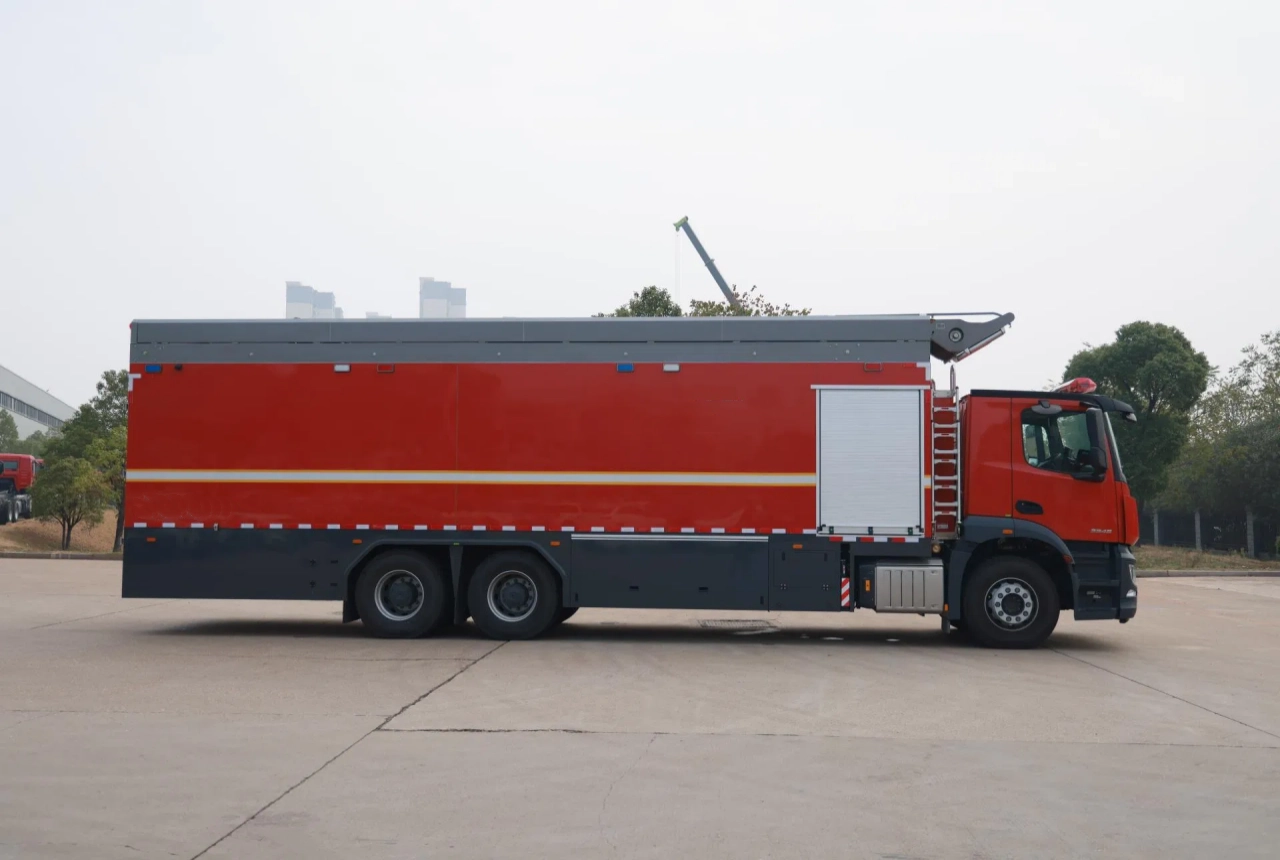
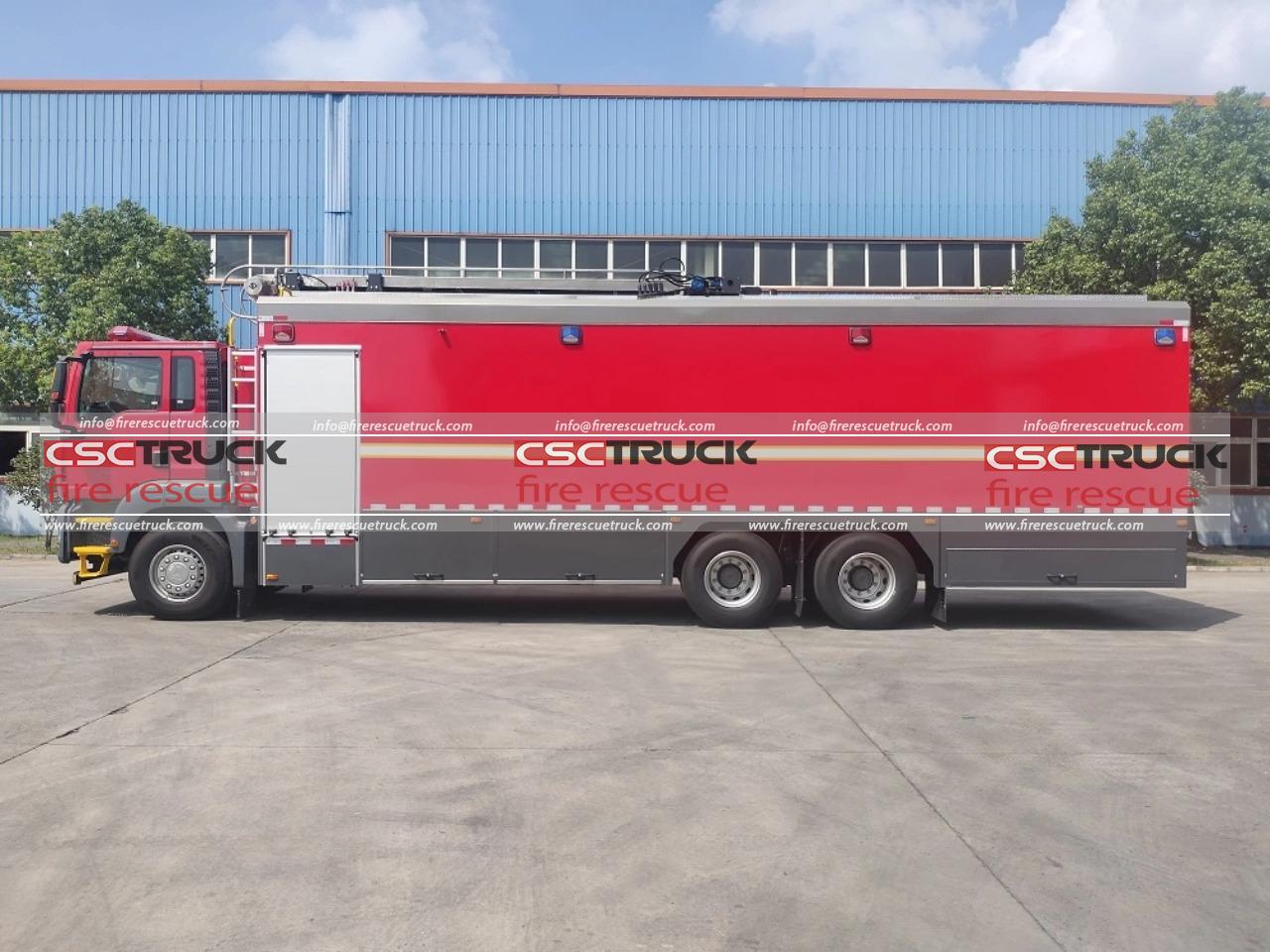
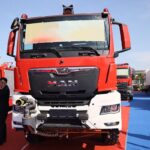
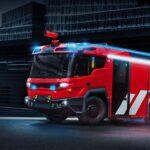
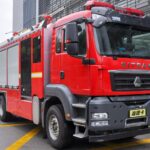
In modern firefighting operations, efficiency, speed, and organization are critical to saving lives and minimizing property loss. Among the many specialized support vehicles that enhance fireground logistics, the Hose Recovery Unit stands out as an essential piece of equipment. Designed specifically to streamline the deployment, collection, and management of fire hoses, this vehicle ensures that firefighters can focus more on extinguishing fires and less on manual labor. The rapid hose recovery vehicle is a crucial component of modern firefighting fleets, improving operational efficiency and safety during both urban and rural fire responses.
Introduction to the Hose Recovery Unit
A Hose Recovery Unit (HRU), also known as a hose retrieval or hose laying vehicle, is a specialized support truck designed to recover and deploy large quantities of fire hoses efficiently. After a firefighting operation, recovering hoses manually can be time-consuming, physically exhausting, and potentially damaging to the hose material. The HRU automates much of this process, reducing manpower requirements and ensuring hoses are quickly and safely wound for transport, cleaning, or redeployment.
These vehicles are particularly valuable in operations involving long hose lays, such as industrial fires, wildland fires, or rural firefighting scenarios where water sources are distant from the fire site. With the growing emphasis on fast turnaround and effective resource management, the Hose Recovery Unit has become indispensable to professional firefighting services worldwide.
Design and Construction
The structure of a Hose Recovery Unit is engineered for durability, functionality, and ease of use. Typically built on a heavy-duty truck chassis—such as Mercedes-Benz, MAN, Scania, or ISUZU—the HRU is capable of operating in demanding environments and carrying substantial payloads. The body is often constructed from high-strength aluminum alloy or stainless steel, ensuring corrosion resistance and lightweight performance.
A key component of the unit is the hose retrieval mechanism, which can include powered rollers, conveyor belts, or rotating drums that automatically collect hoses from the ground. The system can handle a wide range of hose diameters, commonly from Ø65 mm to Ø150 mm, depending on the firefighting application. Many modern systems feature hydraulic or electric drive controls, allowing operators to adjust speed and tension for smooth hose recovery without causing wear or damage.
To complement this, the HRU may be fitted with hose storage racks or reels, capable of organizing hundreds of meters of hose for quick redeployment. The vehicle’s design prioritizes accessibility—featuring side and rear access platforms, lighting systems, and control panels that allow safe operation even in low-visibility conditions or during night shifts.
Key Features and Components
The efficiency of a Hose Recovery Unit lies in its integrated systems and smart design. Modern HRUs from leading manufacturers, such as CSCTRUCK Fire Rescue Truck, incorporate several advanced features:
Automatic Hose Recovery System:
A hydraulically driven retrieval unit collects hoses at speeds of up to 100 meters per minute, dramatically reducing recovery time and minimizing manual effort.
Adjustable Hose Guides and Rollers:
Designed to align and straighten hoses during recovery, these guides prevent kinking, twisting, or folding, extending the service life of the hoses.
High-Capacity Storage Compartment:
The vehicle can store up to 2,000–3,000 meters of hose, depending on the hose size, allowing continuous operations without the need for frequent offloading.
Remote or Cabin-Control Operation:
Operators can control recovery speed, direction, and alignment either from the cabin or through a remote control system, improving safety and convenience.
Integrated Cleaning System (Optional):
Some models include a hose washing and drying system, ensuring hoses are clean, dry, and ready for reuse immediately after recovery.
Ergonomic Safety Design:
Anti-slip platforms, handrails, emergency stop buttons, and built-in illumination guarantee safe operation under various conditions.
Multi-Functional Utility:
Apart from hose recovery, many HRUs can assist in hose deployment, equipment transport, and temporary water relay setups, making them versatile firefighting support vehicles.
Operational Efficiency in Firefighting
The deployment and retrieval of hoses can be one of the most labor-intensive tasks during firefighting. In traditional methods, a team of firefighters must manually drag, coil, and load hoses—a process that can take hours and risk back injuries. The Hose Recovery Unit eliminates these challenges.
During operation, the HRU can recover hoses directly from the fireground, even across uneven terrain or water-soaked areas. Its powered intake rollers and self-guiding mechanisms ensure continuous retrieval without interruption. The result is a significant reduction in recovery time by as much as 80% compared to manual methods.
This efficiency allows firefighting crews to return to base faster, clean and service equipment sooner, and prepare for subsequent emergencies in less time. Moreover, reduced manual handling means fewer hose damages and lower maintenance costs, ensuring long-term savings and improved reliability.
Applications in Modern Fire Services
The Hose Recovery Unit is suitable for a variety of firefighting operations:
Municipal and Urban Fire Brigades:
In dense city environments, the HRU supports quick hose management during structure fires and hydrant-based operations.
Industrial Firefighting:
For oil refineries, chemical plants, and factories with long-distance water supply setups, the HRU ensures uninterrupted water relay and rapid system recovery.
Rural and Forest Fire Services:
When battling wildfires or remote blazes, the HRU enables efficient retrieval of kilometers-long hose lines laid across fields or hillsides.
Airport and Military Fire Departments:
These units require rapid readiness between operations, and the HRU’s ability to recover hoses swiftly supports continuous high-level preparedness.
Advantages of Using a Hose Recovery Unit
Reduced Labor Requirements:
One HRU can perform the work of an entire hose crew, freeing firefighters to focus on critical firefighting and rescue tasks.
Faster Redeployment:
Quick hose recovery allows rapid redeployment to new fire zones or multiple incidents within short timeframes.
Improved Safety:
The system minimizes manual lifting and bending, reducing physical strain and potential injuries.
Enhanced Hose Longevity:
Automated recovery prevents hose twisting, dragging, and abrasion, preserving the hose material and reducing replacement frequency.
Operational Readiness:
Fire departments can maintain a higher state of readiness, as hoses can be cleaned, dried, and stored efficiently.
Economic Efficiency:
Lower manpower needs and reduced equipment wear lead to lower operating costs over time.
Technological Advancements and Future Trends
As technology advances, Hose Recovery Units are becoming smarter and more integrated into firefighting fleet systems. Emerging innovations include:
Digital Monitoring and Data Logging:
Systems that record hose usage, recovery speed, and maintenance cycles for better fleet management.
AI-Assisted Hose Alignment:
Intelligent sensors can automatically adjust rollers and guides based on hose tension and terrain feedback.
Hybrid Power Systems:
Electric or hybrid drives for quieter, eco-friendly operation in urban areas.
Modular Design:
Easily detachable hose recovery systems that can be mounted on different chassis types or trailers, increasing versatility.
Conclusion
The Hose Recovery Unit – Rapid Hose Recovery Vehicle is a vital asset in modern firefighting, combining innovation, practicality, and efficiency. Automating the time-consuming process of hose retrieval and organization enhances overall operational performance, ensures firefighter safety, and maximizes the utility of firefighting resources. As firefighting demands evolve toward faster, smarter, and more sustainable solutions, the Hose Recovery Unit remains a key player in achieving efficient firefighting setups and maintaining readiness for any emergency.
In short, the Hose Recovery Unit is not just a support vehicle—it is an operational force multiplier, transforming how modern fire departments manage one of their most essential tools: The fire hose.