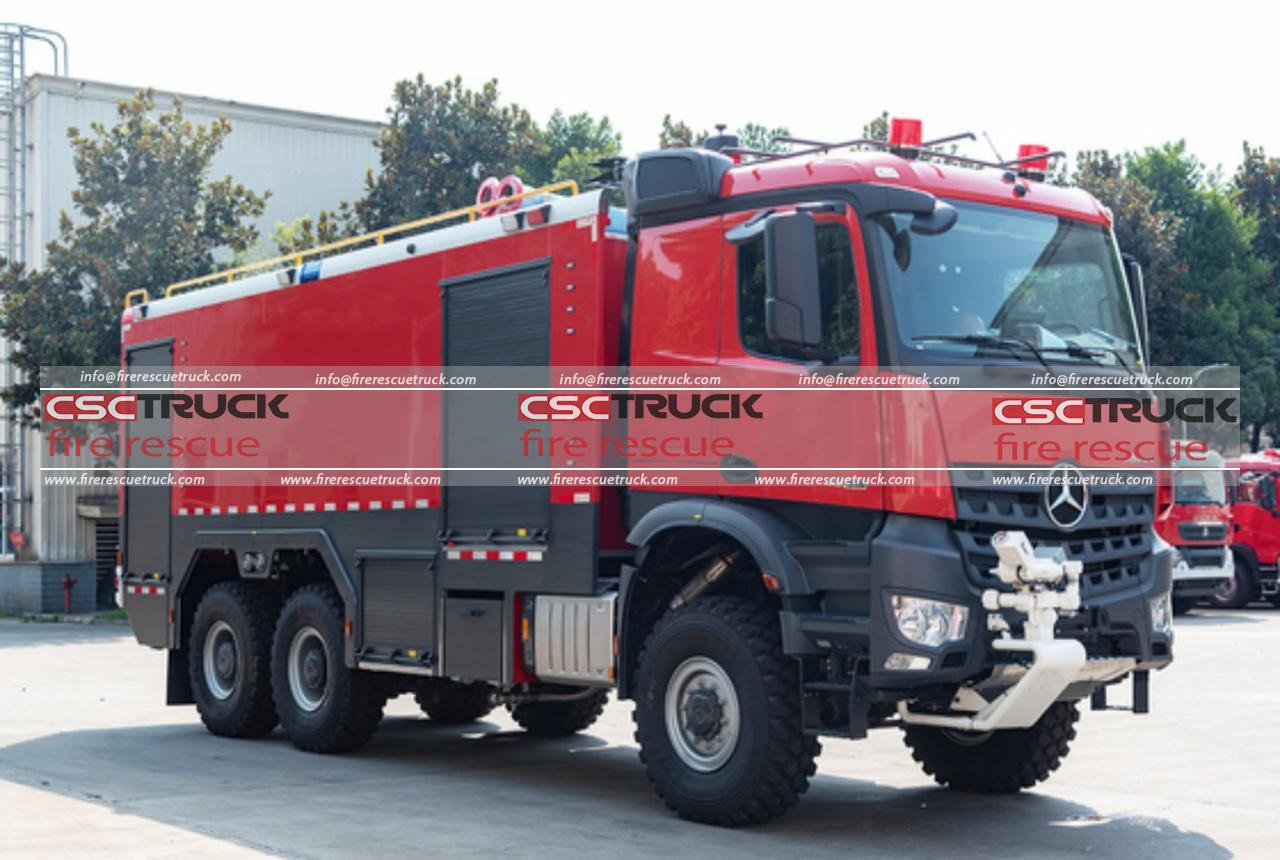
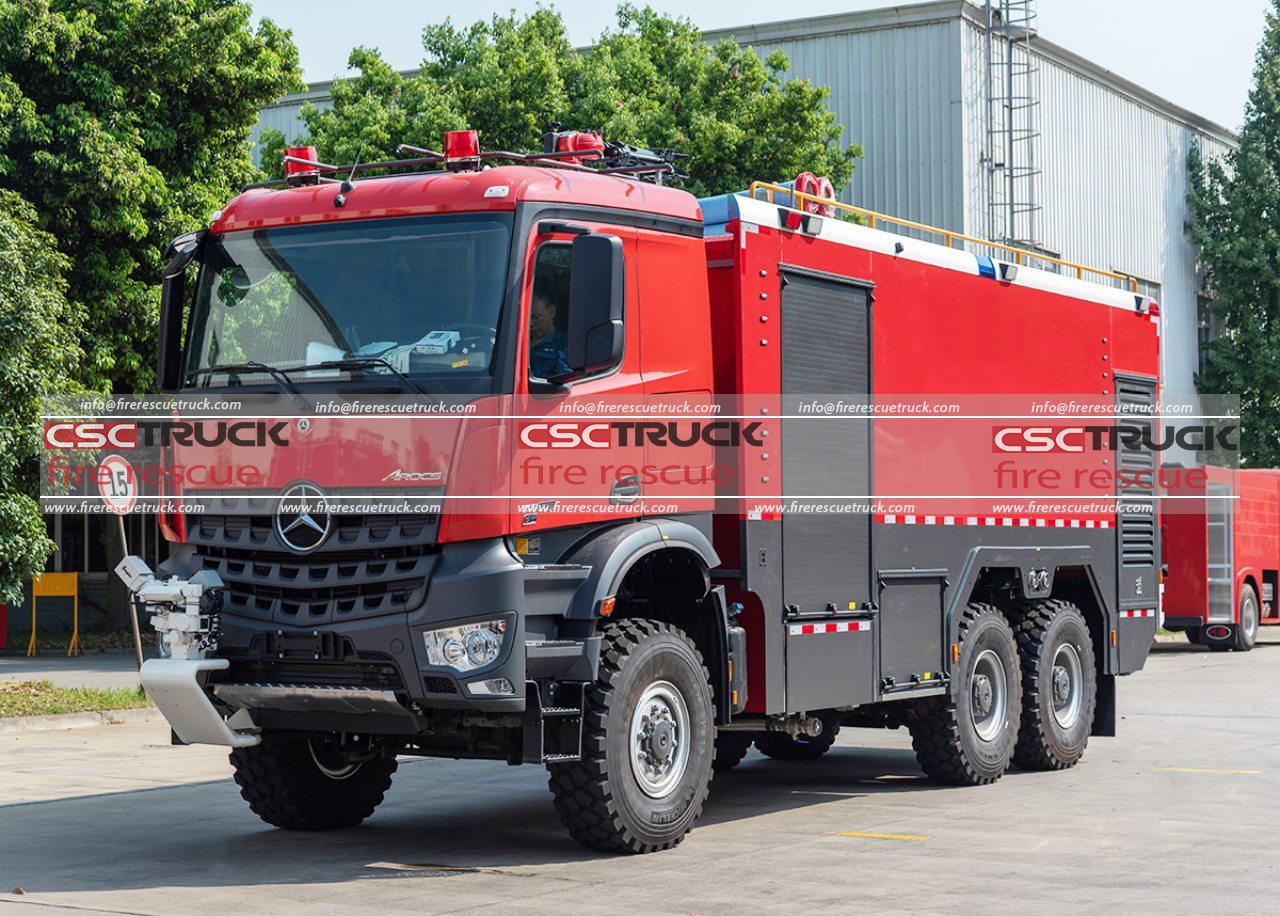
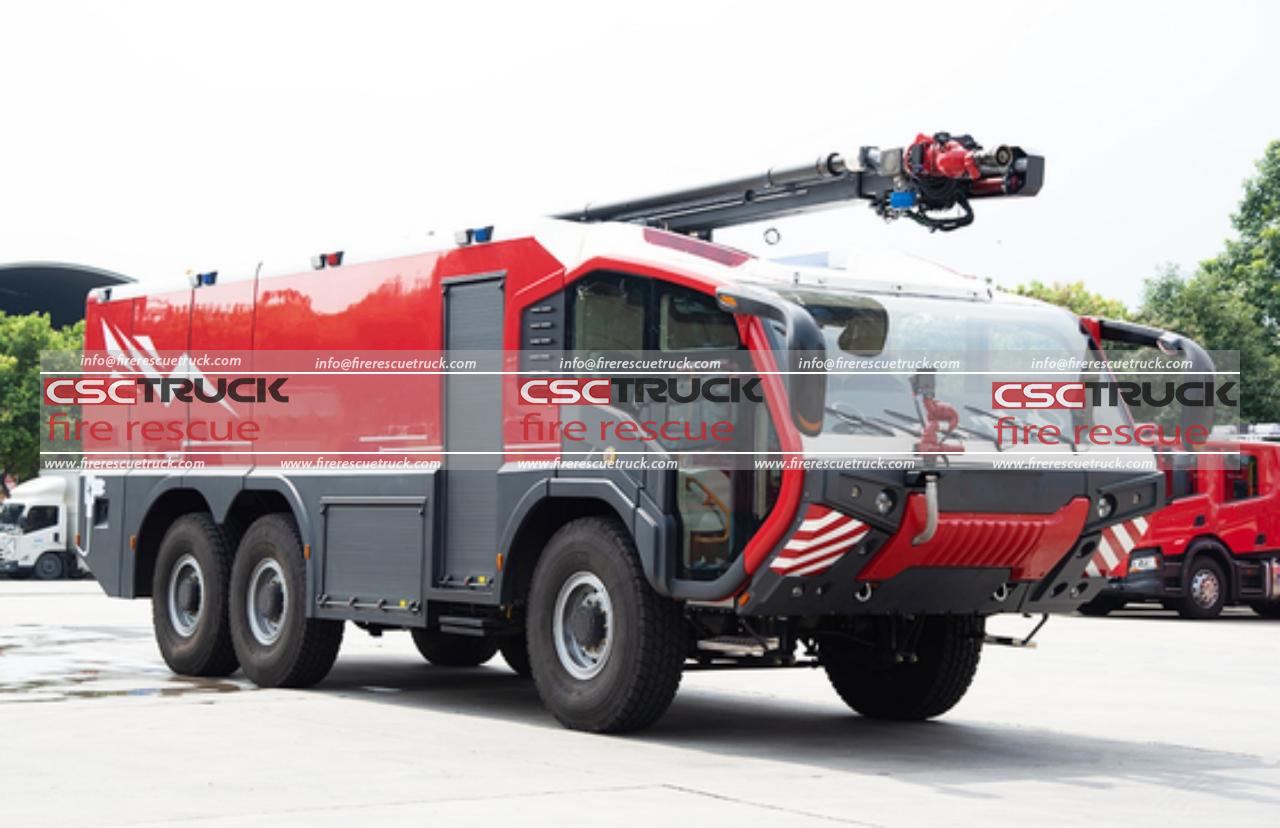
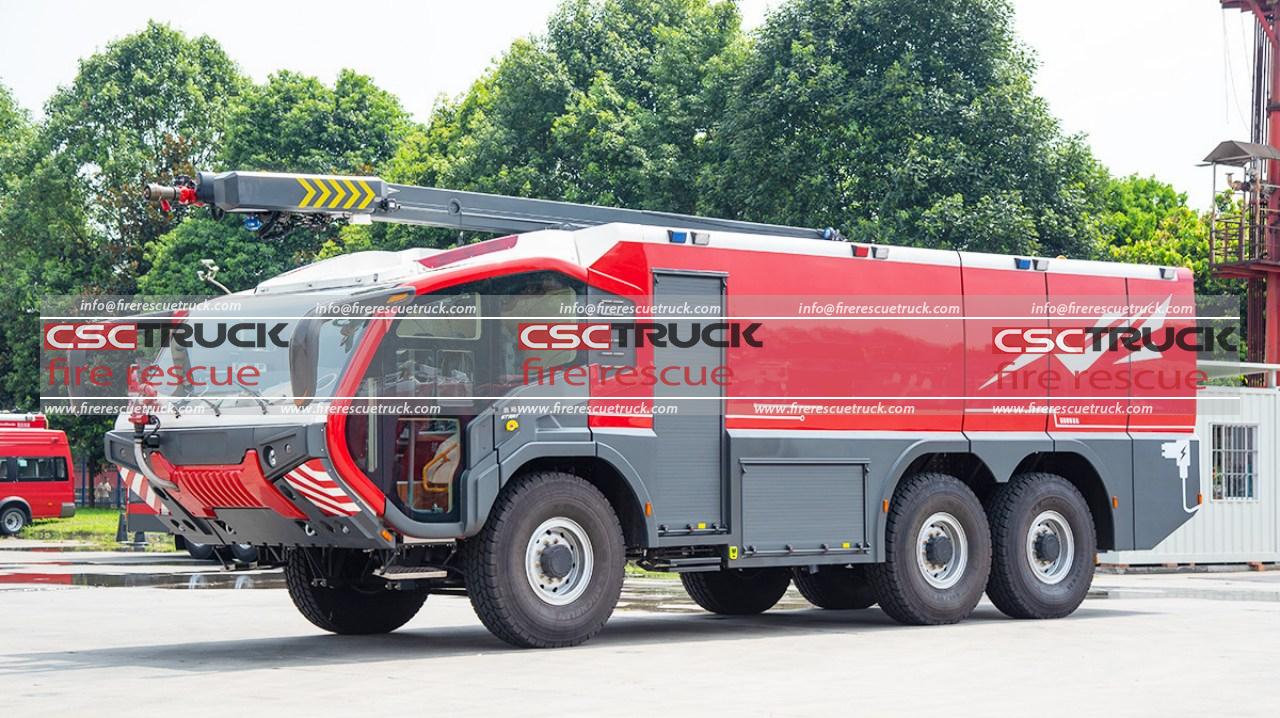
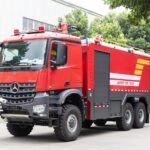
In the high-stakes environment of airport operations, every second counts when it comes to fire and rescue response. Aircraft Rescue and Fire Fighting (ARFF) trucks play a critical role in protecting passengers, crew, and infrastructure from the consequences of aviation incidents. A modern example of these vehicles is the CSCTRUCK Fire Rescue Truck, renowned for its cutting-edge technology, reliability, and performance in challenging scenarios. To ensure ARFF teams can fully leverage their capabilities, understanding practical use, routine procedures, and operational best practices is essential.
Introduction to CSCTRUCK Fire Rescue Truck
CSCTRUCK Fire Rescue Truck, a leading manufacturer of specialized fire trucks, has designed its Fire Rescue Truck series with airport safety in mind. These vehicles combine high-capacity foam and water systems, powerful pump units, rapid deployment monitors, and off-road capabilities to meet the unique demands of airport emergencies. Their modular design allows teams to customize the truck’s configuration to specific airport sizes and requirements, making them adaptable to both large international hubs and smaller regional airports. Beyond hardware, CSCTRUCK Fire Rescue Truck emphasizes ergonomics and intuitive controls, helping crews operate efficiently even under intense pressure.
With advanced telemetry and monitoring systems, the CSCTRUCK Fire Rescue Truck enables teams to assess firefighting performance in real-time. This integration ensures accurate delivery of extinguishing agents, better vehicle management, and safer operations near aircraft and fuel hazards. Understanding these features is the first step toward maximizing operational efficiency in real-world scenarios.
Pre-Deployment Checks: Safety and Readiness
Before responding to any incident, airport safety teams must perform pre-deployment checks to ensure the ARFF truck is ready for immediate action. Key steps include:
Fuel and Power Systems: Confirm that the engine fuel levels, battery charge, and auxiliary power systems are fully operational. ARFF trucks often require high power for pumps and hydraulic systems; ensuring readiness prevents delays during critical moments.
Extinguishing Agent Levels: Verify water, foam, and dry chemical levels. CSCTRUCK Fire Rescue Truck typically features multiple agent tanks, each with sensors to monitor capacity. Maintaining full or near-full loads is crucial for sustained firefighting operations.
Pump and Monitor Testing: Conduct functional tests of the pump system and water/foam monitors. This ensures that no blockages or mechanical issues will compromise firefighting capabilities during deployment.
Vehicle Inspection: Examine tires, lights, and warning systems. ARFF trucks often operate at high speeds on airport tarmacs; ensuring mechanical integrity is critical for both safety and performance.
Communication Equipment: Check radios, intercoms, and GPS tracking systems. Clear communication between the driver, pump operator, and incident command team is vital for coordinated operations.
Driving and Positioning for Maximum Effectiveness
Efficient deployment is not just about speed; it’s about positioning the vehicle for optimal firefighting impact. Key considerations include:
Access and Approach: Position the ARFF truck upwind and uphill from the fire when possible. This reduces exposure to smoke and heat, protecting both the crew and vehicle.
Distance Management: Maintain a safe standoff distance from the aircraft while allowing the truck’s monitors to reach flames effectively. CSCTRUCK Fire Rescue Truck‘s trucks are equipped with high-reach nozzles that can extend the range of extinguishing agents, allowing crews to operate safely from a distance.
Angle of Attack: Adjust water and foam monitors to maximize coverage of fire-prone areas, focusing on fuel spills, engine compartments, and fuselage sections that present the highest risk.
Obstacle Awareness: Airports have dynamic environments, including ground support equipment and passenger vehicles. Operators must navigate around obstacles without compromising speed or vehicle stability.
Efficient Use of Extinguishing Agents
The correct application of firefighting agents is crucial for suppressing fires quickly and minimizing damage. CSCTRUCK Fire Rescue Truck trucks feature advanced control systems that allow precise management of water, foam, and dry chemical discharge. Practical instructions include:
Foam Application: Use foam to blanket fuel spills and prevent re-ignition. CSCTRUCK Fire Rescue Truck trucks can proportion foam accurately based on the fuel type, ensuring optimal suppression.
Sequential Agent Use: Begin with a rapid-attack water or foam stream to cool flames, then follow with foam or dry chemical to extinguish lingering hotspots. This staged approach conserves resources and reduces the likelihood of fire flare-ups.
Targeted Nozzle Operation: Operators should avoid blanket spraying and instead direct extinguishing agents toward the fire’s most critical areas. Monitors equipped with remote controls allow the crew to adjust flow rates and spray patterns without leaving the cabin, enhancing safety and efficiency.
Agent Conservation: Monitor tank levels continuously to prevent running out mid-operation. CSCTRUCK Fire Rescue Truck trucks provide real-time feedback on remaining quantities, enabling crews to manage consumption effectively.
Crew Coordination and Task Delegation
ARFF efficiency depends on seamless teamwork. Proper delegation and communication among the driver, pump operator, and support personnel can significantly improve response times:
Driver Responsibilities: Focus on safe and rapid navigation to the incident site, positioning the truck effectively, and avoiding hazards.
Pump Operator Duties: Control agent flow, adjust pressure, and coordinate monitor operation. Real-time telemetry from CSCTRUCK Fire Rescue Truck systems supports precise decision-making.
Safety Officer Role: Monitor environmental conditions, crew safety, and proximity to hazards. This person ensures that operations adhere to airport safety protocols.
Training exercises and drills are essential for instilling muscle memory, enabling crews to operate efficiently under high-pressure conditions.
Maintenance for Sustained Performance
Maximizing ARFF truck efficiency is not limited to operation; maintenance plays a vital role:
Regular System Checks: Inspect pumps, monitors, and agent tanks regularly for leaks, blockages, or mechanical wear.
Scheduled Engine Servicing: Ensure the engine, transmission, and drive systems are maintained according to manufacturer guidelines. CSCTRUCK Fire Rescue Truck trucks are designed for heavy-duty use, but proactive maintenance prevents unexpected failures.
Calibration of Monitors and Sensors: Regular calibration ensures accuracy in agent delivery and operational telemetry, supporting both safety and effectiveness.
Documentation and Reporting: Maintain logs of inspections, incidents, and repairs. This supports accountability and helps identify recurring issues that could affect efficiency.
Leveraging Technology for Decision Support
Modern ARFF trucks, including those from CSCTRUCK Fire Rescue Truck, integrate advanced technology to support decision-making:
Real-Time Fire Modeling: Some systems can predict fire spread and recommend optimal agent application.
Telemetry and Monitoring: Crew members receive live feedback on vehicle performance, agent levels, and environmental conditions.
Automated Nozzle Control: Remote or pre-programmed nozzle positions allow consistent and precise agent application, reducing human error.
Data Analytics: Post-incident analysis helps refine procedures, optimize agent usage, and improve crew performance for future responses.
Training and Continuous Improvement
Efficiency is not static. Continuous training ensures that ARFF teams maximize the potential of their vehicles:
Simulation Drills: Use realistic fire scenarios to practice rapid deployment, coordinated nozzle operation, and team communication.
Scenario Variability: Train for a wide range of situations, including aircraft fires, fuel spills, and runway incidents under different weather conditions.
Debriefing Sessions: Review each drill or real incident to identify strengths and areas for improvement.
Refresher Courses: Regularly update crews on new features and best practices associated with CSCTRUCK Fire Rescue Truck.
Conclusion
Maximizing the efficiency of ARFF trucks is a multidimensional effort encompassing vehicle readiness, strategic deployment, precise agent application, crew coordination, and continuous maintenance. CSCTRUCK Fire Rescue Truck exemplifies the modern capabilities that airport safety teams can leverage to enhance their response. By following practical instructions—from pre-deployment checks to leveraging technology and rigorous training—airport rescue teams can ensure rapid, effective, and safe fire suppression during critical incidents. In the high-stakes environment of aviation emergencies, these measures translate directly to saved lives, minimized damage, and safer airport operations.