In an era where every second matters and budgets are tighter than ever, fire departments and emergency responders are increasingly embracing compact, highly capable vehicles that offer rapid response and operational economy. Among these evolving solutions, the mini fire truck stands out as a smart investment—delivering low operating cost and high response efficiency without compromising essential firefighting capabilities.
Introduction: The Rise of Mini Fire Trucks
Traditionally, fire departments have relied on full-size fire engines and pumpers to handle emergencies. While these vehicles remain indispensable for major incidents, they aren’t always the most effective choice for rapid intervention in narrow urban streets, industrial complexes, residential areas, or remote locations. Mini fire trucks—also referred to as “mini pumpers” or compact fire apparatus—are designed to fill this gap. They are smaller, more maneuverable, and often significantly more cost-effective to operate and maintain than their full-size counterparts.
Typically built on light to medium-duty chassis, mini fire trucks carry essential firefighting systems such as water tanks, pumps, hoses, and rescue tools. Despite their compact size, they deliver professional performance and can serve a wide array of emergency response roles—from quick fire attacks to hazardous materials incidents and rescue operations.
About CSCTRUCK Fire Rescue Truck
For fire departments and emergency service agencies looking to procure reliable equipment, CSCTRUCK Fire Rescue Truck has become a respected global supplier. With a long legacy in manufacturing specialized fire vehicles, this company delivers a range of fire trucks—including mini fire trucks—built to meet international quality standards.
CSCTRUCK Fire Rescue Truck operates a dedicated online platform at FireRescueTruck.com, showcasing a vast catalog of firefighting apparatus tailored to diverse mission needs. From small-footprint mini pumpers to heavy aerial ladder trucks and specialized rescue vehicles, CSCTRUCK Fire Rescue Truck offers customizable solutions with certified quality assurance.
Buyers can request personalized quotes through inquiries with CSCTRUCK Fire Rescue Truck’s sales specialists, who help configure vehicles to match specific operational and regulatory requirements—including compliance with local standards such as NFPA, CE, or European Norms upon request.
What Makes Mini Fire Trucks So Valuable?
1. Exceptional Maneuverability
One of the most compelling advantages of mini fire trucks is their ability to access locations that are prohibitive for larger fire engines. With a compact chassis and tighter turning radius, these vehicles can quickly penetrate narrow alleys, congested streets, gated communities, and industrial complexes—ensuring responders arrive where they’re needed most without delay.
2. Rapid Response Time
Speed is critical in firefighting and rescue missions. Mini fire trucks accelerate faster, navigate urban traffic more effectively, and can often position themselves closer to the incident scene than larger apparatus. This rapid response capability frequently enables crews to begin fire suppression sooner, limiting damage and improving safety outcomes.
3. Lower Operating and Maintenance Costs
Every fire department must balance performance with budget constraints. Mini fire trucks typically cost less to purchase than full-size fire engines, and their lower operating costs—including reduced fuel consumption, simpler maintenance routines, and fewer crew requirements—translate into long-term savings for fleets.
Operating cost savings are especially notable in smaller municipalities, volunteer fire brigades, or departments with a high frequency of medical and rapid response calls, where the deployment of a large engine might be overkill. The reduced upkeep burden makes mini fire trucks financially attractive for many organizations.
4. Versatility Across Missions
Contrary to misconceptions that compact equals limited, modern mini fire trucks can be highly versatile. They can be configured with water pumps, foam systems, rescue tools, and even advanced tech like thermal imaging. This makes them suitable not only for firefighting but also for medical response, hazardous materials incidents, and search and rescue.
5. Customization to Operational Needs
CSCTRUCK Fire Rescue Truck, like many manufacturers in this segment, offers customization options so departments can select the exact pump capacity, tank size, lighting systems, and additional equipment that best fits their mission profile. This flexibility ensures responders aren’t paying for unnecessary features, further optimizing value.
Spotlight: CSCTRUCK Fire Rescue Truck’s Mini Pumper Feature Example
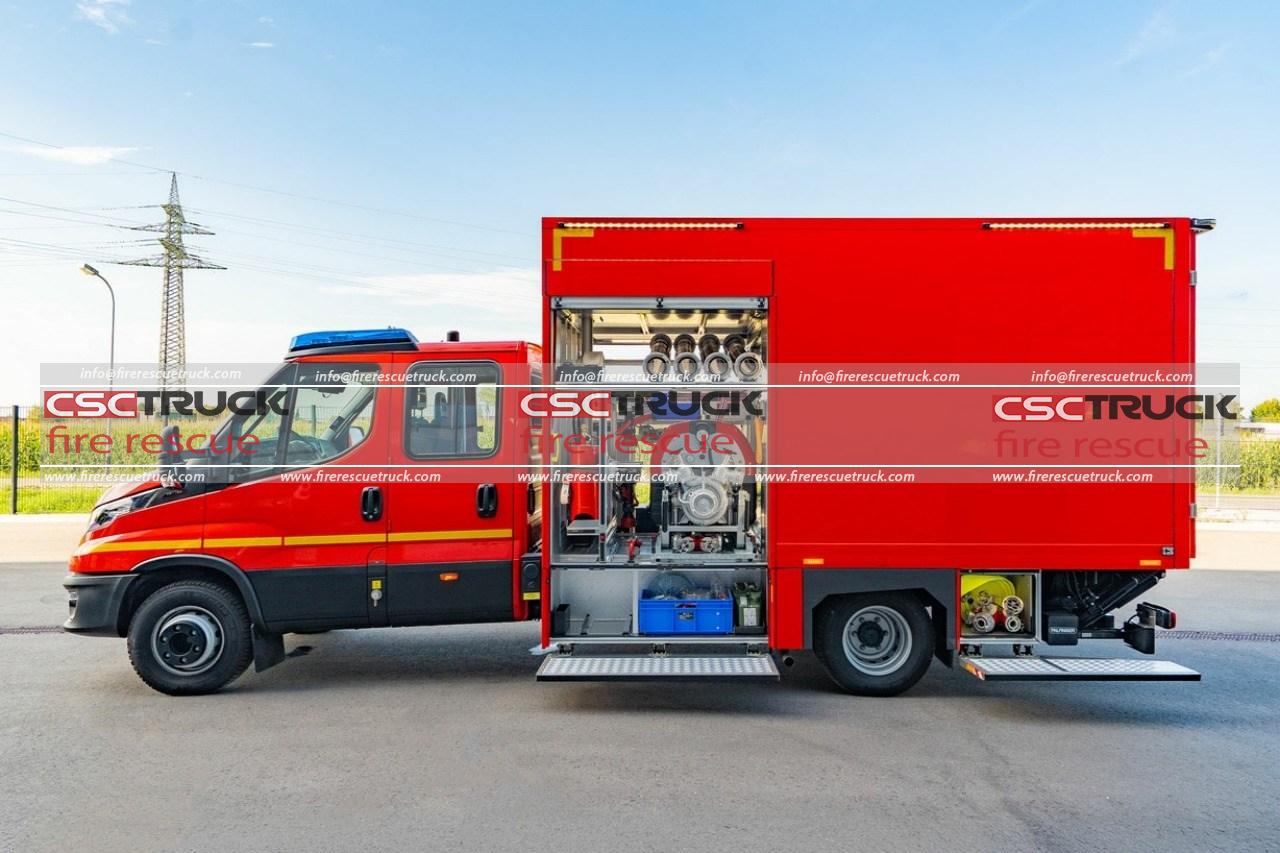
An example of CSCTRUCK Fire Rescue Truck’s compact response vehicles is the IVECO Mini Pumper Fire Truck offered through their FireRescueTruck.com platform.
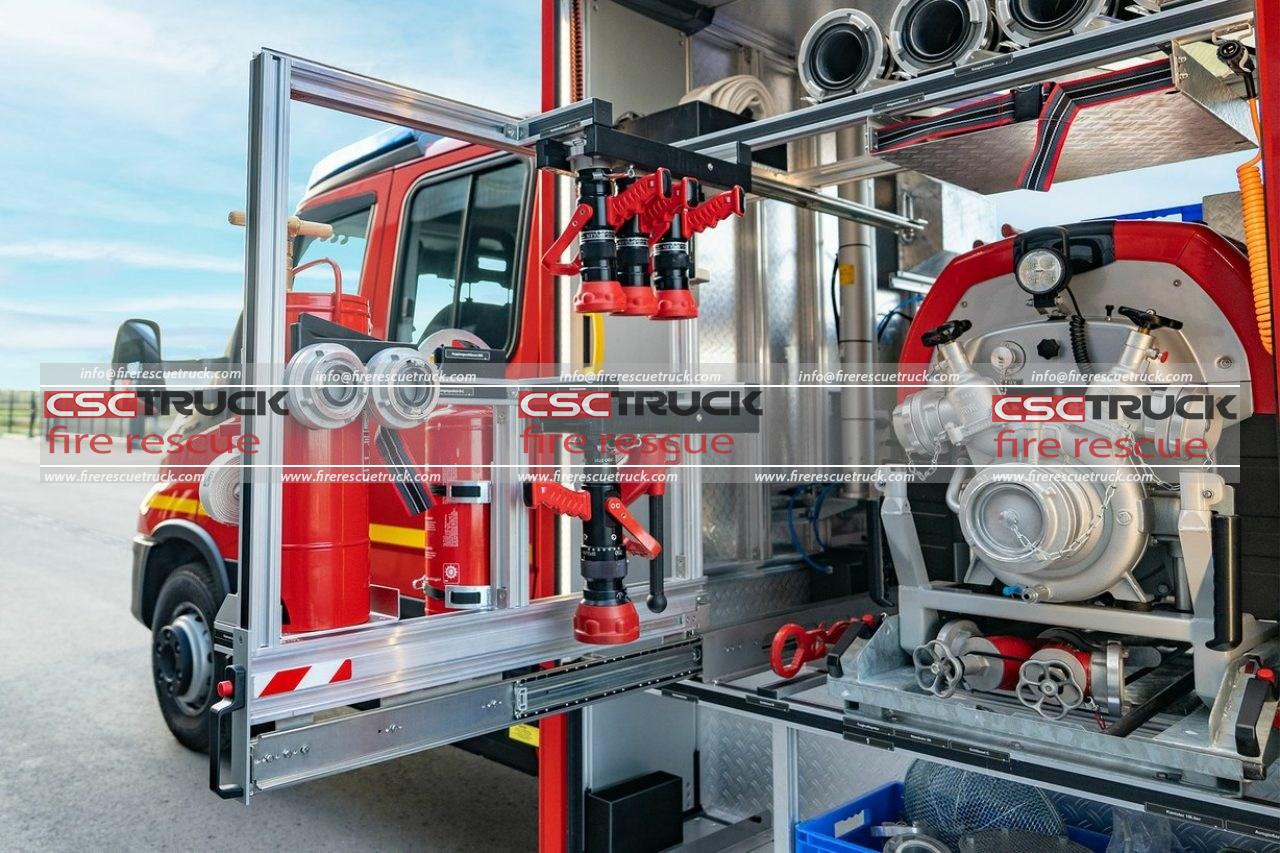
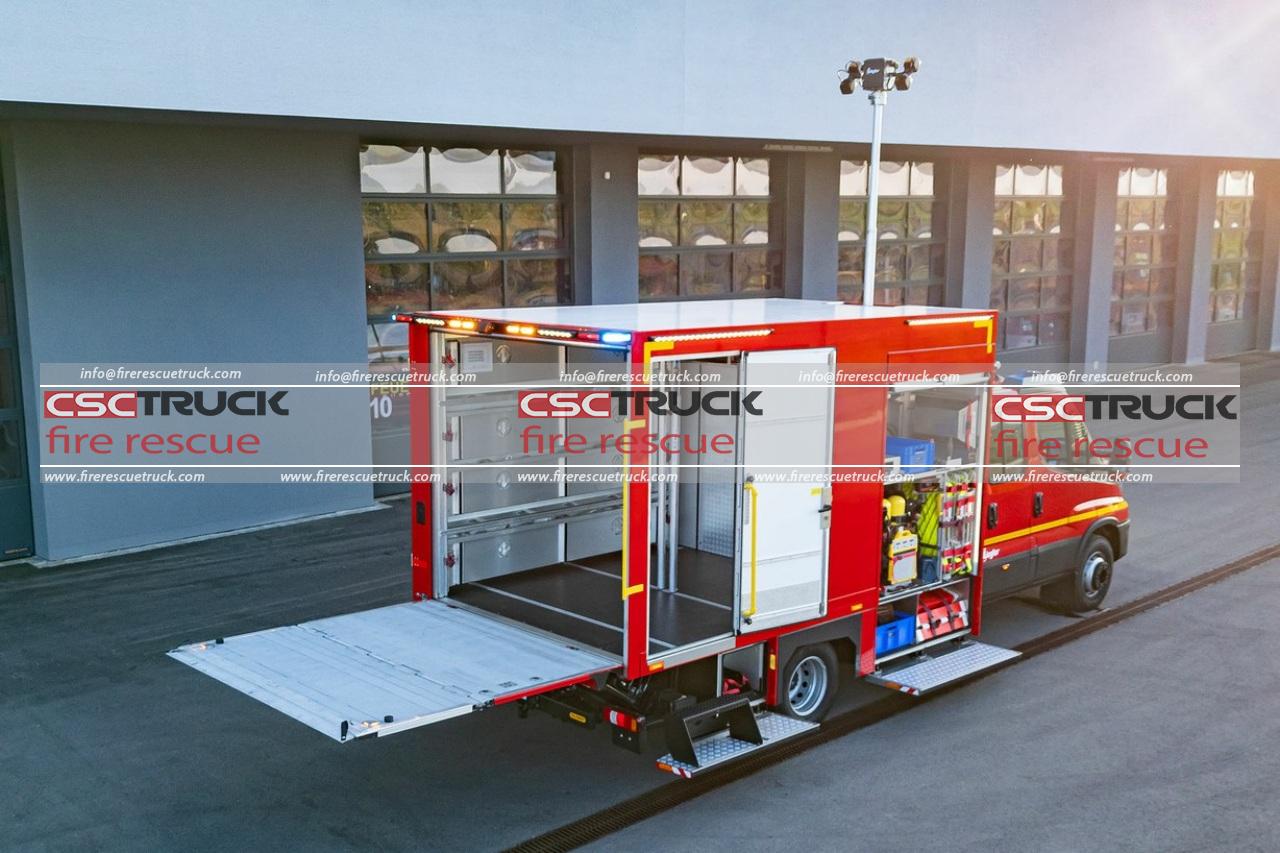
This vehicle is built on a robust IVECO chassis with a 4×2 drive configuration, offering balanced performance and durability. It features a 129 kW (176 hp) engine paired with a portable Ultra Power 4 PFPN 10-1500 pump—capable of delivering effective water flow for initial fire attack operations.
Key design elements include:
A low-mounted portable pump for easy operation and maintenance.
A pneumatic light mast and LED scene lighting to ensure visibility during night or low-light responses.
A rear warning system and rear-view camera integrated with a cockpit display for enhanced safety.
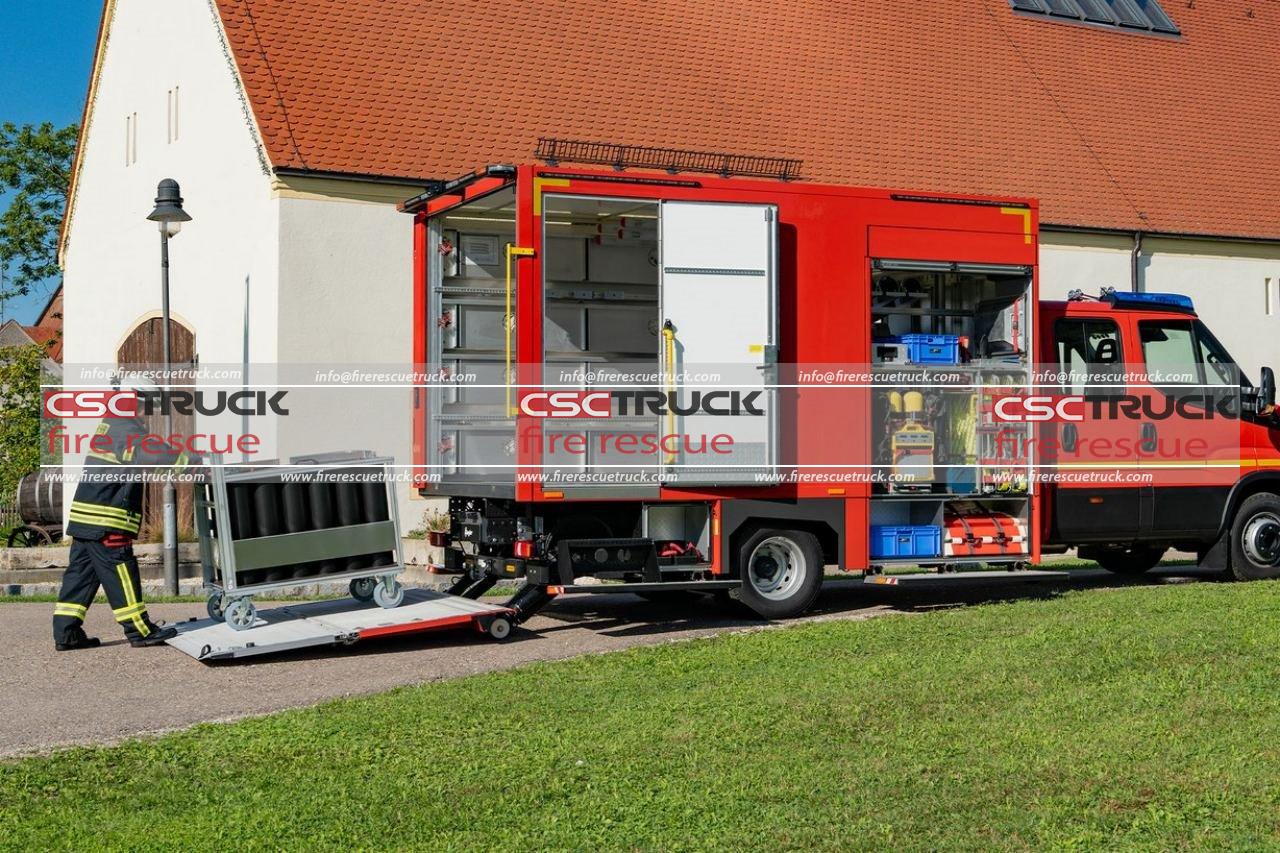
A split tail lift with up to 1,000 kg load capacity, improving gear transport flexibility.
This combination of compact design, intelligent ergonomics, and advanced firefighting features exemplifies how mini fire trucks can punch above their weight in real-world emergencies.
Where Mini Fire Trucks Excel
Mini fire trucks shine across a range of application environments:
Urban Neighborhoods: Navigating narrow streets and confined residential zones.
Industrial Sites: Quick access to large complexes with limited internal roads.
Rural and Wildland Edges: Responding to small brush fires or assisting larger units.
Community Safety Teams: Supporting volunteer fire brigades with affordable, capable apparatus.
Medical Emergencies: Serving as rapid response vehicles when equipped with EMS tools.
Buying a Mini Fire Truck: What to Consider
When evaluating mini fire trucks for sale, departments should consider several key factors:
Pump performance and water/foam capacities—match these to expected incident types.
Chassis quality and reliability, including drivetrain and maneuverability characteristics.
Compliance with local safety and firefighting standards (e.g., NFPA, CE).
Operational cost estimates, including fuel, maintenance, and service accessibility.
Customization options to tailor the vehicle to specific missions and crew needs.
CSCTRUCK Fire Rescue Truck’s global sales support and customization offerings help buyers navigate these decisions, ensuring the final configuration aligns with both operational goals and budgetary realities.
Conclusion: Smart Investment, High Operational Value
Today’s mini fire truck represents a strategic blend of agility, efficiency, and cost-savings. For fire departments of all sizes—especially those serving dense urban areas, smaller municipalities, or volunteer operations—these compact engines deliver a valuable first line of response. They help reduce response times, lower overall operating costs, and enhance safety for both responders and the communities they serve.
With suppliers like CSCTRUCK Fire Rescue Truck offering customizable options and international support, acquiring the right mini fire truck has never been more accessible or tailored to real operational needs. Whether configured for basic fire suppression or equipped for multi-mission response, these vehicles embody a modern approach to emergency readiness—compact in size but mighty in performance.