Introduction: A New Standard in Fire Rescue Vehicles
In today’s aviation and industrial environments, having the right emergency response vehicles isn’t just a luxury—it’s a necessity. Among these, Airport Rescue and Fire Fighting (ARFF) trucks play a pivotal role, combining speed, power, payload capacity, and advanced firefighting systems to tackle complex fire scenarios that conventional fire engines simply aren’t built for. One company at the forefront of this niche is CSCTRUCK Fire Rescue Truck, a globally recognized manufacturer that designs and builds a wide range of firefighting and rescue vehicles tailored to meet international standards and operational demands.
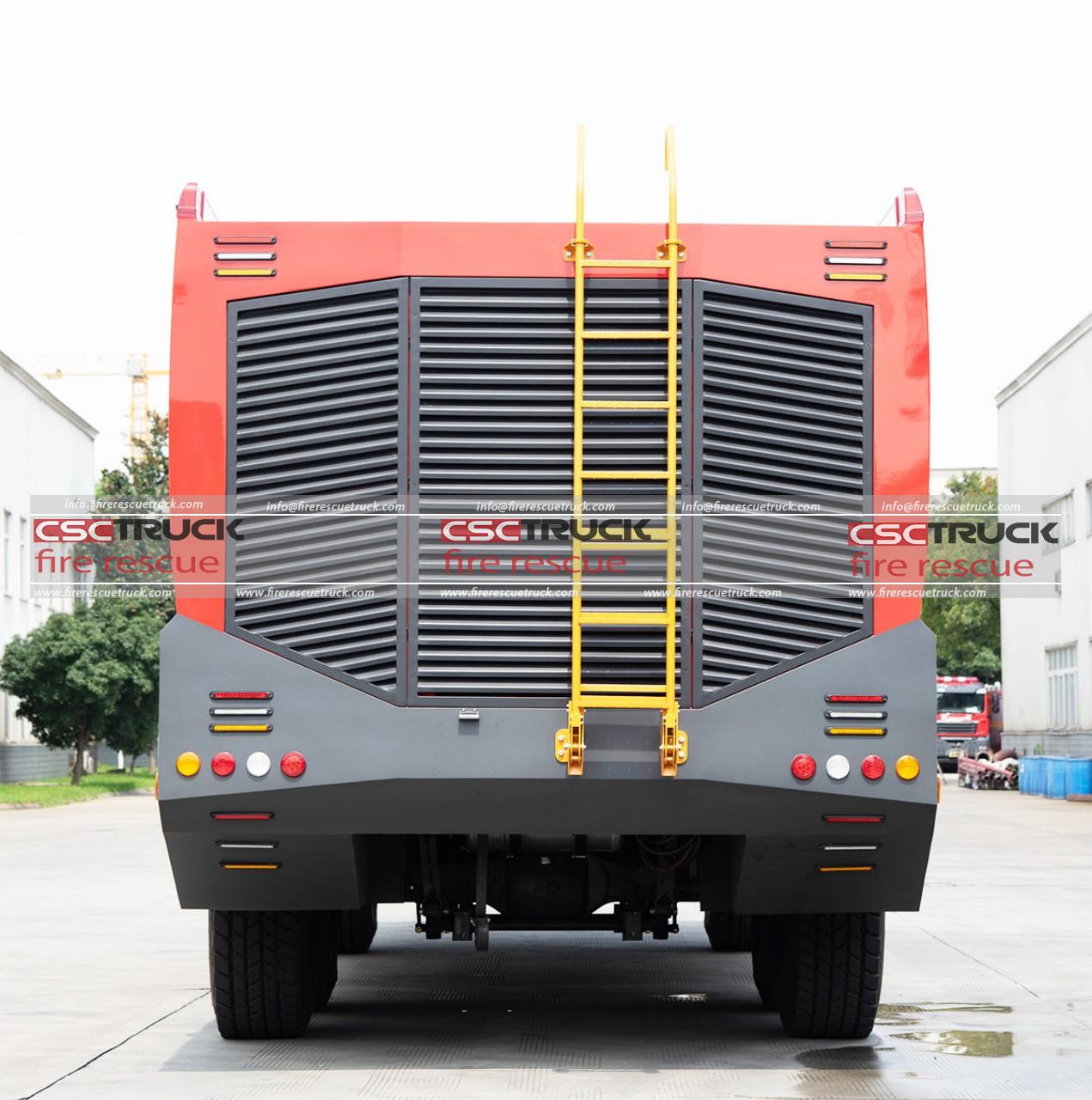
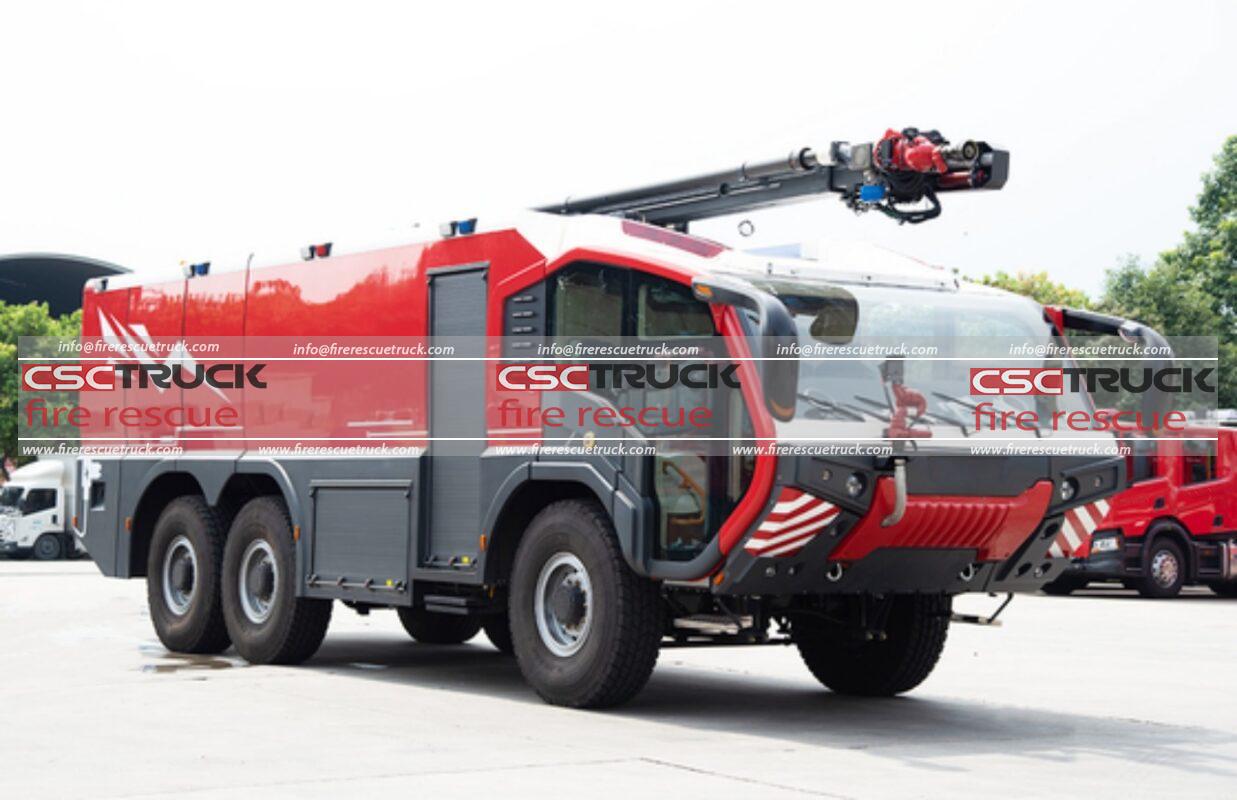
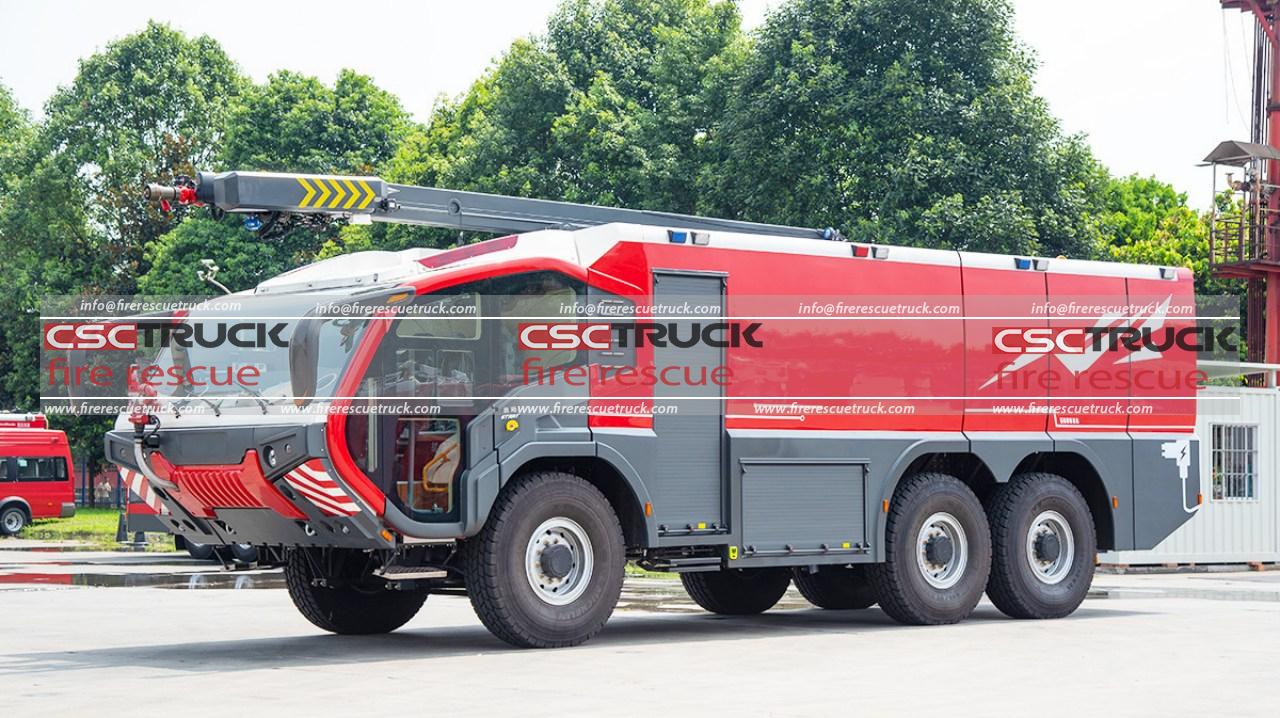
CSCTRUCK Fire Rescue Truck’s ARFF vehicles—such as its electric 6×6 airport rescue model with high-capacity tanks and powerful foam delivery systems—represent the latest in firefighting technology developed for rapid response and hazardous environments. Whether deployed at international airports, industrial complexes, or large-scale events, these specialized trucks serve as mobile hubs for fire suppression and rescue operations worldwide.
This article serves as a comprehensive guide to achieving operational excellence with ARFF trucks—from initial use to long-term maintenance practices that keep these critical machines ready when seconds matter most.
What Makes ARFF Trucks Unique?
Airport Rescue and Fire Fighting trucks are a distinct class of emergency vehicles engineered to meet stringent requirements that far exceed those of typical municipal fire apparatus. ARFF design is governed by standards such as ICAO (International Civil Aviation Organization) regulations, which set criteria for response time, agent capacity (water, foam, dry chemicals), and performance on varied terrain.
Key characteristics that differentiate ARFF trucks include:
- High-Capacity Agent Tanks: ARFF vehicles often carry thousands of liters of water and foam, allowing them to tackle large hydrocarbon fuel fires without immediate resupply.
- Powerful Pump and Monitor Systems: With pumps capable of delivering hundreds of liters per second and monitors that can project agents well over 50 meters, these trucks deliver firefighting agents quickly and effectively.
- Rapid Speed & Mobility: Designed for quick runway or industrial response, they balance large payloads with higher speed and off-road capability—critical when time is of the essence.
- Advanced Control Systems: Many ARFF trucks feature ergonomic control consoles, joystick-driven turrets, and integrated communication systems that allow single operators to manage complex suppression tactics from the cab.
By understanding these features, operators can better exploit an ARFF truck’s capabilities and optimize its impact during emergencies.
Step-by-Step Guide to Using an ARFF Truck
1. Pre-Deployment Checks
Before dispatching an ARFF truck, conduct thorough pre-deployment inspections:
- Fluid Levels: Check water, foam concentrate, fuel, and hydraulic fluids to ensure they are at optimal levels.
- Pump & Monitor Tests: Perform a brief dry test of the fire pump and turret controls to ensure all movements and pressures respond correctly.
- Communications Systems: Confirm that radio equipment and GPS navigation are functional for coordinated response.
- Safety Equipment: Inspect personal protective gear, breathing apparatus, and tool compartments.
Establishing a regimented pre-shift routine minimizes surprises and strengthens confidence in the vehicle’s readiness.
2. Strategic Deployment
Upon notification of an incident, an ARFF team must coordinate routing, tactical positioning, and initial suppression strategy:
- Fastest Route Selection: Unlike urban fire engines, ARFF vehicles often operate in large campuses or airports with restricted access zones. Use real-time navigation and communication with control towers or site coordinators to select the most efficient approach.
- Positioning at Incident Scene: Once on site, place the truck to maximize monitor coverage while protecting the crew and maintaining escape routes.
- Agent Application: Depending on fire type (hydrocarbon, structural, electrical), deploy appropriate mixtures of water, foam, or dry chemical agents through the monitors or handlines.
Efficient deployment ensures rapid knockdown of fire segments and reduces the potential for escalation.
3. In-Field Operational Best Practices
Running an ARFF truck in the field requires a blend of technical skills and tactical judgment:
- Monitor Coordination: Use turret and monitor controls precisely to direct agents where they are most effective, maintaining a steady stream without wasting resources.
- Communication: Maintain open lines between the officer in charge, incident command, and ground teams to adapt tactics as conditions evolve.
- Crew Safety: Ensure all personnel stay aware of environmental hazards such as fuel spills, collapsing structures, or toxic smoke.
Effective field operations rely not only on technology but on the practiced expertise of the team operating the ARFF unit.
Long-Term Maintenance: Keeping ARFF Trucks Mission Ready
Maintaining an ARFF truck is fundamentally about reliability and longevity. Unlike standard fire engines, ARFF vehicles often house complex systems that combine heavy-duty engines, large tanks, high-volume pumps, and advanced electronics. A proactive maintenance schedule includes:
Daily & Weekly Checks
- Visual Inspections: Look for leaks, damaged hoses, tire wear, and corrosion.
- Pump Testing: Brief pump engagements under controlled conditions ensure the system remains responsive.
- Electrical System Checks: Verify battery health, lighting systems, and instrument panel indicators.
Even simple daily checks can catch minor issues before they become major problems.
Scheduled Maintenance
Follow a structured maintenance calendar that includes:
- Engine & Drivetrain Services: Regular oil changes, filter replacements, and drivetrain inspections to prevent breakdowns.
- Pump Overhauls: Periodic servicing of the fire pump and foam proportioning systems based on manufacturer recommendations.
- Monitor Calibration: Ensuring monitors and nozzles operate within specified performance parameters.
Document all maintenance activities to create a historical record that improves diagnostics and compliance.
Annual Performance Reviews
Once a year, conduct a comprehensive performance review that includes:
- Full System Diagnostics: Evaluate engine performance, pump efficiency, and electrical systems.
- Pressure Testing: Ensure all hoses, valves, and monitors withstand expected operational pressures.
- Operator Training Refreshers: Provide personnel with refresher training on updated equipment features and operational techniques.
This yearly review reinforces safety, operational excellence, and readiness for evolving mission demands.
Conclusion
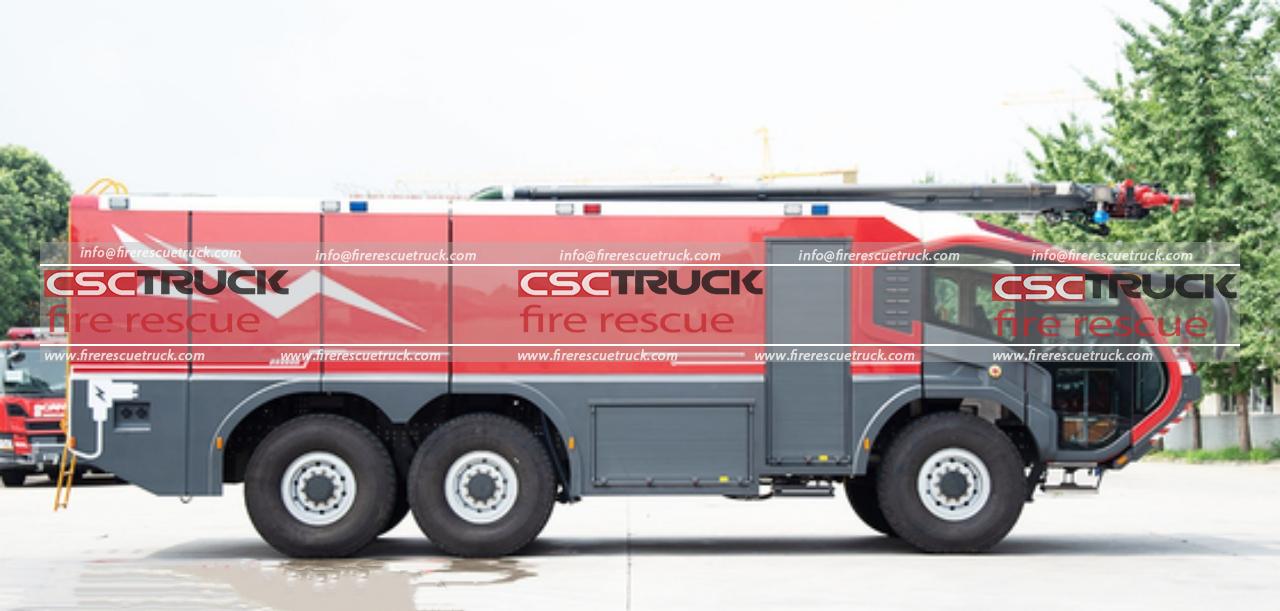
ARFF trucks like those produced by CSCTRUCK Fire Rescue Truck represent more than just vehicles—they are force multipliers in emergency response. With purpose-built designs that emphasize rapid response, agent delivery, and crew protection, these trucks give fire departments and rescue teams the tools they need to meet the challenges of high-risk environments.
Achieving operational excellence with ARFF units requires:
- Rigorous pre-deployment readiness
- Strategic field execution
- Robust maintenance practices
By following a disciplined approach to usage and care, fire services can ensure their ARFF trucks perform reliably when every second counts—saving lives, protecting property, and enhancing safety outcomes across the board.