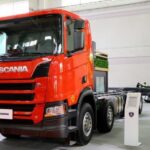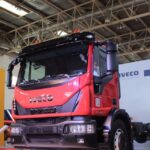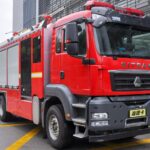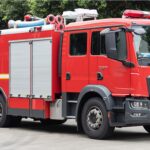

In the realm of modern firefighting, water fire trucks play an indispensable role as the frontline force in controlling and extinguishing fires. Designed with high-power pumping systems, large-capacity water tanks, and advanced firefighting equipment, these vehicles are engineered for rapid response and efficient fire suppression in urban, rural, and industrial environments. The high-power water tanker fire truck combines performance, reliability, and speed to ensure firefighters can effectively combat emergencies under the most demanding conditions.
1. Overview of the Water Fire Truck
A water fire truck (also known as a water tanker or water pumper) is a specialized firefighting vehicle primarily equipped to deliver water for extinguishing fires. It is one of the most common types of fire trucks used by fire departments worldwide due to its versatility and reliability. The truck carries a large volume of water and includes a powerful fire pump that can project water at high pressure through hoses, nozzles, and cannons to reach fires from a safe distance.
Unlike foam or dry powder fire trucks that are specialized for chemical or industrial fires, water fire trucks are best suited for ordinary combustibles—such as wood, paper, and textiles—making them essential in residential, municipal, and forest firefighting operations. Many modern units are also fitted with auxiliary foam systems, extending their ability to handle mixed fire scenarios.

2. Key Components and Structure
The efficiency and capability of a high-power water fire truck stem from its robust design and integrated systems. The main components include:
a. Chassis and Powertrain
The foundation of any water fire truck is its heavy-duty chassis, typically sourced from leading commercial truck manufacturers like MAN, Scania, ISUZU, HOWO, or Mercedes-Benz. The chassis is designed to handle heavy loads while maintaining stability, even on uneven or off-road terrain.
Most modern models feature 4×2, 4×4, or 6×4 drive configurations, ensuring superior traction and maneuverability during emergency response. Engine outputs often range between 200–400 kW, providing the power needed to transport large quantities of water and operate high-capacity pumps simultaneously.
b. Water Tank
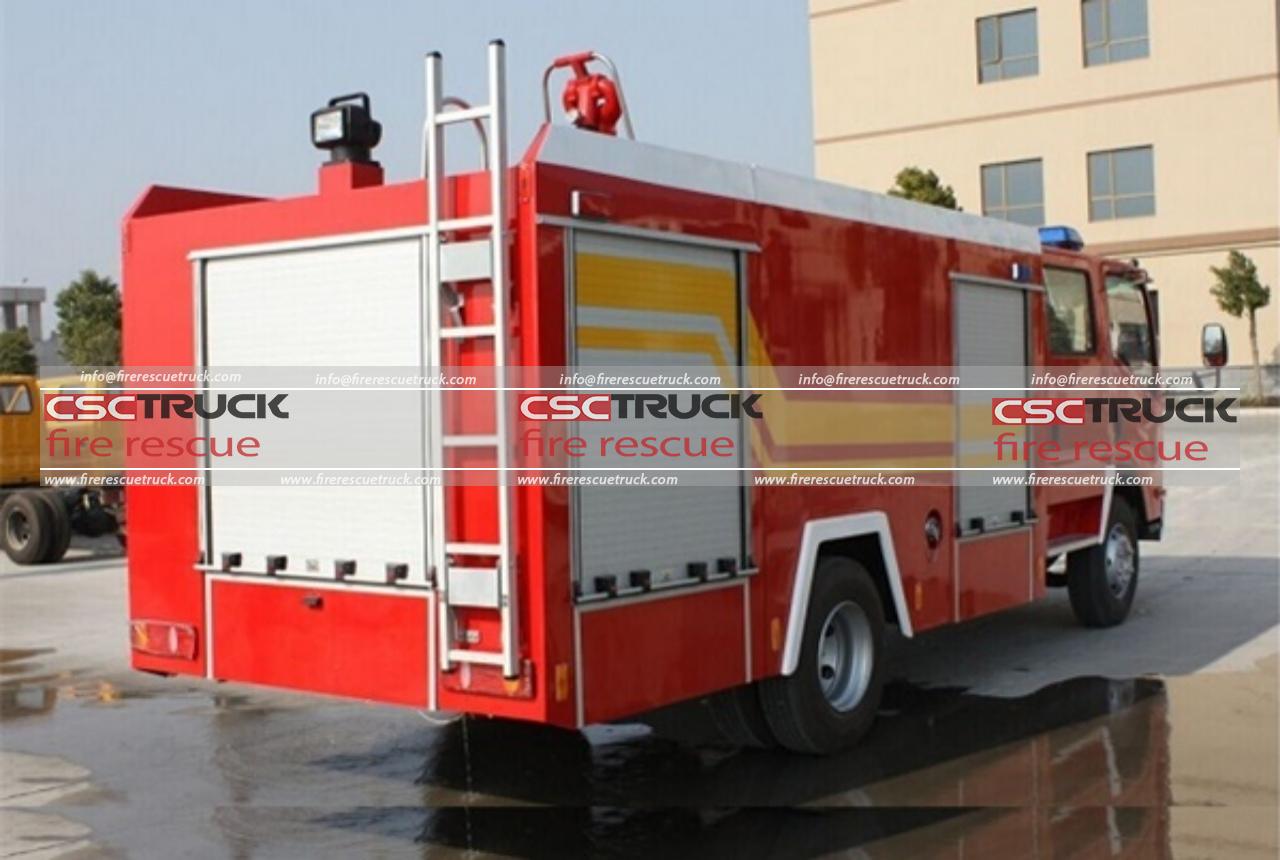
The water tank is the heart of the vehicle, typically made from stainless steel, aluminum alloy, or high-strength polypropylene to resist corrosion and ensure long service life.
Tank capacities vary depending on the application:
- Urban fire trucks: 2,000–5,000 liters
- Industrial or rural units: 8,000–20,000 liters
- Airport or large-scale firefighting units: up to 30,000 liters
These tanks are designed with internal baffles to prevent water surge during movement, maintaining vehicle balance and safety.
c. Fire Pump
A high-power centrifugal fire pump provides the essential water pressure required for firefighting. Advanced pumps can deliver flow rates from 30 L/s up to 100 L/s, with working pressures between 1.0 and 1.6 MPa.
Some vehicles are equipped with dual-stage pumps, offering both high-pressure and low-pressure modes for flexible operation in various firefighting scenarios.
d. Fire Monitor and Hose System
Mounted on top of the vehicle or at the rear, the fire monitor (or water cannon) is capable of discharging water over long distances, typically between 50 to 80 meters, depending on pressure and nozzle design.
Additionally, the truck is equipped with fire hoses, nozzles, valves, and quick-coupling fittings that allow firefighters to connect external water sources or additional hoses for extended reach.
e. Control and Safety Systems
Modern water fire trucks integrate electronic control panels, pressure gauges, and flow meters for precise operation and monitoring. Safety systems include anti-slip platforms, emergency lighting, warning sirens, and communication radios to ensure safe and efficient coordination during firefighting missions.
3. Performance Features of a High-Power Water Fire Truck
The term “high-power” refers not only to the engine output but also to the pumping capacity, discharge pressure, and operational efficiency of the truck. Below are key performance highlights:
- Rapid Response Capability:
Equipped with powerful engines and optimized gear systems, the truck can reach emergency sites quickly, even under challenging terrain or weather conditions. - High Pumping Efficiency:
With advanced pumps capable of delivering high flow rates and pressures, the vehicle ensures a continuous and forceful water supply, crucial for controlling large fires. - Versatile Operation Modes:
The truck can draw water from its onboard tank, external hydrants, lakes, or rivers. This adaptability allows it to function effectively even in areas with limited water infrastructure. - Extended Range and Endurance:
The combination of large tank capacity and efficient water management systems provides prolonged firefighting duration without frequent refilling. - Ergonomic and Safe Design:
The control interfaces are designed for ease of use, enabling firefighters to operate pumps, valves, and monitors efficiently while maintaining safety during high-pressure operations.
4. Applications in Firefighting and Emergency Response
The versatility of water fire trucks allows them to serve in various operational environments:
- Urban and Residential Fires:
Essential for tackling building, apartment, and vehicle fires within cities and towns. - Industrial Zones:
Used for cooling overheated machinery, storage facilities, or preventing fire spread in manufacturing areas. - Rural and Agricultural Fires:
Ideal for regions lacking hydrant networks, using onboard water reserves to combat grass, barn, or forest fires. - Airport and Highway Operations:
Deployed for vehicle and aircraft fire suppression, often in combination with foam systems for enhanced performance. - Disaster Relief and Water Supply:
In emergencies like droughts or infrastructure failures, water fire trucks can deliver potable or non-potable water for community needs.
5. Technological Innovations
Modern water fire trucks have evolved significantly with the integration of advanced technologies aimed at improving efficiency, safety, and operational control. These include:
- Electronic Pump Control Systems: Allow precise pressure regulation and flow adjustment.
- Remote-Controlled Monitors: Enable firefighters to direct water streams without leaving the vehicle.
- Integrated GPS and Communication Systems: Facilitate rapid coordination and navigation during response operations.
- Eco-Friendly Engines: Comply with EURO V/VI emission standards, reducing environmental impact.
- Multi-Agent Compatibility: Some trucks are designed to handle both water and foam, offering dual firefighting capability.

6. Advantages of High-Power Water Fire Trucks
The high-power water fire truck offers numerous operational and strategic advantages:
- High Efficiency: Strong pumps and large tanks enable sustained firefighting capability.
- Reliability: Built on proven commercial chassis with reinforced suspension and drivetrains.
- Versatility: Suitable for a broad range of fires and environmental conditions.
- Low Maintenance: Corrosion-resistant materials and simple mechanical systems reduce long-term upkeep costs.
- Operational Safety: Designed to ensure crew protection during high-pressure firefighting.
7. Conclusion
The Water Fire Truck – High-Power Water Fire Truck for Rapid Response Firefighting represents the backbone of fire service fleets around the world. Combining robust engineering, advanced technology, and versatile performance, it ensures that firefighters can respond swiftly and effectively to any fire emergency. Whether combating blazes in urban high-rises, industrial zones, or remote rural areas, these trucks deliver unmatched reliability and power when every second counts.
As fire hazards evolve with modern urbanization and industrial expansion, the demand for high-performance water fire trucks continues to grow. Manufacturers like CSCTRUCK, HOWO, ISUZU, and MAN are leading the way in developing next-generation models that integrate efficiency, sustainability, and cutting-edge firefighting technology — securing safer communities and a faster, more effective emergency response for the future.