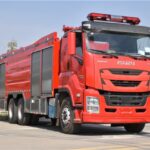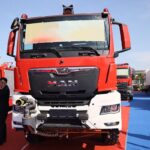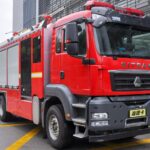

Wildfire seasons are becoming longer and more destructive around the globe. From the forests of California and Australia to the dry woodlands of the Mediterranean and the grasslands of the American Midwest, wildfires pose a growing threat to lives, property, and ecosystems. Responding to these fast-moving and often unpredictable blazes requires specialized tools—and one of the most critical is the wildland fire truck. These rugged, off-road firefighting vehicles are engineered specifically to navigate rough terrain, access remote fire lines, and deliver water, foam, and fire suppression equipment where traditional structural fire engines cannot go.
For agencies, municipalities, fire districts, and private wildland firefighting crews looking to enhance their response capabilities, wildland fire trucks for sale offer an important investment in community safety and wildfire preparedness. This article explores what wildland fire trucks are, key features to consider when purchasing them, why they’re essential for wildfire response, and what options are available in today’s market.
What Are Wildland Fire Trucks?
Wildland fire trucks—also called brush trucks, wildland engines, or Type 3/4/6 engines depending on classification—are firefighting apparatus built to operate off-pavement in forests, grasslands, and rough backcountry. Unlike municipal fire engines designed primarily for urban streets and high-pressure hydrants, wildland fire units prioritize mobility, durability, and water delivery in austere environments.
These vehicles are often mounted on heavy-duty truck or utility chassis with enhanced suspension, rugged tires, and 4-wheel drive. They carry smaller water volumes compared to structure engines (typically 100–500+ gallons), but they make up for it with rapid deployment, agility, and integrated foam systems that help suppress fire on the move. Many also include skid units, hose reels, pumps, and storage for tools such as chain saws, portable pumps, shovels, and Pulaskis.

Key Features of Rugged Off-Road Firefighting Vehicles
When shopping for wildland fire trucks for sale, it’s important to understand the components that make these vehicles effective. Here are the core features buyers should evaluate:
🚒 1. Off-Road Capability
Wildland fire trucks must be able to traverse steep trails, soft soil, brush, and uneven terrain. Look for:
- Four-wheel drive (4×4 or 6×6 configurations)
- High ground clearance
- Heavy-duty axles and suspension
- Aggressive off-road tires
- Skid plates to protect the undercarriage
💧 2. Water and Foam Systems
Responding to wildfires requires adaptable water delivery systems, including:
- Water tanks (typically between 100–500+ gallons, depending on truck type and size)
- High-pressure pumps capable of drafting water from portable sources
- Integrated foam proportioners that mix foam concentrate to improve fire suppression efficiency
- Hose reels and quick-connect outlets for rapid deployment
🔥 3. Rapid Response Tools
Wildland units must carry tools that help crews contain fire lines, cut firebreaks, and perform initial attack strategies:
- Portable water pumps
- Hand tools (shovels, axes, rakes)
- Chainsaws and brush cutters
- Emergency lights and scene lighting
🔧 4. Durability and Reliability
Wildland conditions are punishing. Buyers should prioritize durable build quality:
- Corrosion-resistant materials
- Reinforced bumpers and body panels
- Redundant systems for critical components
- Easy access for maintenance
🧑🚒 5. Ergonomics and Safety
Crew safety matters just as much as vehicle performance:
- Comfortable seating for multiple firefighters
- Clear communication systems
- Fireproof insulation where necessary
- Visibility enhancements (spotlights, LED bars, reflective markings)
Types of Wildland Fire Trucks Available
Fire agencies and departments can choose from several classes of wildland fire apparatus, often designated by NFPA (National Fire Protection Association) or state standards:
Type 6 Wildland Engines
- Smaller, highly maneuverable trucks
- Usually 4×4
- 150–400 gallons of water
- Ideal for initial attack, brush fires, rural roads
Type 4 Wildland Engines
- Mid-size wildland units
- 500–750+ gallons
- Greater pump capacity and hose storage
- Good balance of mobility and fire suppression power
Type 3 Wildland Engines
- Larger off-road engines
- 500–1000+ gallons
- Stronger pumps and greater hose capacity
- Suitable for sustained fire operations in rough terrain
Specialized Units
Some agencies also procure:
- Brush patrol trucks are optimized for lighter vegetation
- Rapid response vehicles (RRVs) that combine medical and fire suppression equipment
- Command and support vehicles for incident management

Why Invest in a Wildland Fire Truck?
✅ Faster Initial Attack
Wildfires spread quickly. Units that can get to a fire early and start suppression immediately reduce overall fire growth and cost.
✅ Access Remote Areas
Many fires start far from pavement. Wildland trucks allow crews to navigate trails and forest roads that regular engines cannot.
✅ Enhanced Safety
Properly equipped vehicles protect crews with the right tools, water supply, and mobility to retreat when conditions worsen.
✅ Versatility
Many wildland trucks serve dual roles: Wildfire response, search and rescue, flood support, and even community events.
✅ Cost-Effectiveness
Compared to full-size ladder trucks or aerial platforms, wildland fire trucks deliver targeted fire suppression at a lower acquisition and operating cost.
What to Consider When Buying Wildland Fire Trucks for Sale
Whether purchasing new or used, buyers should weigh several factors:
💡 Budget and Total Cost of Ownership
The initial price is only part of the cost. Include ongoing maintenance, parts availability, and expected lifespan.
📅 New vs. Used
- New trucks offer modern tech, warranty coverage, and custom builds.
- Used trucks can deliver value but require careful inspection—especially pumps, chassis life, and suspension.
📏 Size and Maneuverability
Match the truck size to your terrain. Dense forests and narrow trails demand smaller, more agile units.
🔌 Equipment Customization
Consider optional extras like remote monitors, improved communications gear, auxiliary generators, and upgraded lighting.
📜 Standards and Compliance
Ensure the truck conforms to your jurisdiction’s standards (NFPA, state forestry department specs, OSHA, etc.).

Where to Find Wildland Fire Trucks for Sale
Several avenues exist for agencies and departments to acquire wildland fire apparatus:
🔹 OEM Fire Truck Manufacturers
Leading manufacturers build custom wildland units to spec. These often come with tailored warranties and service packages.
🔹 Used Fire Truck Dealers
There are specialized dealers focused on surplus and pre-owned firefighting vehicles. Used units can be cost-effective for smaller departments or volunteer brigades.
🔹 Government Surplus Auctions
Federal, state, and local governments sometimes auction off surplus apparatus—including wildland trucks—often at competitive prices.
🔹 Online Fire Truck Marketplaces
Dedicated marketplaces list wildland fire trucks from dealers, organizations, and private sellers. Listings typically include photos, specs, maintenance histories, and pricing.
Tips for Evaluating Used Wildland Fire Trucks
Before purchasing a pre-owned truck, inspect:
- Pump and plumbing integrity
- Frame and chassis corrosion
- Tire and suspension condition
- Operational history and smoke inspection
- Any accident or overhaul records
A thorough mechanical inspection by a fire apparatus specialist can save costly surprises down the road.

Conclusion
Wildland fire trucks are indispensable assets in modern fire management. Built for off-road performance, rapid response, and rugged durability, these vehicles empower firefighters to reach remote blaze locations and deliver critical suppression capabilities under demanding conditions.
Whether you represent a fire district, forestry service, industrial site, or volunteer brigade, choosing the right wildland fire truck requires understanding your terrain, response needs, and budget. By focusing on mobility, water delivery systems, durability, and crew safety, you can invest in apparatus that serve your community for decades.