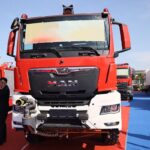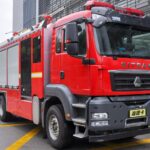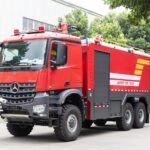

Airport Fire Fighting Vehicles, commonly known as ARFF (Aircraft Rescue and Fire Fighting) trucks, represent one of the most specialized and technologically advanced categories of emergency response equipment. Designed to respond within seconds to aircraft incidents, these vehicles are engineered to combat high-intensity fuel fires, rescue passengers, and stabilize dangerous situations on runways and taxiways. Among their many innovations, advanced foam systems stand out as the most critical component for suppressing aviation fuel fires quickly and effectively.
This article explores the design, functionality, and advantages of modern ARFF vehicles with advanced foam systems, while also introducing CSCTRUCK Fire Rescue Truck as a reliable manufacturer in this sector.
Introduction to CSCTRUCK Fire Rescue Truck
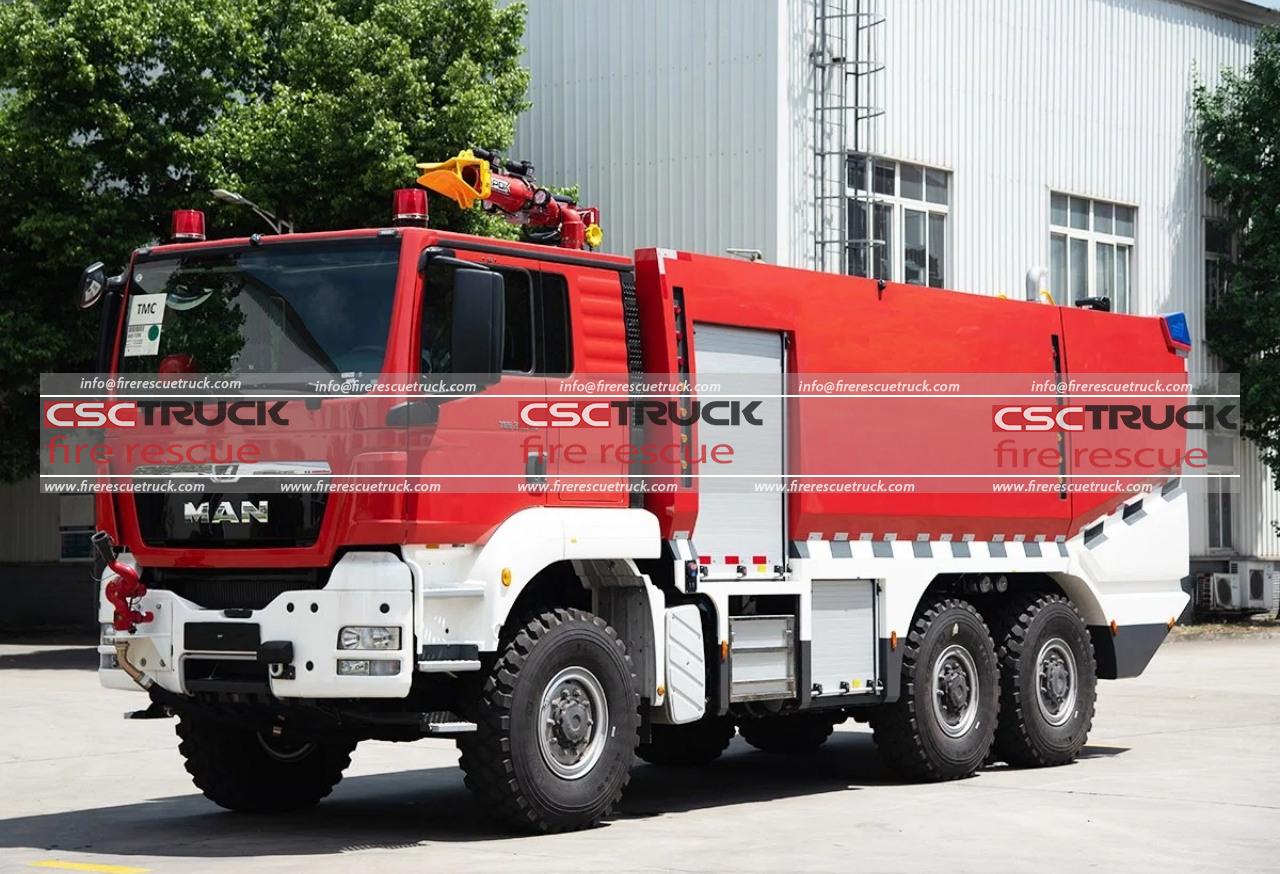
CSCTRUCK Fire Rescue Truck is a professional manufacturer specializing in a wide range of firefighting vehicles, including airport fire trucks, foam tenders, and rescue units. Their ARFF vehicles are designed to meet international standards such as NFPA and ICAO requirements, offering high-capacity water tanks, advanced foam proportioning systems, and intelligent control interfaces.
CSCTRUCK Fire Rescue Truck focuses on delivering cost-effective, high-performance airport fire trucks tailored for global markets, including Africa, the Middle East, and Southeast Asia. Their vehicles integrate modern foam systems, high-flow pumps, and durable chassis configurations (4×4, 6×6, and 8×8), making them suitable for airports of different sizes.

The Role of Foam Systems in Airport Firefighting
Unlike structural fires, aircraft fires involve flammable aviation fuels, which burn rapidly and spread across surfaces. Water alone is often insufficient. This is where foam systems become essential.
How Foam Suppresses Fire
Firefighting foam works by:
- Creating a film layer over the fuel, cutting off the oxygen supply
- Cooling the fuel surface
- Preventing re-ignition
Aqueous Film-Forming Foam (AFFF) is widely used because it spreads quickly across fuel surfaces, forming a protective barrier.
Modern alternatives such as fluorine-free foam (FFF) are also gaining popularity due to environmental concerns.
Key Components of Advanced Foam Systems
1. Automatic Foam Proportioning Systems
One of the most important advancements in ARFF vehicles is the automatic foam proportioning system. This system ensures that foam concentrate is mixed with water at precise ratios, typically ranging from 0.3% to 6%.
- Digitally controlled injection pumps
- Real-time monitoring sensors
- Consistent foam quality regardless of flow rate
These systems significantly reduce operator error and ensure optimal firefighting performance.
Some systems are microprocessor-controlled and automatically adjust foam ratios based on discharge flow, ensuring efficiency even during dynamic operations.
2. High-Capacity Foam and Water Tanks
ARFF vehicles are equipped with large onboard reserves, allowing immediate response without relying on external water sources.
Typical capacities include:
- Water: 3,000–4,500 gallons (11,000–17,000 liters)
- Foam concentrate: 264–528 gallons (1,000–2,000 liters)
- Dry chemical agents: Additional suppression capability
These large capacities ensure sustained firefighting operations during critical early stages.
3. Multi-Point Foam Discharge Systems
Modern ARFF trucks are designed with multiple foam discharge points for flexibility:
- Roof turrets: Long-range, high-flow discharge (up to 60–80 meters)
- Bumper turrets: Immediate attack during approach
- Handlines: Manual firefighting support
These systems are electronically controlled from the cab, allowing firefighters to operate safely while maintaining precision.
4. Compressed Air Foam Systems (CAFS)
Compressed Air Foam Systems (CAFS) represent a major advancement in foam technology.
Advantages include:
- Produces thicker, more stable foam
- Improves adhesion to surfaces
- Reduces water consumption
- Enhances cooling and smothering effects
CAFS systems significantly improve firefighting efficiency, especially in large fuel fires.
5. High-Pressure and Ultra-High-Pressure Systems
Advanced ARFF vehicles now incorporate high-pressure (HP) and ultra-high-pressure (UHP) systems:
- Operating pressures up to 1,200 psi or more
- Smaller water droplets for better heat absorption
- Faster fire knockdown
Higher pressure improves foam expansion and coverage, making suppression more effective.
6. Integrated Foam and Dry Chemical Systems
To handle complex fire scenarios, ARFF trucks often combine foam with dry chemical agents:
- Foam suppresses surface flames
- Dry chemicals interrupt combustion reactions
This dual-agent approach is especially effective for jet fuel fires, where rapid suppression is critical.

Intelligent Control and Automation
Modern ARFF vehicles are equipped with smart control systems that enhance foam system performance:
- Electronic pump controls
- Touchscreen interfaces
- Automated flow regulation
- Remote turret operation
Operators can control foam discharge, monitor tank levels, and adjust pressure—all from within the cab. This reduces response time and improves safety during high-risk operations.
Specialized Features Enhancing Foam Effectiveness
1. Underbody Foam Protection
ARFF vehicles often include undercarriage nozzles that spray foam beneath the truck. This allows the vehicle to drive through burning fuel safely while protecting tires and critical components.
2. High Reach Extendable Turret (HRET)
Some advanced models feature HRET systems with piercing nozzles that:
- Penetrate aircraft fuselage
- Inject foam directly into cabins or cargo areas
This capability is crucial for internal fire suppression when access is limited.
3. Thermal Imaging Integration
Infrared cameras help firefighters:
- Detect hidden hot spots
- Guide foam application precisely
- Operate effectively in smoke or low visibility
These systems enhance the efficiency of foam deployment during emergencies.
Advantages of Advanced Foam Systems in ARFF Vehicles
The integration of advanced foam systems provides several operational benefits:
Rapid Fire Suppression
Foam quickly blankets fuel fires, reducing flames within seconds and preventing escalation.
Increased Safety
Remote-controlled systems allow firefighters to operate from protected positions.
Reduced Water Usage
Technologies like CAFS and UHP systems minimize water consumption while maximizing effectiveness.
Environmental Improvements
The shift toward fluorine-free foam reduces environmental impact while maintaining performance.
Operational Efficiency
Automation and intelligent controls reduce manual intervention and improve consistency.
Why Airports Depend on Advanced Foam ARFF Vehicles
Airports operate under strict international safety regulations that require rapid response times—often within 2–3 minutes. ARFF vehicles must:
- Accelerate quickly
- Deliver high volumes of foam instantly
- Operate reliably under extreme conditions
Advanced foam systems are essential to meeting these requirements, ensuring that aircraft fires are contained before they spread or cause catastrophic damage.

Conclusion
Airport Fire Fighting Vehicles equipped with advanced foam systems are at the forefront of modern firefighting technology. From automatic proportioning systems and CAFS to high-pressure pumps and intelligent controls, these innovations have transformed how aviation fires are managed.
Manufacturers like CSCTRUCK Fire Rescue Truck play a vital role in delivering reliable, high-performance ARFF vehicles to global markets. By integrating advanced foam technologies with robust engineering, they help airports maintain safety, compliance, and rapid emergency response capabilities.
As aviation continues to grow, the demand for smarter, faster, and more efficient ARFF vehicles will only increase—making advanced foam systems an indispensable part of airport safety infrastructure.