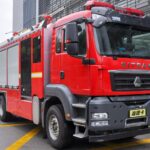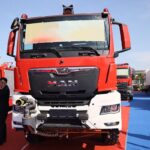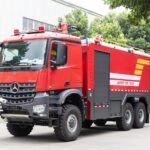

Airport Rescue and Fire Fighting (ARFF) trucks are among the most advanced emergency response vehicles in the world. Designed specifically for aviation environments, these machines must operate in some of the harshest and most unpredictable conditions—ranging from intense fuel fires and extreme heat to rough terrain and severe weather. Their engineering reflects a singular mission: to save lives and protect critical airport infrastructure within minutes of an emergency.
In this article, we explore how ARFF trucks are built to handle extreme conditions, their key technologies, and how manufacturers such as CSCTRUCK Fire Rescue Truck contribute to delivering reliable, high-performance solutions for airports worldwide.
Introduction to CSCTRUCK Fire Rescue Truck
CSCTRUCK Fire Rescue Truck is a well-known manufacturer specializing in fire rescue vehicles, including advanced ARFF trucks designed for global markets. With a focus on durability, performance, and customization, CSCTRUCK Fire Rescue Truck integrates modern firefighting technologies with robust chassis engineering to meet international airport safety standards.
Their ARFF vehicles are engineered for rapid response, high-capacity firefighting, and reliable operation in extreme climates—from desert heat in the Middle East to freezing temperatures in northern regions. By combining high-powered engines, intelligent control systems, and flexible configurations, CSCTRUCK Fire Rescue Truck provides tailored solutions for airports of all sizes.

Built for Speed and Rapid Response
In airport emergencies, time is critical. International aviation standards typically require fire trucks to reach any point on the runway within minutes. To meet this demand, ARFF trucks are equipped with powerful engines and advanced drivetrains.
Modern ARFF vehicles often feature engines producing between 500 and over 1,000 horsepower, enabling top speeds exceeding 70 mph (113 km/h) and rapid acceleration from 0 to 80 km/h in under 30 seconds. This performance ensures that firefighters can arrive quickly, even across large airport grounds.
All-wheel drive (AWD) systems and automatic transmissions provide optimal traction and control, allowing these vehicles to navigate runways, taxiways, and off-road areas efficiently. Whether responding on paved surfaces or grassy fields, ARFF trucks maintain stability and speed under pressure.
Extreme Terrain Capability
Unlike conventional fire engines, airport rescue trucks must operate beyond smooth roads. Aircraft incidents can occur anywhere—on runways, in grassy safety zones, or even off-airport terrain.
To handle these challenges, ARFF trucks are built with:
- Heavy-duty independent suspension systems for rough terrain
- Large, wide-profile tires for enhanced traction
- Central Tire Inflation Systems (CTIS) to adjust tire pressure on the move
These features allow the vehicles to traverse mud, sand, snow, and uneven ground without losing mobility. Some specialized models even use advanced chassis designs, such as backbone tube frames, to improve off-road durability and stability.

High-Capacity Fire Suppression Systems
Aircraft fires present unique hazards due to the presence of aviation fuel, which burns intensely and spreads rapidly. ARFF trucks are therefore equipped with powerful and versatile fire suppression systems.
Typical configurations include:
- Water tanks: 1,500 to 4,500 gallons
- Foam tanks: 200 to 600 gallons
- Dry chemical agents for rapid flame knockdown
Foam systems, such as Aqueous Film-Forming Foam (AFFF), are particularly effective at smothering fuel fires by creating a barrier between the fuel and oxygen.
High-performance pumps can deliver between 1,000 and 2,500 gallons per minute, enabling firefighters to control large-scale fires quickly. This high discharge rate is essential in preventing fire spread and protecting passengers and crew.
Advanced Turrets and Precision Firefighting
ARFF trucks are equipped with roof-mounted and bumper-mounted turrets capable of projecting water and foam over long distances. These systems allow firefighters to begin suppression efforts while still approaching the scene.
Key features include:
- Remote-controlled operation for safety and precision
- Flow rates up to 2,000 gallons per minute
- Reach distances exceeding 200 feet
In addition, under-truck nozzles enable the vehicle to drive over flames safely by spraying extinguishing agents beneath the chassis. This capability is critical in fuel spill scenarios on runways.

Specialized Systems for Aircraft Fires
One of the defining features of modern ARFF trucks is their ability to penetrate aircraft structures and deliver extinguishing agents directly inside.
Snozzle and Piercing Systems
These extendable arms can puncture the fuselage and inject foam or water into the cabin or cargo hold. This allows firefighters to suppress internal fires rapidly, even when access points are blocked.
Twin-Agent Systems
Some ARFF trucks can simultaneously deploy foam and dry chemical agents, combining cooling and smothering effects for maximum efficiency.
These innovations significantly reduce response time and improve survival rates during aircraft emergencies.
Designed for Extreme Heat and Harsh Environments
ARFF trucks must operate in environments where temperatures can soar due to fuel fires or extreme weather conditions. To ensure reliability, manufacturers use high-strength materials that resist heat and corrosion.
Lightweight aluminum and composite materials are commonly used in construction, offering both durability and resistance to high temperatures. Heat-resistant glass and insulated cabins protect crew members from radiant heat during firefighting operations.
In regions like the Middle East, where ambient temperatures can exceed 45°C, cooling systems and thermal protection become essential components of vehicle design.

Advanced Safety and Communication Technology
Safety is a top priority in ARFF operations. Modern trucks are equipped with cutting-edge technologies to enhance situational awareness and crew protection.
These include:
- Thermal imaging cameras to detect hidden fire sources
- Gas detection systems for hazardous environments
- Integrated communication systems for coordination with air traffic control
- Self-contained breathing apparatus (SCBA) for smoke-filled conditions
Such technologies enable firefighters to operate effectively even in low visibility and high-risk scenarios.
Integrated Rescue Capabilities
Beyond firefighting, ARFF trucks function as mobile rescue units. They carry a wide range of tools designed for rapid extrication and emergency medical response.
Common equipment includes:
- Hydraulic cutters and spreaders (jaws of life)
- Ladders and access platforms
- First aid kits and medical supplies
These tools allow crews to rescue trapped passengers, access aircraft interiors, and provide immediate medical assistance.

Ergonomic Design for Crew Efficiency
The design of ARFF truck cabins prioritizes visibility, comfort, and operational efficiency. Panoramic windshields provide a wide field of view, while high seating positions improve situational awareness on busy airfields.
Controls are ergonomically arranged, allowing operators to manage pumps, turrets, and communication systems without distraction. This streamlined design ensures that firefighters can focus on critical tasks during high-pressure situations.
Conclusion
Airport rescue fire trucks are engineering marvels built to perform under the most extreme conditions. From high-speed response and off-road capability to advanced fire suppression systems and rescue tools, every aspect of their design is optimized for efficiency and reliability.
Manufacturers like CSCTRUCK Fire Rescue Truck play a vital role in advancing ARFF technology, offering customized solutions that meet the evolving demands of modern airports. As aviation continues to grow, the importance of these specialized vehicles will only increase—ensuring that airports remain safe, resilient, and prepared for any emergency.
In the face of extreme conditions, ARFF trucks stand as the first line of defense—powerful, precise, and ready to save lives when every second counts.