
Airport firefighting is one of the most demanding branches of emergency response. An aircraft emergency can unfold within seconds and escalate rapidly, involving fire, high-speed vehicles, large numbers of passengers, fuel, and complex structures. To meet this challenge, airports deploy specialized firefighting units known as Aircraft Rescue and Firefighting (ARFF) trucks, engineered to deliver massive fire suppression capabilities with speed, precision, and reliability.
This article breaks down ARFF operations into clear, practical concepts — from the real-world roles ARFF trucks play to hands-on techniques operators use to save lives and protect infrastructure. We also highlight the capabilities of CSCTRUCK Fire Rescue Truck, a prominent manufacturer known for robust, high-performance airport rescue vehicles.
CSCTRUCK Fire Rescue Truck — Built for Airport Readiness
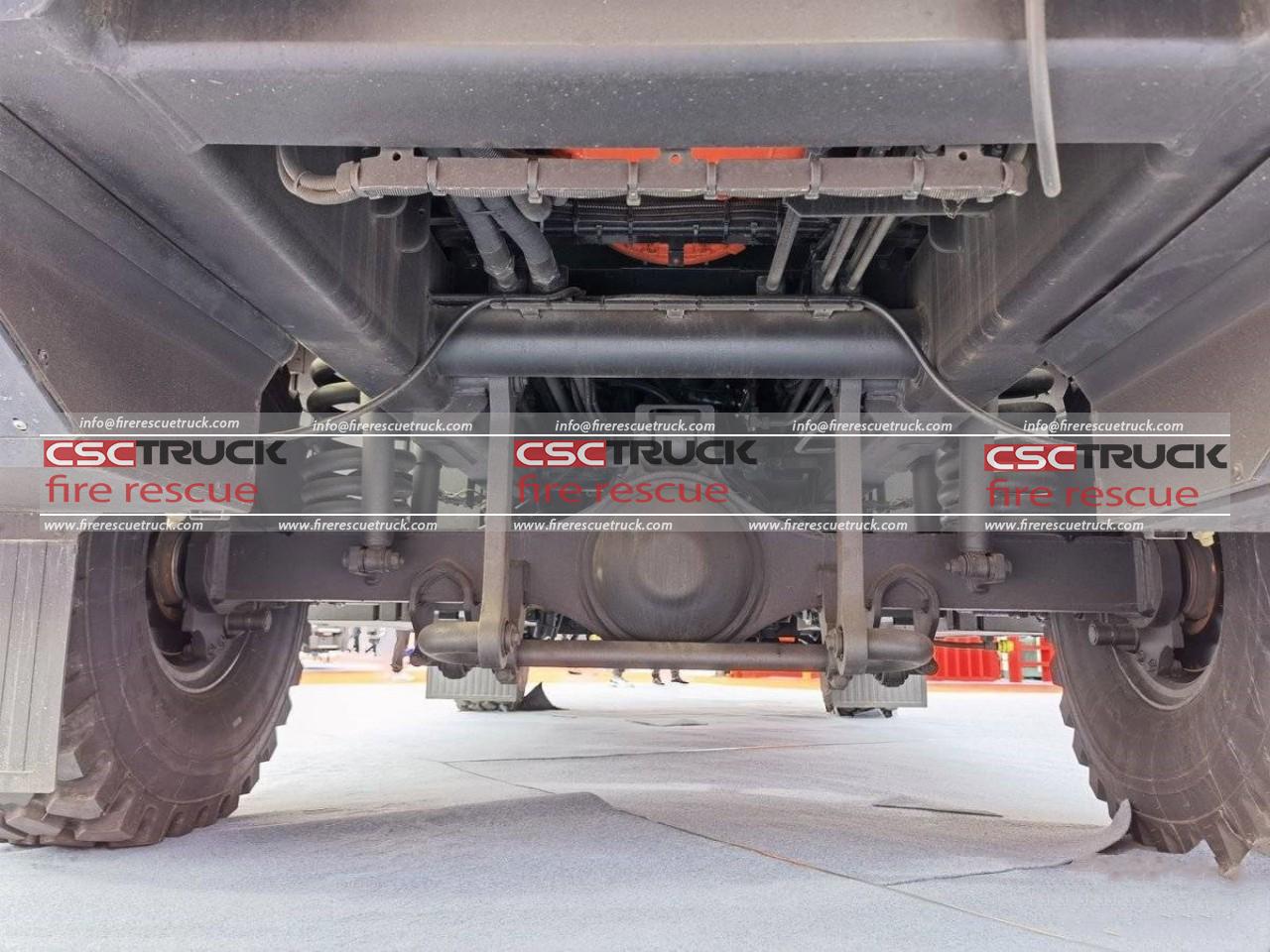
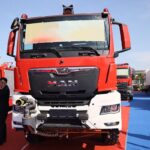
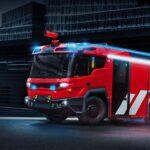
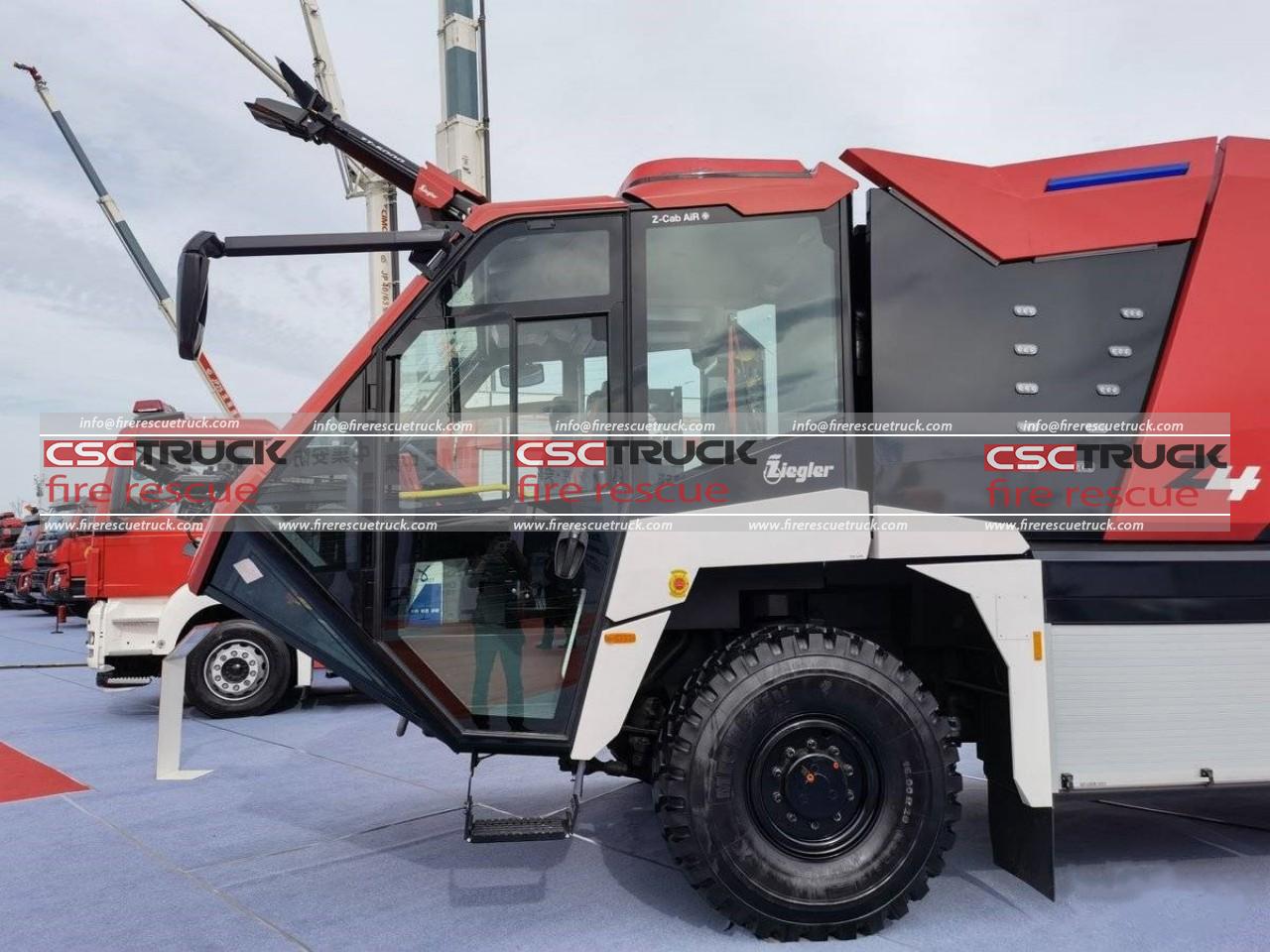
CSCTRUCK Fire Rescue Truck is a global supplier of specialized emergency response vehicles, including fire rescue trucks designed for airports, industrial complexes, and municipal departments. Their ARFF (Aircraft Rescue and Firefighting) trucks combine rugged chassis platforms with high-capacity water and foam systems, powerful pumps, and intelligent discharge systems that enable crews to respond to aviation emergencies with speed and efficiency.
Key features often found on CSCTRUCK Fire Rescue Truck ARFF units include:
- High-output water and foam systems capable of delivering thousands of gallons per minute.
- Multi-agent fire suppression that uses water, foam, and dry chemical to combat aviation fuel, Class B, and Class A fires.
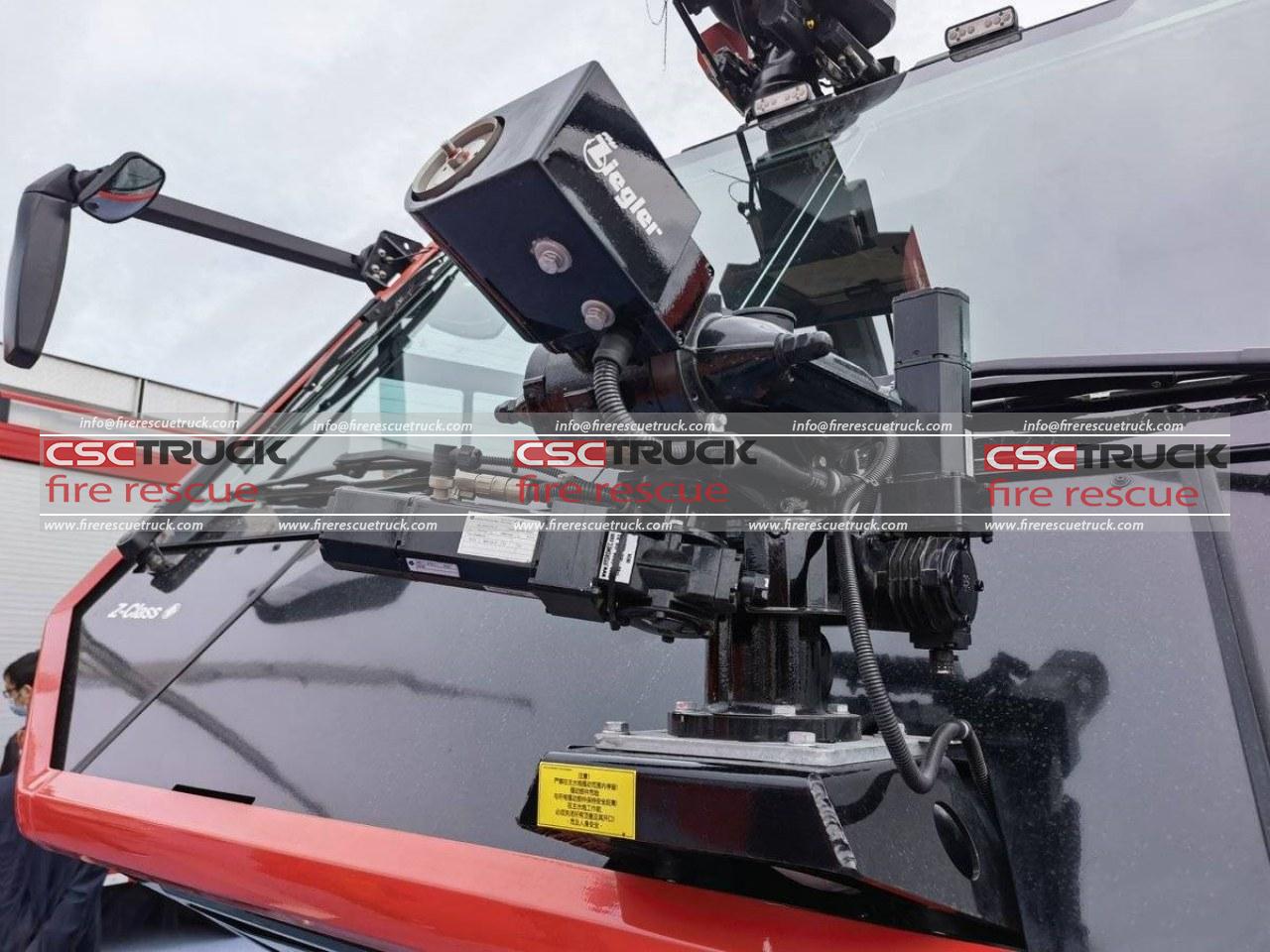
- Remote-controlled turrets and nozzles for safe exterior firefighting at long reach.
- Four-wheel drive and rapid acceleration to rapidly reach any part of an airfield.
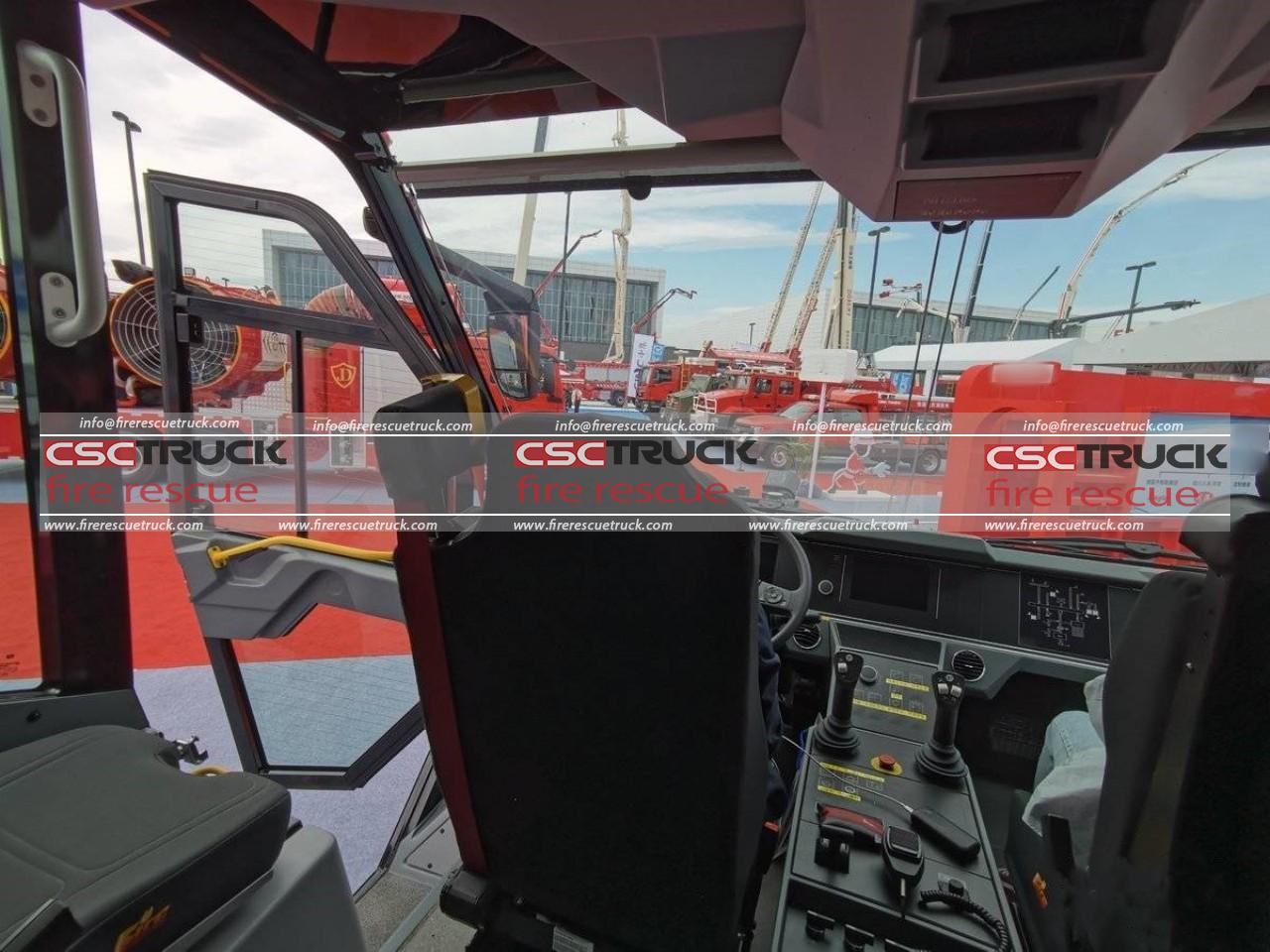
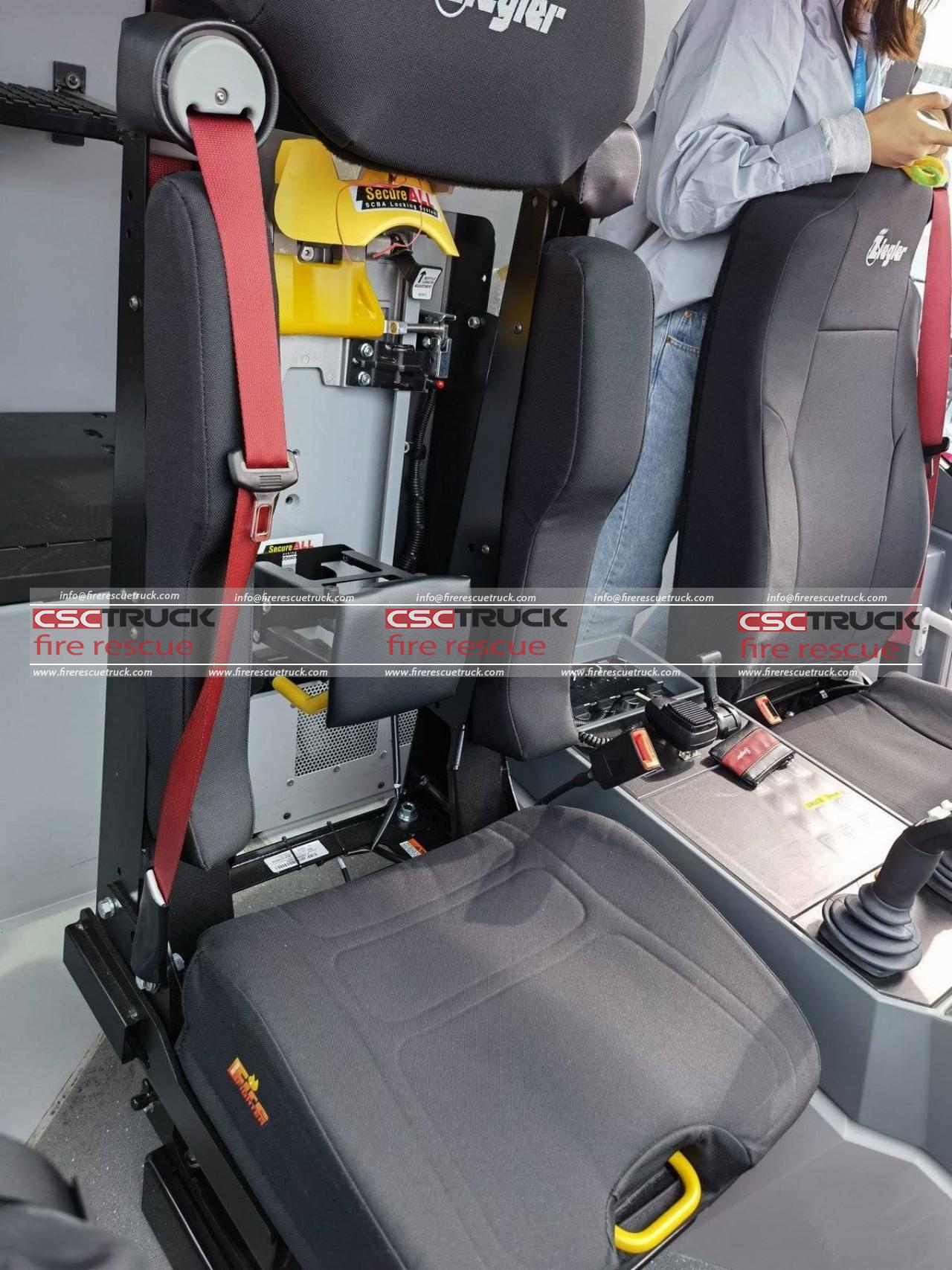
- Ergonomic operator controls for rapid, user-friendly deployment under stress.
By focusing on modular design and operator comfort, CSCTRUCK Fire Rescue Truck ensures that their ARFF apparatus supports the demanding situational awareness, split-second decisions, and rigorous standards airport fire crews must meet.
Why Airport Fire Safety is Unique
Airport firefighting differs from municipal structural firefighting in several key ways:
- High-hazard, low-predictability incidents – aircraft fires involve large quantities of jet fuel, confined space hazards, and rapid flame propagation.
- Mass casualty potential – an aircraft emergency can involve hundreds of passengers and crew.
- Specialized risk environments – airport ramps, taxiways, hangars, and fuel farms each present unique fire and explosion hazards.
- Speed and access challenges – aircraft can be large, fast-moving, and located far from primary fire stations.
Because of these factors, airports maintain dedicated ARFF units equipped with specialized tools and training, separate from regular municipal fire brigades.
ARFF Truck Applications — What They Do
ARFF trucks are designed to perform a variety of critical life-saving and protective tasks:
1. Rapid Response to Aircraft Incidents
Response time is critical in an aviation emergency. ARFF units are strategically positioned to reach any runway, taxiway, or apron within a minute or two. Their high-speed drivetrains and rugged suspension systems allow them to traverse rough ground and airport obstacles to reach the incident quickly.
2. Fire Suppression and Extinguishment
Modern ARFF trucks carry large quantities of water, foam concentrate, and dry chemical extinguishing agents. Their powerful turrets — both roof-mounted and bumper-mounted — can apply these agents at long reach, allowing crews to suppress fires before ground crews must expose themselves to heat and smoke.
3. Rescue and Extrication
ARFF crews are trained in aircraft rescue, which includes quickly accessing fuselage doors, assisting passenger evacuation, and extricating trapped individuals. Specialized rescue tools — hydraulic spreaders, cutters, lifting bags — are stored onboard ARFF trucks for rapid deployment.
4. Fuel Spill Management
Fuel spills present unique hazards because jet fuel can spread and reignite rapidly. ARFF apparatuses are equipped to control and suppress flammable liquids using specialized foam agents that blanket fuel and prevent vapor release.
5. Support for Adjacent Structures
In addition to aircraft, ARFF units may protect adjacent infrastructure, such as hangars, terminals, fuel farms, and ground support equipment, particularly if an incident threatens secondary fires.
Key Components of ARFF Trucks
To understand how ARFF trucks operate in real scenarios, it helps to know their major subsystems:
Water and Foam Tanks
ARFF vehicles carry large volumes of water (often 500–3,000+ gallons) and foam concentrate (hundreds of gallons), enabling extended firefighting operations without immediate resupply.
High-Volume Pumps
High-capacity pumps deliver water and foam at extremely high flow rates to achieve effective knockdown of aviation fires.
Discharge Turrets and Monitors
Remotely controlled turrets allow operators to aim water and foam from inside the cab, protecting crews from direct exposure to heat and debris.
Dry Chemical Systems
Some ARFF trucks carry dry chemical powder to suppress fuel and oil-based fires that water or foam alone cannot address.
Rescue Tools and Gear
From thermal imaging cameras to hydraulic extrication tools and medical equipment, ARFF rigs are mobile rescue stations.
Hands-On Operation — How ARFF Crews Work
Training for ARFF crews emphasizes both technical skill and real-world readiness. Below are core operational practices:
1. Rapid Mobilization
When an alarm sounds, crews perform systematic checks: Seatbelts, PPE (Personal Protective Equipment), radio communications, pump readings, and agent levels. Minutes count, so checklists ensure nothing is overlooked.
2. Approach and Scene Assessment
Upon arrival, the officer assesses fire behavior, wind direction, passenger locations, and structural hazards. Accurate assessment directs how agents are deployed.
3. Strategic Suppression
Operators coordinate turret patterns, flow rates, and agent mixes to achieve the greatest suppression effect with minimal waste. Foam must cover fuel efficiently, and water streams must avoid spreading flammable liquids.
4. Coordinated Rescue Efforts
While one team suppresses fire, another team reads the aircraft, opening doors, clearing exits, and guiding evacuees to safety. Constant communication between suppression and rescue teams is essential to avoid interference and maximize efficiency.
5. Post-Incident Operations
Once primary fire threats are controlled, crews conduct overhaul operations — checking for hidden hot spots, securing hazards, and assisting investigators. ARFF personnel also document performance for training and improvement.
Training and Safety Culture
Airport fire safety depends as much on training and culture as on equipment. Regular drills, simulation exercises, and joint training with aviation personnel help maintain readiness. Training may include:
- Live fire simulation with aircraft mockups
- Foam discharge and agent mixing exercises
- High-angle rescue and extrication
- Communications drills with air traffic control and EMS
A strong safety culture emphasizes readiness, continual learning, and respect for procedure — all vital in high-stress emergencies.
Emerging Technologies in ARFF Operations
Advancements in ARFF vehicles and training continue to enhance safety outcomes:
- Tele-operated turrets and robotic solutions reduce risk to personnel.
- Thermal imaging and situational awareness systems improve visibility in smoke.
- Lightweight composites and ergonomic controls enhance operator endurance.
- Data communications between aircraft and rescue units speed situational analysis.
Manufacturers like CSCTRUCK Fire Rescue Truck integrate many of these technologies into next-generation fire rescue platforms.
Conclusion
Airport fire safety is a high-stakes field where every second counts. By combining specialized ARFF trucks with disciplined training and operational excellence, airports can protect lives, aircraft, and infrastructure effectively.
Understanding the capabilities and applications of ARFF apparatus — from rapid response and fire suppression to rescue and post-incident operations — empowers airport personnel and operators alike. With dependable platforms like those from CSCTRUCK Fire Rescue Truck, firefighters have the tools they need to face the unique demands of aviation emergencies with confidence and precision.