A vehicle fire can develop rapidly, producing intense heat, toxic smoke, and potentially dangerous conditions around fuel tanks, batteries, electrical systems, and other combustible materials. Whether the vehicle is a passenger car, truck, bus, or special-purpose vehicle, the priority is always to protect people rather than the vehicle itself.
According to the U.S. Fire Administration (USFA), drivers should pull over as soon as it is safe, stop the engine, get everyone out, stay away from the burning vehicle, and call emergency services. USFA also recommends moving at least 100 feet away from the vehicle and away from traffic.
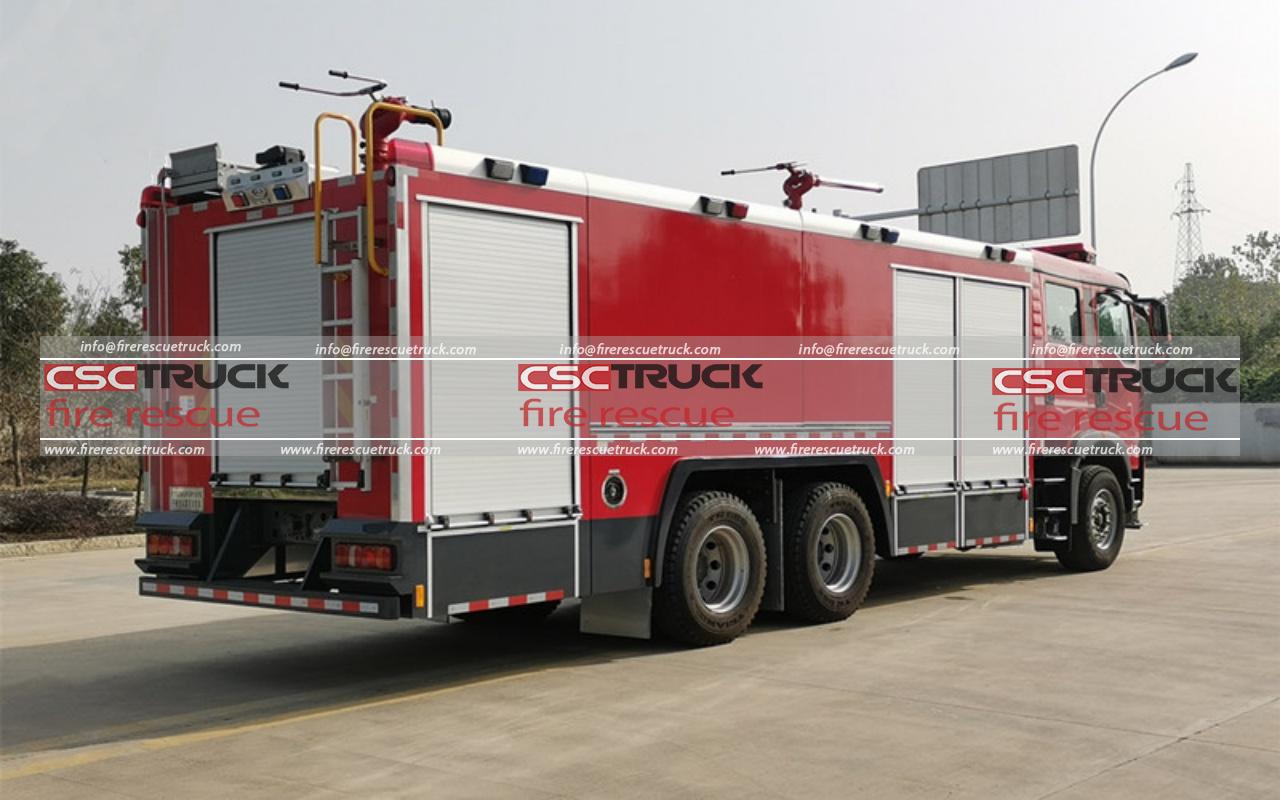
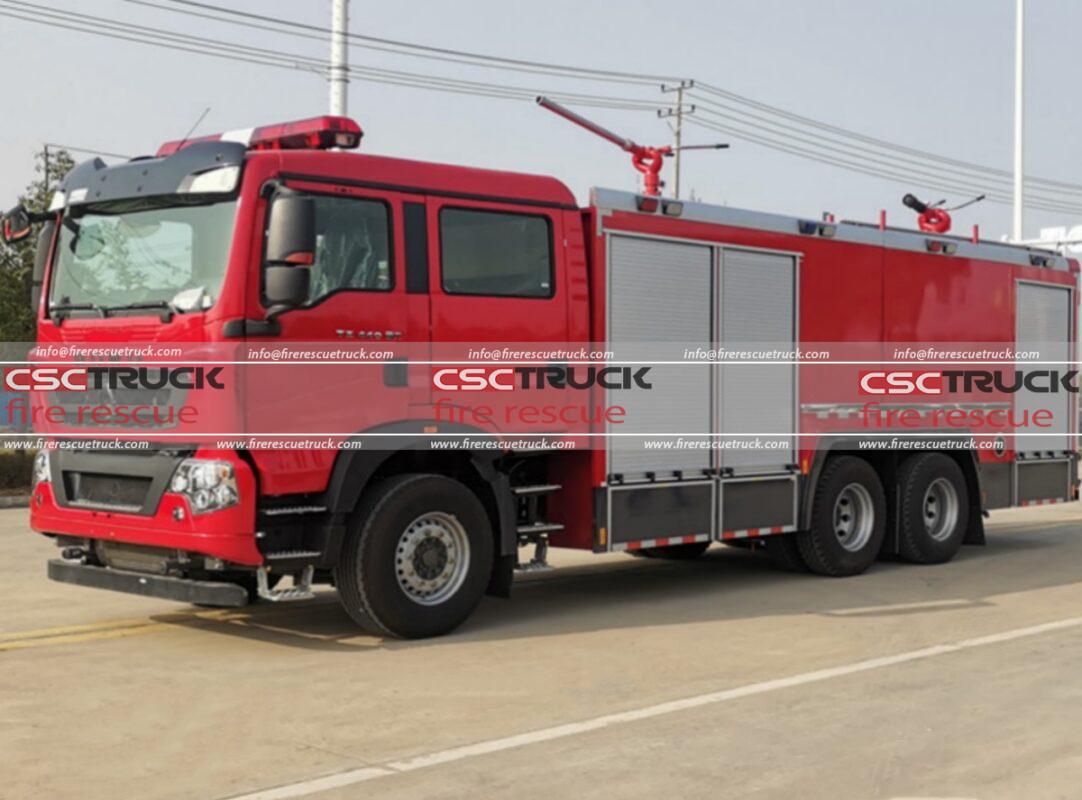
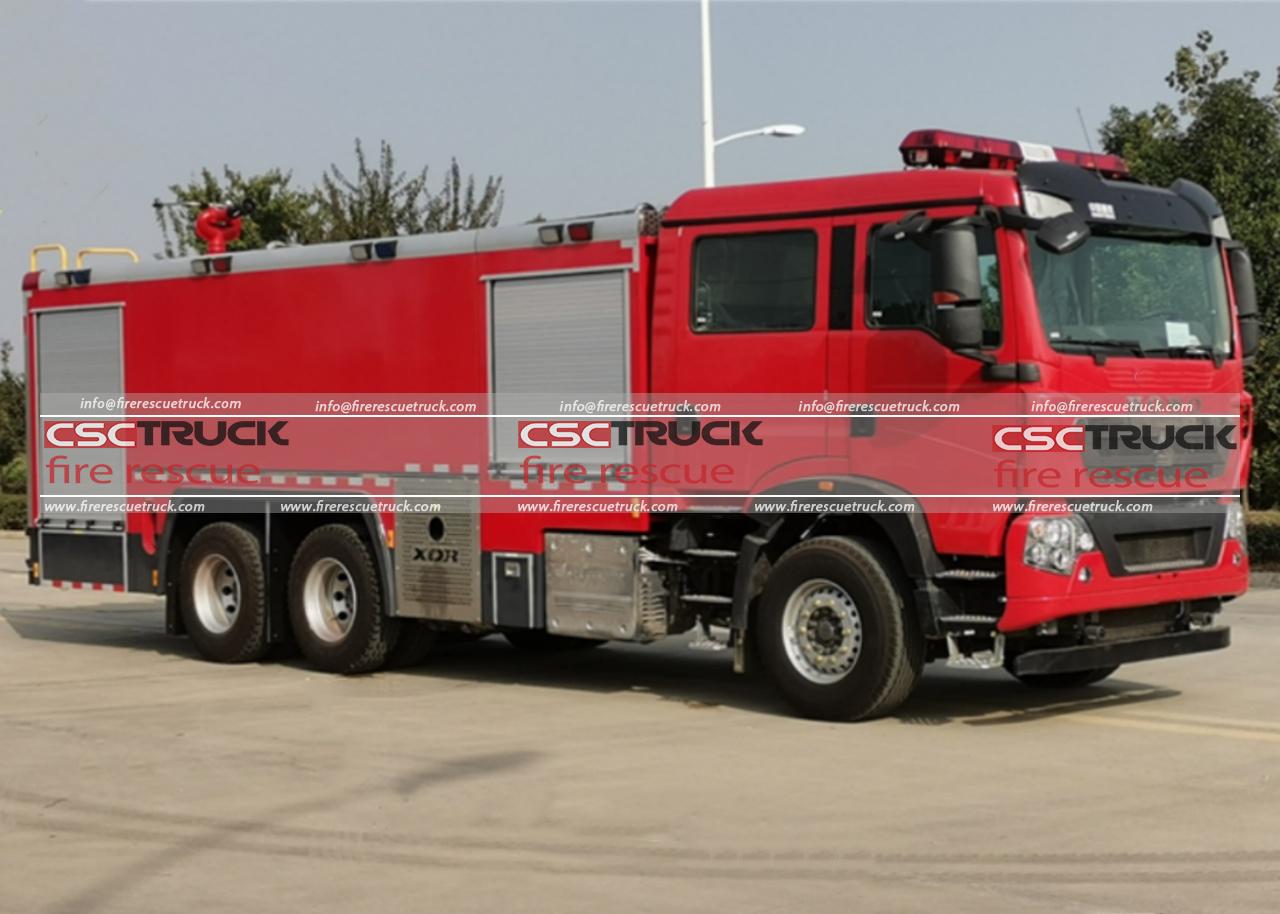
For professional emergency response, specialized equipment is essential. CSCTRUCK Fire Rescue Truck provides fire and rescue vehicles designed for firefighting, emergency response, water and foam delivery, rescue operations, and other fire-service applications. The product range includes different configurations to meet the requirements of fire departments, industrial facilities, airports, municipalities, and other emergency-response organizations.
1. Recognize the Warning Signs
A vehicle fire may begin with relatively subtle warning signs. Smoke coming from the engine compartment, burning smells, unusual electrical odors, visible flames, dashboard warnings, or rapidly increasing engine temperature can indicate a developing problem.
If smoke or flames appear while driving, do not continue driving to find a convenient stopping location. Continuing to operate the vehicle can allow the fire to spread and may increase the danger to occupants.
The safest approach is to pull over in a safe location as quickly as possible, preferably away from buildings, pedestrians, other vehicles, fuel stations, vegetation, and heavy traffic.

2. Stop the Vehicle and Turn Off the Engine
Once the vehicle has been safely stopped, turn off the engine. Activate the hazard warning lights if doing so can be accomplished safely.
Do not remain inside the vehicle to investigate the source of the smoke. A small fire can grow quickly, while smoke can reduce visibility and make escape more difficult.
If the vehicle is stopped on or near a roadway, move away from traffic as well as from the burning vehicle. USFA specifically recommends keeping people at least 100 feet away from the vehicle.
3. Get Everyone Out Immediately
Evacuation is the most important action during a vehicle fire.
Help passengers leave the vehicle quickly and calmly. Children, elderly passengers, and people with mobility difficulties may require assistance. If possible, use the safest available exit away from smoke and flames.
Once outside, do not return to the vehicle to retrieve phones, luggage, documents, tools, or other belongings. Personal possessions are replaceable; exposure to a rapidly developing vehicle fire can be life-threatening.
Keep bystanders away and move to a safe location. If the vehicle is on a busy road, stay well clear of moving traffic.

4. Do Not Open the Hood or Trunk
If smoke or flames appear to be coming from underneath the hood or trunk, do not open it.
Opening the hood can suddenly introduce additional oxygen to the fire and cause flames to intensify. It can also expose the person opening it to extreme heat, flames, and smoke.
Instead, move away and wait for trained firefighters.
This is particularly important when the exact source of the fire is unknown. Modern vehicles contain fuel, electrical wiring, plastics, pressurized systems, and other components that can create additional hazards when exposed to fire.
5. Call Emergency Services
After reaching a safe location, call the local emergency number and report the vehicle fire.
Provide useful information such as:
- The exact location of the vehicle
- The direction of travel or nearby road information
- The type and color of vehicle
- Whether anyone is trapped
- Whether flames are visible
- Whether fuel, LPG, compressed gas, or other hazardous materials may be involved
- Whether the vehicle is electric or hybrid
Accurate information can help emergency responders select appropriate equipment and tactics before arriving.

6. Should You Use a Fire Extinguisher?
For an ordinary driver or passenger, the safest general advice is not to attempt to fight a developed vehicle fire. USFA advises people not to try to extinguish a burning vehicle themselves.
A portable extinguisher may be useful for a very small, incipient fire in some circumstances, but only if the person is trained, has a clear escape route, and can operate from a safe position. If flames are already spreading, thick smoke is present, or the fire involves the fuel system or battery, evacuation should take priority.
Never allow an attempt to use an extinguisher to delay evacuation or emergency notification.
7. Vehicle Fires Involving Electric and Hybrid Vehicles
Electric and hybrid vehicles require additional consideration because of their high-voltage electrical systems and lithium-ion traction batteries.
A vehicle that looks like a conventional car may contain a high-voltage battery system. USFA guidance for emergency responders recommends identifying whether a vehicle is an EV or hybrid and consulting the manufacturer’s emergency response information.
Battery fires can present different challenges from conventional engine-compartment fires. They may require substantial water resources and prolonged cooling, and damaged high-voltage components can remain hazardous after visible flames have disappeared.
For this reason, members of the public should not attempt to dismantle, disconnect, cut, or otherwise interfere with an EV battery system after a fire. Leave these operations to trained emergency personnel.

8. Why Professional Fire Rescue Trucks Matter
Vehicle fires can occur in locations where rapid access to firefighting resources is critical. Fire departments need vehicles capable of transporting water, foam, firefighting equipment, rescue tools, hoses, personnel, and other emergency-response equipment.
This is where specialized fire rescue trucks play an important role.
CSCTRUCK Fire Rescue Truck focuses on purpose-built firefighting and rescue vehicles for different emergency-response scenarios. Depending on the configuration, fire trucks can be equipped with water tanks, foam systems, firefighting pumps, hose reels, monitors, ladders, rescue equipment, and other specialized components.
Different vehicle fires may require different firefighting strategies. A conventional gasoline or diesel vehicle, an electric vehicle, a commercial truck carrying hazardous materials, and a fuel tanker can present significantly different hazards. Professional firefighters therefore assess the vehicle type, fire location, surrounding exposures, fuel source, and potential hazards before selecting an appropriate response.
9. Preventing Vehicle Fires
The best vehicle-fire response is prevention.
Regular maintenance can help identify problems before they become emergencies. Drivers should pay attention to damaged electrical wiring, leaking fluids, unusual odors, overheating, damaged batteries, and other warning signs.
USFA recommends regular vehicle servicing by a trained mechanic and safe handling of gasoline cans and propane containers.
For electric vehicles, owners should follow the manufacturer’s charging instructions, use properly certified charging equipment, and stop using visibly damaged charging equipment.
It is also important to avoid carrying improperly secured flammable materials and to keep combustible items away from hot engine components and exhaust systems.
10. Final Safety Rules
When a vehicle catches fire, remember a simple sequence:
Stop → Turn Off → Get Out → Move Away → Call Emergency Services.
Do not return to the vehicle. Do not open a burning hood or trunk. Do not put yourself at risk attempting to save the vehicle.
For firefighters and professional emergency responders, specialized fire rescue trucks provide the water, foam, pumping capacity, equipment, and mobility necessary to respond to vehicle fires and other emergencies. With appropriately configured equipment and trained personnel, organizations can improve their ability to protect people, control fires, and reduce damage.