Electrical fires can develop quickly and may present dangers that are not immediately visible. A burning smell from an outlet, flickering lights, sparks, a smoking appliance, or a warm and discolored electrical panel can all indicate an electrical problem that should not be ignored. According to the U.S. Fire Administration, electrical fires continue to cause significant residential deaths, injuries, and property losses, while organizations such as the National Fire Protection Association (NFPA) emphasize the importance of preventing overloaded circuits, damaged cords, and other electrical hazards.
For electrical fires, use a dry powder or CO₂ fire extinguisher. Never use water on energized electrical equipment, and avoid ordinary foam extinguishers unless the product is specifically rated and approved for the electrical-fire situation.
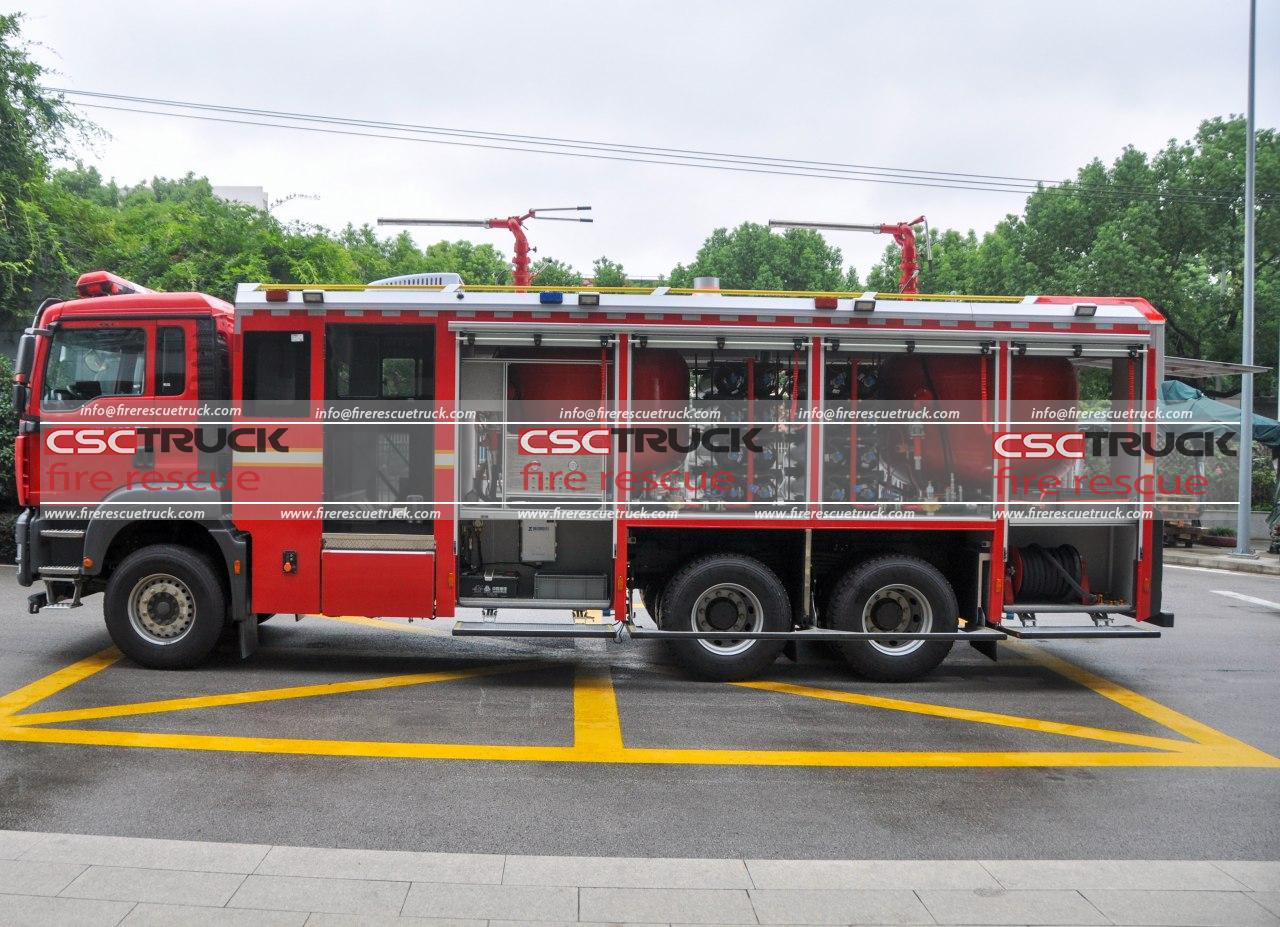
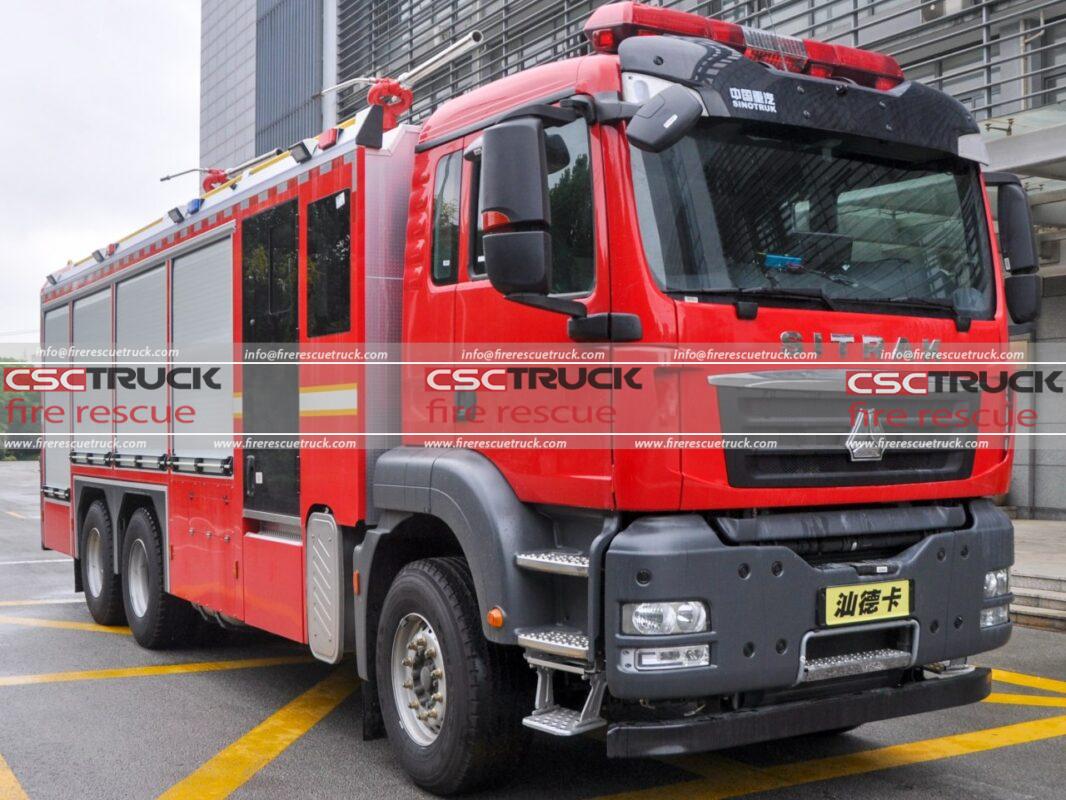
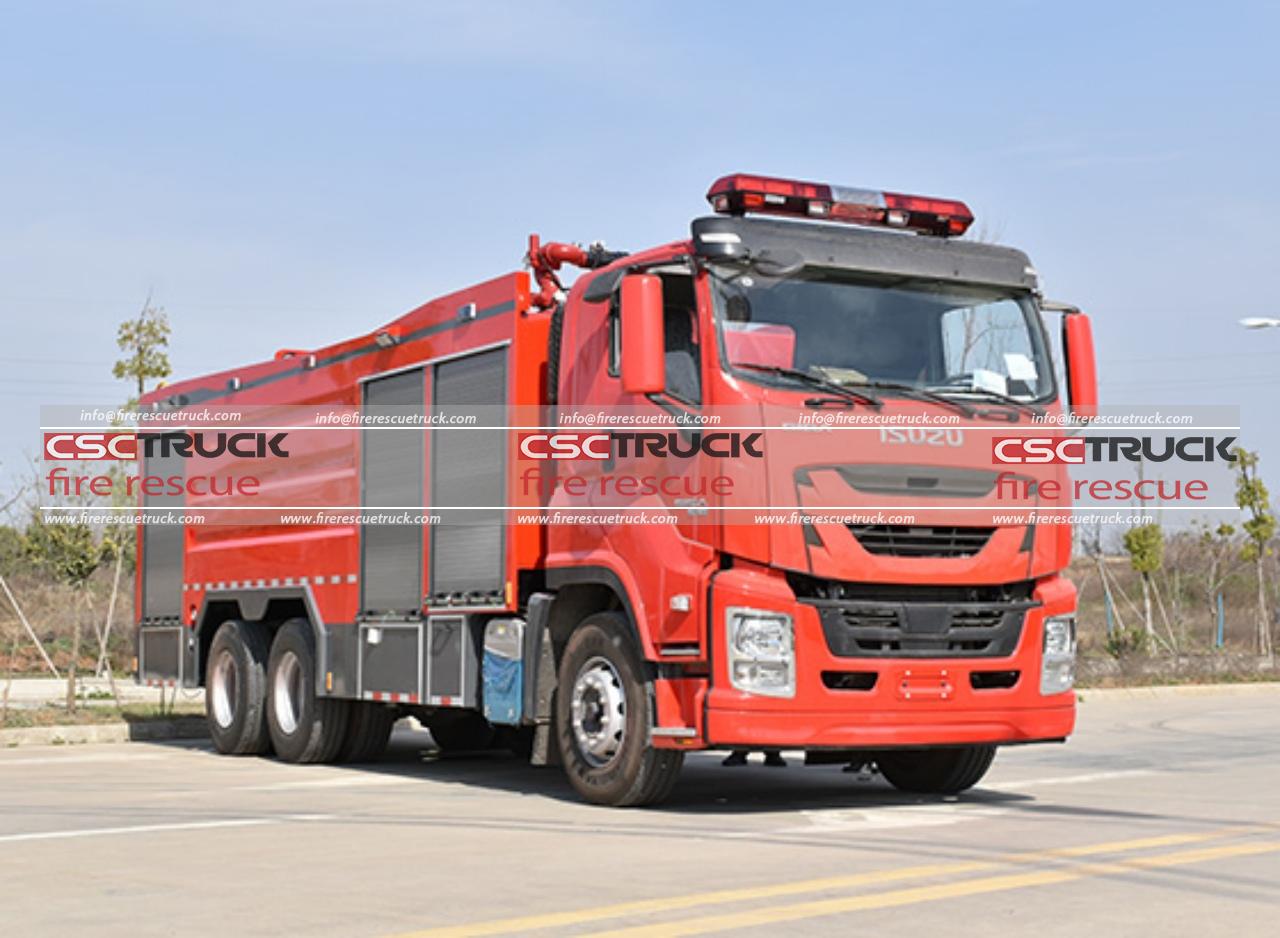
For professional firefighting operations, having the right equipment is equally important. CSCTRUCK Fire Rescue Truck specializes in the development and supply of fire rescue vehicles designed for different emergency response applications. Its product range includes various firefighting and rescue truck configurations intended to help fire departments respond to fires, rescue operations, and other emergencies. Learn more about the company and its fire rescue vehicle solutions at CSCTRUCK Fire Rescue Truck.
Whether an electrical fire occurs at home, in an office, workshop, commercial building, or industrial facility, understanding the correct response can help reduce injuries and property damage.
1. Recognize the Signs of an Electrical Fire
An electrical fire does not always begin with a large flame. It may start inside an outlet, electrical panel, appliance, wall, ceiling, battery charger, or piece of machinery.
Common warning signs include:
- A burning plastic or rubber smell
- Smoke coming from an outlet, appliance, or electrical panel
- Sparks or visible arcing
- Flickering or repeatedly dimming lights
- Buzzing or crackling sounds
- Warm or discolored outlets and switches
- Circuit breakers that trip repeatedly
- Damaged, frayed, or overheated electrical cords
The NFPA specifically identifies burning or rubbery smells, warm or discolored outlets, flickering lights, sparks, and recurring electrical problems as warning signs that should be investigated by a qualified professional.
If you notice these signs before flames appear, do not continue using the affected equipment. Disconnect it only if doing so can be accomplished safely, and contact a qualified electrician or building professional.

2. Stay Calm and Assess the Situation
When flames or smoke suddenly appear, the priority is protecting people—not saving equipment.
Determine whether the fire is:
- Small and confined to a single appliance or outlet
- Producing limited smoke
- Easily accessible without approaching dangerous electrical equipment
If the fire is spreading, producing heavy smoke, involving a wall or ceiling, or preventing you from safely reaching an electrical shutoff, do not attempt to fight it yourself.
Evacuate immediately and contact emergency services from a safe location.
3. Shut Off the Electricity if It Is Safe
If you can safely reach the electrical panel without passing through smoke or flames, switch off the breaker supplying the affected circuit. If necessary and safe, the main electrical supply can be disconnected.
Cutting the electrical supply removes the energized source and can substantially reduce the risk of electric shock while firefighting personnel address the incident.
However, never take unnecessary risks to reach the breaker. If the panel is surrounded by flames, smoke, water, or damaged electrical equipment, leave the area and allow trained responders to handle the power isolation.
Professional fire crews also treat electrical incidents differently from ordinary fires because electrical systems may remain energized until power isolation has been confirmed.
4. Never Throw Water on an Energized Electrical Fire
One of the most important rules of electrical fire safety is simple:
Never use water on an energized electrical fire.
Water can conduct electricity and create a serious shock or electrocution hazard. This is particularly dangerous when the fire involves outlets, electrical panels, appliances, machinery, extension cords, or other energized equipment.
Canadian utility safety guidance likewise recommends disconnecting power only when safe and using an appropriate Class C extinguisher rather than water for electrical equipment fires.
Even after the visible flames disappear, do not assume the electrical system is safe. Hidden damage can remain inside walls, cables, appliances, and electrical equipment.
5. Use the Correct Fire Extinguisher
If the fire is small, contained, and you have been trained to use a fire extinguisher, use an extinguisher that is rated for electrical fires.
In North American fire-classification systems, Class C covers energized electrical equipment. Multipurpose ABC extinguishers can also be suitable when their labeling indicates Class C capability.
For an appropriate extinguisher, remember the PASS method:
P — Pull the safety pin.
A — Aim at the base of the fire.
S — Squeeze the handle.
S — Sweep from side to side.
Maintain a safe escape route behind you. Never allow the extinguisher to place you between the fire and the exit.
If the extinguisher does not quickly control the fire, stop immediately, evacuate, and wait for firefighters.

6. Evacuate When the Fire Grows
A small electrical fire can become a much larger structural fire when flames spread to insulation, furniture, curtains, walls, ceilings, packaging, or other combustible materials.
Leave immediately if:
- Flames are spreading rapidly
- Smoke is becoming thick
- You hear explosions or loud electrical popping
- The electrical panel is involved
- Fire has entered a wall or ceiling
- You cannot identify the source
- Your extinguisher is ineffective
- You are unsure whether the power is disconnected
- Your escape route is becoming blocked
Never delay evacuation to collect valuable belongings.
Close doors behind you if possible without putting yourself at risk. This can help slow the spread of smoke and flames.
7. Call Emergency Services
Even if you successfully extinguish a small electrical fire, professional inspection may still be necessary.
Electrical components can remain hot or damaged after visible flames disappear. Fire can also travel through wall cavities and concealed spaces. A seemingly extinguished fire may therefore reignite.
Once you are in a safe location, contact your local emergency service and provide clear information about:
- The location of the fire
- What equipment appears to be involved
- Whether anyone is trapped or injured
- Whether the electrical supply has been disconnected
- Whether smoke is spreading through the building
Do not re-enter the building simply because the flames are no longer visible.
8. How Fire Rescue Trucks Support Electrical Fire Response
Electrical fires can occur in homes, factories, warehouses, power facilities, commercial buildings, construction sites, and other locations. Once an incident exceeds the ability of occupants to control it safely, professional firefighting resources become essential.
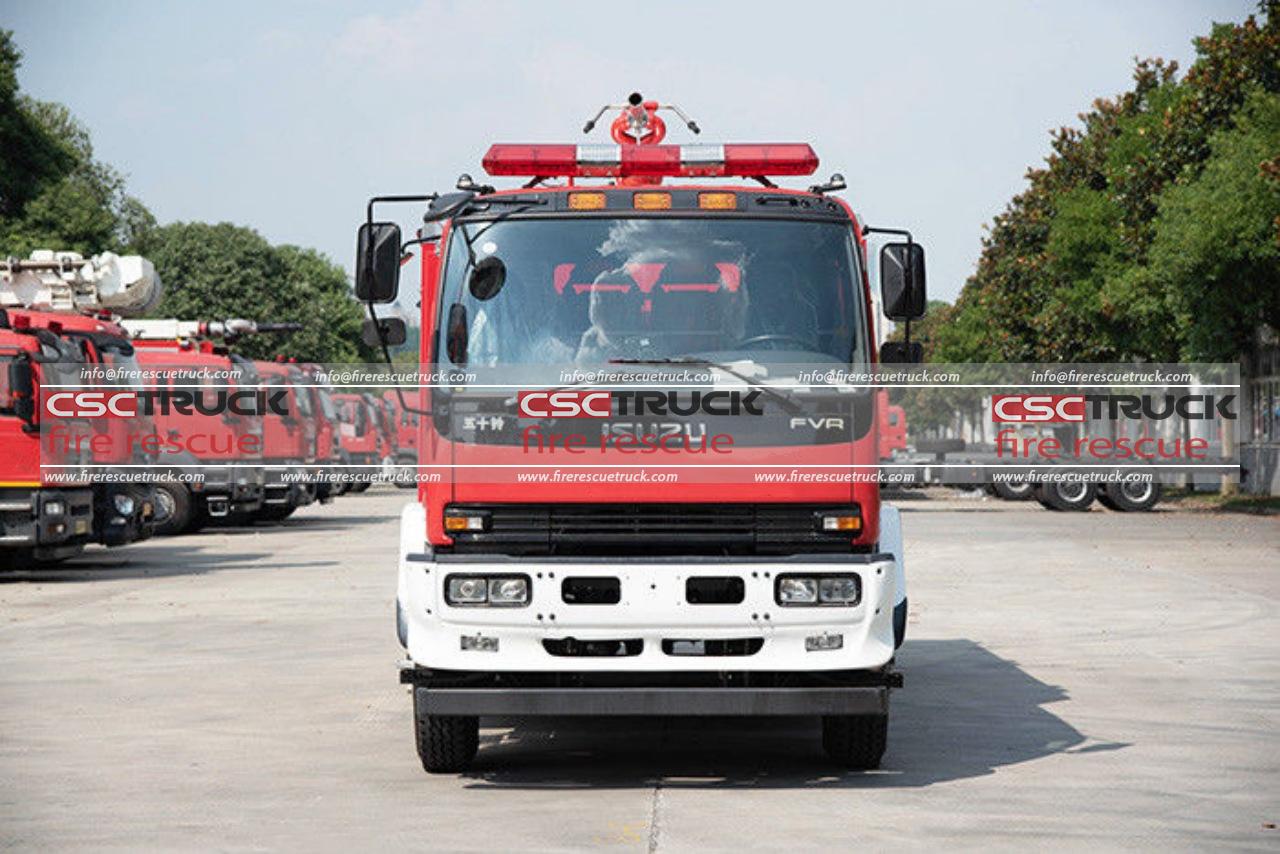
A modern fire rescue truck can serve as a mobile firefighting platform, carrying water, firefighting equipment, pumps, hoses, rescue tools, and other emergency-response equipment depending on its configuration.
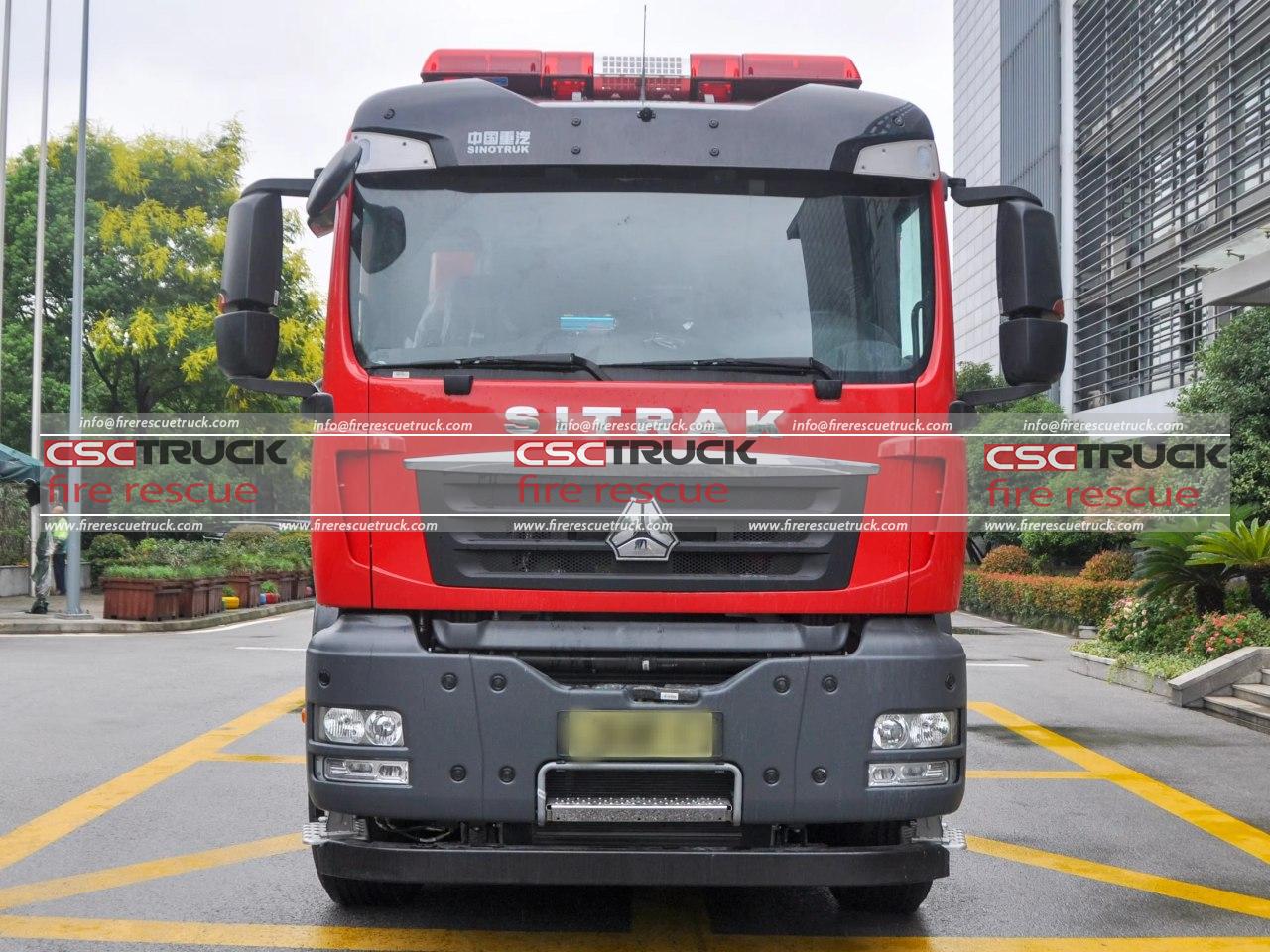
Manufacturers such as CSCTRUCK Fire Rescue Truck develop different fire truck configurations for applications ranging from general structural firefighting to specialized rescue and industrial emergency response. Vehicle configuration can include different chassis, water and foam capacities, pump systems, equipment compartments, and other firefighting components according to the operational requirements of the customer.
For electrical incidents, firefighters must first evaluate electrical hazards, establish safe working zones, and coordinate power isolation before selecting an appropriate firefighting strategy. Professional fire-service guidance emphasizes confirming power isolation, maintaining safety zones, and avoiding unnecessary exposure to energized electrical equipment.
9. Prevent Electrical Fires Before They Start
The best electrical-fire strategy is prevention.
The U.S. Fire Administration recommends plugging major appliances directly into wall outlets, avoiding extension cords for major appliances, replacing damaged cords, avoiding overloaded outlets and power strips, and keeping combustible materials away from lamps and light fixtures.
Homeowners and facility managers should also:
- Replace damaged electrical cords immediately
- Avoid overloading outlets
- Use properly rated extension cords
- Keep electrical cables away from heat and moisture
- Never cover electrical cords with carpets where they can be damaged
- Keep combustible materials away from electrical equipment
- Have recurring electrical problems inspected by qualified professionals
- Install and maintain appropriate smoke alarms
- Keep fire extinguishers accessible
- Maintain clear emergency exits
Regular inspection is particularly important in older buildings, industrial facilities, workshops, and locations with heavy electrical loads.
Conclusion
Knowing what to do when an electrical fire starts can make a critical difference. Recognize the warning signs, keep people away from danger, disconnect electricity only when it is safe, never throw water onto an energized electrical fire, and use an appropriately rated extinguisher only when the fire is small and you can safely control it.
Most importantly, know when to stop fighting the fire and evacuate. Firefighting is a professional task when an incident becomes large, rapidly spreading, or electrically hazardous.
For fire departments, municipalities, industrial facilities, airports, and other organizations that require specialized emergency vehicles, CSCTRUCK Fire Rescue Truck provides a range of fire rescue truck solutions designed around different firefighting and rescue requirements. Proper equipment, trained personnel, preventive maintenance, and effective emergency procedures together form the foundation of a safer response to electrical fires.