
Lithium-ion batteries have become an essential part of everyday life. Smartphones, laptops, tablets, electric tools, e-bikes, and portable power banks all rely on rechargeable batteries. Although these batteries are generally safe when properly manufactured, charged, and handled, a damaged or overheated battery can experience thermal runaway, potentially producing intense heat, flames, smoke, and flammable gases.
A battery or power bank fire can develop quickly, so knowing what to do before professional firefighters arrive is extremely important. The priority should always be protecting people, escaping safely, and preventing the fire from spreading rather than trying to save the device.
Why Battery and Power Bank Fires Are Dangerous
Most modern power banks use lithium-ion or lithium-polymer battery cells. If a cell becomes severely damaged, overheated, overcharged, short-circuited, or defective, an internal chemical reaction can cause rapid temperature increases.
Warning signs may include:
- The battery becomes unusually hot.
- The power bank begins swelling or deforming.
- Smoke or a strange odor appears.
- Hissing, popping, or crackling sounds are heard.
- The battery starts leaking.
- Sparks or flames appear.
Once thermal runaway begins, heat can spread from one cell to neighboring cells. Fire may therefore continue even after visible flames temporarily disappear. Fire-service guidance also warns that lithium-ion batteries can reignite after appearing to be extinguished.

1. Get People Away From the Fire
The first and most important action is to protect yourself and everyone nearby.
If a power bank starts smoking or burning, do not pick it up and carry it outside. A burning or severely overheated battery can release hot gases, flames, and potentially hazardous smoke.
Warn people nearby and move away from the area. If the battery is inside a house, office, hotel room, vehicle, or other enclosed space, evacuate the area and close doors behind you if this can be done safely.
Call your local emergency services once you are in a safe location.
Do not remain nearby simply to watch the battery burn.
2. Do Not Touch or Open a Burning Battery
A common mistake is attempting to open a power bank to remove its battery cells. This is extremely dangerous.
Never cut, puncture, crush, dismantle, or intentionally damage a battery that is hot, smoking, swollen, or burning. Damaging the battery can expose internal components and potentially accelerate the reaction.
You should also avoid touching a damaged battery with bare hands because leaked electrolyte may irritate the skin and eyes.
If the battery has already been damaged by impact, fire, or crushing, treat it as potentially unstable even if there are no visible flames. Lithium-ion batteries can react immediately or after a delay following severe damage.
3. Disconnect the Charger Only If It Is Safe
If the power bank is charging when the problem starts, disconnecting the charger may be appropriate only if you can do so without approaching flames, smoke, or an electrical hazard.
Never put yourself at risk to unplug the device.
Do not touch damaged electrical equipment or wiring if water is present or if there is a possibility of electric shock. Your safety is more important than saving the charger or battery.
4. What Extinguishing Agent Should Be Used?
For lithium-ion battery fires, water is generally not important because cooling is critical. Fire-service emergency-response guidance recommends large amounts of water for lithium-ion battery fires, particularly when the battery itself is involved.
This is an important distinction from the common belief that water should never be used around batteries.
For a small consumer battery or power-bank fire, however, an untrained person should not approach a dangerous fire simply to apply water. If the fire is already producing significant flames, dense smoke, popping sounds, or rapid heat, evacuate and let firefighters handle it.
Dry chemical, CO₂, or other extinguishing agents may suppress visible flames in some situations, but they may not provide sufficient cooling to stop the internal battery reaction. NFPA material notes that dry chemicals and CO₂ can remove visible flames without adequately cooling the battery, creating a risk of continued thermal runaway and reignition.
Therefore, do not assume that a fire extinguisher has completely solved a lithium-ion battery fire simply because the flames disappear.
5. Never Use Your Hands to Move a Burning Power Bank
A burning power bank may look small, but its internal cells can be extremely hot.
Do not:
- Pick it up with your hands.
- Put it in a bucket or bag.
- Carry it outside while it is burning.
- Throw it into a sink or bathtub.
- Cover it with clothing or blankets.
- Place another object on top of it.
- Put a damaged battery back into a charger.
Moving the battery can expose you to heat, flames, toxic smoke, or electrical hazards.
If the fire is spreading to furniture, curtains, a vehicle interior, or other combustible materials, treat it as a normal developing fire and evacuate immediately.
6. Stay Away From the Smoke
Smoke from a burning lithium-ion battery should not be treated as harmless.
Battery failure can produce gases that are irritating, toxic, and potentially flammable. NFPA emergency-response guidance specifically warns that gases released from lithium-ion batteries can be toxic.
If you encounter smoke:
- Move away from the smoke.
- Stay low if smoke is accumulating near the ceiling while you are evacuating.
- Avoid breathing the smoke.
- Do not re-enter the room to retrieve personal belongings.
- Tell firefighters that a lithium-ion battery or power bank is involved.
If someone has inhaled significant smoke or has symptoms such as difficulty breathing, seek emergency medical assistance.
7. Watch for Reignition
One of the most important characteristics of lithium-ion battery incidents is that the danger may not end when visible flames disappear.
A battery can remain extremely hot internally. Residual heat may cause another cell to enter thermal runaway later. Fire-service guidance recommends continued cooling and monitoring, including thermal imaging where available, because batteries can reignite after apparent extinguishment.
For this reason, do not immediately pick up a battery that has stopped burning or assume it is safe because there is no longer smoke.
Professional firefighters can use appropriate cooling techniques and thermal imaging equipment to identify remaining heat sources.
8. What to Do After the Fire
After firefighters have dealt with the incident, do not place the damaged battery back into normal household waste or recycling unless the responsible waste facility specifically accepts it.
A fire-damaged or swollen lithium-ion battery should be treated as potentially hazardous.
Keep the damaged device away from combustible materials and follow instructions from the fire department, battery manufacturer, or appropriate hazardous-waste/recycling authority.
The charger and cable should also be inspected before reuse. If they show signs of melting, burning, cracking, or other damage, they should not be used.
How to Prevent Power Bank Fires
Prevention is much easier than responding to a battery fire.
Choose reputable batteries and chargers and follow the manufacturer’s charging instructions. Avoid using visibly damaged, swollen, leaking, or overheating power banks.
Additional precautions include:
- Do not cover a power bank while it is charging.
- Keep charging devices away from beds, sofas, paper, clothing, and other combustible materials.
- Avoid exposing batteries to extreme heat.
- Do not use batteries with damaged housings.
- Use compatible chargers and cables.
- Do not crush or puncture portable batteries.
- Avoid charging damaged devices.
- Stop using a power bank if it becomes unusually hot or swollen.
- Keep smoke alarms operational in your home.
USFA electrical-fire guidance also recommends replacing damaged electrical cords and avoiding overloaded electrical equipment.
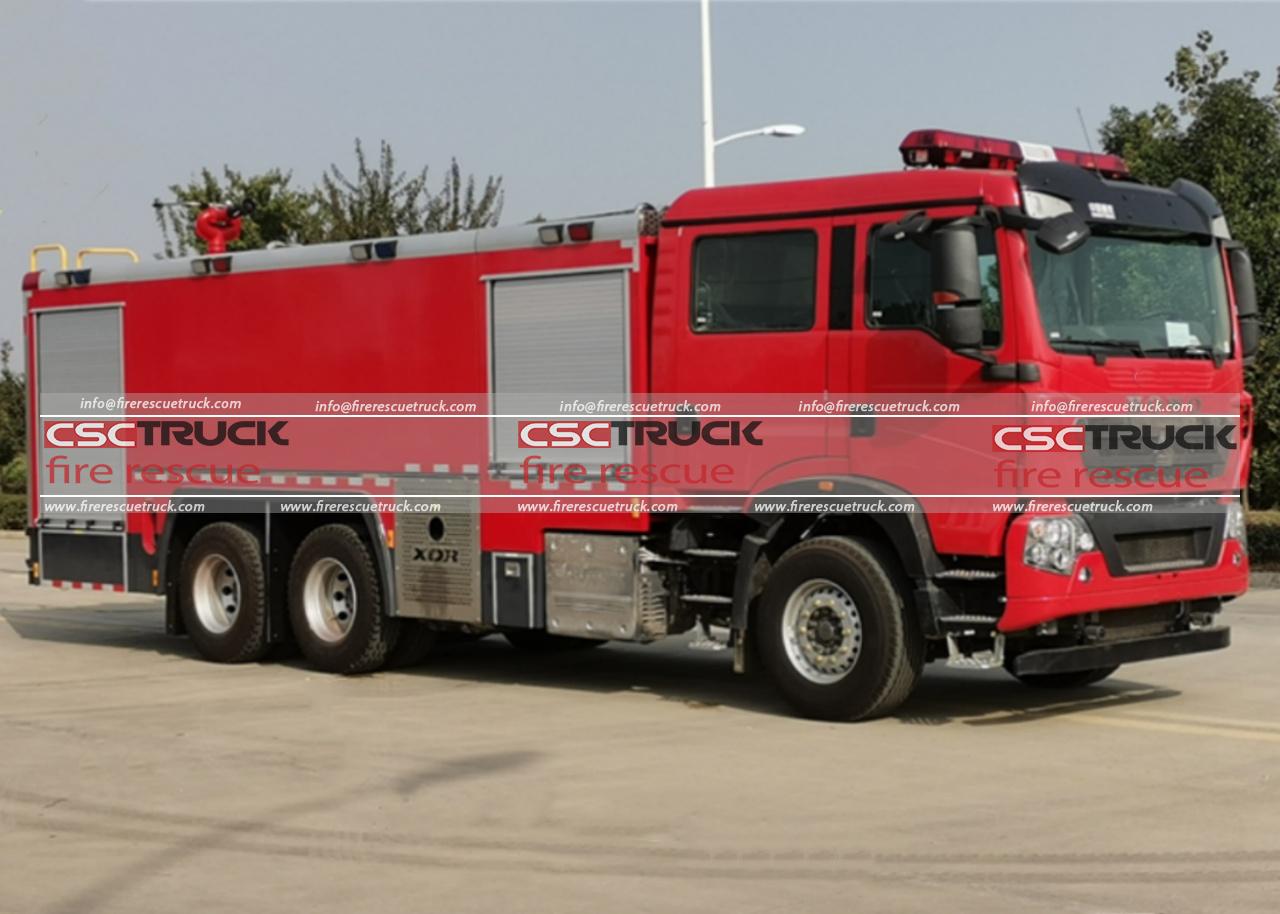
The Role of Professional Fire Rescue Trucks
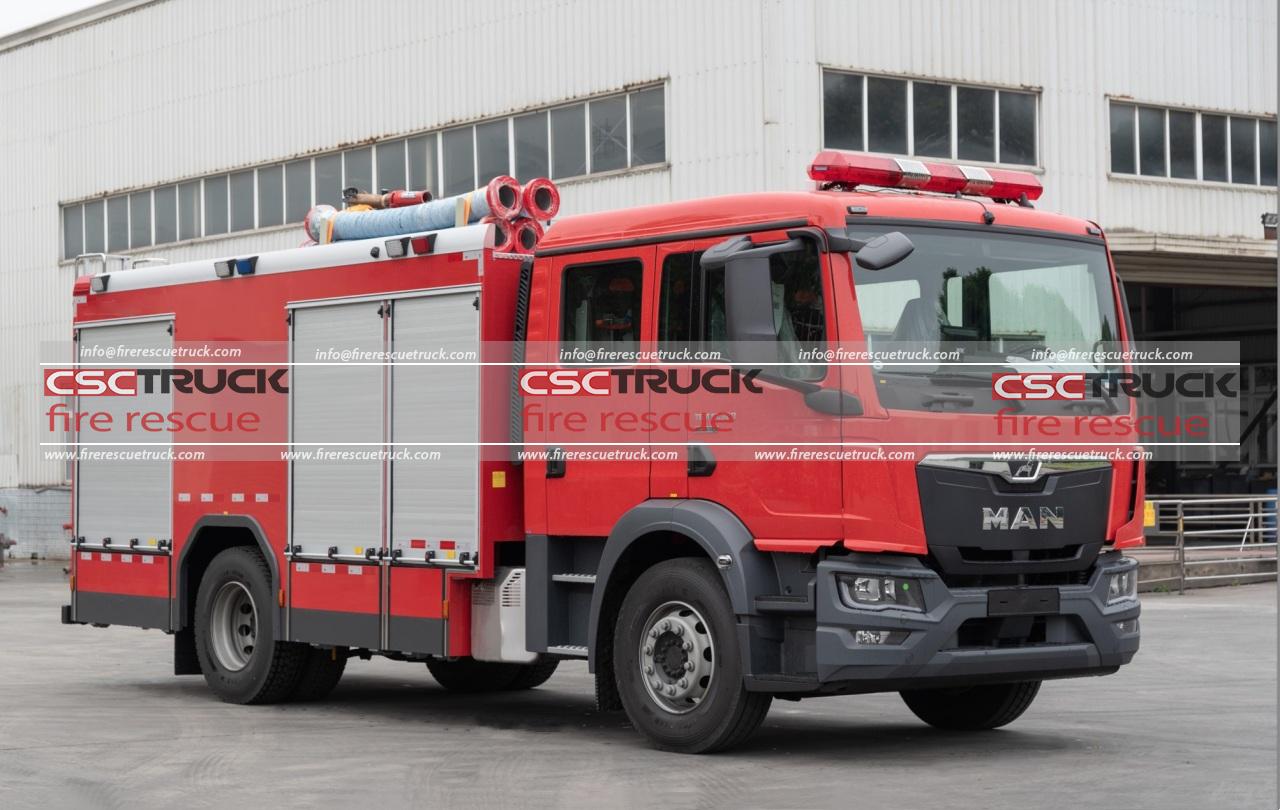
When a battery fire exceeds the capabilities of a household response, professional firefighting equipment becomes essential. Firefighters need reliable water supply, pumping capacity, hose systems, protective equipment, ventilation capabilities, and specialized tools to control the incident while protecting personnel and surrounding property.
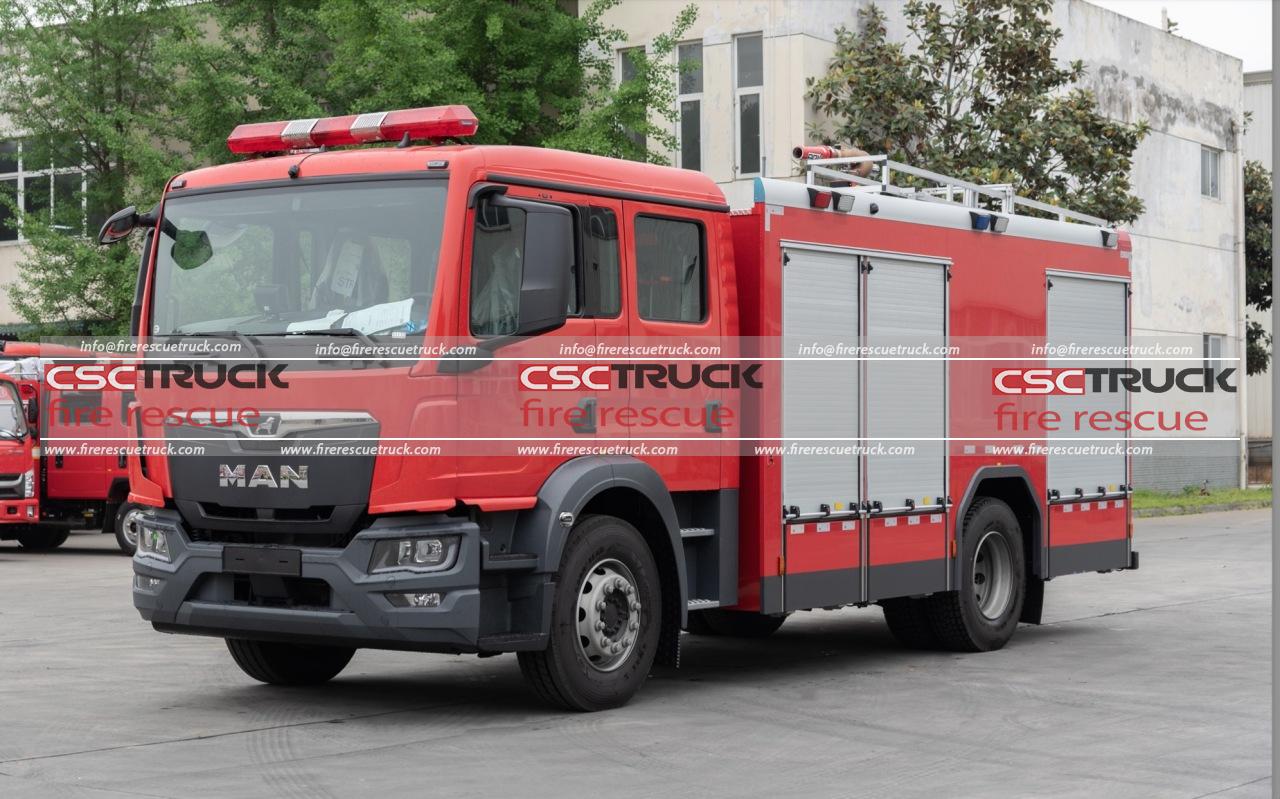
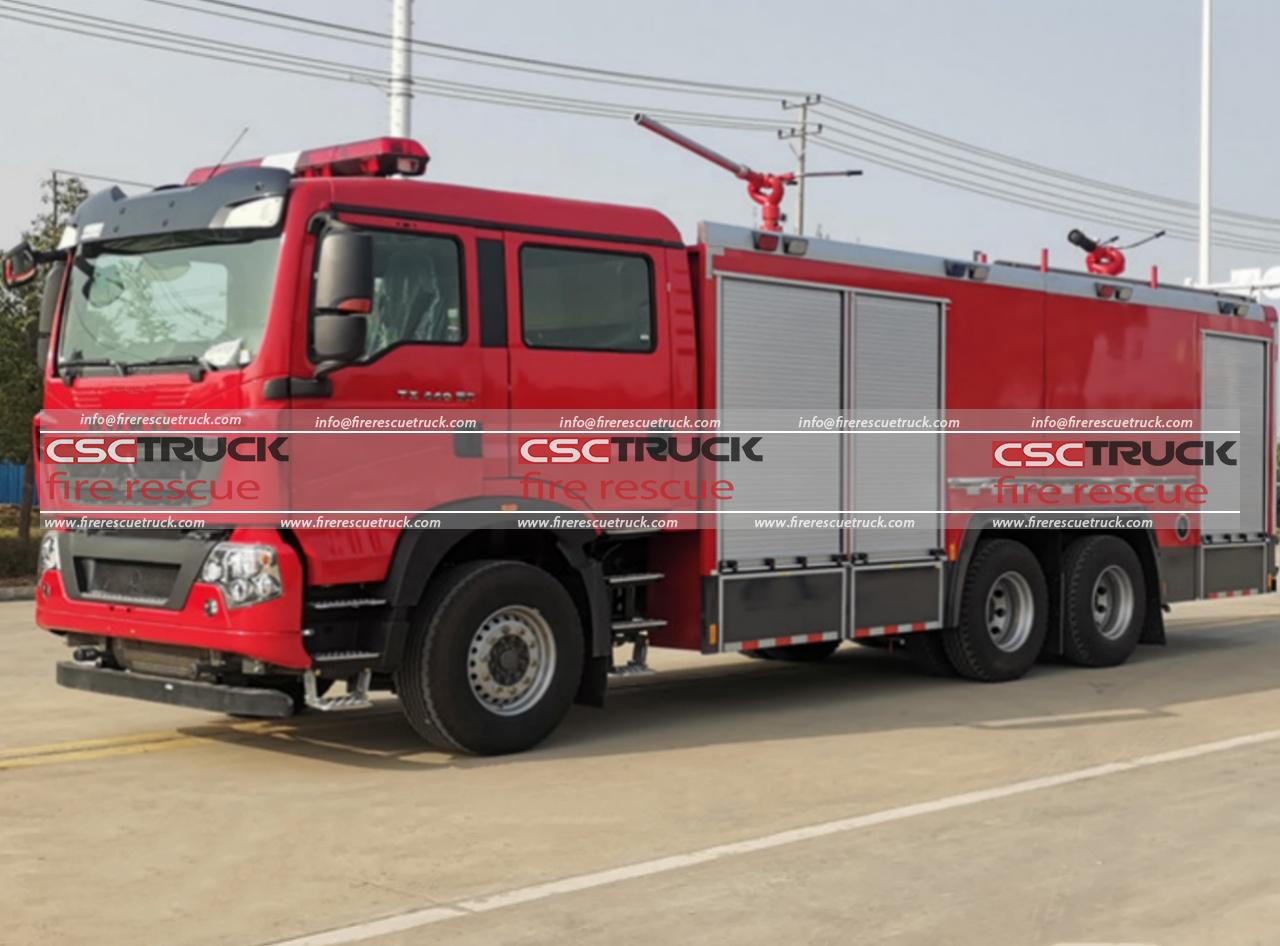
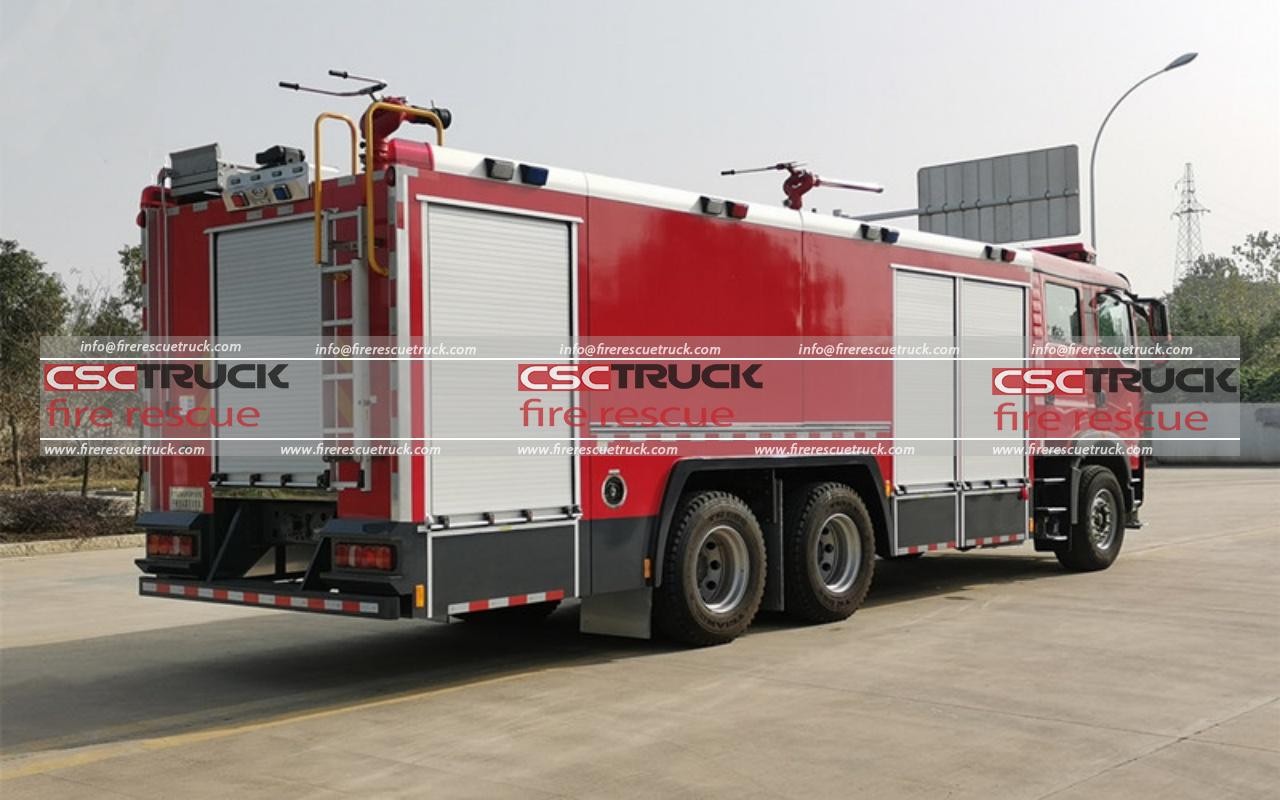
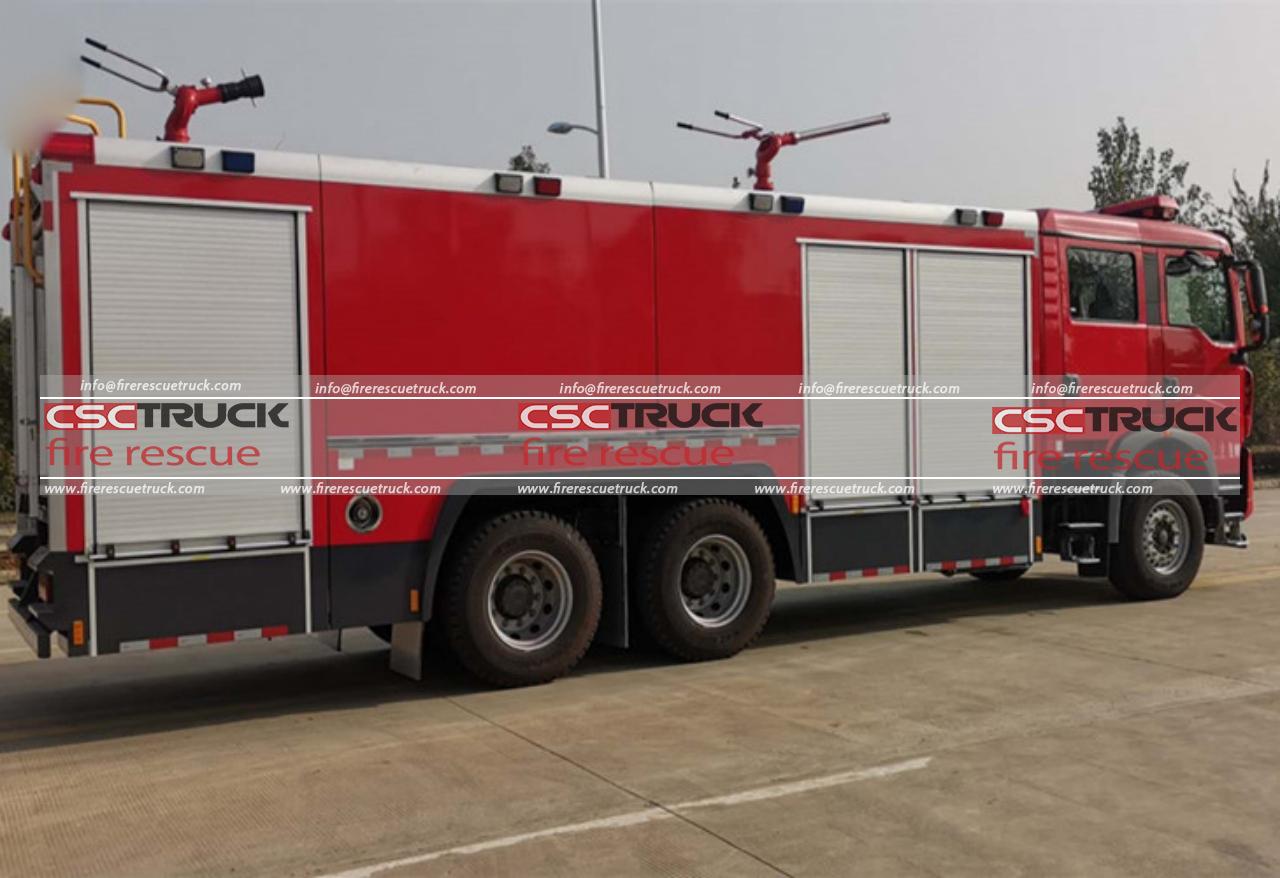
CSCTRUCK Fire Rescue Truck provides a range of professional fire and rescue vehicles designed for different emergency-response applications. Depending on the configuration, fire trucks can be equipped with water tanks, foam systems, fire pumps, hose reels, monitors, rescue equipment, and other firefighting systems.
For battery-related incidents, the ability to deliver an adequate and sustained water supply can be particularly important because cooling is a key part of controlling lithium-ion battery fires. Professional fire trucks therefore provide much greater firefighting capability than portable extinguishers or household equipment.
Final Thoughts
A burning battery or power bank should always be taken seriously. The safest approach for ordinary users is simple: Recognize the warning signs, keep away from the battery, evacuate when necessary, call emergency services, and never put yourself at risk trying to save a device.
Lithium-ion battery fires can involve intense heat, hazardous smoke, rapid fire development, and possible reignition. Professional firefighters have the equipment and training required to manage these hazards safely. For fire departments and emergency-response organizations, properly configured fire rescue trucks provide the water, pumping systems, firefighting equipment, and operational capability needed to respond to increasingly diverse fire hazards, including incidents involving modern battery-powered equipment.