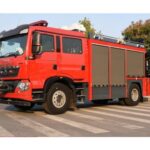
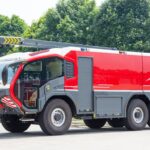
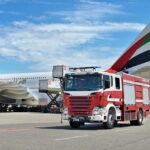
In the modern era of firefighting and emergency management, efficiency, adaptability, and multi-role capability are essential. The combination rescue truck, also known as a multi-purpose rescue vehicle, represents one of the most versatile and mission-ready emergency response vehicles available today. Designed to perform a wide range of rescue and support functions, it integrates multiple rescue tools, storage systems, and life-support equipment into a single unit. Whether responding to urban disasters, industrial accidents, traffic collisions, or natural calamities, the combination rescue truck stands as an indispensable asset for fire departments and emergency response agencies worldwide.
1. Overview of the Combination Rescue Truck
A combination rescue truck is engineered to provide comprehensive rescue capabilities within 1 self-contained vehicle platform. Unlike single-purpose fire or rescue trucks that specialize in 1 domain—such as firefighting, hazardous material handling, or technical rescues—the combination rescue truck merges several functions.
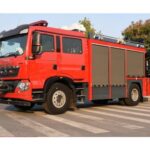
Typically mounted on a heavy-duty commercial or custom-built chassis, these trucks are equipped to carry hydraulic rescue tools (like the “Jaws of Life“), power generators, lighting systems, air compressors, firefighting pumps, and even medical equipment. The primary goal is to ensure that responders can address a wide range of emergencies without the need for multiple specialized vehicles.
This multipurpose nature not only reduces operational costs but also allows faster deployment, as 1 vehicle can perform the roles of several.
2. Design and Construction Features
The design of a combination rescue truck reflects precision engineering and ergonomic functionality. Each component is thoughtfully integrated to optimize efficiency, storage, and response speed.
Chassis and Body Structure:
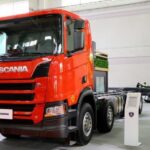
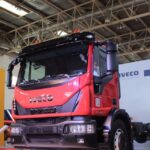
The truck is usually built on durable platforms from brands such as MAN, Scania, Mercedes-Benz, or HOWO. It features a reinforced steel or aluminum body with corrosion-resistant coatings, designed to withstand harsh environmental and operational conditions.
Compartmentalized Storage System:
Interior and exterior compartments are modularly arranged with adjustable shelving, pull-out trays, and slide-out drawers to store various rescue tools, medical kits, ropes, and protective gear. LED lighting inside compartments enhances visibility during night operations.
Rescue Equipment Integration:
The truck carries hydraulic cutting and spreading tools, pneumatic lifting bags, electric winches, chainsaws, and other extrication gear. Some versions even include telescopic cranes or boom arms for heavy lifting operations.
Power and Lighting Systems:
To operate independently at disaster scenes, the truck includes onboard generators, air compressors, and telescopic light masts. These systems provide power for tools and illumination for night or low-visibility rescues.
Firefighting Capability (Optional):
Some combination rescue trucks incorporate a small water or foam tank, along with a portable or built-in pump. This allows first responders to manage initial fire suppression before larger fire apparatus arrive.
3. Functional Capabilities and Applications
The strength of the combination rescue truck lies in its adaptability across different emergency scenarios. Its multi-functional design supports a variety of missions:
Traffic Accident Rescue:
Equipped with hydraulic rescue tools and stabilization equipment, the truck is ideal for freeing victims trapped in vehicles after road or highway accidents.
Urban and Industrial Rescue:
In cities and industrial zones, it serves in building collapses, machinery entrapments, and confined-space rescues. The inclusion of cranes and lifting tools enhances its ability to manage heavy debris removal.
Natural Disaster Response:
During earthquakes, floods, or storms, the truck provides power, lighting, and access to essential rescue gear. It can transport personnel, deliver emergency supplies, and assist in evacuation efforts.
Fire Support and First Response:
With an optional fire suppression capability, it can handle small fires or provide backup for main fire trucks. Additionally, the onboard generator and lighting systems make it valuable for nighttime fireground operations.
Hazardous Material Incidents:
Many combination rescue trucks carry specialized detection instruments and protective suits for dealing with chemical or gas leaks, making them an essential tool for hazmat response teams.
While specifications vary depending on manufacturer and mission requirements, a typical combination rescue truck includes the following parameters:
Chassis:MAN TGM / Mercedes-Benz Atego / HOWO 4×2 or 6×4 drive type
Engine Power: 280–400 HP Euro 5/6 compliant diesel engine
Overall Dimensions: Approx. 9,000–10,500 mm (L) × 2,500 mm (W) × 3,500 mm (H)
Gross Vehicle Weight: 16,000–20,000 kg
Crew Capacity: 2–6 persons
Rescue Tools: Hydraulic cutters, spreaders, rams, winch, power units, and pneumatic lifting bags
Lighting and Power: 10–20 kVA generator, telescopic light tower (4–6 LED floodlights), portable searchlights
Storage Compartments: Modular aluminum cabinets with roller shutters
Water Tank (optional): 500–1,000 L for light fire suppression
Crane/Lifting Device (optional): 2–5 ton hydraulic knuckle boom crane
Communication Systems: Integrated radio, GPS, and PA system
5. Advantages of the Combination Rescue Truck
The combination rescue truck offers numerous operational and logistical advantages that enhance its appeal to emergency services:
Multi-Role Efficiency:
One vehicle can handle multiple rescue types, reducing the need for a large fleet.
Rapid Deployment:
With all essential tools onboard, responders can begin operations immediately upon arrival.
Cost-Effective Operation:
Consolidating several roles into one vehicle minimizes fuel consumption, maintenance, and manpower costs.
Enhanced Coordination:
Centralized storage and system integration streamline teamwork among rescue personnel.
Customizability:
Each unit can be tailored with different tool sets, cranes, or pump systems based on regional and departmental needs.
Improved Safety:
Ergonomic designs, non-slip surfaces, anti-corrosion materials, and intuitive equipment layouts ensure both operator safety and efficiency.
6. Real-World Use and Deployment
Combination rescue trucks are widely adopted by fire and emergency departments across Europe, Asia, and the Middle East. They are particularly useful in cities with mixed hazards—where fires, traffic accidents, and industrial emergencies are all possible within the same response area.
For example, in industrial parks or airports, combination rescue trucks often serve as the first-response unit. Their rapid arrival and multi-purpose toolset allow them to stabilize incidents before specialized teams arrive. In remote or rural regions, they act as an all-in-one rescue center, equipped with mobile power, lighting, and communication systems to support extended operations.
7. Conclusion
The combination rescue truck epitomizes the evolution of emergency response vehicles—combining power, versatility, and innovation into a single, mission-ready unit. Its ability to perform multiple rescue functions, support firefighting, and provide on-site power and lighting makes it a cornerstone of modern emergency management.
Whether responding to urban accidents, industrial emergencies, or natural disasters, this vehicle ensures that rescue teams can act swiftly and effectively, even under the most demanding conditions. By integrating technology, practicality, and flexibility, the combination rescue truck stands as a vital component of today’s global emergency response infrastructure—truly a versatile combination rescue vehicle for emergency operations.