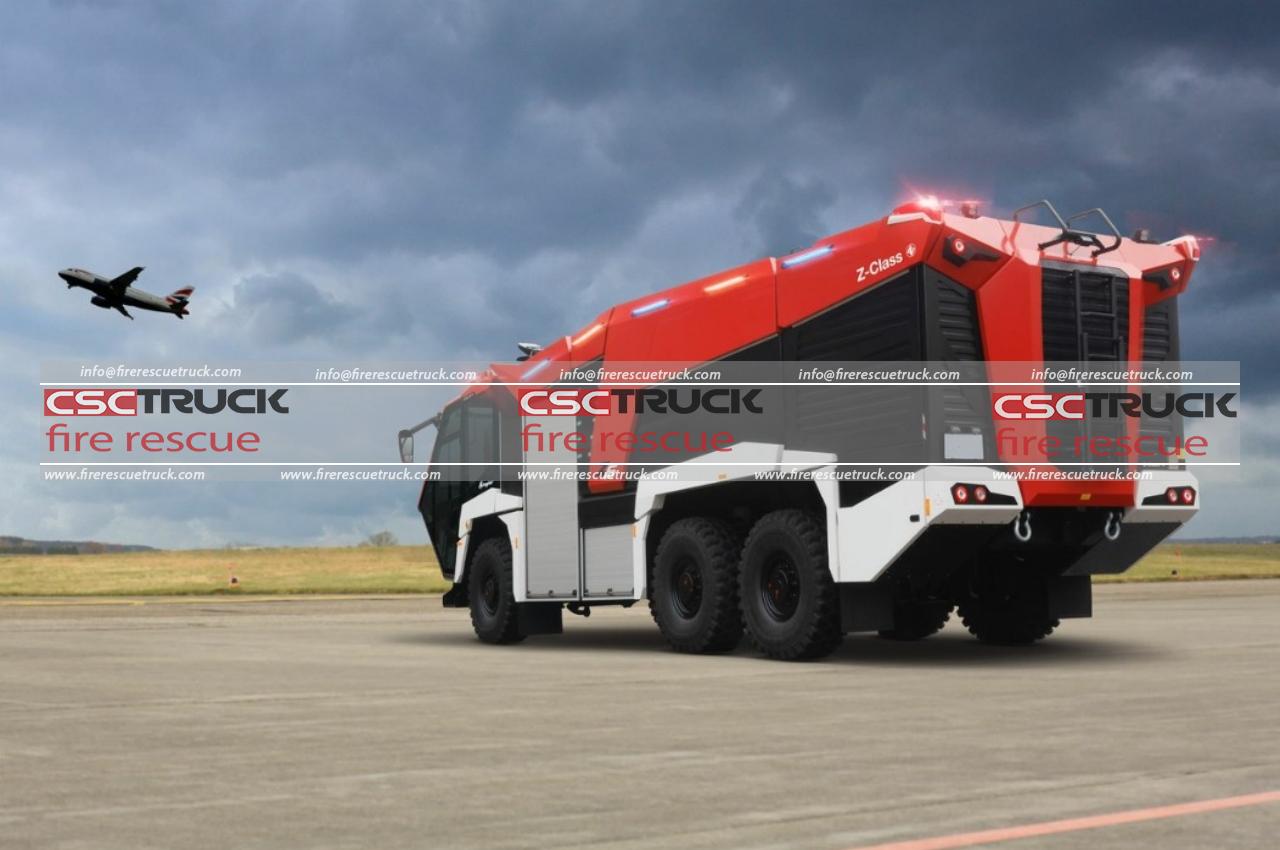
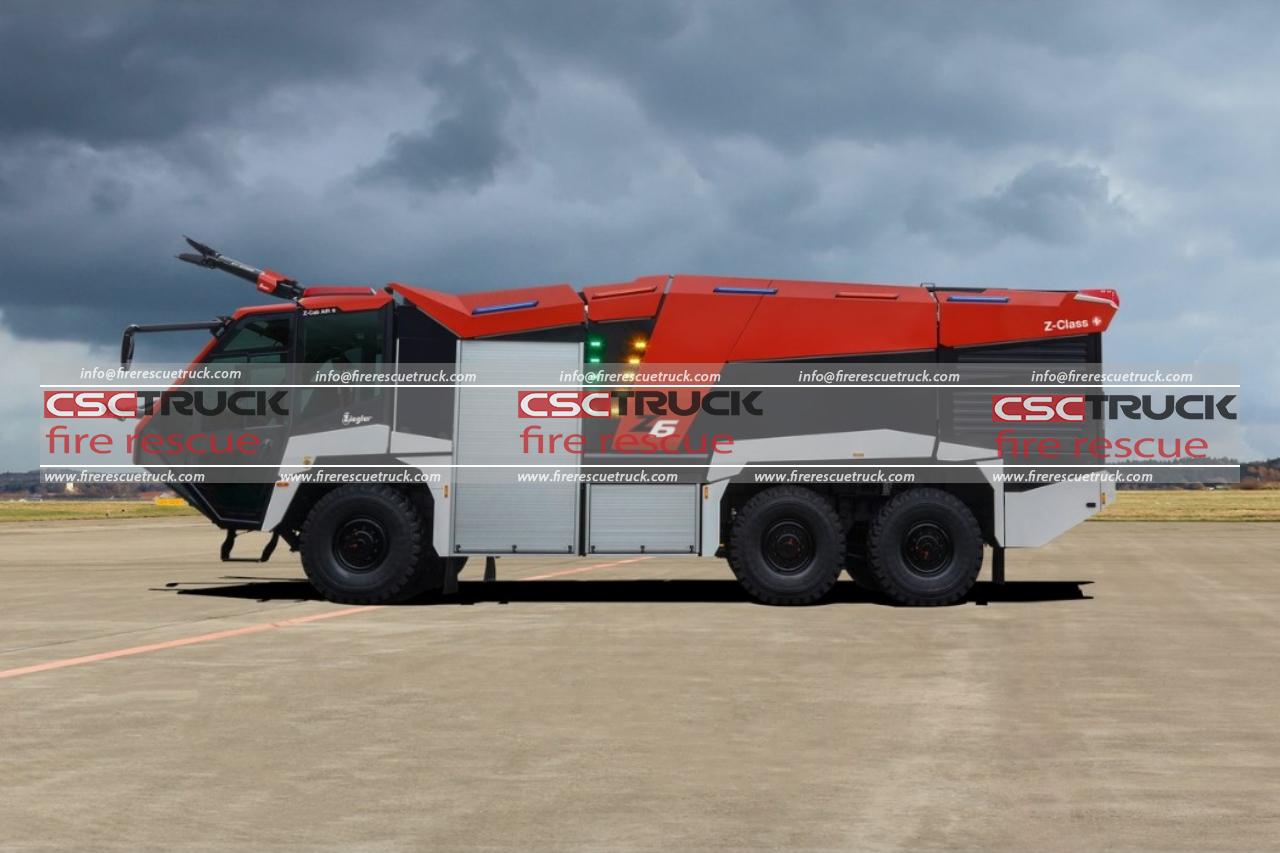
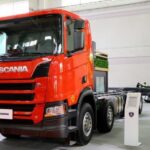
Airports are among the most safety-critical environments in the world, where the potential for high-intensity fire emergencies is ever-present due to the presence of jet fuel, large passenger volumes, and complex aircraft systems. To ensure rapid response and effective fire suppression in these unique conditions, specialized vehicles known as Airport Rescue Fire Fighting (ARFF) trucks are deployed at airports worldwide. These vehicles represent the pinnacle of firefighting technology, combining immense power, specialized equipment, and advanced safety systems to manage aircraft fire incidents and protect lives.
1. Introduction to Airport Rescue Fire Fighting Trucks
An Airport Rescue Fire Fighting Truck, often abbreviated as ARFF truck, is a specialized fire apparatus designed explicitly for responding to aircraft fire and rescue operations within airport grounds. Unlike municipal fire trucks, ARFF vehicles are engineered for speed, off-road maneuverability, and the ability to deliver large volumes of firefighting agents within seconds.
These rescue fire trucks operate under stringent international standards, primarily set by organizations such as the International Civil Aviation Organization (ICAO) and the National Fire Protection Association (NFPA 414), which define performance criteria including acceleration, agent discharge rates, and vehicle endurance.
The mission of an ARFF truck is not limited to extinguishing fires; it encompasses rescue operations, hazardous material control, and rapid mitigation of emergencies involving passengers and crew.
2. Key Design Features of ARFF Trucks
Modern ARFF trucks are sophisticated, purpose-built machines designed to perform effectively in the extreme conditions of aircraft fire incidents. Some of their most critical design features include:
a. High-Speed Response Capability
Airport fire stations are strategically located to meet ICAO’s “response time” requirement — ARFF vehicles must reach any part of the operational runway within 2 to 3 minutes. To meet this standard, ARFF trucks are equipped with high-powered engines (typically 700–1,400 horsepower) and advanced all-wheel-drive systems to handle both paved runways and rough terrain.
b. Large Agent Capacity
ARFF trucks carry multiple firefighting agents to combat different types of fires. Typical capacities include:
Water tank: 6,000 to 12,000 liters
Foam concentrate tank: 600 to 1,200 liters
Dry chemical or clean agent tank: 250 to 500 kilograms
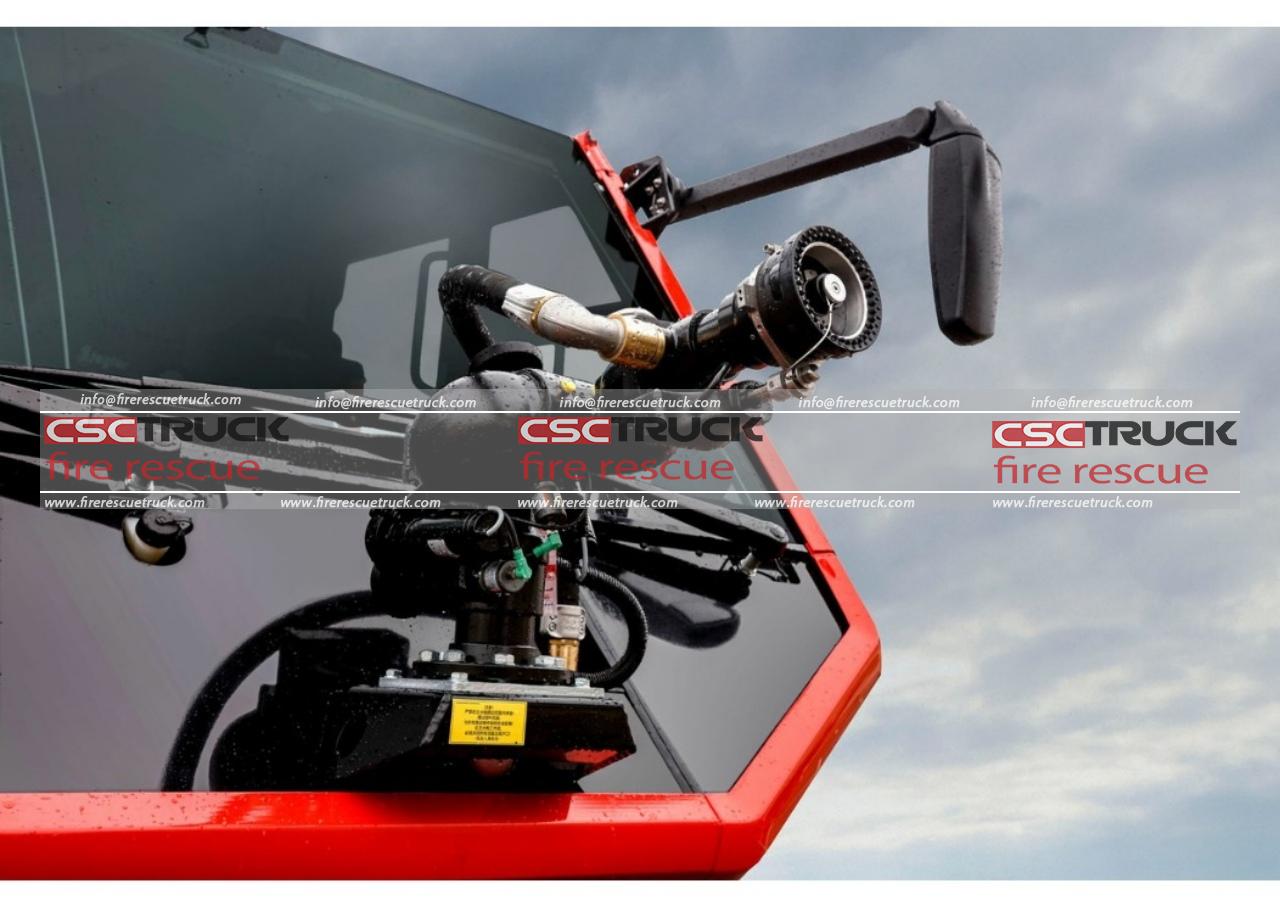
These agents are discharged through roof- and bumper-mounted turrets capable of delivering 6,000–12,000 liters per minute, enabling firefighters to blanket large areas quickly.
c. Advanced Fire Suppression Systems
ARFF trucks utilize dual-agent systems — water mixed with foam concentrate for hydrocarbon fires, and dry chemical powder for electrical or fuel-related fires. The foam, often based on Aqueous Film Forming Foam (AFFF), forms a barrier that smothers flames and prevents re-ignition.
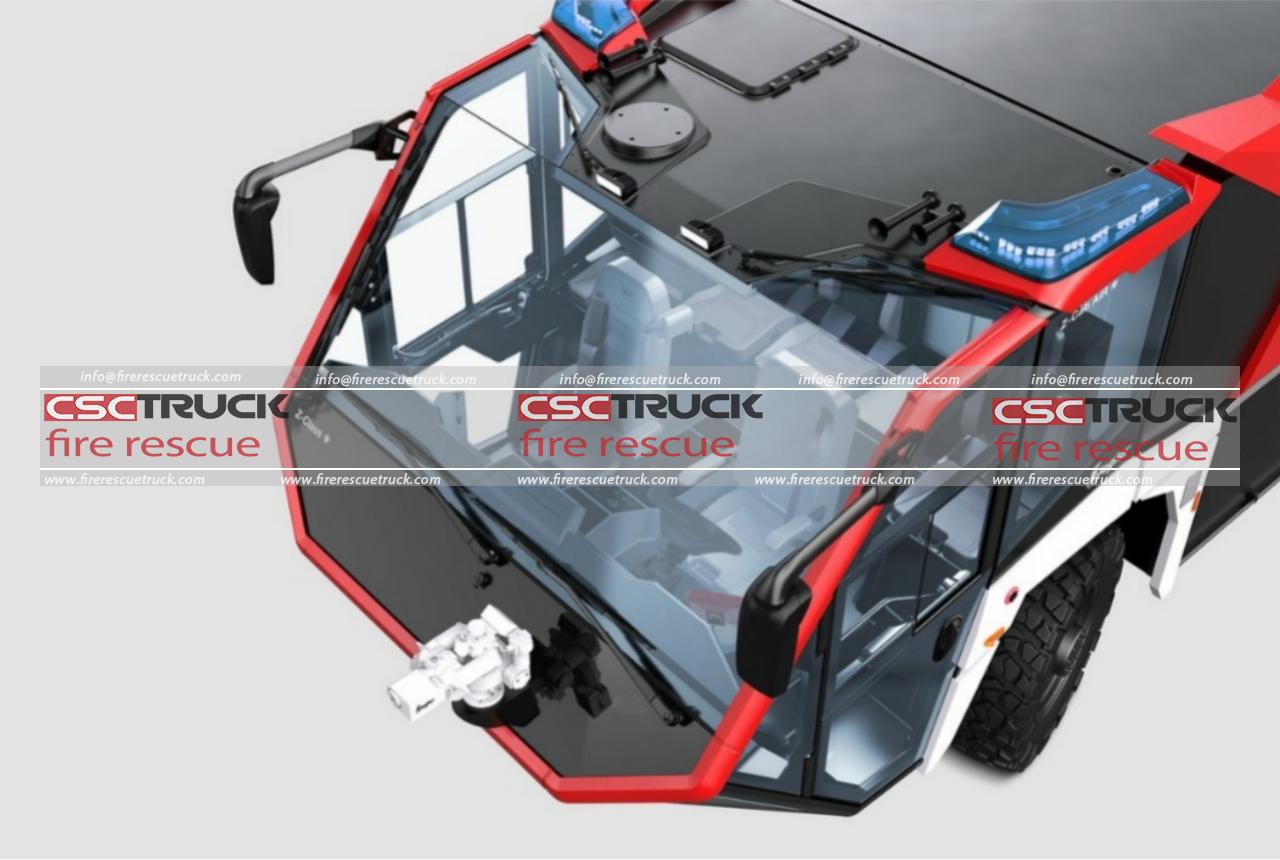
Modern ARFF systems include High Reach Extendable Turrets (HRET), which can pierce aircraft fuselages and inject foam directly into cabin or cargo compartments. This feature significantly enhances interior firefighting and rescue efficiency.
d. Superior Mobility and Stability
ARFF trucks are built on specialized chassis with 6×6 or 8×8 drive configurations, providing maximum traction and stability. Wide, low-pressure tires allow the vehicle to traverse soft ground or grassy areas near runways. Additionally, the suspension systems are designed for high-speed cornering and rapid acceleration without compromising control.
e. Ergonomic Crew Cabin
The cab is designed for maximum visibility, communication, and control. It typically accommodates two to four firefighters and includes integrated thermal imaging systems, GPS navigation, vehicle status monitoring, and communication radios. The interior layout allows firefighters to coordinate operations seamlessly during high-stress emergencies.
3. Operational Performance and Capabilities
The operational efficiency of an ARFF truck lies in its ability to combine speed, capacity, and precision under pressure. During a typical aircraft fire emergency, the vehicle must accelerate from a stationary position to full operational speed in seconds, deploy suppression agents effectively, and support rescue efforts simultaneously.
Rapid Acceleration and Deployment
High-performance ARFF vehicles, such as those produced by Rosenbauer (Panther series), Oshkosh (Striker series), or Magirus, can reach speeds of 110–120 km/h and accelerate from 0 to 80 km/h in less than 30 seconds. This ensures rapid arrival even across extensive airport facilities.
Precision Discharge Systems
Roof and bumper turrets are remotely controlled, allowing accurate foam or powder delivery while the truck is still moving. The HRET systems can extend up to 20 meters, providing elevated reach for aircraft wings, engines, and upper fuselage fires.
Night and All-Weather Operation
ARFF trucks are equipped with infrared cameras, scene lighting systems, and anti-skid braking, enabling effective operation under low visibility or extreme weather conditions. Their sealed electrical systems and corrosion-resistant materials ensure long-term reliability in demanding airport environments.
4. Safety and Rescue Functions
In addition to firefighting, ARFF trucks play a crucial role in rescue and evacuation operations. The vehicles often carry specialized tools such as hydraulic cutters, spreaders, airbags, and breathing apparatus to assist in extracting trapped passengers or crew.
Some models include onboard decontamination systems, first aid equipment, and emergency lighting arrays to support operations during mass-casualty incidents or hazardous material spills.
The crew’s training is equally vital — ARFF firefighters undergo rigorous drills simulating aircraft fires, fuel leaks, and passenger evacuation scenarios to ensure readiness at all times.
5. Compliance and Standards
Every ARFF vehicle must adhere to strict international and regional standards to ensure reliability and uniformity in performance. The key standards include:
ICAO Annex 14 (Aerodromes) – defines minimum firefighting and rescue requirements at airports.
NFPA 414 (Standard for Aircraft Rescue and Fire-Fighting Vehicles) – outlines vehicle performance, construction, and agent discharge parameters.
EN 1846 and ISO 7206 specify European design and testing requirements.
Compliance with these standards ensures that ARFF vehicles can respond effectively within globally accepted performance limits.
6. Technological Advancements in Modern ARFF Trucks
Recent years have seen major innovations in ARFF technology aimed at improving performance, sustainability, and operator safety.
Hybrid and Electric ARFF Trucks: Some manufacturers now offer electric or hybrid models, such as the Rosenbauer Panther Electric, which combines zero-emission technology with high power output.
Digital Control Systems: Integration of touchscreen panels, data logging, and vehicle telematics enhances situational awareness and maintenance efficiency.
Smart Agent Management: Automated proportioning systems optimize foam and water usage, reducing waste and environmental impact.
Cabin Safety Enhancements: Reinforced cab structures, rollover protection, and improved climate control ensure firefighter safety and comfort during extended operations.
7. Conclusion
The Airport Rescue Fire Fighting Truck (ARFF) stands as a cornerstone of airport safety infrastructure. It represents the perfect blend of engineering excellence, rapid response capability, and operational reliability. From its massive agent capacity to its advanced fire suppression systems, the ARFF truck is purpose-built to address one of the most challenging firefighting environments known — aircraft emergencies.
As air traffic continues to expand globally, the demand for more efficient, environmentally friendly, and intelligent ARFF vehicles will continue to grow. Manufacturers are already advancing toward fully electric platforms, smart control interfaces, and enhanced rescue technologies.
Ultimately, the ARFF truck is more than just a machine — it is a lifesaving guardian that stands ready at every airport, ensuring that even in the most catastrophic scenarios, swift action and modern technology can make the critical difference between disaster and survival.