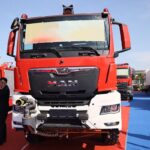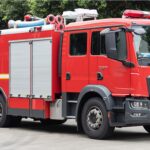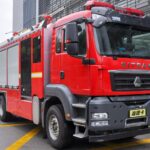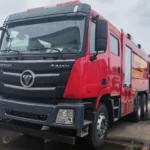
When people see a fire truck racing down the street with lights flashing and sirens blaring, one of the most common questions that comes to mind is simple: Do fire trucks actually carry water? The short answer is yes—many fire trucks do carry water—but the full explanation is more nuanced. Different types of fire trucks are designed for different missions, and their water-carrying capabilities vary widely depending on the environment, firefighting strategy, and local infrastructure. Understanding how and why fire trucks carry water helps explain how modern firefighting works and why fire departments rely on more than just a tank on wheels.
The Basic Role of Water in Firefighting
Water remains the most widely used firefighting agent in the world. Its effectiveness comes from its ability to absorb heat rapidly, cool burning materials, and reduce oxygen around the fire when converted into steam. For structural fires, vehicle fires, and many outdoor incidents, water is the first and most reliable tool firefighters use.
Because immediate access to water is critical during the first minutes of a fire, many fire trucks are equipped with onboard water tanks. This allows firefighters to begin suppression instantly upon arrival, even before an external water supply is connected.

Fire Engines: The Primary Water-Carrying Fire Truck
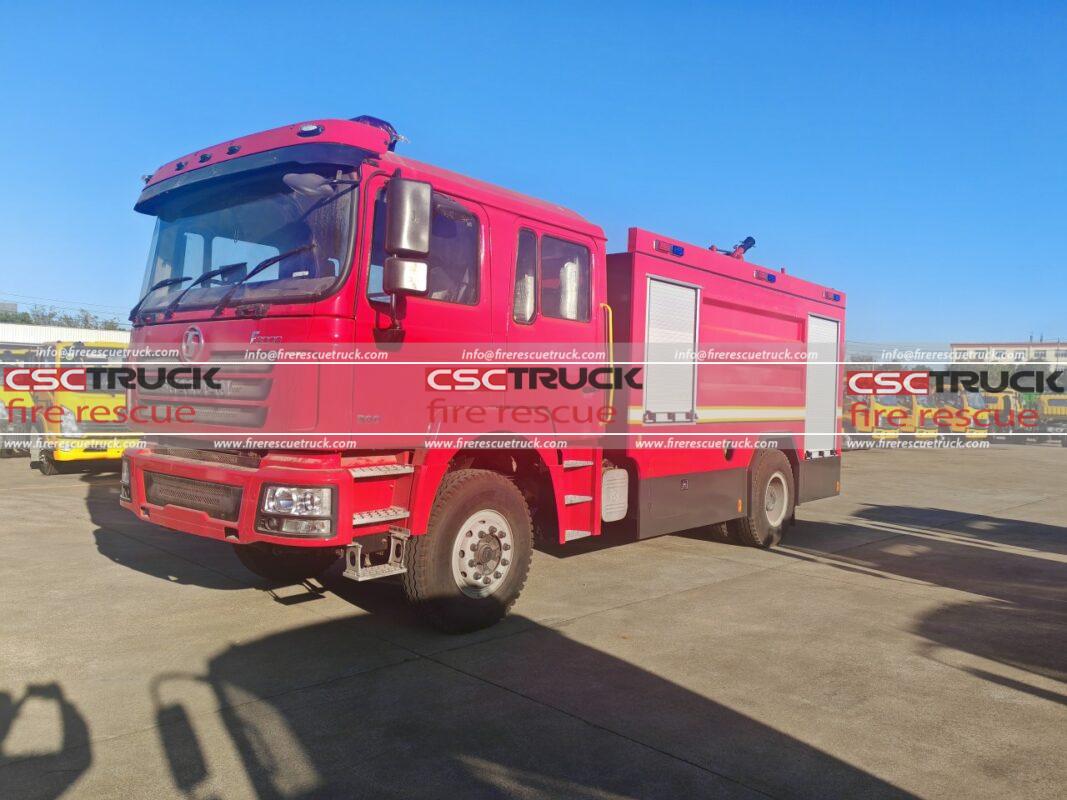
Fire engines—often called pumpers—are the most common type of fire truck and the ones most people picture when they think about firefighting. These trucks almost always carry water.
A typical fire engine carries between 500 and 1,000 gallons (1,900–3,800 liters) of water, though some models may carry more or less depending on design and local requirements. In addition to the water tank, fire engines are equipped with powerful pumps capable of moving water at high pressure from the tank to hoses, or from an external source into the truck and onward to firefighters.
The onboard water tank serves 2 main purposes:
- Immediate attack – Firefighters can start extinguishing flames as soon as they arrive.
- Bridge supply – The tank provides water while crews establish a connection to a hydrant or other water source.
How Long Does a Fire Truck’s Water Last?
Although hundreds of gallons may sound like a lot, firefighting uses water very quickly. A single hose line can flow 100 to 200 gallons per minute, and large master streams can use much more. At that rate, a 750-gallon tank could be emptied in just a few minutes.
This is why onboard water is considered a temporary supply rather than a long-term solution. Fire departments rely heavily on hydrants, tanker trucks, or natural water sources to sustain firefighting operations.

Fire Trucks That Do Not Carry Much Water (or Any)
Not all fire trucks are designed to carry water. Some specialized vehicles focus on rescue, access, or support rather than direct fire suppression.
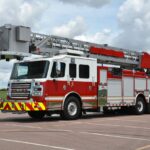
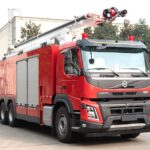
Ladder trucks, also known as aerial trucks, are a common example. Their primary function is to provide elevated access to buildings for rescue, ventilation, and firefighting from above. Many ladder trucks carry little water or none at all. Instead, they rely on fire engines to supply water through hoses connected to the aerial device, if the ladder is equipped with a waterway.
Rescue trucks typically carry tools such as hydraulic cutters, spreaders, medical equipment, and stabilization gear. These vehicles often have no water tank because their mission is technical rescue rather than fire suppression.
Tanker (Tender) Trucks: Fire Trucks Built to Carry Water
In areas without reliable fire hydrants—such as rural communities, industrial zones, or remote regions—tanker trucks (also called tenders) play a crucial role. These fire trucks are specifically designed to carry large volumes of water.
A fire tanker may carry anywhere from 1,500 to over 4,000 gallons (5,700–15,000+ liters) of water. Their job is not to fight the fire directly, but to transport water from a distant source to the scene. Tankers often shuttle back and forth between a fill site (like a lake or hydrant) and the fire, dumping water into portable tanks or directly supplying fire engines.

Wildland Fire Trucks and Water Capacity
Wildland fire trucks, used for forest fires, grass fires, and brush fires, also carry water, but their design prioritizes mobility and off-road capability. These trucks typically carry 300 to 1,000 gallons of water and may include foam or gel systems to improve water effectiveness.
Because wildfires can spread quickly and occur far from water infrastructure, wildland fire trucks rely heavily on their onboard tanks, as well as coordinated water drops from aircraft and support from additional ground units.
What About Fire Hydrants?
In urban and suburban areas, fire hydrants are the backbone of firefighting water supply. Once firefighters connect a hose from the hydrant to the fire engine, the truck’s pump draws water directly from the municipal system. This provides a nearly unlimited supply of water at consistent pressure.
Even in these settings, fire engines still carry water. The tank ensures that crews are never delayed if a hydrant is blocked, damaged, frozen, or simply too far away.

Alternative Water Sources Used by Fire Trucks
When hydrants are unavailable, firefighters may draft water from:
- Lakes, rivers, or ponds
- Swimming pools or water tanks
- Portable folding tanks filled by tanker trucks
Fire engines are equipped with drafting pumps and specialized hoses that allow them to pull water from these sources efficiently.
Do Fire Trucks Carry Anything Besides Water?
While water is essential, it is only one part of what a fire truck carries. Modern fire trucks are mobile command centers and tool carriers, equipped with:
- Fire hoses and nozzles
- Pumps and valves
- Foam systems
- Ladders and forcible entry tools
- Medical equipment
- Breathing apparatus and protective gear
This combination allows firefighters to adapt to a wide range of emergencies, not just fires.

Why Fire Trucks Still Need Water Tanks in Modern Cities
With advanced hydrant systems and high-capacity pumps, some people wonder why fire trucks still need onboard water tanks at all. The answer lies in reliability and speed. Fires grow exponentially in their early stages, and even a short delay can mean the difference between a controllable fire and a major incident.
An onboard water tank guarantees that firefighters can act immediately, regardless of external conditions. It is a critical safety net that supports both firefighters and the public.
Conclusion
So, do fire trucks carry water? Yes—most do, but not all, and the amount varies by type and purpose. Fire engines and wildland trucks carry onboard water for immediate firefighting, tanker trucks carry massive volumes for water supply, and specialized trucks like ladders or rescue units may carry little or none. Together, these different vehicles form a coordinated system that ensures water is always available where and when it is needed.
Understanding how fire trucks carry and use water highlights the complexity of modern firefighting and the careful planning behind every emergency response. Fire trucks are not just vehicles with hoses—they are strategically designed tools that bring one of the most powerful firefighting resources, water, directly to the front lines.