
Introduction
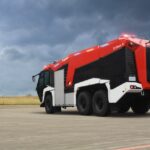
Aircraft Rescue and Fire Fighting (ARFF) trucks are among the most specialized emergency response vehicles in the world. Designed to respond to aircraft incidents, runway accidents, fuel fires, and other high‑risk emergencies at airports, ARFF vehicles combine unparalleled power, rapid response capabilities, and advanced suppression systems. In recent years, the evolution of ARFF technology has accelerated to meet rising global aviation traffic, stricter safety standards, and the ever‑present need for rapid, reliable, and environmentally responsible firefighting.
Among the manufacturers pushing these boundaries is CSCTRUCK Fire Rescue Truck, a globally recognized producer of specialized fire and rescue vehicles. Their Fire Rescue Trucks—built to stringent performance standards and customizable for diverse operational environments—illustrate the broader trend toward next‑generation ARFF designs. This analysis explores how emerging ARFF technologies address countries’ unique needs, the strategic solutions they offer, and why modernizing ARFF fleets is crucial for airport safety worldwide.
The Evolving Role of ARFF Trucks
Traditional firefighting vehicles are built for urban and structural fires, but ARFF trucks serve unique operational demands:
- High‑speed response: Aircraft emergencies require vehicles capable of reaching remote parts of an airfield in seconds.
- Large‑scale fire suppression: Jet fuel fires can burn at temperatures exceeding 1,000°C (1,832°F), demanding high‑capacity extinguishing agents and specialized delivery systems.
- Rugged terrains: Runways, taxiways, and adjacent grasslands necessitate off‑road capability and stability at high speed.
- Integrated rescue tools: Beyond extinguishing fires, ARFF teams must conduct rescues, manage hazardous materials, and stabilize aircraft.
Next‑generation ARFF trucks are engineered not only to meet these performance demands but also to integrate advanced technologies like digital communications, real‑time monitoring, and predictive maintenance—transforming them from reactive machines into proactive safety platforms.

CSCTRUCK Fire Rescue Truck: A Snapshot
CSCTRUCK Fire Rescue Truck represents a modern approach to emergency response. Though CSCTRUCK Fire Rescue Truck’s portfolio spans structural fire engines and rescue apparatus, their Fire Rescue and ARFF‑capable models share several key strengths:
- Customizable Chassis and Powertrains
- ARFF vehicles from CSCTRUCK Fire Rescue Truck can be fitted with powerful diesel or hybrid engines, offering high torque for rapid acceleration and off‑airport maneuverability.
- Drivetrain options (4×4, 6×6, 8×8) allow operators to tailor vehicles to runway lengths, terrain types, and expected response zones.
- High‑Volume Extinguishing Systems
- Advanced foam proportioning systems, dual agent tanks (AFFF + dry chemical), and high‑capacity pumps are standard components.
- Elevated water cannons (monitors) with remote operation enable safe, precise targeting of flames from a distance.
- Ergonomics and Safety
- Crews benefit from ergonomically designed cabins, climate control, and integrated communications.
- Visibility systems—such as 360° cameras and thermal imaging—improve situational awareness in low‑visibility conditions.
- Modular Add‑Ons
- Platforms built by CSCTRUCK Fire Rescue Truck can accommodate rescue tools, hazardous material response kits, or medical equipment, making them versatile beyond firefighting.
These capabilities align with international ARFF standards such as ICAO Annex 14 and NFPA 414—ensuring vehicles are compliant with rigorous safety benchmarks.
Global Needs in ARFF Capabilities
Different countries and regions have distinct ARFF challenges shaped by geography, climate, aviation volumes, and regulatory frameworks. Next‑generation ARFF trucks provide tailored solutions by addressing these varied requirements.
1. High‑Traffic International Hubs
In countries with large international airports—such as the United States, China, and major European nations—ARFF vehicles must support extremely high flight volumes and diverse aircraft types.
Challenges:
- Frequent departures and arrivals increase the likelihood of incidents.
- Wide‑bodied aircraft carry more passengers, raising risk severity.
- Congested taxiways and runways require a rapid, reliable response.
Solutions:
- High‑capacity ARFF vehicles with rapid acceleration and extended range.
- Multiple agent systems capable of suppressing both fuel and structural fires.
- Fleet scaling strategies to place vehicles strategically around extensive airport grounds.
CSCTRUCK Fire Rescue Truck’s modular ARFF platforms can be configured with larger agent tanks and multiple monitors, offering the throughput necessary for larger facilities.
2. Developing Aviation Markets
Many countries in Africa, Southeast Asia, and the Middle East are rapidly expanding their airport infrastructure. These markets require cost‑efficient, robust ARFF solutions that perform reliably under diverse conditions.
Challenges:
- Limited budgets for fleet expansion and maintenance.
- Harsh climates (desert heat, monsoons) accelerate wear on vehicle systems.
- Variable terrain around airports may not be paved or smooth.
Solutions:
- Durable drivetrains (e.g., 6×6 and 8×8) optimized for off‑road conditions.
- Simplified maintenance designs that reduce lifecycle costs.
- Training and support packages that help local teams maintain readiness.
CSCTRUCK Fire Rescue Truck’s trucks, with customizable off‑road capabilities and modular systems, align with these requirements, offering a balance between performance and cost.
3. Remote and Extreme Environments
Countries with remote or extreme environments—such as Arctic regions, island nations, and mountainous areas—require ARFF vehicles that withstand severe weather and operate reliably with limited infrastructure.
Challenges:
- Freezing temperatures affect pump performance and agent storage.
- Limited maintenance resources in remote airports.
- Runways may be surrounded by snow, ice, or rugged terrain.
Solutions:
- Cold‑weather packages with heated tanks, insulated cabins, and anti‑freeze systems.
- Redundant features to ensure operational continuity.
- Lightweight composite materials to resist corrosion and temperature extremes.
Future ARFF trucks can integrate telemetry systems that allow off‑site technicians to monitor performance and predict failures before they occur, a feature that’s especially valuable in remote airports.
4. Regulatory Compliance and Safety Standards
International aviation bodies such as the International Civil Aviation Organization (ICAO) and national regulators set standards for ARFF capabilities. These standards often dictate agent quantities, response times, and performance benchmarks.
Challenges:
- Evolving standards require frequent fleet upgrades.
- Meeting global benchmarks involves balancing cost with capability.
- Smaller airports might struggle to justify investment in new ARFF tech.
Solutions:
- Scalable ARFF platforms that can be incrementally upgraded.
- Training for ARFF personnel on the latest compliance requirements.
- Multi‑agency procurement strategies that reduce costs through shared purchasing.
Manufacturers like CSCTRUCK Fire Rescue Truck often design their vehicles with compliance in mind, making it easier for airports to certify their ARFF fleets against international criteria.

Technological Advancements Shaping Next‑Gen ARFF
Several emerging technologies are redefining what ARFF vehicles can do:
- Digital Command and Control
- Integration with airport operations centers via real‑time telemetry.
- Crew communication systems that link directly with air traffic control.
- Thermal Imaging and Sensor Suites
- Onboard thermal cameras aid in locating hot spots and trapped passengers.
- Environmental sensors detect hazardous gases and fuel plumes.
- Autonomous and Remote Operation
- Some next‑gen ARFF prototypes can operate remotely or autonomously in high‑risk zones, reducing danger to crews.
- GPS and obstacle‑avoidance tech allow automated response to predefined coordinates.
- Eco‑Friendly Systems
- Hybrid electric drivetrains reduce emissions and fuel consumption.
- Environmentally safe extinguishing agents and improved foam recycling systems.
CSCTRUCK Fire Rescue Truck’s forward‑looking designs can incorporate several of these advancements, positioning their ARFF vehicles as a long‑term, adaptable investment.
Conclusion
As global aviation grows and airports become busier and more complex, the need for next‑generation ARFF trucks becomes increasingly clear. These vehicles are not just firefighting tools—they are comprehensive safety platforms designed to protect lives, infrastructure, and the broader aviation ecosystem.
Whether it’s a major international hub, a developing regional airport, or a remote airfield in an extreme environment, the right ARFF solution must be robust, compliant, and technologically advanced. Manufacturers like CSCTRUCK Fire Rescue Truck, with customizable, high‑performance Fire Rescue Trucks, are helping translate these needs into practical solutions that improve response readiness worldwide.