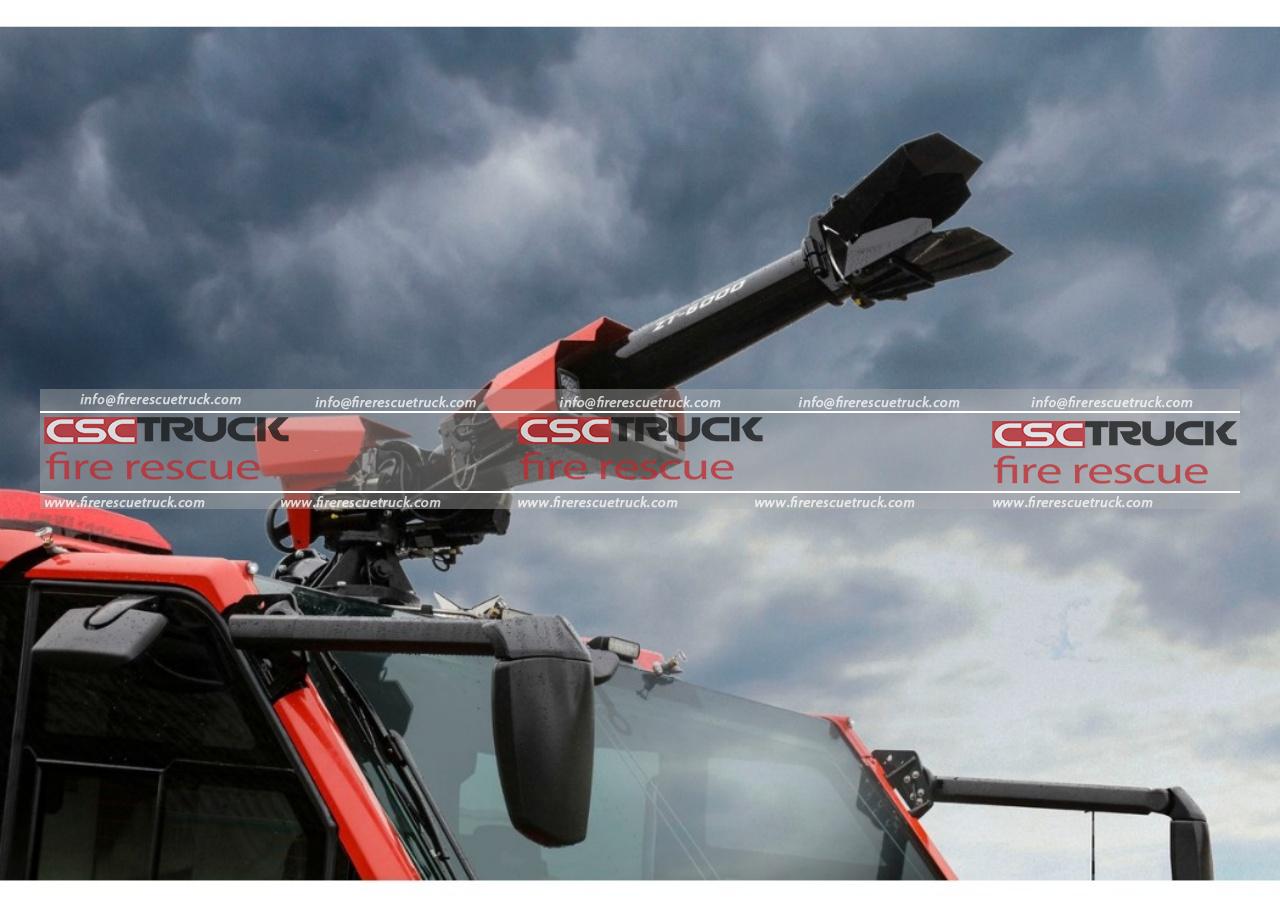

Airport fire trucks—also known as Aircraft Rescue and Firefighting (ARFF) vehicles—are essential for ensuring rapid response to aviation emergencies. Their design, capability, and deployment vary significantly depending on the size and operational demands of the airport. Small regional airports require compact and maneuverable units, medium-sized airports need balanced and versatile fleets, while major international hubs rely on high-capacity, high-performance ARFF vehicles that must comply with stringent global standards. By examining the functions and applications of these vehicles across different airport categories, we gain insight into how airports tailor firefighting capabilities to their unique risk profiles.
1. Key Factors Influencing ARFF Vehicle Requirements
Before exploring the distinctions among airport sizes, it is important to understand the primary factors that determine ARFF truck selection:
Aircraft Type and Size
Larger aircraft—such as Boeing 777, 787, and Airbus A380—carry more passengers and fuel, requiring greater firefighting capacity and foam output. Smaller airports handling turboprops or regional jets can operate with lower-capacity units.
Runway Length and Layout
Airports with multiple runways or long taxi networks demand faster and more powerful vehicles to meet ICAO/NFPA response time requirements.
Passenger Volume and Traffic Frequency
Higher aircraft movements increase the likelihood that ARFF teams must be ready to respond simultaneously to multiple emergencies.
Regulatory Category
ICAO categorizes airports from Category 1 to 10, determining minimum water, foam, and agent requirements. Larger airports typically fall into higher categories.

2. ARFF Vehicles for Small Airports: Compact and Cost-Effective Solutions
Small airports—such as regional airfields, municipal airports, and general aviation hubs—operate primarily with small aircraft and low passenger volumes. Their ARFF needs to focus on essential firefighting readiness with emphasis on maneuverability and efficiency.
Typical Characteristics of Small-Airport ARFF Trucks
- Compact Design: Smaller wheelbases allow easier navigation on tighter runways and aprons.
- Moderate Agent Capacity: Water tanks usually range from 500 to 2,000 gallons (2,000–7,500 L).
- Combined Agent Systems: Trucks often carry water, foam concentrate, and dry chemical units for multipurpose fire response.
- Simplified Control Systems: Designed for ease of use and quick training.
- Lower Cost: Ideal for airports with limited budgets and lower ICAO category requirements (Cat 1–5).
Common Vehicle Types for Small Airports
- Light rescue trucks
- Rapid intervention vehicles (RIVs)
- 4×4 compact ARFF units
Primary Functions
- Initial attack on aircraft or fuel fires
- Response to small aircraft crashes
- Support for vehicle or structural fires within airport boundaries
- General rescue operations
These units prioritize speed over capacity, allowing firefighters to reach emergencies quickly even in constrained airport environments.
3. ARFF Vehicles for Medium Airports: Versatile, Balanced, and Higher-Capacity Units
Medium-sized airports—typically handling domestic jet traffic and occasional international flights—require ARFF fleets that balance capacity, speed, and versatility. These airports may fall within ICAO Categories 6–8.
Characteristics of Medium-Airport ARFF Trucks
- Moderate-to-High Agent Capacity: Water tanks from 2,000 to 3,000 gallons (7,500–11,300 L).
- High-Power Engines: Capable of achieving rapid acceleration for meeting 3-minute response times.
- Improved Off-Road Performance: 6×6 configurations are common, enabling mobility on grass areas or soft soil.
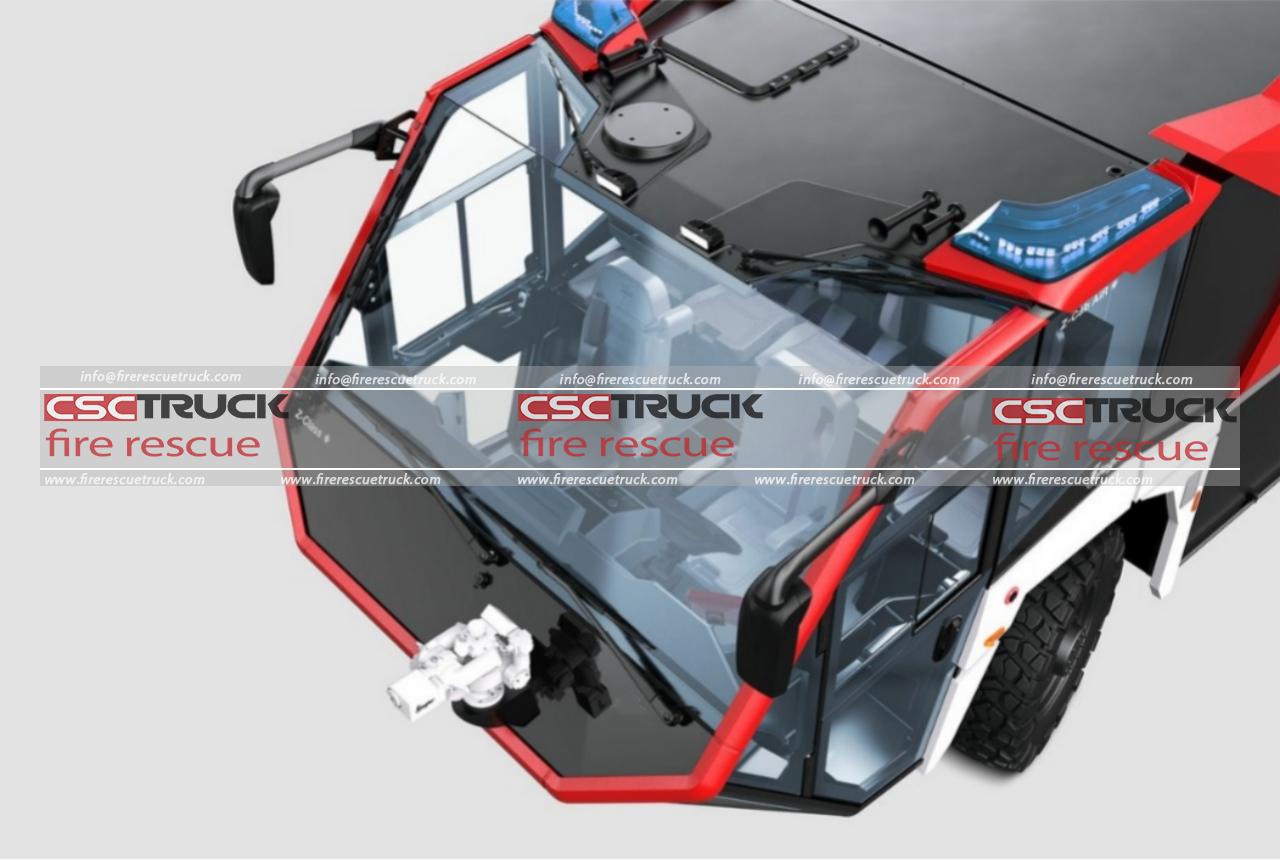
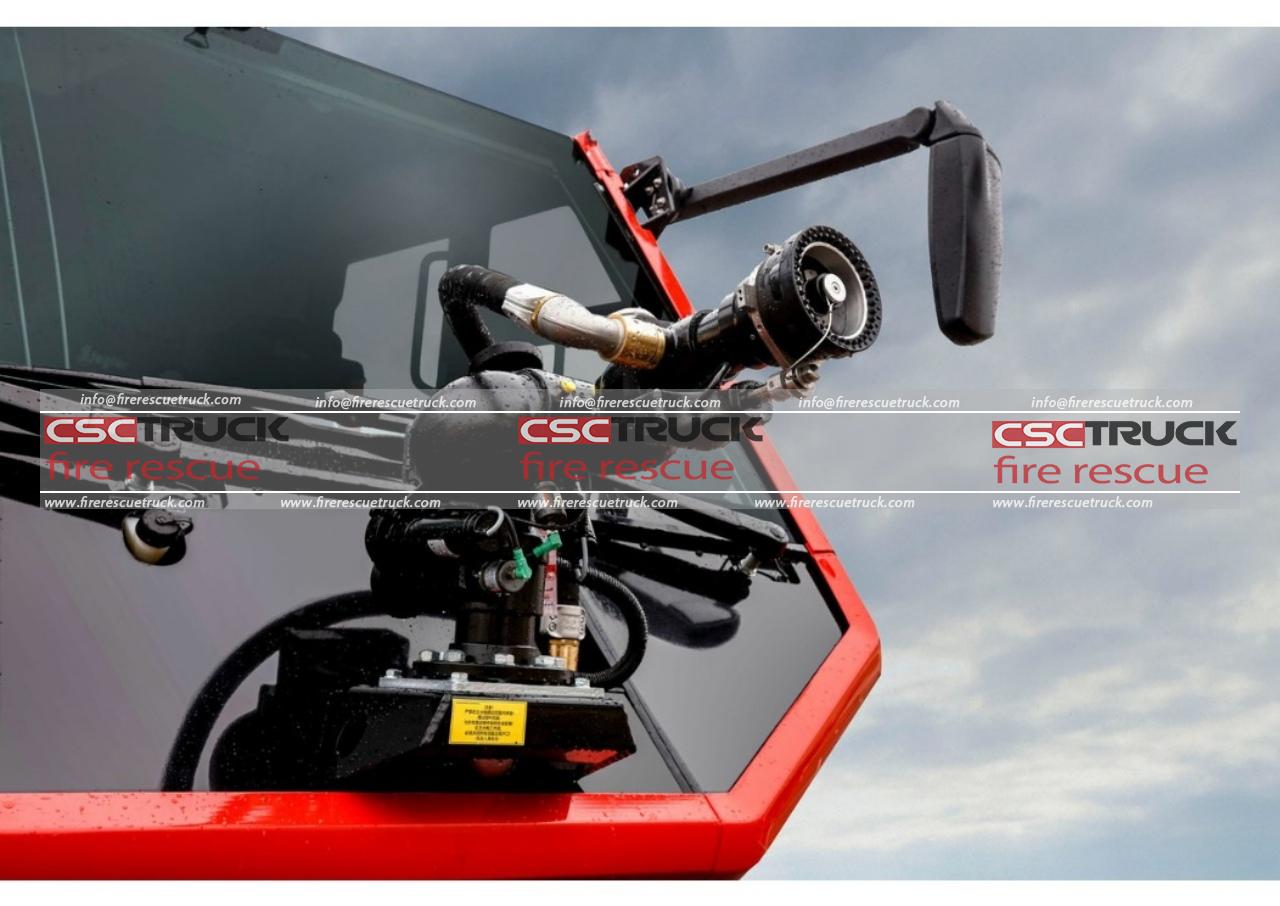
- Roof and Bumper Turrets: Enabling both long-range and close-in firefighting.
- Cabin Safety Systems: Advanced ergonomics, thermal imaging cameras, and digital controls.
- Superior Pump-and-Roll Capability: Allowing simultaneous driving and high-volume agent discharge.
Common ARFF Models for Medium Airports
- 6×6 major foam tenders
- Joint agent vehicles with foam and dry chemical
- Multi-purpose rescue trucks
Primary Functions
- Response to fires involving mid-sized commercial aircraft (A320, B737, etc.)
- Support for fuel spill fires
- Off-runway rescue operations
- Rapid deployment across multiple runways
Medium-sized airports may also maintain a mixed fleet of both light RIVs and large ARFF units to address different types of emergencies efficiently.
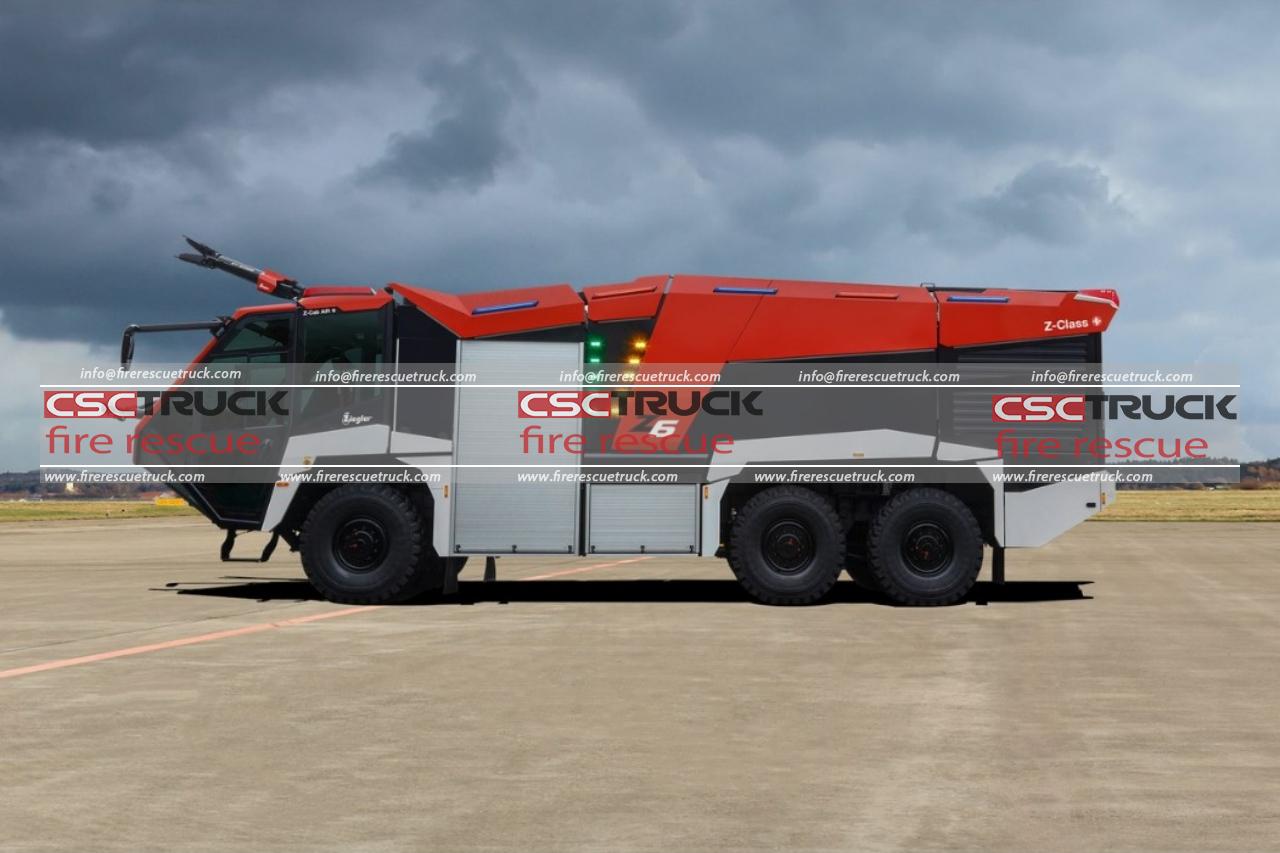
4. ARFF Vehicles for Large International Airports: High-Capacity and High-Performance Systems
Major airports—international hubs hosting wide-body jets, long-haul operations, and high passenger flows—operate some of the most advanced ARFF vehicles in the world. These airports typically fall into ICAO Categories 9 or 10, requiring significant firefighting resources and highly trained emergency teams.
Characteristics of Large-Airport ARFF Trucks
- High Water and Foam Capacity: Often exceeding 3,000–4,500 gallons (11,300–17,000 L).
- Large Agent Output: Powerful turrets capable of 6,000–7,000 liters per minute discharge.
- Maximum Speed and Acceleration: 8×8 ARFF vehicles designed to reach any point on the airfield within 2–3 minutes.
- Advanced Technologies:
- Infrared and thermal cameras
- High-reach extendable turrets (HRET)
- Penetration nozzles for piercing aircraft fuselages
- Intelligent control systems and digital dashboards
Common Models
- 8×8 super ARFF trucks
- HRET-equipped “Panther” or “Striker“-type vehicles
- Hybrid or electric ARFF units are emerging in modern airports
Primary Functions
- Full-scale aircraft fire suppression for wide-body aircraft
- Rescue operations during large-scale crash incidents
- Mitigating high-risk fuel spill fires
- Simultaneous multipoint firefighting across multiple runways
Large airports typically maintain fleets of 5 to 10 ARFF trucks to ensure redundancy, compliance, and immediate multi-vehicle response capability.
5. Operational Differences Between Airport Sizes
Small Airports
- Rely primarily on 1 or 2 compact units
- Lower staffing requirements
- Focus on quick local response, not high-volume firefighting
Medium Airports
- Maintain mixed fleets with varied capabilities
- Require coordinated multi-unit response strategies
- Must meet stricter ICAO and NFPA requirements
Large Airports
- Operate specialized fleets with cutting-edge technology
- Require highly trained ARFF personnel
- Conduct regular large-scale emergency drills
- Designed for maximum redundancy to avoid service disruption
6. ARFF Applications Beyond Aircraft Fires
Regardless of airport size, ARFF trucks often perform additional critical roles:
Aircraft Standby Operations
During emergency landings or mechanical issues, trucks stand by along runways for immediate response.
Fuel Spill Incidents
ARFF crews mitigate risks around refueling areas or maintenance aprons.
Structural Fire Support
While not their primary role, ARFF units often support fires in terminals, hangars, and cargo areas.
Medical or Rescue Response
Many ARFF teams are trained for trauma care, vehicle extrications, and disaster response.
7. Future Trends in ARFF Vehicle Deployment Across Airport Types
As aviation evolves, ARFF trucks are adapting through:
1. Electrification
Hybrid and fully electric ARFF units are emerging to reduce emissions and operating costs.
2. Automation and Smart Systems
Real-time analytics, autonomous navigation prototypes, and AI-based hazard prediction are becoming more common.
3. Enhanced Safety Materials
Lightweight, heat-resistant components improve performance and reduce maintenance.
4. Modularity
Airports increasingly choose modular ARFF fleets that can scale with traffic growth.
Conclusion
From compact units at small airports to advanced 8×8 ARFF giants at major international hubs, airport fire trucks are carefully matched to the operational demands and regulatory requirements of each airport category. Their functions and applications reflect the scale of risk associated with different aircraft types, traffic levels, and infrastructure layouts. Understanding these variations helps aviation authorities and airport operators optimize their emergency response strategies, ensuring maximum safety for passengers, crews, and airport staff worldwide.