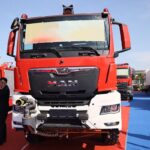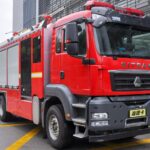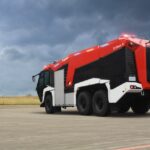
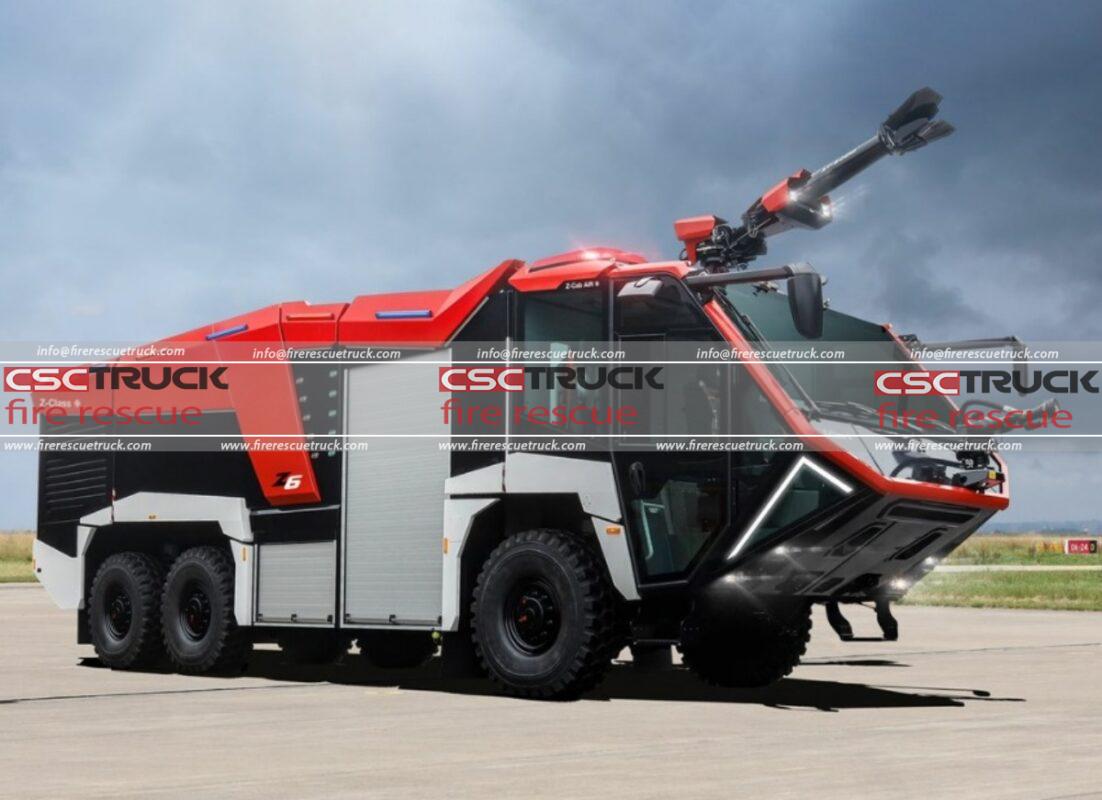
Airports are among the most complex, high-risk infrastructure in the world. They operate day and night, handling thousands of passengers, crew, and gallons of jet fuel every hour. Within this dynamic environment, ensuring the safety of aircraft operations and human life hinges on one critical element: Airport Rescue and Fire Fighting (ARFF) vehicles. When an airport seeks a fire truck for sale that can truly protect its runways, terminals, and surrounding areas, it must look for machines that deliver rapid response, high-capacity fire suppression, and ultimate runway safety—all ICAO-compliant for global operational standards.
In this article, we explore the key features, regulatory requirements, technologies, and operational advantages of modern ARFF vehicles designed for airport emergency readiness.
1. Understanding ARFF and ICAO Compliance
Airport Rescue and Fire Fighting (ARFF) vehicles serve a very specific and crucial role: to respond instantly to aircraft emergencies, fuel spills, runway accidents, and fires that could threaten life and infrastructure. Unlike municipal fire trucks, ARFF vehicles are engineered for:
- blistering acceleration and speed,
- maximum off-road mobility,
- enormous firefighting agent capacities,
- and specialized tools for aircraft rescue.
To ensure uniform safety standards worldwide, the International Civil Aviation Organization (ICAO) sets detailed requirements for ARFF vehicles deployed at certified airports. These requirements govern aspects such as response times, water and foam capacities, fire suppression performance, and operational readiness.
ICAO compliance means the vehicle meets global benchmarks for:
- Response distance and time to any point on the movement area,
- Foam concentrate and water capacity based on airport category and traffic,
- Vehicle acceleration and braking performance,
- Nozzle reach and agent discharge effectiveness.
Purchasing an ICAO-compliant fire truck ensures that an airport meets not only regulatory standards but also the highest levels of safety and preparedness.

2. Rapid Response: Built for Every Second Counts
Time is the most valuable asset in any emergency, especially on an active runway or taxiway. ARFF vehicles are specifically designed for exceptional acceleration, high top speed, and maneuverability to reach incidents before they escalate.
Key attributes that enable rapid response include:
a. High Performance Chassis and Powertrain
ARFF trucks are built on heavy-duty chassis with powerful engines that deliver:
- rapid acceleration even when fully loaded,
- all-wheel drive for varied terrain,
- robust braking systems for quick stops.
This ensures the vehicle is never a bottleneck when responding to an incident.
b. Advanced Suspension & Off-Road Capabilities
Runways and aprons are flat surfaces, but emergencies can extend into grass, gravel, or uneven ground. ARFF vehicles use:
- reinforced suspension,
- stabilized axles,
- large tires with deep tread.
These features allow safe and confident off-road performance.
c. Strategic Vehicle Positioning
In modern airport operations, ARFF vehicles are strategically stationed around the airfield to meet ICAO response time windows, typically within 2–3 minutes to any point on the movement area. This strategic spread, combined with performance-driven design, ensures operational readiness minutes or seconds matter most.
3. High-Capacity Fire Suppression Capabilities
Aircraft fires are unlike any other fire. They involve a combination of jet fuel, extreme temperatures, and complex structural hazards. ARFF vehicles must carry powerful fire suppression systems that go far beyond standard municipal pumps.
a. Massive Water & Foam Tanks
ARFF vehicles come equipped with:
- large water tanks (often over 3,000 liters / 800+ gallons),
- high-capacity foam concentrate tanks to rapidly blanket hydrocarbon fires.
The foam works by creating a vapor-suppressing blanket over burning fuel, cutting off oxygen and stopping combustion.
b. High-Flow Pumps and Nozzles
The vehicle’s pump and turret system must be capable of delivering:
- tens of thousands of liters per minute (in some models),
- extended nozzle reach for attack from a safer distance.
Remote-controlled turrets allow operators to apply water, foam, and dry chemicals with precision—even from the safety of a sealed operator cab.
c. Multi-Agent Suppression Systems
More advanced ARFF units integrate multiple suppression agents:
- Aqueous Film Forming Foam (AFFF),
- Dry chemical powders for deep-seated fuel fires,
- Clean agents for electrical or avionics fires.
The combination allows firefighters to tailor suppression tactics to the exact nature of the fire.

4. Ultimate Runway Safety and Crew Protection
In addition to fire suppression, ARFF vehicles contribute to comprehensive runway safety through:
a. Enhanced Crew Protection Systems
Modern ARFF cabs feature:
- ballistic-style fireproofing,
- pressurized cabins with filtered air,
- impact-absorbing seats,
- high-visibility panoramic windows.
These designs protect the crew from heat, smoke, debris, and harmful atmosphere.
b. Integrated Rescue Tools
Beyond fire suppression, ARFF units are equipped with:
- hydraulic cutters and spreaders,
- rescue saws,
- extrication tools.
These tools help free passengers and crew from damaged aircraft in collisions or crash landings.
c. Integrated Scene Lighting
Bright, adjustable LED scene lights mounted on the vehicle provide:
- visibility during night operations,
- enhanced safety in low-light conditions.
These lights help crews assess, contain, and extinguish fires quickly and confidently.
5. Customizable Options for Specific Airport Needs
No two airports are identical. ARFF vehicles for sale are offered in configurable options to match the size, operation type, and risk profile of the airport.
Typical customization features include:
- Agent capacities scaled to ICAO airport category: Larger airports with heavy aircraft may require higher capacities than regional fields.
- All-terrain upgrades for remote or harsh environment airports.
- Remote-controlled nozzles with extended reach for large aircraft or remote incidents.
- Tracking systems and telematics for real-time performance and maintenance monitoring.
- Climate-resistant finishes for operation in extreme heat or cold.
These options ensure the ARFF vehicle fits the operational profile and environmental conditions of the purchasing airport.

6. Why Investing in ICAO-Compliant ARFF Vehicles Matters
Investing in an ICAO-compliant ARFF vehicle isn’t just about meeting regulations—it’s about safeguarding human lives, protecting major infrastructure, and maintaining uninterrupted airport operations.
Here’s why the investment pays off:
a. Enhanced Safety for Passengers and Crew
Rapid, high-capacity fire response reduces fatalities, injuries, and damage in worst-case scenarios.
b. Regulatory Compliance
Most aviation authorities require ICAO compliance for airport certification. Non-compliance can lead to fines, operational restrictions, or licensing issues.
c. Operational Confidence
With ICAO-certified equipment, airports can operate confidently, knowing they are capable of handling emergencies to the highest international standard.
d. Reduced Insurance and Liability
Better safety systems typically help reduce operational risk, which can translate into lower insurance premiums and reduced liability exposure.
Conclusion: The Right Fire Truck at Your Airport
When an airport lists a fire truck for sale, decision-makers should evaluate not only price but also performance, compliance, safety, and long-term operational value. The right ARFF vehicle is more than machinery—it’s a guardian of human life, aviation assets, and global connectivity.
By choosing an ICAO-compliant ARFF vehicle with rapid response capabilities, high-capacity fire suppression systems, and ultimate runway safety features, airports demonstrate a firm commitment to safety, efficiency, and excellence.