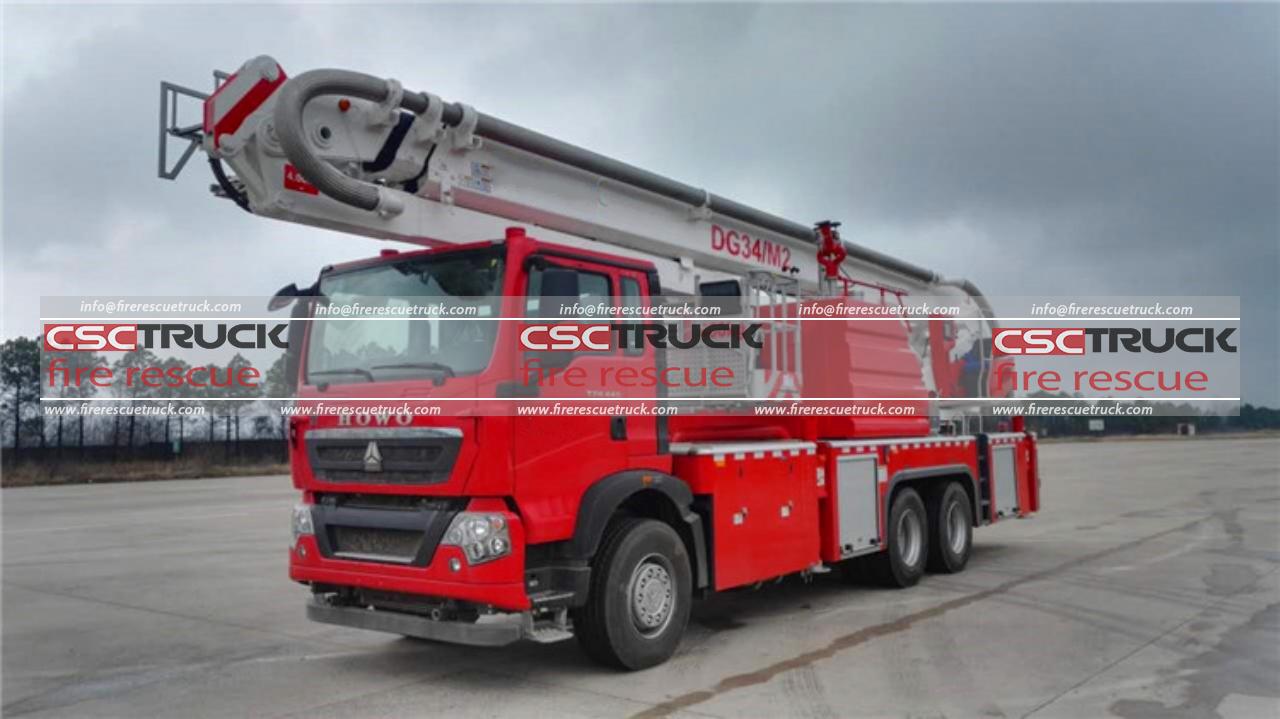

The fire truck market—encompassing specialized vehicles used for fire suppression, rescue, and emergency response—is experiencing steady growth worldwide. Estimates for market value vary slightly among research firms due to differing methodologies, but all point to a multi-billion dollar industry with consistent expansion over the next decade.
For example:
- One analysis shows the market at approximately USD 8.37 billion in 2025, projected to reach ~USD 10.97 billion by 2035 at ~2.7 % CAGR. (precedenceresearch.com)
- Another research source estimates USD 10.94 billion in 2026, growing to around USD 15.74 billion by 2031 with a stronger CAGR. (Mordor Intelligence)
- Yet another report places the 2025 market at ~USD 6.4 billion, rising to around USD 9.2 billion by 2035. (Future Market Insights)
Different baselines aside, consensus emphasizes sustained growth driven by urbanization, infrastructure development, and modernization of firefighting fleets.
📈 Key Market Drivers
🏙️ Urbanization & Infrastructure Expansion
As cities grow and more complex buildings are constructed, the risk of fire and catastrophic events increases. Governments and municipalities invest in modern emergency response capabilities, which fuels demand for newer, more capable fire apparatus.
🧑🚒 Regulatory Safety Standards
Stricter safety and building codes internationally compel municipalities and industrial facilities to upgrade fleets. This includes replacing aging equipment and purchasing advanced units capable of meeting higher firefighting performance criteria.
🔋 Technological Innovation
Innovation is reshaping the industry:
- Electric and hybrid drivetrains are emerging in fire apparatus to reduce emissions and operating costs.
- Telematics and fleet management systems improve situational awareness and maintenance planning.
- Integration with UAVs, autonomous features, and remote operations is beginning to influence advanced product development.
Collectively, these factors are driving modernization cycles and replacement demand, especially in developed markets.
🚘 Market Segmentation Highlights
🔹 By Type
- Pumpers (engine pumper trucks) remain the dominant segment, often representing the largest share of units sold due to broad application in municipal fire departments.
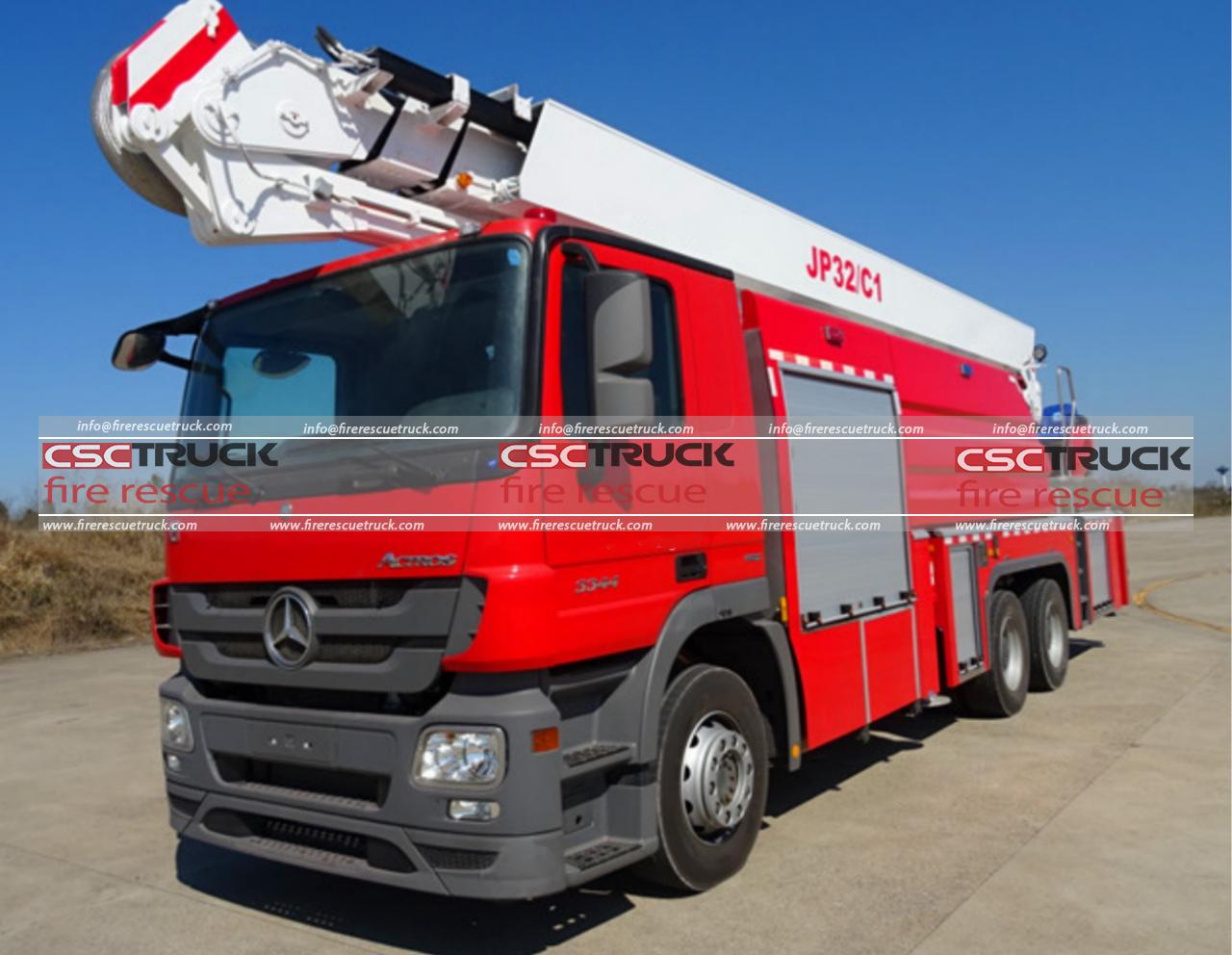
- Aerial fire trucks are projected to grow rapidly as higher structures require extended reach capabilities.
🔹 By Propulsion
- Traditional internal combustion engine (ICE) trucks still hold the majority share due to reliability and infrastructure support.
- Battery-electric and electrified components are the fastest-growing segments, although full EV fire trucks are still in early adoption stages due to range and duty cycle requirements.
🔹 By Application
- Municipal fire services are the primary end-user, accounting for most purchases globally.
- Residential and commercial firefighting segments hold a major share, though industrial and wildland applications are growing as infrastructure and wildfires become more frequent.
🔎 Regional Market Dynamics
🌍 Europe
Europe frequently emerges as a leading regional market, reflecting strong safety standards and high per-capita fire service investment. OEMs invest in advanced firefighting technologies to meet stringent EU emissions and safety regulations.
🌏 North America
North America continues to be a dominant market, with robust municipal budgets historically supporting large and diverse fire apparatus fleets. However, some recent labor and union actions highlight challenges in the U.S. market related to cost and supply dynamics (more below).
🌏 Asia Pacific
The Asia Pacific region is often cited as having the highest projected CAGR, driven by urbanization, industrial expansion, and the upgrading of firefighting infrastructure in countries like China, India, Japan, and others. Local assembly and manufacturing efforts aim to reduce delivery lead times.

🏢 Competitive Landscape
The global fire truck market is moderately concentrated with a handful of major OEMs:
- Rosenbauer
- Oshkosh Corporation (including Pierce Manufacturing)
- REV Group
- Magirus
- Morita
- Others, including manufacturers in China and Asia
These companies collectively account for a significant share of branded fire apparatus globally.
However, concentrated market power has drawn scrutiny: in the U.S., unions and municipalities have called for antitrust investigations into potential price inflation and supply limitations, arguing that consolidation among major manufacturers has contributed to high prices and long wait times (up to several years).
Some lawsuits have alleged price-fixing practices, raising political and legal risks for the industry.
⚠️ Market Challenges & Constraints
💰 Cost Pressures
Fire truck prices have risen significantly in recent years, with some ladder trucks reportedly exceeding USD 2 million. Budget constraints at municipal and regional levels can delay procurement or force longer use of aging fleets.
⏱️ Supply Chain & Lead Times
Extended lead times—sometimes exceeding 30 months—are reported due to supply chain bottlenecks (chassis, electronics), labor shortages, and semiconductor constraints.
📉 Budget Constraints
Public sector budgets may tighten during economic cycles, restricting large capital purchases and affecting short-term demand growth. Some agencies list budget limits as a key barrier to immediate procurement.
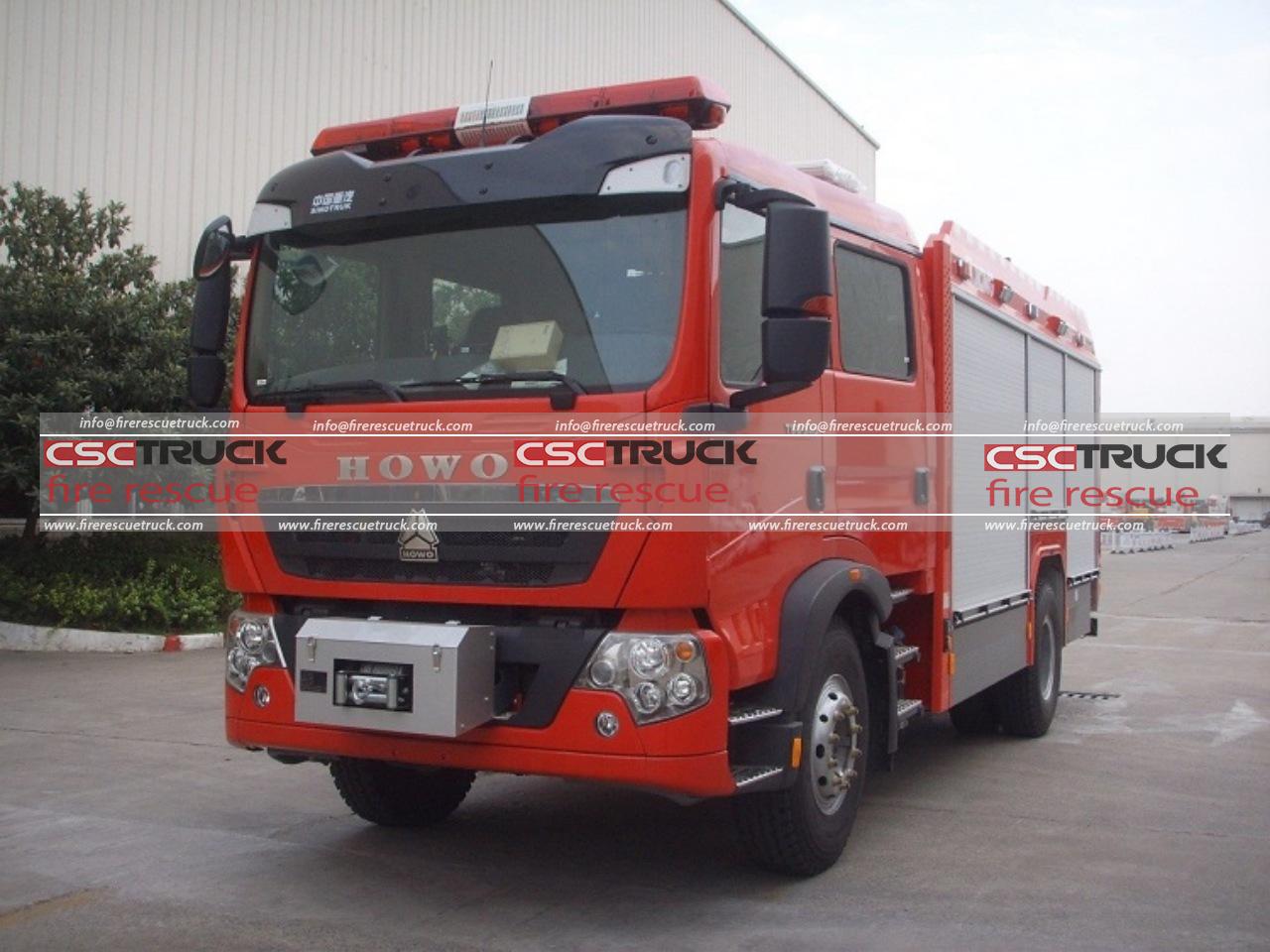
🔮 Future Outlook & Trends
🚛 Electrification & Sustainability
While full electric fire trucks are still emerging, hybridization and electrified ancillaries (e.g., electric pumps, PTOs) are growing in specification lists, particularly for eco-focused municipalities.
📡 Smart Technologies
Advanced telematics, remote monitoring, predictive maintenance, and integration with smart city technologies will become increasingly important, particularly in mature markets.
🤝 New Market Entrants
As demand grows in Asia and other emerging markets, local manufacturers and joint ventures may expand their role, offering competitive alternatives to established OEMs and reducing dependency on long delivery chains.
🌀 Climate Risk Adaptation
Increasing wildfire events, industrial accidents, and complex urban fire risks will maintain robust demand for specialized vehicles in fire-prone zones, shaping future product portfolios.
📊 Conclusion
The fire truck market is a resilient and steadily growing sector of the emergency vehicle industry. Growth is underpinned by urbanization, infrastructure modernization, regulatory enforcement, and technological evolution. Suppliers face both opportunities (electrification, smart technologies, Asia Pacific growth) and challenges (high unit costs, supply chain constraints, legal scrutiny). Competitive dynamics and evolving end-user needs will continue to shape this industry through the 2030s and beyond.