
Fire engines are among the most critical assets for any fire department, industrial facility, airport, or emergency response organization. Designed to respond rapidly, carry specialized firefighting equipment, and operate reliably in extreme conditions, fire engines represent a significant financial investment. However, the cost of a fire engine can vary widely depending on its type, configuration, performance level, and intended application. Understanding what drives these costs helps buyers make informed decisions and select the most cost-effective solution for needs.
Average Cost of a Fire Engine
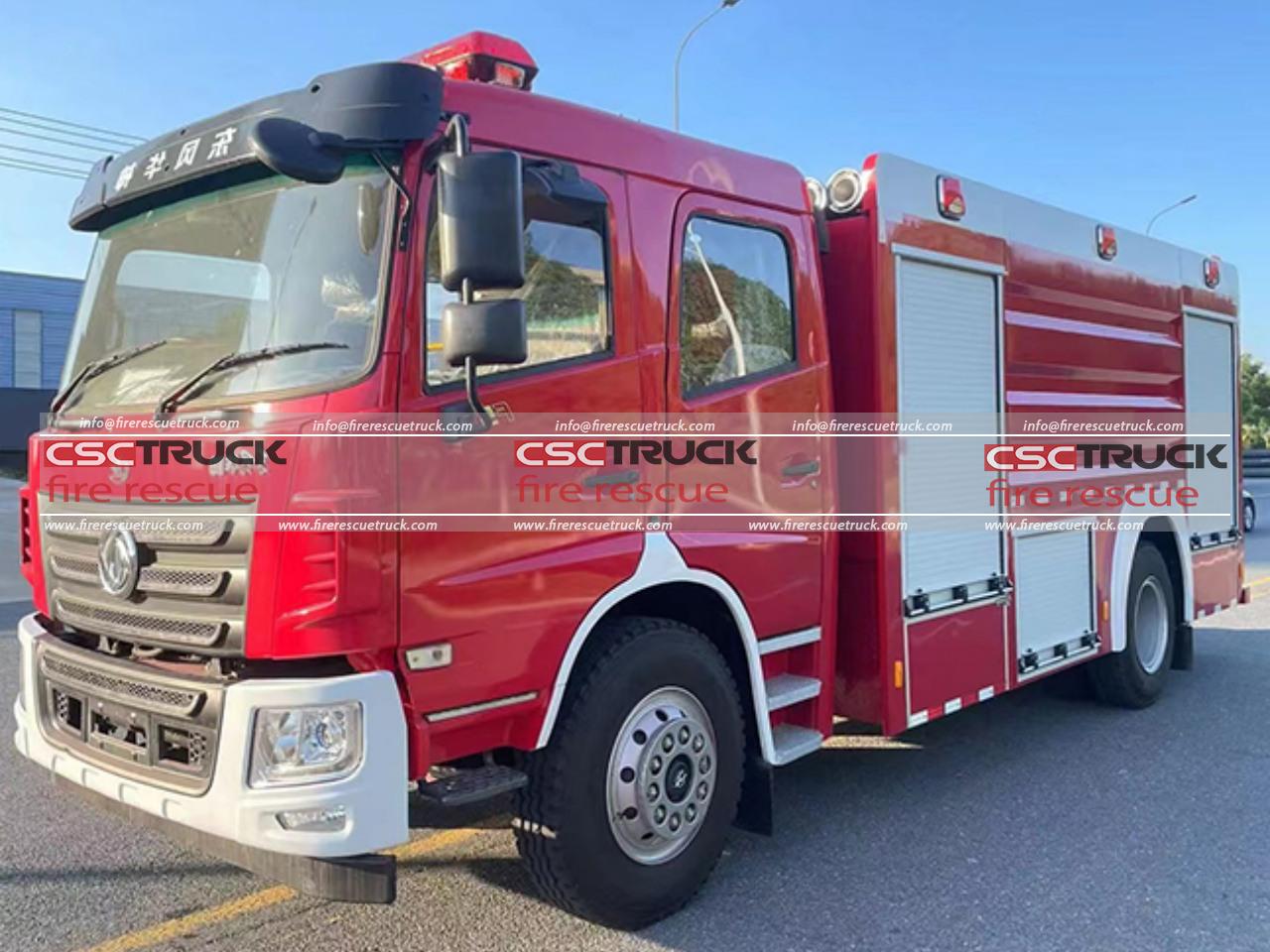
In general, the price of a new fire engine ranges from USD 150,000 to over USD 1,200,000. Entry-level or compact fire engines designed for small towns or rapid response units may fall at the lower end of the spectrum, while large, highly specialized fire engines—such as airport rescue firefighting (ARFF) vehicles or advanced ladder trucks—can exceed one million dollars.
Used or refurbished fire engines are also available and typically cost 30% to 60% less than new units, depending on age, condition, mileage, and remaining service life.
Key Factors That Influence Fire Engine Cost
1. Type of Fire Engine
The type of fire engine is the most significant factor affecting price. Common categories include:
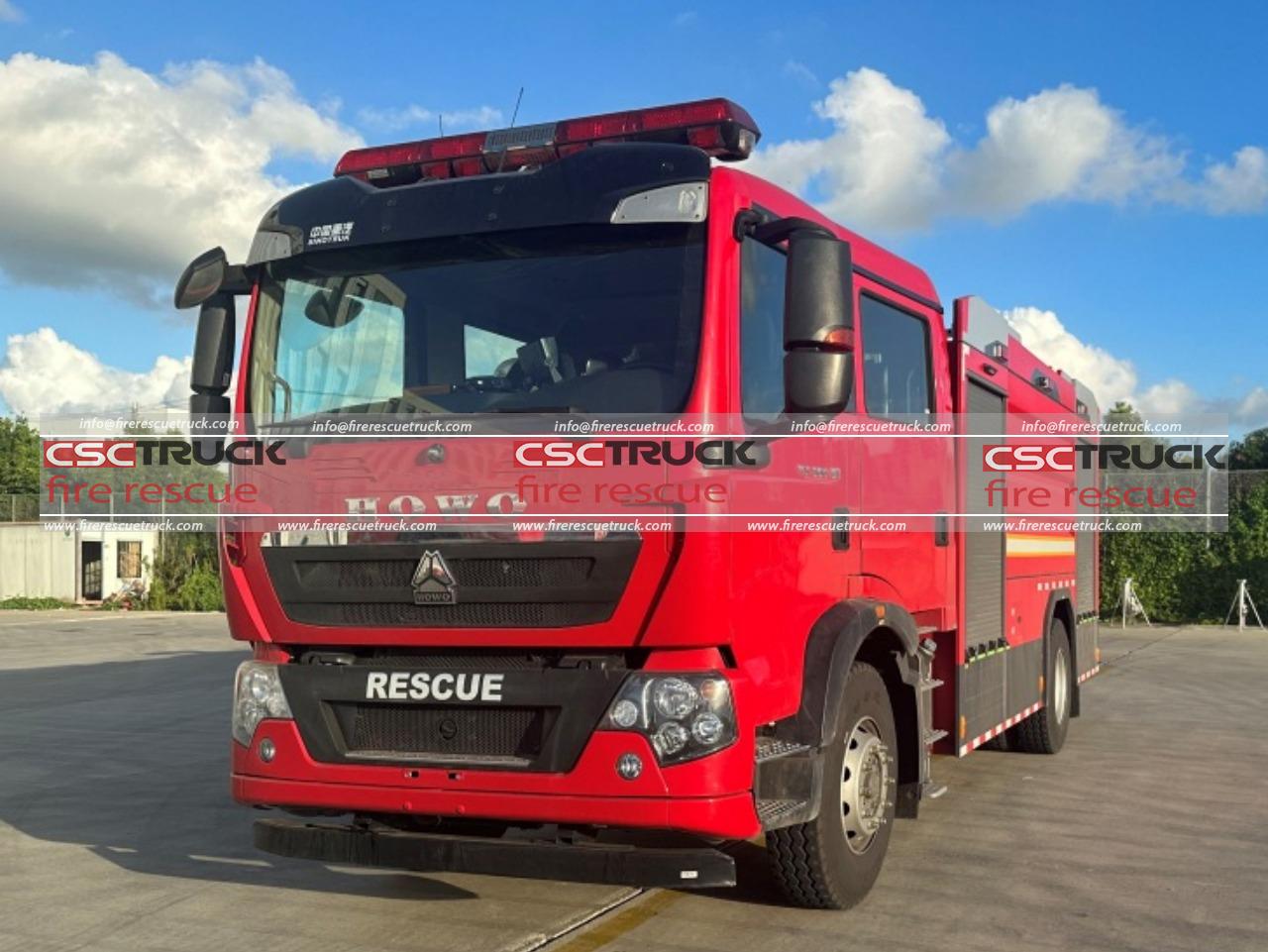
- Pumper Fire Engines: Equipped with water tanks, pumps, and hoses, these are the most common and generally cost between USD 200,000 and USD 500,000.
- Rescue Fire Engines: Carry specialized rescue tools such as hydraulic cutters, breathing apparatus, and medical equipment, typically ranging from USD 250,000 to USD 600,000.
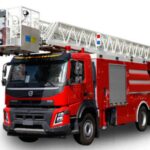
- Ladder Trucks / Aerial Fire Engines: Featuring aerial ladders or platforms for high-rise firefighting and rescue, these usually cost USD 700,000 to USD 1,200,000 or more.
- Airport Fire Engines (ARFF): Designed for aircraft firefighting with high-capacity foam systems and extreme performance requirements, prices often exceed USD 1,000,000.
- Brush or Wildland Fire Engines: Built for off-road terrain and forest firefighting, usually costing USD 150,000 to USD 350,000.
Each type is engineered for a specific mission profile, and higher complexity directly translates to higher cost.
2. Chassis and Powertrain
The chassis brand and drivetrain configuration play a major role in pricing. Fire engines can be built on:
- Commercial truck chassis
- Custom fire-specific chassis
- Imported or locally manufactured platforms
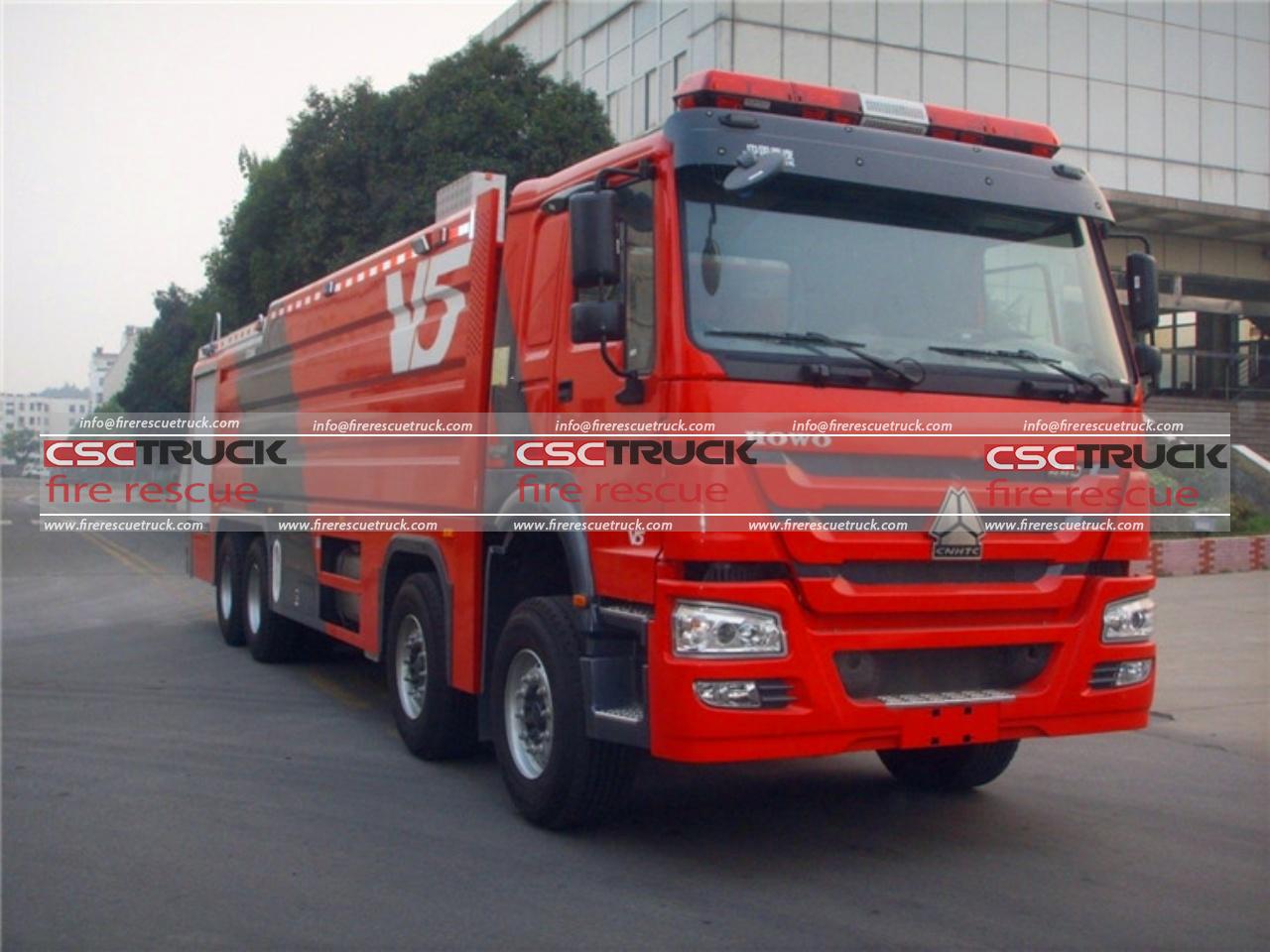
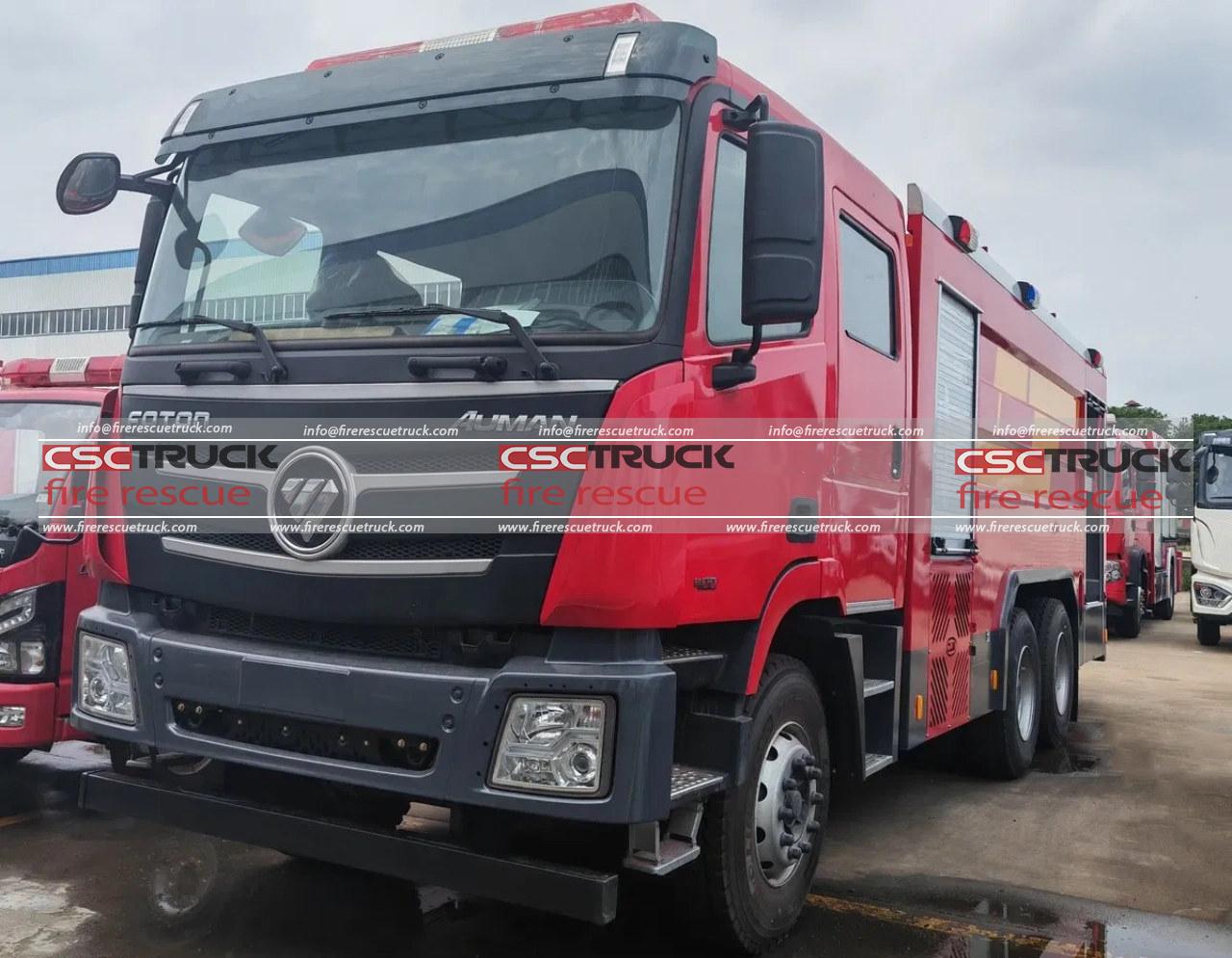
Custom chassis designed exclusively for firefighting offer better durability, weight distribution, and ergonomics, but they are more expensive. Engine power, emission standards, transmission type, and axle configuration (4×2, 4×4, 6×4, or 8×8) also influence cost. For example, all-wheel-drive fire engines designed for rough terrain or airports command a premium price.
3. Firefighting Equipment and Systems
The onboard firefighting systems significantly impact the final cost, including:
- Water tank capacity (typically 1,500 to 10,000 liters)
- Pump capacity (1,500–6,000 L/min or more)
- Foam proportioning systems
- CAFS (Compressed Air Foam Systems)
- High-pressure hose reels
- Monitors and water cannons
Advanced foam systems, large-capacity pumps, and automated controls increase performance but also raise manufacturing and maintenance costs.
4. Materials and Build Quality
Fire engine bodies are commonly made from carbon steel, stainless steel, or aluminum. Aluminum and stainless steel bodies are lighter and more corrosion-resistant, improving long-term durability but increasing initial cost. The quality of welding, compartment design, anti-corrosion treatment, and structural reinforcement also affects pricing.
5. Safety, Electronics, and Technology
Modern fire engines often include advanced technology, such as:
- Electronic pump control systems
- Integrated vehicle diagnostics
- GPS and fleet management systems
- Thermal imaging cameras
- 360-degree camera systems
- Advanced lighting and warning systems
While these features enhance safety, efficiency, and situational awareness, they add to the overall vehicle cost.
6. Certification and Compliance
Fire engines built to meet international or regional standards—such as NFPA, EN, ICAO, or local regulatory requirements—often cost more due to rigorous testing, certification processes, and higher manufacturing standards. For export buyers, compliance with destination country regulations is a critical consideration and may influence final pricing.
New vs. Used Fire Engines
New Fire Engines
Advantages:
- Latest technology and safety features
- Full manufacturer warranty
- Customizable specifications
- Longer service life
Disadvantages:
- Higher upfront cost
- Longer production and delivery time
Used or Refurbished Fire Engines
Advantages:
- Lower purchase price
- Faster availability
- Suitable for training, backup, or limited-budget departments
Disadvantages:
- Shorter remaining lifespan
- Potential maintenance issues
- Limited customization
For many developing regions or private industrial users, refurbished fire engines provide an excellent balance between cost and performance.
Operating and Lifetime Costs
The purchase price is only part of the total cost of ownership. Buyers should also consider:
- Fuel consumption
- Routine maintenance and spare parts
- Insurance
- Training for operators
- Long-term repairs and overhauls
A higher-quality fire engine may cost more initially but offer lower lifetime operating costs and better reliability.
Customization and Optional Features
Customization is common in fire engine procurement. Optional features such as extra compartments, specialized rescue tools, enhanced suspension systems, or climate-specific adaptations can significantly increase cost. Buyers should carefully evaluate which features are essential versus optional to avoid unnecessary expenses.
Is a More Expensive Fire Engine Always Better?
Not necessarily. The best fire engine is one that matches the operational environment, risk profile, and budget of the buyer. A compact pumper may be ideal for urban areas with narrow streets, while a large multi-purpose fire engine suits airports or industrial zones. Over-specifying a fire engine can lead to higher costs without proportional benefits.
Conclusion
So, how much does a fire engine cost? The answer depends on many factors, including type, size, equipment, technology, and compliance standards. Prices can range from USD 150,000 for basic units to over USD 1,000,000 for advanced, specialized fire engines. By understanding the key cost drivers and carefully assessing operational needs, buyers can make informed decisions and invest in a fire engine that delivers maximum value, performance, and reliability over its service life.
Whether for municipal firefighting, airport rescue, industrial protection, or wildland operations, a well-chosen fire engine is not just a purchase—it is a long-term investment in safety, readiness, and lives saved.