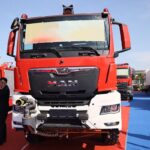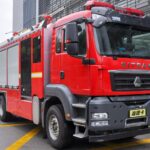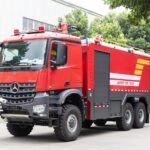
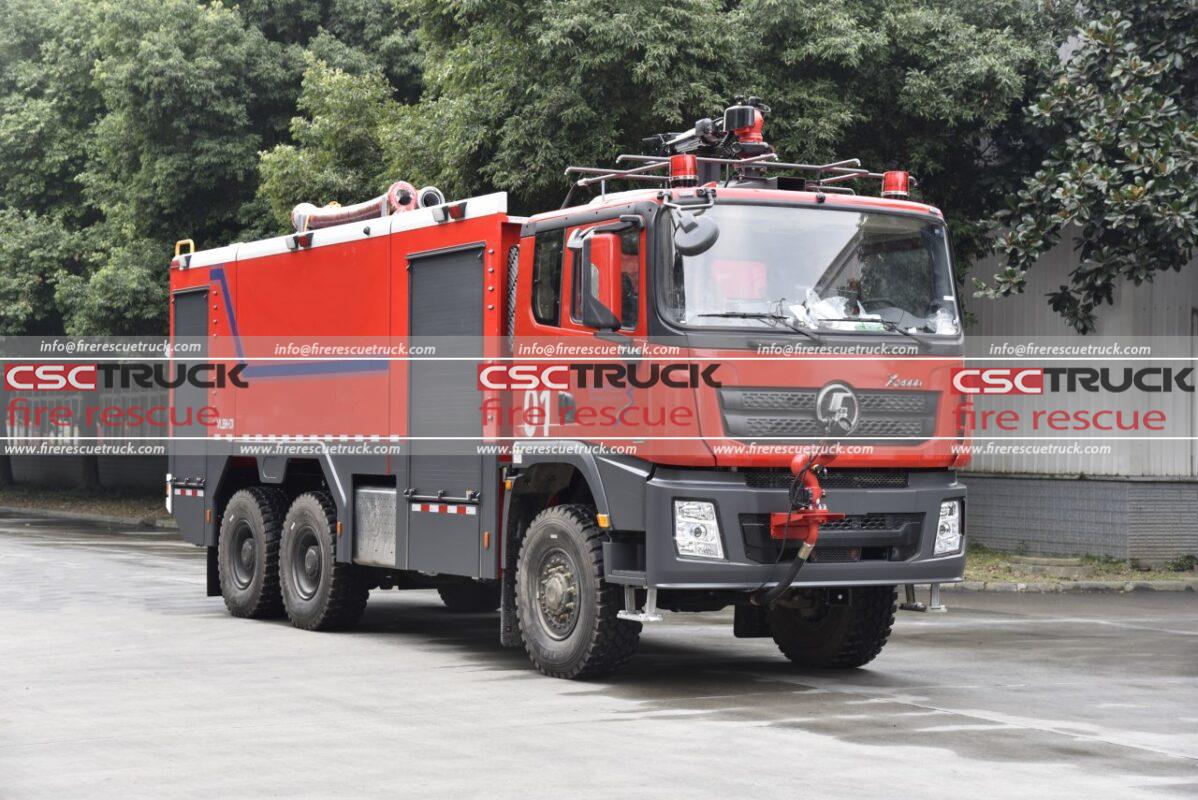
Aircraft Rescue and Fire Fighting (ARFF) vehicles are among the most advanced and specialized emergency response machines in the world. Designed specifically for airport environments, these high-performance fire trucks play a critical role in protecting passengers, crew, and infrastructure during aviation emergencies. Unlike conventional municipal fire engines, ARFF trucks are engineered for rapid response, high-capacity fire suppression, and extreme operating conditions on runways and airfields.
In this article, we explore the key features, technologies, and global applications of high-performance ARFF fire trucks, while also introducing the capabilities of CSCTRUCK Fire Rescue Truck product solutions.
Introduction to CSCTRUCK Fire Rescue Truck
CSCTRUCK Fire Rescue Truck is a leading manufacturer of specialized firefighting vehicles, including ICAO-compliant ARFF trucks designed for airports worldwide. Produced in Suizhou, China, these vehicles are built to meet international standards such as ISO 9001, ISO 14001, and ISO 45001, ensuring quality, safety, and environmental compliance.
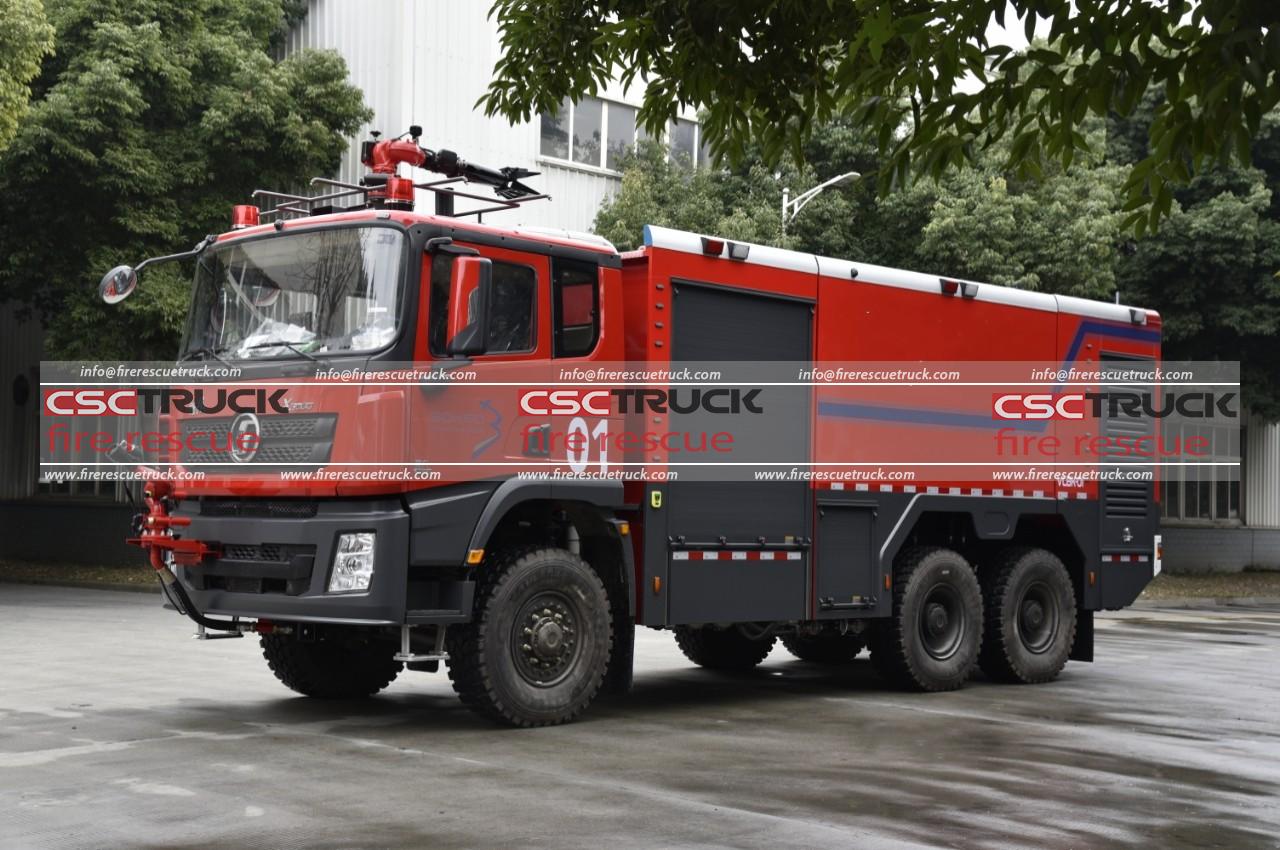
CSCTRUCK Fire Rescue Truck offers a wide range of ARFF fire trucks with customizable configurations to meet ICAO, NFPA, or European EN standards. Their product lineup includes 4×4, 6×6, and 8×8 drive models, equipped with advanced fire suppression systems, high-speed chassis, and intelligent control technologies. These trucks are widely used in international airports, military airbases, and aviation rescue operations.
The Role of ARFF Fire Trucks in Aviation Safety
Airports present unique firefighting challenges, particularly due to the presence of large quantities of aviation fuel, high passenger density, and complex aircraft structures. ARFF vehicles are specifically designed to respond to aircraft incidents within seconds and contain fires before they escalate.
International aviation standards require ARFF units to reach any point on the runway within a very short time frame, ensuring rapid intervention. Their mission includes:
- Aircraft fire suppression
- Passenger rescue and evacuation support
- Fuel spill containment
- Protection of airport infrastructure
These vehicles are a mandatory component of airport safety systems worldwide.
Key Features of High-Performance ARFF Trucks
1. Exceptional Speed and Mobility
One of the defining characteristics of ARFF fire trucks is their speed. These vehicles can reach top speeds of 110–140 km/h and accelerate rapidly despite their massive weight.
High-performance ARFF trucks are equipped with:
- Powerful engines ranging from 500 to over 1,000 horsepower
- All-wheel-drive systems (4×4, 6×6, or 8×8)
- Advanced suspension systems for off-road capability
This allows them to traverse runways, grass fields, and uneven terrain efficiently, ensuring immediate response to emergencies.
2. Large-Capacity Fire Suppression Systems
ARFF vehicles are built to carry massive amounts of firefighting agents to combat aviation fuel fires effectively. Typical capacities include:
- Water tanks: 1,500 to 4,500 gallons (5,700–17,000 liters)
- Foam tanks: 200 to 600 gallons (750–2,300 liters)
- Dry chemical agents for fuel and electrical fires
Some high-end models can carry up to 16,000 liters of water and nearly 2,000 liters of foam, offering extended firefighting capability.
These systems enable ARFF trucks to quickly suppress large-scale fires and prevent re-ignition.
3. High-Performance Pumping and Discharge Systems
At the heart of every ARFF vehicle is a powerful pump system capable of delivering large volumes of extinguishing agents. Modern systems can achieve:
- Pump outputs of 1,000 to 2,500 GPM (or higher)
- Advanced foam proportioning systems (0.3%–6%)
- Multiple discharge points, including roof and bumper turrets
Roof-mounted monitors can project water or foam over distances exceeding 60–90 meters, allowing firefighters to attack fires from a safe distance.
4. Advanced Turret and Snozzle Technology
Modern ARFF trucks are equipped with sophisticated firefighting tools that enhance efficiency and precision:
- Roof and bumper turrets for high-flow discharge
- Under-truck nozzles for safe operation over burning surfaces
- Snozzle systems (HRET) for piercing aircraft fuselages and injecting extinguishing agents
These features allow firefighters to suppress fires both externally and internally, significantly improving rescue outcomes.
5. Intelligent Control and Safety Systems
High-performance ARFF trucks incorporate advanced electronics and safety features to improve operational effectiveness:
- Digital control panels and touch-screen interfaces
- Thermal imaging cameras for detecting hidden fires
- Gas detection systems for hazardous environments
- Integrated communication systems with air traffic control
These technologies enable precise control of firefighting operations, even in high-risk and low-visibility conditions.
6. Ergonomic and High-Visibility Cab Design
The cab design of ARFF vehicles is optimized for both safety and efficiency:
- Panoramic windshields for maximum visibility
- Ergonomic seating and controls
- Fire-resistant materials
This ensures that operators can navigate quickly and safely during emergencies while maintaining full situational awareness.

Global Applications of ARFF Fire Trucks
High-performance ARFF fire trucks are deployed in airports around the world, from regional airfields to major international hubs. Their configurations vary depending on airport size and risk category:
- Small airports: Typically use 4×4 or 6×6 ARFF vehicles
- Medium airports: Require higher-capacity 6×6 units
- Large international airports: Deploy 8×8 heavy-duty ARFF trucks with maximum water and foam capacity
Recent deployments of advanced crash tenders demonstrate how modern ARFF vehicles continue to evolve. For example, new-generation units can carry over 12,500 liters of water and reach operational speeds in seconds, significantly improving emergency response capability.
Advantages Over Conventional Fire Trucks
Compared to municipal fire engines, ARFF vehicles offer several unique advantages:
- Faster acceleration and higher top speeds
- Greater extinguishing agent capacity
- Specialized systems for aviation fuel fires
- Off-road mobility for airfield environments
These features make ARFF trucks indispensable for airport safety operations.

Future Trends in ARFF Fire Truck Technology
As aviation technology evolves, ARFF vehicles are also advancing rapidly. Key trends include:
- Environmentally friendly foam systems (fluorine-free foams)
- Electric or hybrid ARFF vehicles
- AI-assisted firefighting systems
- Enhanced automation and remote operation
Manufacturers like CSCTRUCK Fire Rescue Truck are continuously innovating to meet the growing demands of modern airports and stricter environmental regulations.
Conclusion
High-performance ARFF fire trucks are essential for ensuring safety in the aviation industry. With their unmatched speed, powerful fire suppression systems, and advanced technologies, these vehicles are capable of handling some of the most dangerous and complex emergency scenarios.
CSCTRUCK Fire Rescue Truck stands out as a reliable supplier of ICAO-compliant ARFF vehicles, offering customizable, high-quality solutions for airports worldwide. As global air traffic continues to grow, the demand for advanced ARFF systems will only increase, making these specialized fire trucks a cornerstone of modern airport safety infrastructure.