
Introduction
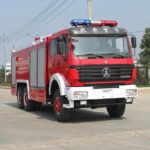
Wildfires and brush fires pose serious threats to forests, rural communities, agricultural land, infrastructure, and natural resources. In areas with rugged terrain, narrow forest roads, steep slopes, and limited water supplies, conventional urban fire engines may not be suitable for effective firefighting operations. A wildland fire engine is specially designed to overcome these challenges, providing excellent off-road mobility, reliable firefighting performance, and rapid emergency response in difficult environments.
A wildland fire engine for sale is an ideal investment for municipal fire departments, forestry agencies, industrial fire brigades, emergency response organizations, and private firefighting contractors. Equipped with a 4-wheel-drive or all-wheel-drive chassis, water tanks, high-pressure fire pumps, hose reels, and specialized firefighting equipment, these vehicles can reach remote fire locations and deliver effective fire suppression capabilities.
CSCTRUCK Fire Rescue Truck is a professional Chinese manufacturer and supplier of specialized firefighting vehicles, offering a wide range of fire trucks for different emergency response applications. With experience in fire truck manufacturing, OEM and ODM customization, and international export services, CSCTRUCK Fire Rescue Truck provides customized firefighting solutions for customers worldwide. Its product range includes water fire trucks, foam fire engines, dry powder fire trucks, combined fire trucks, and specialized vehicles designed for demanding firefighting environments.
1. What Is a Wildland Fire Engine?
A wildland fire engine is a specialized firefighting vehicle developed for fighting fires in forests, grasslands, mountains, brush areas, and other locations where conventional fire trucks may have difficulty operating.
Unlike standard urban fire engines, wildland firefighting trucks prioritize maneuverability, ground clearance, traction, and compact vehicle dimensions. Many models use 4×4 or 6×6 drive configurations, allowing them to travel across uneven terrain, muddy roads, rocky trails, and steep forest access routes.
These vehicles are typically equipped with onboard water tanks, firefighting pumps, hose reels, water cannons, and portable firefighting tools. Depending on the application, they may also feature foam proportioning systems, protective equipment storage, and additional water delivery connections.
The main purpose of a wildland fire engine is to provide fast and flexible firefighting support in areas where water sources and road infrastructure are limited.

2. High-Performance Off-Road Chassis
The chassis is one of the most important components of a wildland fire engine. Forest firefighting frequently requires vehicles to operate on uneven surfaces, narrow trails, steep inclines, and unpaved roads. Therefore, a dependable off-road chassis is essential.
Most professional wildland fire engines use 4-wheel-drive configurations, while larger models may adopt 6-wheel-drive systems for increased load capacity and traction.
Important chassis features include:
- 4-wheel-drive system: Provides improved traction on muddy, sandy, rocky, and uneven terrain.
- High ground clearance: Helps prevent damage to the underbody when traveling over rocks, tree roots, and rough trails.
- Powerful diesel engine: Delivers the torque required for climbing slopes and carrying firefighting equipment.
- Heavy-duty suspension: Improves vehicle stability and durability under demanding operating conditions.
- Reliable braking system: Supports safe driving on steep roads and uneven surfaces.
- Compact body design: Makes it easier to maneuver through narrow forest roads and restricted access areas.
Depending on customer requirements, manufacturers can provide different chassis brands, engine configurations, wheelbases, and drive systems.
3. Efficient Water Tank and Fire Pump Systems
A reliable water supply and firefighting pump are essential for controlling forest and brush fires. Wildland fire engines are generally equipped with water tanks of different capacities according to vehicle size, operating environment, and firefighting requirements.
Compact wildland fire trucks may carry relatively small water tanks to maintain maneuverability and reduce vehicle weight. Larger models can accommodate higher-capacity tanks for extended firefighting operations.
The firefighting pump is responsible for delivering water at the required pressure and flow rate. Depending on the vehicle configuration, the pump can supply water through multiple hose outlets, hose reels, or water monitors.
Key firefighting equipment may include:
- Onboard water storage tank
- High-pressure firefighting pump
- High-pressure hose reels
- Water monitors and spray nozzles
- Suction hoses and water intake connections
- Foam proportioning and application systems
- Portable firefighting equipment
For operations in remote areas, the ability to draw water from rivers, ponds, temporary reservoirs, or other available sources can significantly improve operational flexibility.

4. Specialized Equipment for Forest and Brush Fires
Forest fires behave differently from fires in urban buildings and industrial facilities. Flames can spread rapidly through dry grass, leaves, shrubs, branches, and trees. Wind direction, temperature, humidity, and vegetation conditions can also influence fire development.
Consequently, a professional wildland fire engine should be equipped with firefighting tools suitable for outdoor fire suppression.
Common equipment includes:
High-pressure hose reels: These allow firefighters to deploy hoses quickly and deliver water to vegetation and localized fire areas.
Water monitors: Roof-mounted or front-mounted water cannons can provide effective water streams for suppressing flames and protecting exposed areas.
Foam firefighting systems: Foam solutions can help improve wetting and coverage when compatible with the fire conditions and operational strategy.
Portable firefighting tools: Axes, shovels, rakes, chainsaws, and other equipment help crews clear vegetation, create firebreaks, and support firefighting operations.
Emergency lighting: LED work lights and warning lights improve visibility during nighttime operations and in smoky environments.
Crew protection equipment: Storage compartments can accommodate protective clothing, helmets, breathing equipment, and other emergency response supplies.
The final equipment configuration should be selected according to local forestry firefighting standards and the specific operational requirements of the customer.
5. Main Applications of Wildland Firefighting Trucks
A high-performance wildland fire engine can support a wide range of emergency response activities.
Forest Fire Suppression
Forestry departments use specialized fire engines to reach forest roads, firebreaks, and remote vegetation areas. Their off-road capability helps firefighters respond quickly and establish water delivery points near active fires.
Grassland and Brush Firefighting
Grassland and brush fires can spread rapidly, especially during dry seasons. Compact 4×4 firefighting trucks provide flexible transportation and effective water delivery for controlling these fires.
Mountain and Rural Fire Protection
Many rural communities are located far from conventional fire stations and municipal water networks. Off-road fire engines can provide essential emergency response capabilities in mountainous and remote regions.
Agricultural Fire Protection
Farms, plantations, orchards, and agricultural storage facilities may face fire risks involving dry vegetation, machinery, and combustible materials. Wildland fire engines can provide mobile firefighting support for these locations.
Industrial and Infrastructure Protection
Certain industrial facilities, pipelines, power installations, and remote infrastructure projects are located near forests or undeveloped land. Specialized off-road fire trucks can help protect these assets against vegetation fires and related emergencies.

6. Advantages of Buying a Wildland Fire Engine
Investing in a dedicated wildland fire engine provides several operational advantages compared with using conventional road-oriented firefighting vehicles.
First, improved off-road mobility allows firefighters to reach areas that are difficult or impossible for standard fire trucks to access. This can reduce response delays and improve firefighting coverage.
Second, integrated water tanks and pump systems provide an independent water supply for initial fire suppression. This is particularly valuable in remote locations without hydrants or nearby water infrastructure.
Third, specialized equipment improves operational flexibility. Firefighters can use hose reels, water monitors, portable tools, and optional foam systems according to the situation.
Finally, customized vehicle configurations allow fire departments to select appropriate chassis, tank capacities, pump performance, crew seating, and equipment layouts based on their budgets and operating environments.
7. Custom Wildland Fire Engines from CSCTRUCK Fire Rescue Truck
CSCTRUCK Fire Rescue Truck specializes in the development and supply of firefighting vehicles for international markets. As a professional manufacturer of special-purpose vehicles in China, the company offers different fire truck configurations to support municipal, industrial, forestry, and emergency response applications.
Customers looking for a wildland fire engine for sale can discuss their technical requirements with CSCTRUCK Fire Rescue Truck‘s engineering and sales teams to develop a suitable vehicle configuration.
Available customization options may include:
- Chassis selection: Different Chinese and international chassis brands, depending on availability and project requirements.
- Drive configuration: 4×4 or 6×6 systems for different terrain conditions.
- Water tank capacity: Customized tank volumes according to vehicle size and firefighting requirements.
- Fire pump configuration: Pump flow, pressure, and outlet arrangements selected for the intended application.
- Firefighting equipment: Hose reels, water monitors, spray systems, foam equipment, and portable tools.
- Crew compartment: Seating arrangements and storage solutions for firefighting personnel and protective equipment.
- Vehicle appearance: Customized colors, warning lights, markings, and customer-specific branding.
In addition to vehicle manufacturing, CSCTRUCK Fire Rescue Truck provides OEM and ODM services, technical communication, engineering support, and export assistance. These services help international customers obtain firefighting vehicles that match their local operating conditions and procurement specifications.

8. How to Choose the Right Wildland Fire Engine for Sale
Before purchasing a wildland fire engine, buyers should carefully evaluate several technical and operational factors.
Terrain conditions: Consider whether the vehicle will operate on forest trails, steep mountain roads, muddy ground, grassland, or mixed terrain. This determines the appropriate chassis and drive configuration.
Water tank capacity: Select a tank size that balances firefighting endurance with vehicle mobility and payload limitations.
Pump performance: Evaluate the required water flow, operating pressure, hose length, and number of simultaneous water outlets.
Vehicle dimensions: Compact vehicles are often more suitable for narrow forest roads, while larger vehicles may offer increased water capacity and equipment storage.
Crew capacity: Determine how many firefighters need to travel with the vehicle and what protective equipment must be carried.
Local regulations: Check applicable vehicle registration requirements, road regulations, firefighting equipment standards, and emission requirements in the destination country.
After-sales support: Consider spare parts availability, maintenance requirements, technical documentation, and manufacturer support.
Working with an experienced fire truck manufacturer can help buyers select a configuration that meets both operational and regulatory requirements.
Conclusion
A wildland fire engine for sale is an essential firefighting solution for forestry departments, rural fire stations, emergency response organizations, and industrial operators working in areas exposed to forest and brush fires. With powerful off-road chassis systems, reliable water tanks, efficient fire pumps, and specialized firefighting equipment, these vehicles provide the mobility and performance required for challenging outdoor firefighting operations.
CSCTRUCK Fire Rescue Truck offers professional fire truck manufacturing, OEM and ODM customization, and international export services. Whether customers require a compact 4×4 wildland fire truck or a larger off-road firefighting vehicle, CSCTRUCK Fire Rescue Truck can help develop a suitable solution based on terrain conditions, water capacity, pump specifications, and application requirements.
Contact CSCTRUCK Fire Rescue Truck to discuss your project, request technical specifications, and obtain a customized quotation for a high-performance wildland firefighting vehicle.