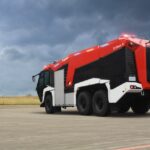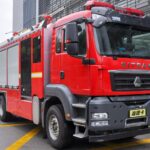

In modern aviation, seconds can mean the difference between a controlled emergency and a catastrophic loss. Aircraft Rescue and Firefighting (ARFF) trucks are the frontline defense systems protecting passengers, crew, aircraft assets, and airport infrastructure. From rapid response acceleration to high-capacity firefighting systems, ARFF vehicles are engineered for one purpose: Immediate, decisive action in the most extreme conditions.
Among leading global manufacturers, the CSCTRUCK Fire Rescue Truck stands out as a reliable and customizable ARFF solution designed for international airports, military airbases, and regional aviation hubs. Built with high-performance chassis configurations, advanced foam proportioning systems, and ergonomic crew cabins, CSCTRUCK Fire Rescue Truck ARFF units combine power, safety, and intelligent firefighting technology into a single integrated platform.
This complete manual will guide you through ARFF truck deployment, operation, and maintenance—ensuring your airport fire department operates with confidence and compliance.
1. Understanding ARFF Standards and Compliance
ARFF trucks must comply with international aviation firefighting standards, primarily those set by the International Civil Aviation Organization (ICAO) and the Federal Aviation Administration (FAA). These organizations define:
- Minimum extinguishing agent capacities
- Response time requirements (typically under 3 minutes to any point on the runway)
- Performance standards for acceleration, braking, and off-road mobility
- Foam discharge rates and reach distances
When selecting an ARFF truck, airport category classification (ICAO Category 1–10) determines the required water, foam, and dry chemical capacities. Larger international airports require multi-vehicle fleets with high-output turrets and extended-range firefighting systems.

2. Deployment Strategy – Positioning for Rapid Response
Effective deployment begins long before an emergency occurs.
Strategic Station Placement
Fire stations must be positioned to meet response-time regulations. For major hubs, multiple satellite stations may be required to ensure full runway coverage.
Vehicle Readiness
ARFF trucks should remain:
- Fully fueled
- Water and foam tanks are filled
- Battery systems charged
- Pump systems pressure-tested
Modern units, including CSCTRUCK Fire Rescue Truck ARFF vehicles, feature onboard diagnostic systems and smart control panels that allow pre-shift readiness verification in minutes.
Crew Preparedness
Deployment efficiency relies heavily on trained personnel. ARFF crews should conduct:
- Daily equipment inspections
- Pump engagement drills
- Turret aiming simulations
- Emergency communication testing
Preparedness is not optional—it is operational insurance.
3. ARFF Truck Operation – From Alarm to Suppression
Step 1: Rapid Acceleration
ARFF trucks are engineered for high-speed runway response. Many 6×6 or 8×8 configurations accelerate from 0–80 km/h in under 25 seconds, even at full load. Heavy-duty suspension and large-diameter tires ensure stability across runway shoulders and soft terrain.
Step 2: Agent Deployment
ARFF trucks typically carry:
- Water (6,000–15,000 liters depending on category)
- Aqueous Film Forming Foam (AFFF)
- Dry chemical powder
- Optional clean agents
Roof-mounted and bumper turrets enable precise long-range discharge. Some advanced CSCTRUCK Fire Rescue Truck configurations offer joystick-controlled monitors with adjustable flow rates exceeding 6,000 L/min.
Step 3: Tactical Fire Suppression
Aircraft fires differ from structural fires. They involve:
- Jet fuel pool fires
- Pressurized fuel spray fires
- Cabin interior materials
- Composite aircraft structures
Foam blankets suppress vapor release while cooling surrounding structures. Dry chemical agents are often deployed for rapid flame knockdown before foam sealing.
Step 4: Rescue Support
Beyond firefighting, ARFF trucks support:
- Emergency lighting systems
- Hydraulic rescue tools
- Breathing apparatus storage
- Thermal imaging cameras
The mission extends from fire suppression to passenger survival and evacuation assistance.

4. Key Systems Overview
Understanding major ARFF truck systems improves operational safety and longevity.
Chassis and Drivetrain
ARFF vehicles use heavy-duty all-wheel-drive chassis designed for high torque and low-speed control. Advanced braking systems include ABS, traction control, and electronic stability control.
Pump and Foam Proportioning System
The centrifugal pump is the heart of the firefighting system. Electronic foam proportioning ensures precise foam-to-water ratios, optimizing extinguishing performance while reducing waste.
Turrets and Nozzles
- Roof turret: long-range, high-volume discharge
- Bumper turret: ground-level penetration
- Handlines: flexible manual suppression
Electrical and Control Systems
Modern ARFF trucks feature digital control panels, CAN-bus systems, and integrated diagnostics for real-time monitoring of pressure, tank levels, and system health.
5. Preventive Maintenance – Protecting Your Investment
ARFF trucks represent a significant capital investment. Preventive maintenance ensures reliability and regulatory compliance.
Daily Checks
- Fluid levels (engine oil, coolant, brake fluid)
- Tire pressure and condition
- Pump engagement test
- Foam proportion calibration check
Weekly Tasks
- Full pump flow test
- Turret rotation and elevation inspection
- Battery load test
- Emergency lighting system inspection
Monthly & Quarterly Maintenance
- Foam concentrate quality testing
- Water tank internal inspection
- Filter replacements
- Electrical harness inspection
Annual Overhaul
Comprehensive servicing includes pump seal replacement, chassis inspection, suspension evaluation, and calibration of electronic systems.
Proper documentation is critical for compliance audits by aviation authorities and insurance providers.

6. Common Operational Challenges and Solutions
Foam System Blockage
Cause: Improper flushing after use
Solution: Always flush foam lines with clean water post-deployment.
Pump Cavitation
Cause: Air intrusion or insufficient water supply
Solution: Inspect intake seals and ensure tank suction lines are clear.
Electrical Fault Codes
Cause: Sensor malfunction or wiring issues
Solution: Use onboard diagnostics to identify affected circuits before replacement.
7. Training and Simulation
Confidence in ARFF operation comes from repetition. Airports should conduct:
- Live fire training exercises
- Foam discharge drills
- Night response simulations
- Multi-agency coordination drills
Simulation-based driver training improves high-speed runway maneuvering while reducing equipment wear.

8. Fleet Management and Lifecycle Planning
Most ARFF trucks have an operational lifecycle of 15–20 years. Effective fleet planning includes:
- Mid-life refurbishment at year 8–10
- Pump and foam system upgrades
- Control system modernization
- Replacement scheduling based on airport expansion
CSCTRUCK Fire Rescue Truck provides customized build options to match evolving ICAO category upgrades, ensuring airports scale efficiently without unnecessary fleet replacement.
9. Why Choose CSCTRUCK Fire Rescue Truck?
The CSCTRUCK Fire Rescue Truck integrates:
- High-capacity stainless steel water and foam tanks
- Advanced electronic foam proportioning systems
- Heavy-duty all-terrain chassis
- Ergonomic, climate-controlled crew cabins
- International compliance with ICAO and FAA standards
Its modular design allows adaptation to regional regulations across Asia, Africa, the Middle East, Europe, and the Americas. Whether serving a regional airport or a major international hub, CSCTRUCK Fire Rescue Truck offers scalable ARFF solutions engineered for reliability and operational readiness.

Conclusion – Operate with Confidence
ARFF trucks are more than emergency vehicles—they are strategic aviation safety assets. Proper deployment planning, disciplined operational procedures, and rigorous preventive maintenance are the foundations of reliable airport firefighting capability.
With comprehensive training, regulatory compliance, and robust equipment such as the CSCTRUCK Fire Rescue Truck, airport authorities can deploy, operate, and maintain their ARFF fleet with total confidence.
When alarms sound and time becomes critical, preparation is everything. The right ARFF truck—properly maintained and expertly operated—ensures that every response is fast, effective, and life-saving.