
Airport fire safety is one of the most critical components of modern aviation infrastructure. Whether for civil airports, military airbases, or large-scale aviation hubs, the need for high-performance Aircraft Rescue and Fire Fighting (ARFF) vehicles is non-negotiable. Governments and aviation authorities around the world rely on specialized suppliers to deliver advanced airport fire trucks that meet stringent international standards such as ICAO and NFPA.
This article explores the role of airport fire truck suppliers in government and aviation projects, key technical requirements, and how manufacturers like CSCTRUCK Fire Rescue Truck are contributing to global airport safety.
The Role of Airport Fire Trucks in Aviation Safety
Airport fire trucks are not conventional firefighting vehicles. They are purpose-built machines designed specifically for aircraft emergencies, including fuel fires, crash rescue, and rapid evacuation support.
International aviation regulations require airports to maintain ARFF services capable of reaching any point on the runway within a strict response time—typically within minutes.
To meet these requirements, ARFF vehicles are engineered with:
- High-speed acceleration and mobility for rapid deployment
- Large-capacity water and foam tanks for fuel fire suppression
- Advanced firefighting systems, including turrets and piercing nozzles
- All-terrain capability for off-runway operations
These vehicles are essential for protecting passengers, crew, and airport infrastructure during emergencies.

Key Technical Specifications of Modern ARFF Trucks
1. High Power and Performance
Airport fire trucks are built for speed and power. Engines typically range from 500 to over 1,000 horsepower, allowing the vehicle to accelerate quickly and reach high speeds even when fully loaded.
Advanced driveline configurations such as 4×4, 6×6, and 8×8 ensure excellent traction across runways, taxiways, and rough terrain.
2. Large Fire Suppression Capacity
One of the defining features of ARFF vehicles is their ability to carry large volumes of extinguishing agents:
- Water: 3,000–15,000 liters or more
- Foam concentrate: up to 2,000 liters
- Dry chemical powder: up to 450 kg
Some high-end models can even carry up to 16,000 liters of water and deliver pump capacities of 10,000 L/min.
This capacity is essential for combating aviation fuel fires, which spread rapidly and require immediate suppression.
3. Advanced Firefighting Systems
Modern ARFF trucks are equipped with cutting-edge firefighting technology, including:
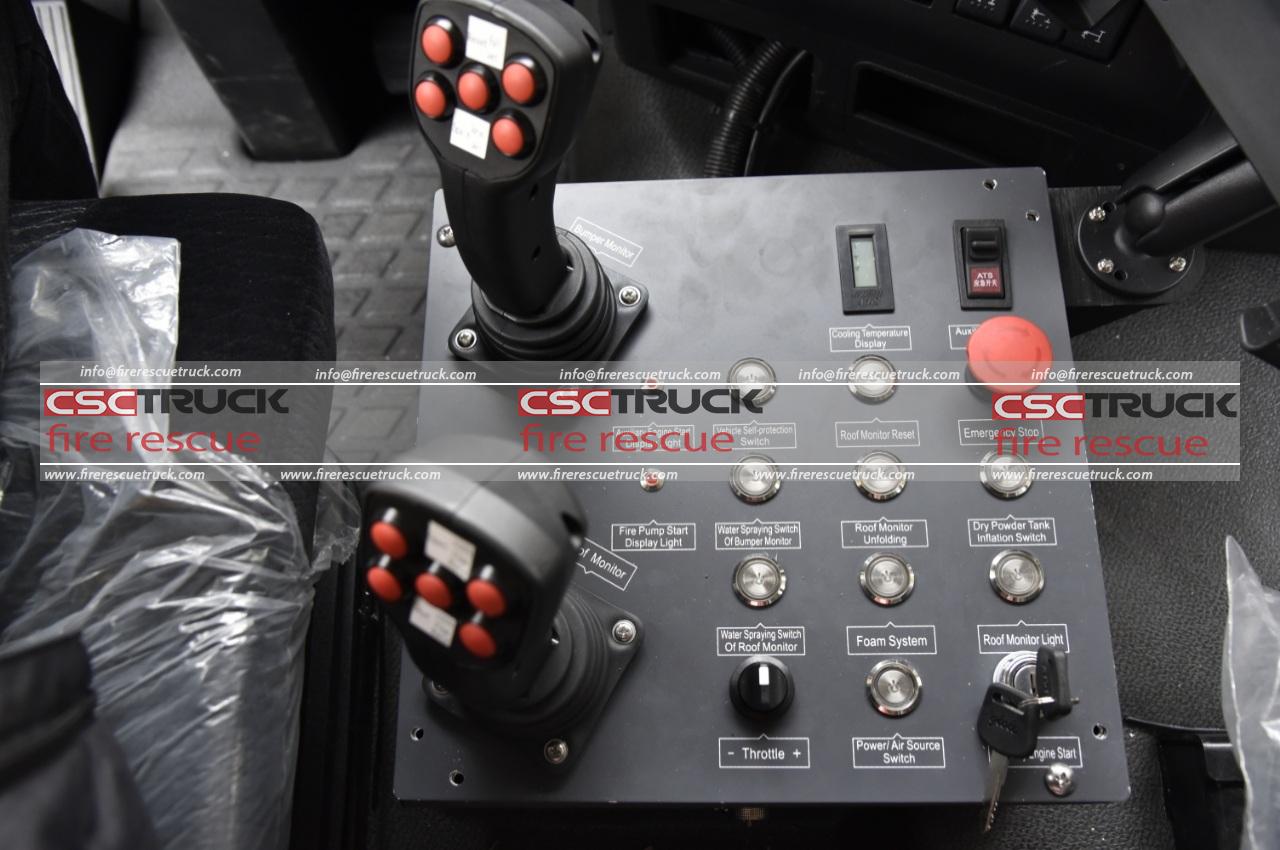
- Roof and bumper monitors (turrets) for long-range fire attack
- Under-truck nozzles for safe passage through flames
- High Reach Extendable Turrets (HRET) for penetrating aircraft fuselages
- Foam proportioning systems for efficient extinguishing agent use
These systems allow firefighters to begin suppression while the vehicle is still moving, improving response effectiveness.
4. ICAO-Compliant Design
Airport fire trucks must comply with International Civil Aviation Organization (ICAO) categories, which define the required vehicle capacity based on airport size and aircraft types.
Typical ARFF classifications include categories 24, 60, and 90, each corresponding to increasing levels of firefighting capability.
Suppliers must ensure their vehicles meet these requirements to be eligible for government and aviation contracts.
Government & Aviation Project Requirements
When governments or airport authorities procure ARFF vehicles, they prioritize several critical factors:
1. Compliance with International Standards
Vehicles must meet ICAO, NFPA 414, and other regional standards to ensure operational safety and certification.
2. Customization Capability
Each airport has unique requirements depending on runway length, aircraft size, and traffic volume. Suppliers must provide tailored solutions, including:
- Tank capacity customization
- Chassis configuration (4×4, 6×6, 8×8)
- Specialized rescue equipment
3. Reliability and Durability
Airport fire trucks operate in extreme conditions, from high temperatures in the Middle East to cold climates in northern regions. Durable materials such as aluminum and composite structures are commonly used to ensure longevity.
4. Training and After-Sales Support
Government buyers often require:
- Operator training programs
- Spare parts supply
- Maintenance and technical support
A reliable supplier must offer a complete lifecycle service package.
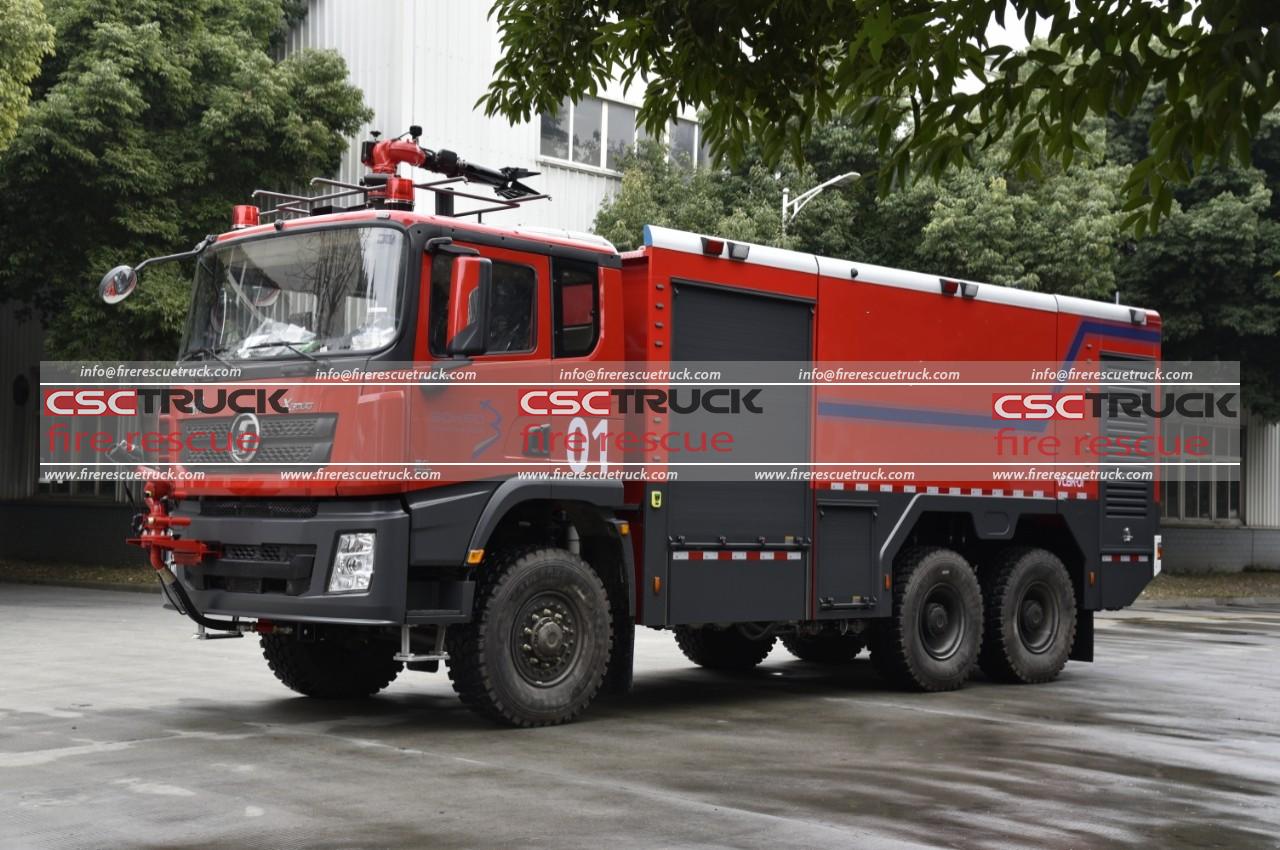
CSCTRUCK Fire Rescue Truck: A Trusted Manufacturer
CSCTRUCK Fire Rescue Truck is an emerging global supplier specializing in airport firefighting vehicles for government and aviation projects. Based in China, the company has built a strong reputation for delivering cost-effective, high-performance ARFF solutions.
Key Advantages
1. International Certification
CSCTRUCK Fire Rescue Truck operates under internationally recognized standards such as ISO 9001, ISO 14001, and ISO 45001, ensuring consistent product quality and safety.
2. ICAO-Compliant Designs
Their ARFF trucks are engineered to meet ICAO and NFPA requirements, making them suitable for international airport operations.
3. Custom Engineering Solutions
CSCTRUCK Fire Rescue Truck provides flexible customization options, allowing clients to specify:
- Water and foam tank capacities
- Pump and monitor configurations
- Chassis brands and drivetrain systems
4. Competitive Pricing
Compared to European and American manufacturers, CSCTRUCK Fire Rescue Truck offers highly competitive pricing without compromising on performance, making it an attractive option for developing countries and government projects with budget constraints.
5. Global Export Experience
The company has extensive experience exporting fire trucks to Africa, the Middle East, Southeast Asia, and Latin America, supporting various government and airport infrastructure projects.
Applications in Government and Aviation Projects
Airport fire truck suppliers play a crucial role in a wide range of projects, including:
1. Civil Airports
From regional airports to major international hubs, ARFF vehicles are essential for maintaining operational certification and safety.
2. Military Airbases
Military installations require specialized ARFF vehicles capable of handling high-risk scenarios, including fuel explosions and munitions fires.
3. Industrial Aviation Facilities
Oil & gas companies and private aviation terminals often require airport fire trucks for emergency preparedness.
4. Emergency Response Upgrades
Many governments invest in upgrading their ARFF fleets to meet new safety standards or accommodate larger aircraft.
Trends in the ARFF Market
The global market for airport fire trucks is evolving rapidly, driven by technological advancements and stricter safety regulations.
1. Environmentally Friendly Foam Systems
Airports are transitioning to fluorine-free foam (F3) systems to reduce environmental impact, following updated aviation guidelines.
2. Smart Control Systems
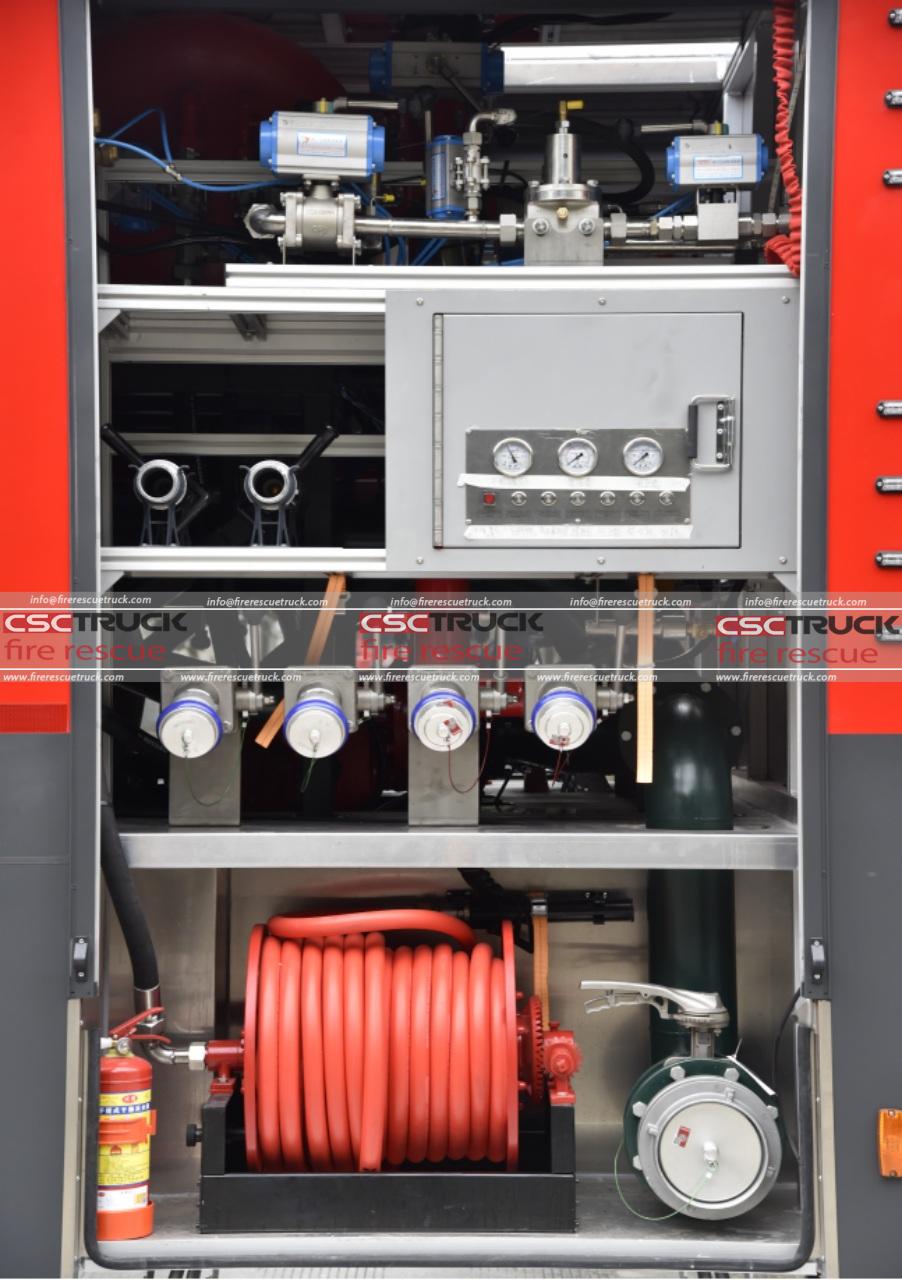
Modern ARFF vehicles feature digital control panels, automated pump systems, and integrated communication technologies.
3. Electric and Hybrid Models
Some manufacturers are exploring electric ARFF vehicles to reduce emissions and improve sustainability.
4. Increased Capacity and Performance
Larger aircraft require higher-capacity fire trucks, leading to the development of 8×8 models with greater water and foam storage.
Choosing the Right Airport Fire Truck Supplier
Selecting the right supplier is critical for the success of government and aviation projects. Key considerations include:
- Proven manufacturing experience
- Compliance with international standards
- Customization capabilities
- After-sales service network
- Competitive pricing and delivery timelines
A supplier like CSCTRUCK Fire Rescue Truck offers a balanced combination of performance, affordability, and global support.

Conclusion
Airport fire trucks are a vital component of aviation safety, requiring advanced engineering, strict compliance, and reliable performance. For governments and aviation authorities, choosing the right supplier is essential to ensure rapid emergency response and passenger safety.
With increasing global air traffic and evolving safety standards, demand for high-quality ARFF vehicles continues to grow. Manufacturers such as CSCTRUCK Fire Rescue Truck are well-positioned to meet this demand by offering ICAO-compliant, customizable, and cost-effective solutions for airports worldwide.
As aviation infrastructure expands across emerging markets, the role of professional airport fire truck suppliers will only become more critical—ensuring that every flight operates with the highest level of safety and preparedness.