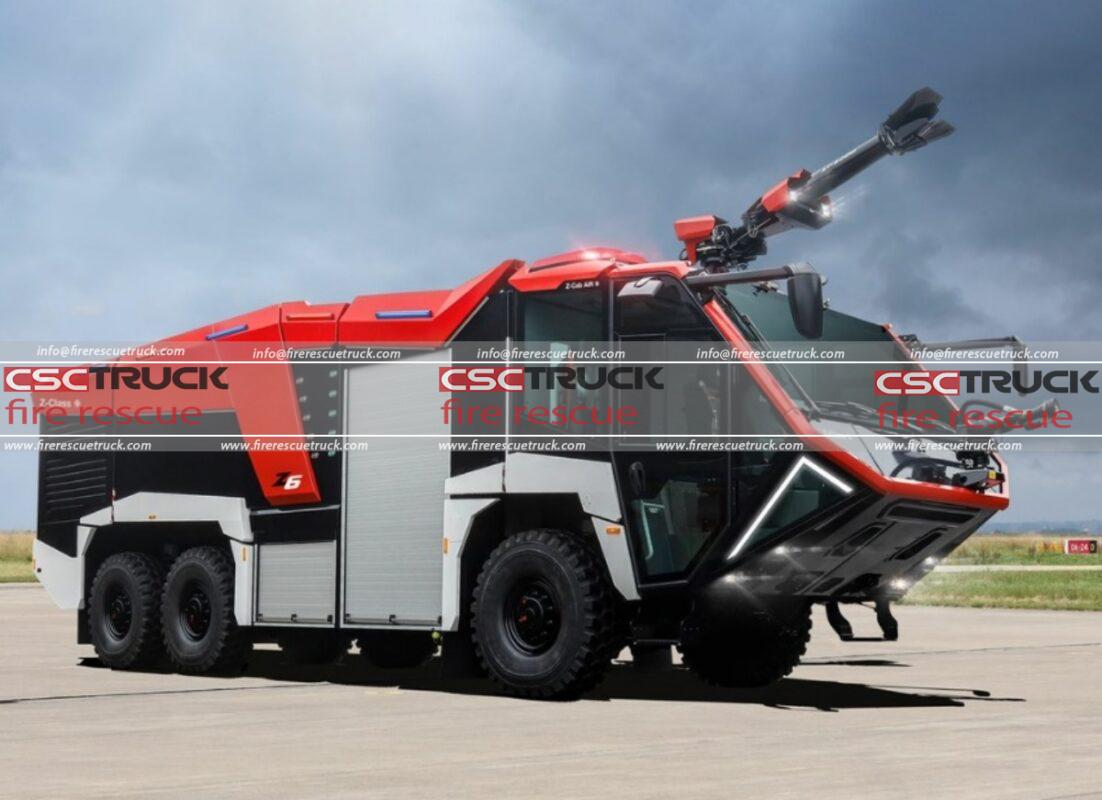
Aircraft Rescue Fire Fighting (ARFF) vehicles are among the most specialized and high-performance emergency response machines in the world. Designed specifically for airport environments, these vehicles must meet strict international safety standards while delivering rapid response, high extinguishing capacity, and extreme reliability. From major international hubs to regional airfields, ARFF trucks play a critical role in aviation safety by ensuring immediate intervention in case of aircraft incidents.
In this article, we explore the technical specifications, pricing factors, and global supply considerations of ARFF vehicles, along with an introduction to CSCTRUCK Fire Rescue Truck, a competitive manufacturer in this field.
1. What Are Aircraft Rescue Fire Fighting Vehicles?
ARFF vehicles are purpose-built firefighting trucks designed to respond to aircraft emergencies, including crashes, fuel fires, and onboard incidents. Unlike conventional fire trucks, ARFF units are engineered for:
- Rapid acceleration and high speed
- Off-road capability across runways and rough terrain
- Large-capacity fire suppression systems
- Advanced rescue tools
They are required to comply with international standards such as ICAO (International Civil Aviation Organization) and NFPA 414, ensuring consistent performance across global airports.

2. Key Specifications of ARFF Vehicles
2.1 Chassis and Mobility
ARFF trucks are built on heavy-duty, all-terrain chassis configurations, including:
- 4×4 – for small airports
- 6×6 – for medium to large airports
- 8×8 – for major international airports
These vehicles feature powerful diesel engines ranging from 500 HP to over 1,000 HP, enabling rapid acceleration and top speeds exceeding 110–140 km/h.
Acceleration is critical. For example:
- 0–80 km/h in approximately 30–35 seconds
- NFPA requires 0–80 km/h within strict time limits for emergency response
All-wheel drive systems and independent suspension allow these vehicles to operate effectively on grass, gravel, and damaged runways.
2.2 Fire Suppression Capacity
One of the defining features of ARFF vehicles is their large extinguishing agent capacity:
- Water tank: 3,000 to 16,000 liters (or more)
- Foam tank: 400 to 1,900 liters
- Dry chemical powder: ~250 kg
Foam systems, especially AFFF or fluorine-free alternatives, are essential for suppressing aviation fuel fires quickly and effectively.
2.3 Pump and Discharge Systems
ARFF trucks are equipped with high-capacity fire pumps and monitors:
- Pump output: 1,000–10,000 liters per minute or higher
- Roof turret range: Over 60 meters
- Bumper turret: For precise low-level firefighting
- Under-truck nozzles: For self-protection
These systems allow firefighters to attack fires from a safe distance while maintaining mobility.
2.4 Advanced Rescue Systems
Modern ARFF vehicles include specialized rescue technologies:
- HRET (High Reach Extendable Turret) with piercing nozzle
- Snozzle systems for penetrating the aircraft fuselage
- Thermal imaging cameras
- Hydraulic rescue tools
These features enable rapid rescue of passengers and crew while controlling fire spread.
2.5 Cab and Safety Design
Crew safety and operational efficiency are critical:
- Seating for 2–6 firefighters
- Panoramic windshield for maximum visibility
- Fire-resistant cab materials
- Integrated communication with control towers
The ergonomic design ensures quick deployment and situational awareness during emergencies.
3. Pricing of ARFF Vehicles
The cost of ARFF vehicles varies significantly depending on specifications, brand, and customization. Below is a general pricing range:
3.1 Typical Price Range
- 4×4 ARFF vehicles: USD 300,000 – 600,000
- 6×6 ARFF vehicles: USD 600,000 – 1.2 million
- 8×8 ARFF vehicles: USD 1.2 million – 2.5 million+
High-end models with advanced features (HRET, large capacity tanks, premium components) can exceed USD 3 million.
3.2 Key Cost Factors
- Chassis and engine power
- Tank capacity (water, foam, powder)
- Pump performance and firefighting systems
- Imported vs. local components
- Compliance certifications (ICAO/NFPA)
- Customization requirements
Vehicles built on premium European or American chassis (e.g., MAN, Mercedes-Benz, Oshkosh) typically cost more than those using Chinese or locally assembled platforms.

4. Global Supply and Market Trends
4.1 Major Manufacturers
The ARFF vehicle market includes several global players:
- Rosenbauer (Austria)
- Oshkosh (USA)
- NAFFCO (UAE)
- Ziegler (Germany)
- Emerging Chinese manufacturers
Many countries now prefer cost-effective OEM suppliers that can deliver customized vehicles quickly.
4.2 Demand by Region
- Middle East: High demand for 6×6 and 8×8 vehicles due to large airports
- Africa: Growing demand for cost-effective ARFF trucks
- Asia: Rapid airport expansion driving procurement
- Europe & North America: Focus on advanced, high-spec vehicles
4.3 Supply Chain Considerations
When sourcing ARFF vehicles, buyers should consider:
- Lead time (typically 3–8 months)
- Spare parts availability
- After-sales service
- Compliance with local aviation authority requirements
5. CSCTRUCK Fire Rescue Truck – Manufacturer Overview
CSCTRUCK Fire Rescue Truck is a professional manufacturer and exporter of specialized firefighting vehicles, including ARFF trucks designed for international markets.
5.1 Product Features
CSCTRUCK Fire Rescue Truck ARFF vehicles offer:
- Multiple chassis options (4×4, 6×6, 8×8)
- High-capacity water and foam systems
- Advanced pump and monitor configurations
- Optional HRET and rescue systems
- Compliance with ICAO standards
Their vehicles are engineered for high-speed response, durability, and cost efficiency, making them suitable for developing and emerging markets.
5.2 Competitive Advantages
- Factory-direct pricing
- Custom engineering solutions
- Short production cycles
- Global export experience
- Flexible configuration options
Compared to premium Western brands, CSCTRUCK Fire Rescue Truck provides a balance between performance and affordability, making it a strong choice for airports with budget constraints.

6. How to Choose the Right ARFF Vehicle
When selecting an ARFF vehicle, consider the following:
6.1 Airport Category
Higher ICAO categories require larger water and foam capacities.
6.2 Response Time Requirements
Vehicles must meet strict acceleration and speed standards.
6.3 Terrain Conditions
Off-road capability is essential for unpaved or large airfields.
6.4 Budget vs. Performance
Balance cost with operational requirements.
6.5 After-Sales Support
Reliable maintenance and spare parts are critical for long-term operation.
Conclusion
Aircraft Rescue Fire Fighting vehicles are indispensable assets for airport safety, combining speed, power, and advanced firefighting technology. With tank capacities reaching up to 16,000 liters, pump outputs exceeding 10,000 L/min, and rapid acceleration capabilities, these machines are engineered for extreme emergency scenarios.
Pricing varies widely depending on specifications and brand, but the growing presence of manufacturers like CSCTRUCK Fire Rescue Truck is making high-quality ARFF vehicles more accessible worldwide. As global aviation continues to expand, demand for reliable, efficient, and cost-effective ARFF solutions will only increase.
For airports seeking a balance between performance and affordability, selecting the right supplier and configuration is key to ensuring both safety and operational efficiency.