
A 6×6 fire truck is designed for demanding firefighting operations where rugged terrain, extended travel distances, and high-capacity firefighting equipment are essential. Whether responding to wildfires, industrial incidents, mining emergencies, military operations, or municipal fire calls, these heavy-duty vehicles offer exceptional mobility and operational flexibility. One frequently asked question is: How many hose reels can a 6×6 fire truck carry?
The answer depends on the truck’s intended mission, body design, water capacity, and customer specifications. While some compact off-road fire trucks may carry only a single hose reel, larger custom-built 6×6 fire trucks can be equipped with 2 to 4 hose reels, or even more in specialized applications.
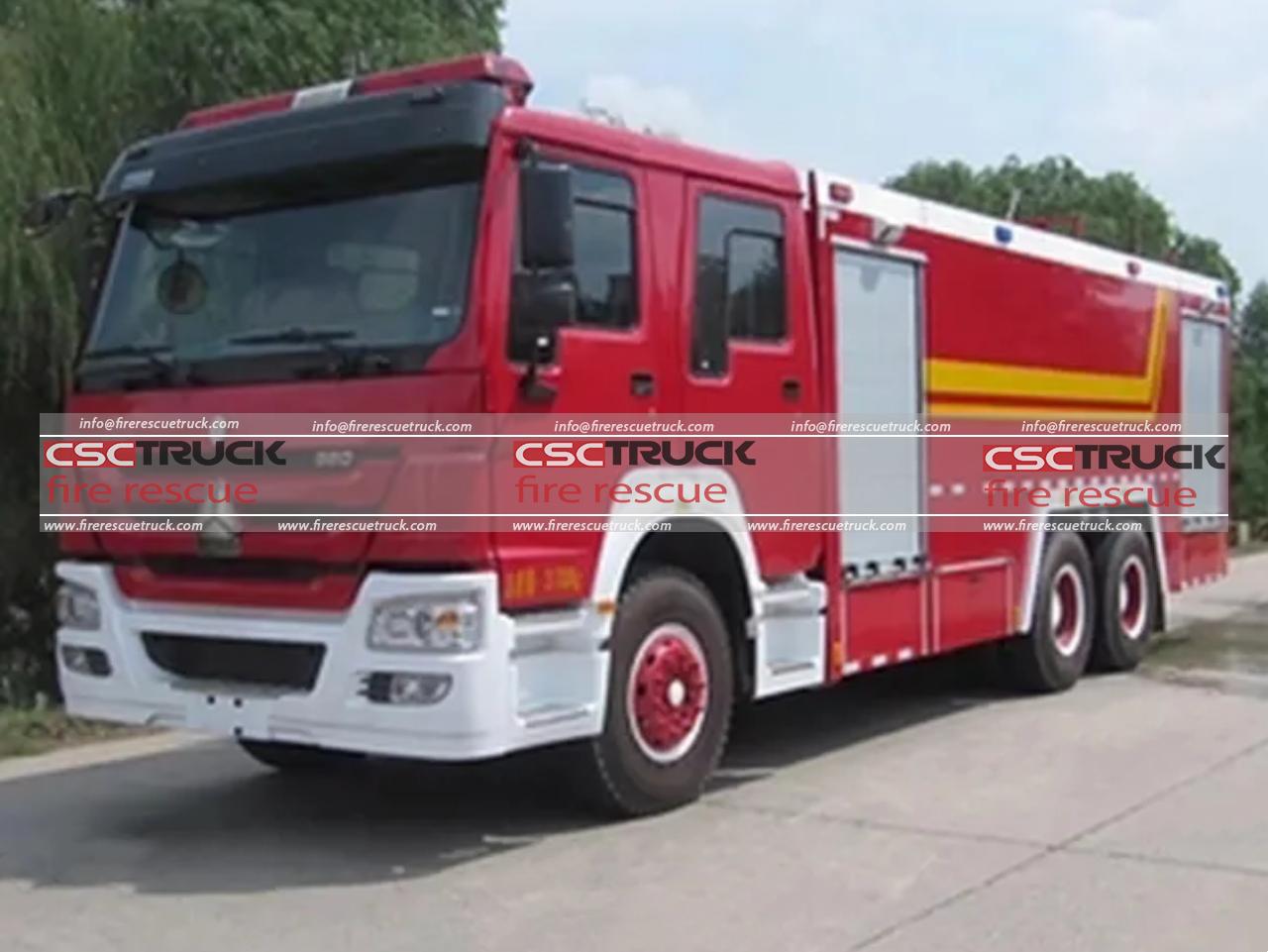
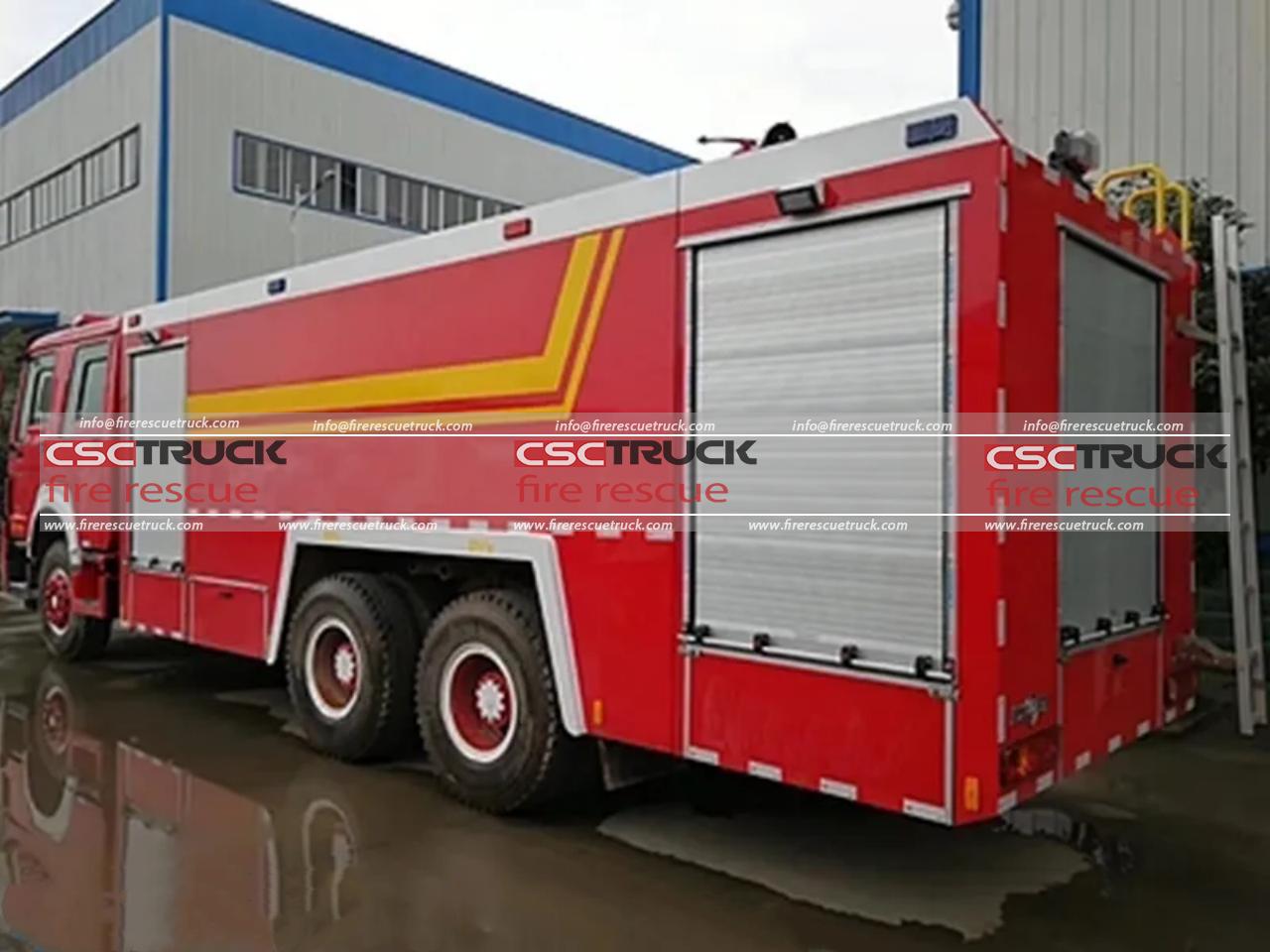
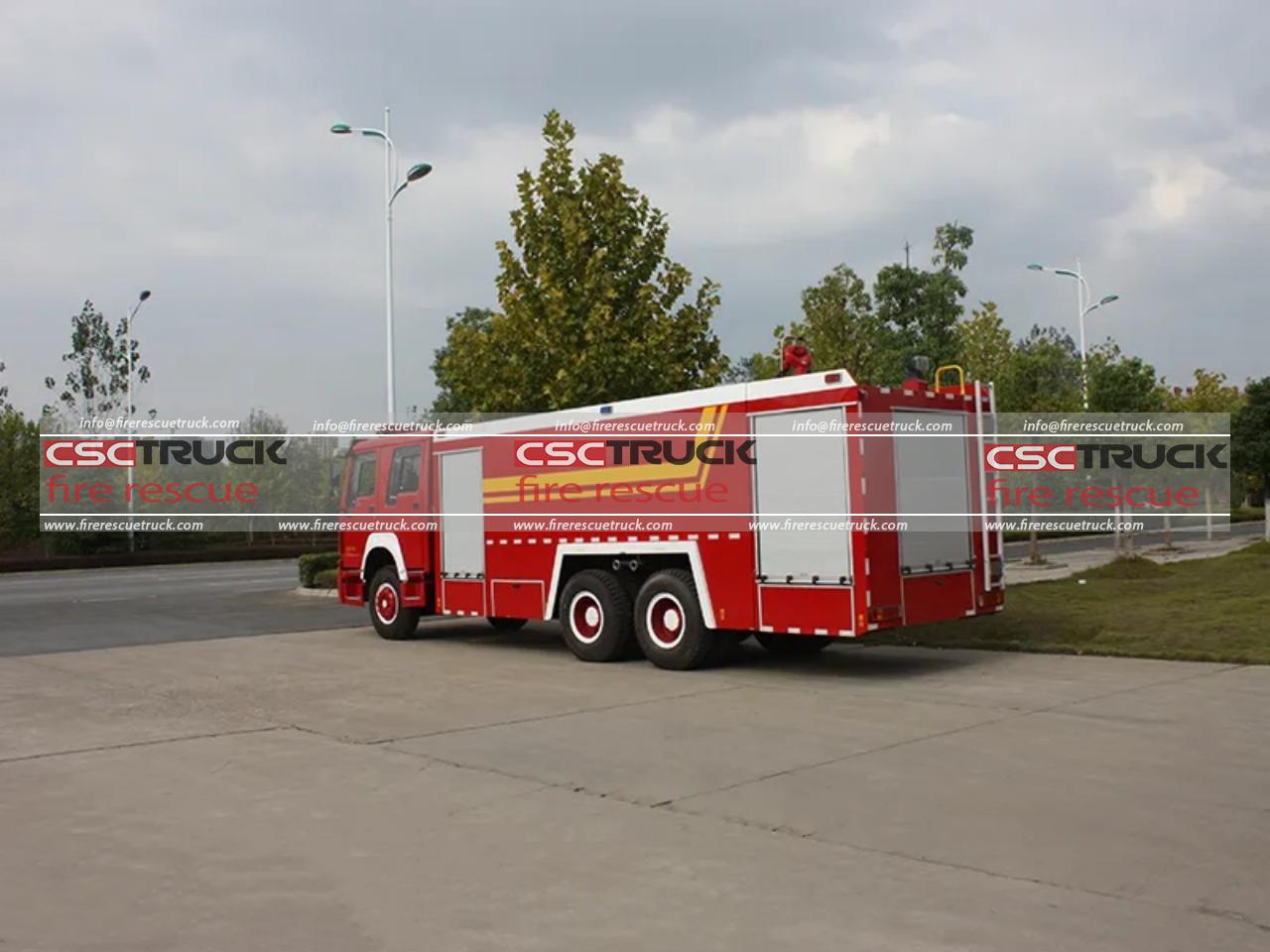
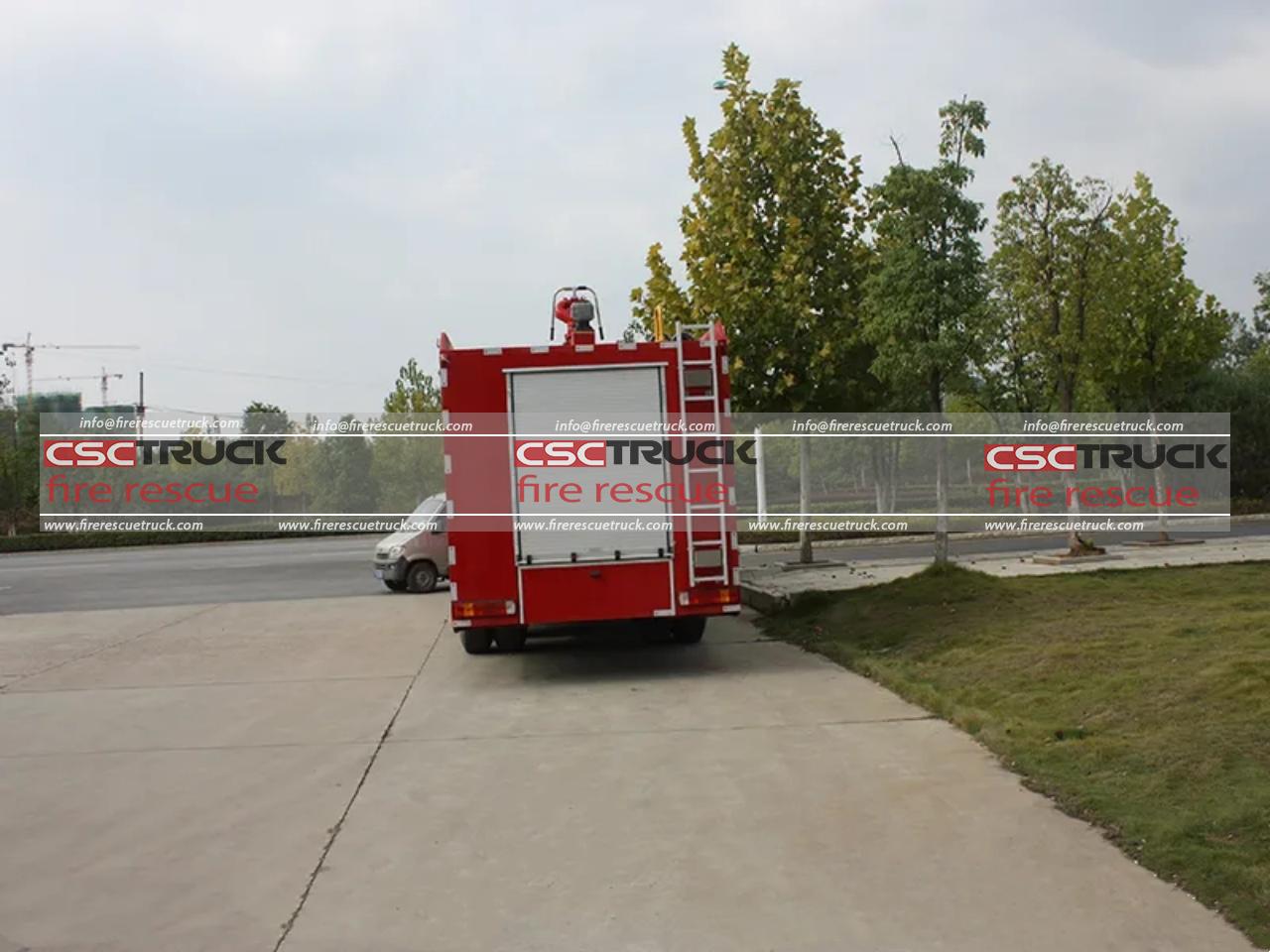
As a professional manufacturer of firefighting vehicles, CSCTRUCK Fire Rescue Truck offers a wide range of customizable 4×4, 6×6, and 8×8 fire apparatus designed for municipal, industrial, airport, forestry, and rescue operations. Their heavy-duty 6×6 fire trucks feature large equipment compartments, powerful pumping systems, and modular layouts that allow customers to configure hose reels according to operational requirements. The company’s off-road rescue vehicles are engineered for challenging environments and can carry extensive firefighting and rescue equipment.
What Is a Hose Reel?
A hose reel is a drum-mounted firefighting hose that allows firefighters to deploy the hose quickly without manually pulling long hose lengths from storage compartments.
Unlike large supply hoses used for hydrant connections, hose reels typically contain smaller-diameter hoses designed for:
- Initial fire attack
- Vehicle fires
- Grass and brush fires
- Small industrial fires
- Mop-up operations
- Cooling hot spots
- Equipment washdown
Because they can be rapidly deployed and rewound, hose reels greatly improve response efficiency during smaller incidents.
Typical Number of Hose Reels
Most standard 6×6 fire trucks are equipped with:
1 Hose Reel
Entry-level industrial or municipal pumpers often carry one rear-mounted hose reel.
Typical uses include:
- Vehicle fires
- Brush fires
- Roadside emergencies
- Small structural fires
One hose reel is adequate when the truck primarily relies on larger attack hoses for firefighting.
2 Hose Reels
2 hose reels represent the most common configuration.
One reel may carry:
- Water only
The second may carry:
- Foam solution
- High-pressure water
- Water mist hose
This arrangement provides greater flexibility without increasing setup time.
3 Hose Reels
Larger industrial or mining fire trucks often feature three hose reels.
Examples include:
- Left-side reel
- Right-side reel
- Rear reel
This configuration allows multiple firefighters to attack fires simultaneously from different positions.
4 Hose Reels
Heavy rescue vehicles, petrochemical fire trucks, airport fire trucks, and military fire apparatus may include 4 hose reels.
These can support:
- High-pressure attack lines
- Foam attack lines
- Dry chemical systems
- Water mist systems
Such configurations are common when protecting large industrial facilities where different extinguishing agents are required.
Factors That Determine Hose Reel Capacity
Several design factors influence the number of hose reels a 6×6 fire truck can accommodate.
Vehicle Size
A large 6×6 chassis offers significantly more installation space than smaller fire engines.
Long wheelbases provide room for:
- Rear hose reels
- Side-mounted reels
- Front bumper reels
- Roof-mounted equipment
The larger body also supports higher payloads without compromising stability.
Available Payload
Each hose reel adds considerable weight.
A fully loaded reel includes:
- Steel or aluminum drum
- Hydraulic or electric rewind mechanism
- Fire hose
- Water or foam inside the hose
- Nozzle
- Mounting frame
Multiple hose reels require sufficient axle capacity and suspension strength.
Water Tank Size
Larger tanks allow longer hose reel operations.
For example:
- 5,000-liter tank
- 8,000-liter tank
- 10,000-liter tank
- 12,000-liter tank
- 15,000-liter tank
The larger the onboard water supply, the longer firefighters can operate hose reels before needing refilling.
Pump Capacity
High-capacity pumps can support multiple hose reels simultaneously.
Common pump outputs include:
- 2,000 L/min
- 3,000 L/min
- 4,000 L/min
- 6,000 L/min
Industrial fire trucks may operate several attack lines without significant pressure loss.
Types of Hose Reels Installed
Different firefighting missions require different hose reel designs.
High-Pressure Hose Reel
Used for:
- Vehicle fires
- Brush fires
- Initial attack
Advantages include:
- Lower water consumption
- Faster deployment
- Longer reach
Foam Hose Reel
Connected to the foam proportioning system.
Ideal for:
- Fuel fires
- Aircraft incidents
- Petrochemical facilities
- Tank farms
Water Mist Hose Reel
Water mist systems generate extremely fine droplets.
Benefits include:
- Improved cooling
- Reduced water usage
- Lower water damage
- Enhanced firefighter safety
Hydraulic Rescue Hose Reel
Some rescue trucks carry hydraulic hose reels rather than firefighting hoses.
These supply power to:
- Hydraulic cutters
- Spreaders
- Rams
- Rescue tools
Hose Reel Length
The number of hose reels is only one consideration.
Their hose length is equally important.
Typical hose reel lengths include:
- 30 meters
- 40 meters
- 50 meters
- 60 meters
- 90 meters
Longer hoses increase operational reach but also add weight.
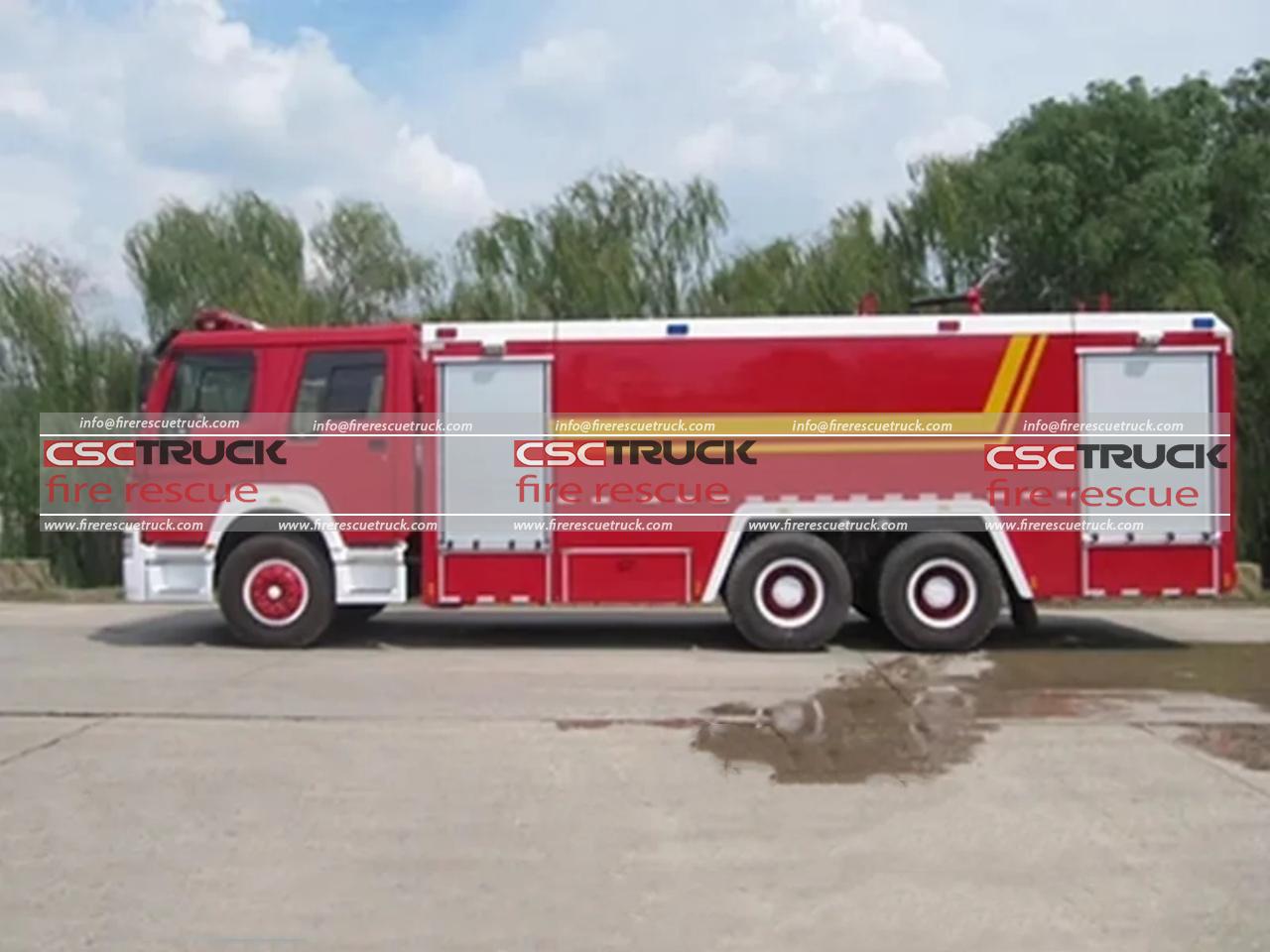
Where Are Hose Reels Mounted?
Modern 6×6 fire trucks offer several mounting options.
Rear Mounted
Most common location.
Advantages include:
- Easy deployment
- Protected installation
- Simple maintenance
Side Mounted
Often installed behind roll-up compartment doors.
Benefits:
- Faster access
- Simultaneous operation
- Better flexibility
Front Mounted
Less common.
Useful for:
- Wildland firefighting
- Off-road operations
- Forward attack while driving
Roof Mounted
Occasionally used for specialized industrial vehicles.
Provides:
- Additional storage
- Better body space utilization
Can More Hose Reels Be Added?
Yes.
Most manufacturers can customize the truck during production.
Additional hose reels may require:
- Larger pump
- Additional plumbing
- Reinforced mounting points
- Hydraulic or electric rewind systems
- Increased generator capacity
Because every fire department has unique operational needs, hose reel layouts are typically tailored to local requirements.
Advantages of Multiple Hose Reels
Adding more hose reels provides several operational benefits.
Faster Fire Attack
Firefighters can begin suppression immediately without unloading large hose bundles.
Multiple Attack Points
Several crews can attack different sides of a fire simultaneously.
Greater Operational Flexibility
Different reels may deliver:
- Water
- Foam
- Water mist
allowing rapid adaptation to changing fire conditions.
Improved Safety
Quick hose deployment reduces exposure time while crews prepare larger attack lines.
Better Wildland Performance
In forest firefighting, hose reels are especially valuable because crews often move continuously around the fire perimeter.
Choosing the Right Configuration
There is no universal answer to how many hose reels every 6×6 fire truck should carry.
For example:
- Municipal fire departments often choose 1–2 hose reels.
- Industrial fire brigades commonly select 2–3 hose reels.
- Airport rescue vehicles may combine hose reels with roof monitors, bumper turrets, foam systems, and dry chemical equipment.
- Mining and forestry operations frequently require multiple reels to maximize flexibility in remote environments.
The best configuration depends on the types of incidents expected, available water supply, crew size, and operational tactics.
Conclusion
A modern 6×6 fire truck can typically carry 1 to 4 hose reels, with 2 hose reels being the most common configuration. Heavy-duty industrial, airport, mining, and military fire trucks may accommodate even more specialized reels depending on mission requirements. Factors such as chassis size, payload capacity, pump performance, water tank volume, and extinguishing agents all influence the final layout.
Manufacturers such as CSCTRUCK Fire Rescue Truck offer highly customizable 6×6 fire apparatus that allow fire departments to specify the number, type, and location of hose reels to meet their operational needs. Whether the priority is rapid initial attack, foam firefighting, wildland suppression, or industrial hazard response, selecting the right hose reel configuration ensures firefighters have quick access to reliable water or foam delivery when every second counts.