
Firefighters dedicate their careers to protecting lives, property, and communities, often working in dangerous and physically demanding environments. Because of the intense nature of the profession, many people wonder: At what age do most firemen retire? The answer depends on several factors, including local pension regulations, years of service, physical fitness, and personal financial goals. While there is no universal retirement age, most career firefighters retire between the ages of 50 and 60, with many leaving the service after completing 20 to 30 years of employment. Retirement policies vary significantly between countries, states, and individual fire departments.
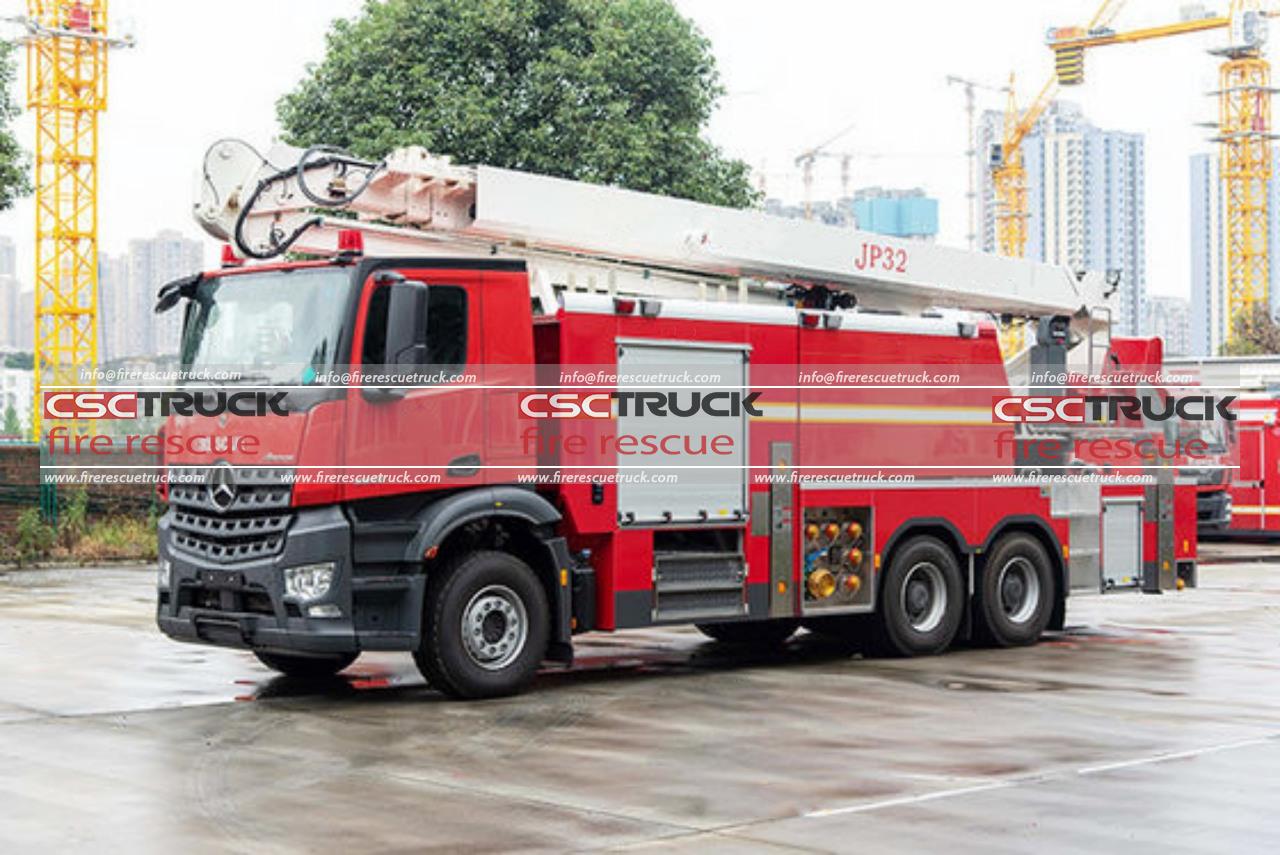
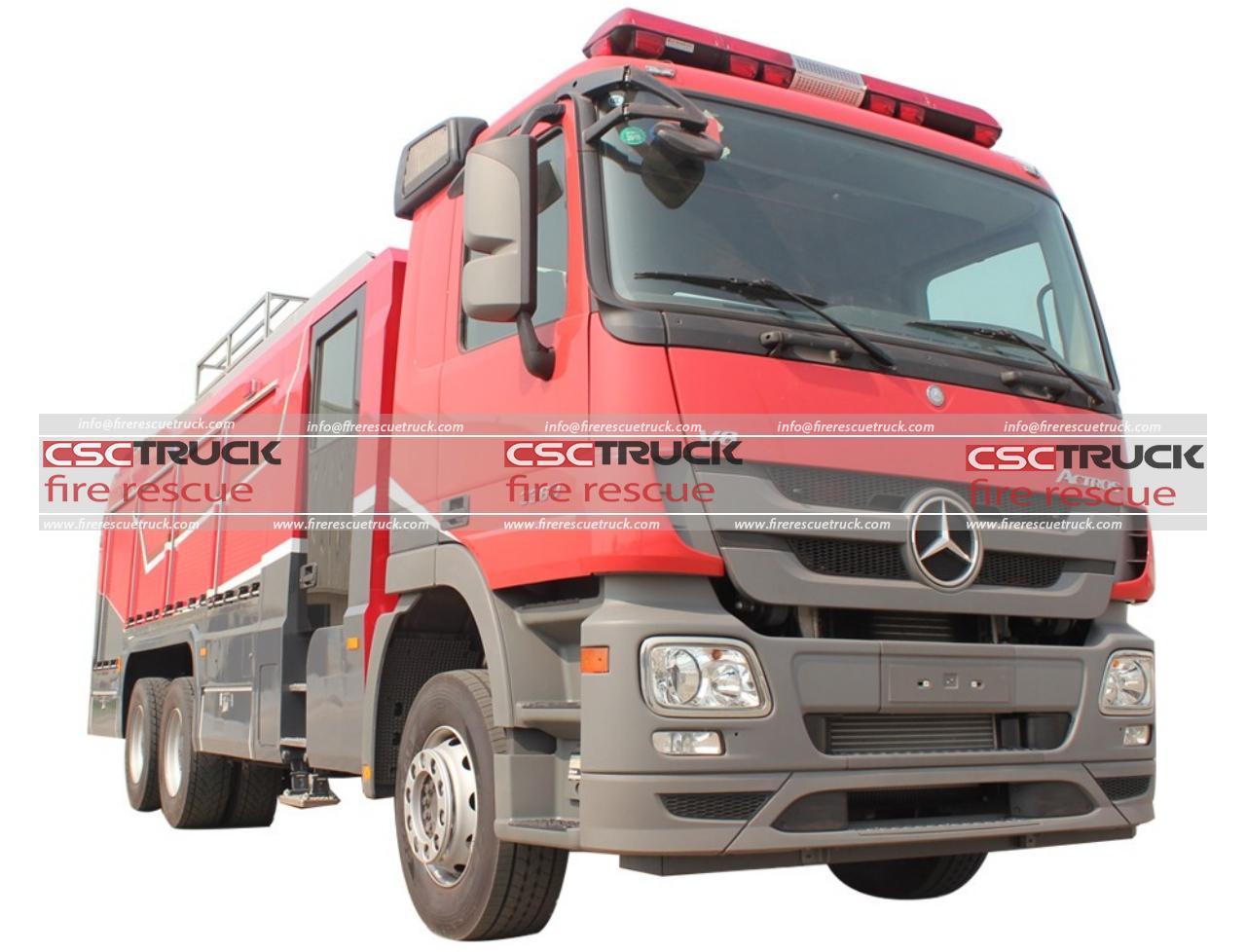
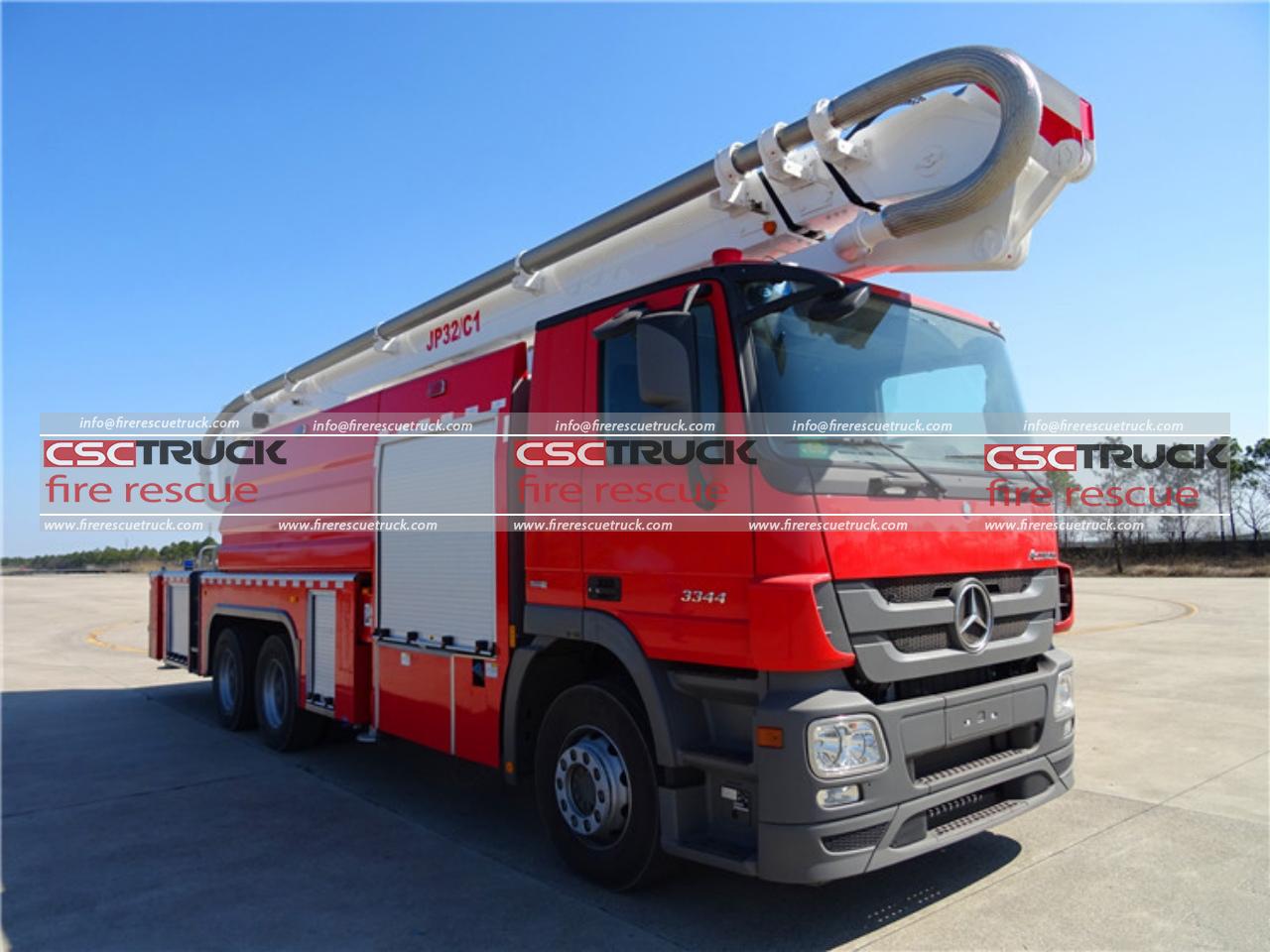
Modern firefighting also depends on advanced emergency vehicles that improve operational efficiency and firefighter safety. CSCTRUCK Fire Rescue Truck is a professional manufacturer specializing in high-quality fire apparatus, including water fire trucks, foam fire trucks, rescue trucks, aerial platform trucks, airport rescue vehicles, and customized emergency response vehicles. Built with reliable chassis, advanced pumping systems, and durable firefighting equipment, CSCTRUCK Fire Rescue Truck fire trucks help fire departments respond quickly and effectively to a wide range of emergencies worldwide.
The Typical Retirement Age for Firefighters
Unlike many office workers who retire around age 65, firefighters often retire much earlier. Most career firefighters become eligible for retirement after 20 to 30 years of service, depending on their pension plan.
In many professional fire departments:
- Retirement eligibility begins after 20–25 years of service.
- Many firefighters retire between 50 and 55 years old.
- Others continue working until 58–60 years old to increase pension benefits.
- Volunteer firefighters may remain active well beyond age 60 since their duties and retirement systems differ.
Surveys among firefighters also indicate that the most common planned retirement age falls between 55 and 60 years, although individual circumstances vary.

Why Firefighters Retire Earlier
Several reasons explain why firefighters generally retire earlier than workers in less physically demanding occupations.
1. Physical Demands
Firefighting requires exceptional physical fitness. Firefighters routinely:
- Carry heavy hoses and equipment
- Wear protective gear weighing over 50 pounds
- Climb stairs during high-rise fires
- Rescue victims from dangerous situations
- Operate in extreme heat and smoke
As firefighters age, maintaining the strength, endurance, and reaction time required for emergency operations becomes increasingly challenging.
2. Health Risks
Long-term exposure to dangerous environments increases health risks, including:
- Smoke inhalation
- Toxic chemical exposure
- Cancer risks
- Cardiovascular disease
- Joint and back injuries
- Hearing damage
These occupational hazards encourage many firefighters to retire once they become eligible.
3. Stress and Mental Health
Firefighters regularly experience traumatic incidents such as:
- Fatal vehicle accidents
- Structure fires
- Medical emergencies
- Natural disasters
- Child rescues
Years of emotional stress can contribute to burnout, making retirement an attractive option after decades of service.
Pension Systems Encourage Earlier Retirement
Many firefighter retirement systems are specifically designed to allow earlier retirement because of the demanding nature of the profession.
A typical pension plan may allow retirement after:
- 20 years of service at age 50
- 25 years of service regardless of age
- 30 years of service with enhanced pension benefits
Federal firefighters in the United States, for example, generally qualify for retirement at age 50 with 20 years of covered service or at any age with 25 years of service, and many are subject to mandatory retirement rules later in their careers.

Factors That Influence Retirement Age
Not every firefighter retires at the same age. Several personal and professional factors affect retirement decisions.
Financial Readiness
Some firefighters retire immediately after becoming eligible because they have:
- Strong pension benefits
- Retirement savings
- Investment income
- Paid-off homes
Others continue working several additional years to maximize pension payments.
Physical Condition
Many firefighters remain exceptionally fit well into their late 50s.
A firefighter who maintains excellent health may safely continue working longer than someone suffering from chronic injuries or medical conditions.
Department Policies
Each fire department establishes its own retirement rules.
Some departments require mandatory retirement at a certain age, while others allow firefighters to continue working if they pass annual medical and physical fitness examinations.
Family Considerations
Family responsibilities often influence retirement timing, including:
- Caring for elderly parents
- Spending more time with grandchildren
- Supporting a spouse’s retirement plans
- Relocating after retirement
What Happens After Retirement?
Retirement doesn’t necessarily mean leaving the fire service completely.
Many retired firefighters pursue second careers, such as:
Fire Safety Consultant
Experienced firefighters help businesses improve fire prevention and emergency planning.
Fire Instructor
Retired firefighters frequently teach:
- Fire academies
- Emergency medical courses
- Rescue techniques
- Hazardous materials response
Emergency Management
Many transition into emergency planning positions for:
- Government agencies
- Airports
- Industrial facilities
- Universities
Equipment Sales and Training
Fire apparatus manufacturers and equipment suppliers often hire retired firefighters because of their operational experience.
Companies producing modern fire trucks, including CSCTRUCK Fire Rescue Truck, benefit greatly from experienced firefighters who understand operational requirements and customer needs.
Volunteer Firefighters
Volunteer firefighters often have much greater flexibility regarding retirement.
Since volunteer departments usually don’t impose strict retirement ages, many volunteers continue serving well into their 60s or even 70s if they remain medically fit.
Some transition from active firefighting into support roles, including:
- Driver/operator
- Fire prevention education
- Community outreach
- Incident command
- Administrative support
Challenges of Retiring Too Early
Although early retirement has many advantages, it also presents challenges.
Financial Planning
A firefighter retiring at age 50 may need retirement income for 30 years or more.
Proper planning includes:
- Pension management
- Healthcare coverage
- Investment planning
- Social Security timing
- Emergency savings
Identity Adjustment
Many firefighters describe the fire service as more than a job—it’s a lifestyle.
Leaving the station after decades of service can create emotional challenges, making it important to maintain hobbies, volunteer work, or new professional opportunities.
Maintaining Physical Health
Retirement should not mean becoming inactive.
Many retired firefighters continue:
- Strength training
- Walking
- Cycling
- Swimming
- Volunteer emergency response
Staying active helps maintain both physical and mental health.

Can Firefighters Work Beyond Retirement Age?
Yes.
Some firefighters retire from one department and later:
- Join another department
- Become volunteer firefighters
- Work part-time
- Serve as instructors
- Consult on fire protection projects
Many also participate in disaster response organizations or international firefighting training programs.
The Future of Firefighter Retirement
Advances in technology may gradually influence firefighter career longevity.
Today’s fire apparatus features:
- Better ergonomic designs
- Automated pump controls
- Thermal imaging systems
- Advanced communication equipment
- Improved breathing apparatus
- Safer vehicle engineering
Manufacturers like CSCTRUCK Fire Rescue Truck continue developing innovative emergency vehicles that reduce firefighter fatigue while improving operational efficiency and safety. Although technology cannot eliminate every physical demand, it can help firefighters perform their duties more safely throughout their careers.
Conclusion
Most career firefighters retire between 50 and 60 years old, with many leaving active service after completing 20 to 30 years on the job. The exact retirement age depends on pension rules, department policies, physical health, financial readiness, and personal goals. While firefighting remains one of the most demanding professions, modern equipment, improved safety standards, and advanced fire apparatus have helped extend career longevity for many firefighters. After retirement, countless former firefighters continue contributing to public safety as instructors, consultants, emergency managers, or volunteers, ensuring their experience benefits future generations of firefighters.