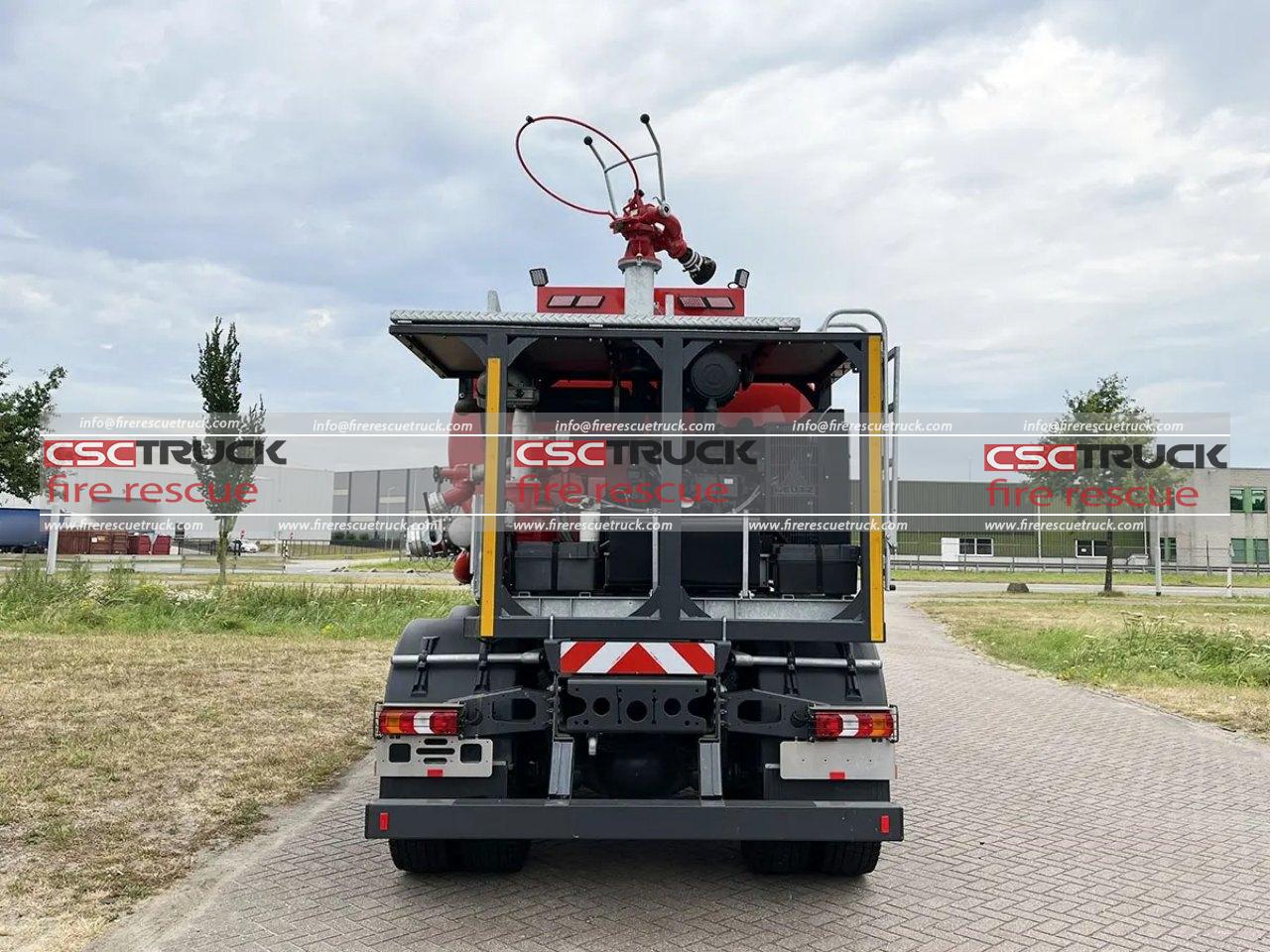

A fire truck water tender is a specialized firefighting vehicle designed primarily to transport large volumes of water to emergency scenes, especially in areas where hydrants or fixed water supplies are unavailable. It acts as a mobile water reservoir, ensuring firefighters have a continuous and reliable water source during fire suppression operations. In many regions, it is also called a tanker truck or simply a water tender.
Unlike standard fire engines that focus on pumping water through hoses for direct firefighting, a water tender’s main mission is to supply and shuttle water between sources and fire scenes, making it a critical support asset in rural, wildland, and disaster environments.
Introduction: CSCTRUCK Fire Rescue Truck
In modern firefighting vehicle manufacturing, CSCTRUCK Fire Rescue Truck has become a recognized name for producing reliable and high-performance emergency vehicles. Through its dedicated fire apparatus line available at https://www.firerescuetruck.com/, CSCTRUCK Fire Rescue Truck focuses on engineering water tenders, foam fire trucks, aerial fire appliances, and multi-functional rescue vehicles tailored for global fire service demands.
CSCTRUCK Fire Rescue Truck fire water tenders are built with large-capacity tanks, durable chassis options, and efficient pumping systems, enabling firefighting teams to respond effectively in remote and urban environments. Their designs emphasize high mobility, operational safety, and rapid water delivery, making them suitable for municipal fire departments, industrial facilities, and disaster response units.

Core Purpose of a Water Tender
The fundamental role of a fire truck water tender is simple but essential: Deliver water where it is needed most, as quickly as possible.
1. Transporting Large Water Supplies
Water tenders typically carry between 1,000 and 5,000+ gallons (or more) of water, depending on configuration.
This allows firefighters to establish immediate suppression capability in places lacking hydrants.
2. Supporting Fire Engines
Fire engines have limited onboard water storage. Once they run out, water tenders refill them continuously, ensuring uninterrupted firefighting operations.
3. Establishing Water Shuttle Systems
In rural or wildfire-prone areas, multiple water tenders operate in a shuttle loop, transporting water from lakes, hydrants, or portable fill sites to the fireground.
4. Direct Fire Suppression (in some models)
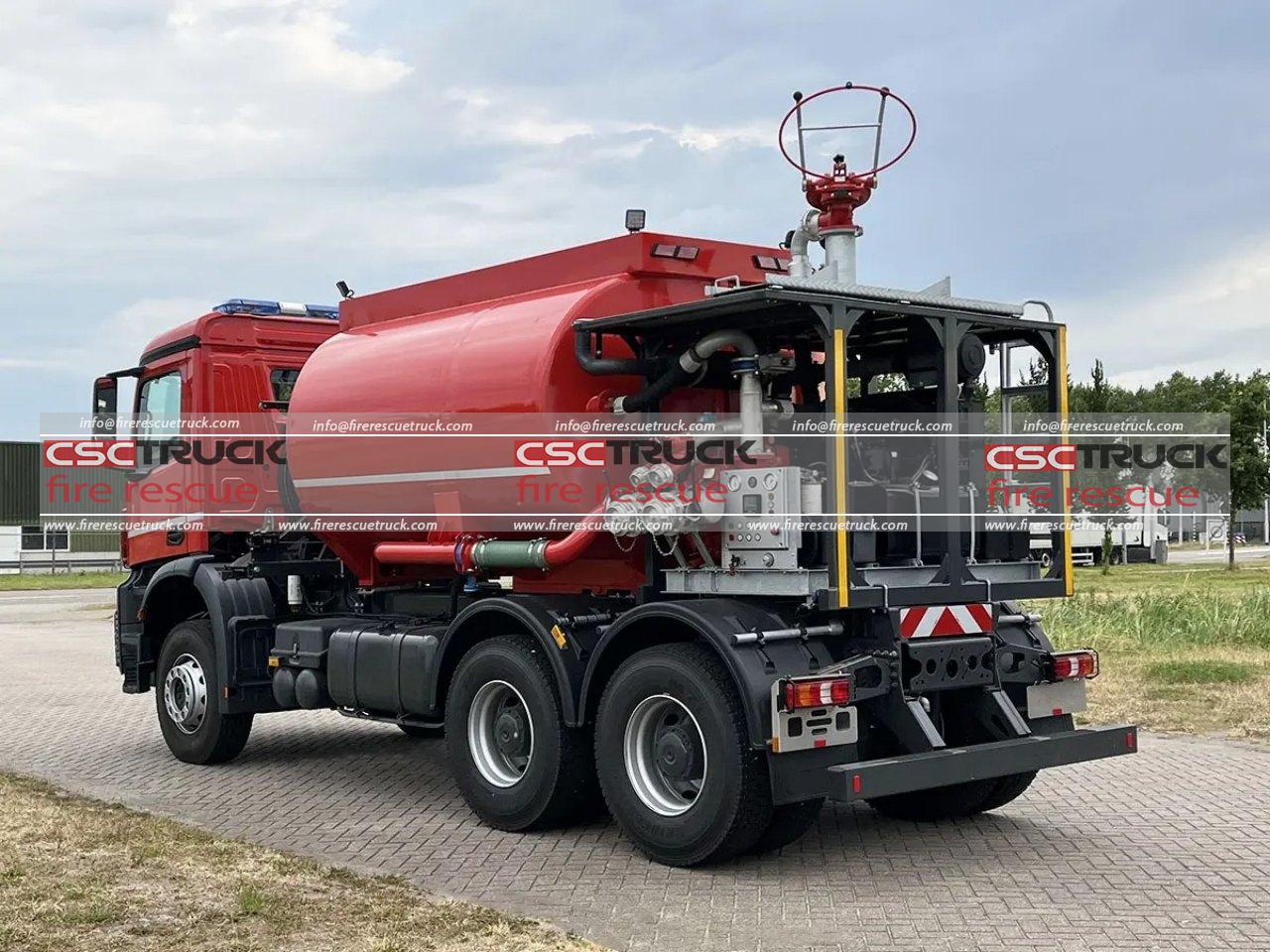
Advanced water tenders may include pump systems, monitors (water cannons), or foam systems, allowing them to directly assist in extinguishing fires when needed.
Key Components of a Fire Truck Water Tender
Modern water tenders are engineered with several integrated systems that enable them to perform efficiently under extreme conditions.
1. Large Water Tank
The tank is the most important component. It is usually constructed from:
- Stainless steel
- Aluminum alloy
- High-strength carbon steel
Its capacity determines how long firefighting operations can be sustained without refilling.
2. Pumping System
Some water tenders are equipped with auxiliary pumps that allow them to:
- Transfer water to the fire engines
- Supply hose lines
- Operate water monitors
However, not all tenders include high-pressure pumps, depending on whether they are support or tactical units.
3. Hose and Valve System
These control how water is discharged or transferred. Large-diameter valves allow rapid offloading of thousands of gallons in minutes, which is critical during emergencies.
4. Drop Tank (Portable Water Pool)
A key operational feature is the foldable drop tank, which acts as a temporary water storage reservoir at the fire scene. Water tenders refill it continuously to support pump operations.
5. Foam Proportioning System (Optional)
Some water tenders are equipped with foam systems that mix water with fire-suppressing foam, improving effectiveness for:
- Fuel fires
- Industrial fires
- Wildland fire suppression

How a Water Tender Works in Firefighting Operations
Water tenders are not used alone—they are part of a coordinated firefighting strategy.
1. Water Shuttle Operation
This is the most common method. The process includes:
- Filling at a water source (hydrant, lake, reservoir)
- Transporting water to the fire scene
- Dumping water into portable tanks or engines
- Returning for a refill
This cycle ensures a continuous water supply.
2. Relay System for Long Distances
When water sources are far away, multiple tenders work in sequence, passing water along a chain until it reaches the fireground.
3. Direct Attack Support
In some situations, tenders can:
- Spray water directly
- Assist with wildfire perimeter control
- Protect structures by pre-wetting areas
Types of Fire Truck Water Tenders
1. Support Water Tender
- Primary role: transport water only
- No heavy pumping system
- Used for bulk supply operations
2. Tactical Water Tender
- Equipped with pumps and monitors
- Can assist in direct firefighting
- More versatile in emergencies
3. Off-Road Water Tender
- Built for rough terrain and wildland fires
- Enhanced suspension and drivetrain
- Ideal for forest, desert, or mountain operations
4. Municipal Water Tender
- Used in cities and suburbs during large-scale incidents
- Supports structural firefighting and infrastructure emergencies
Importance of Water Tenders in Modern Firefighting
Water tenders are essential because many fire scenarios occur in areas where:
- Hydrants are unavailable
- Water pressure is insufficient
- Fires spread too quickly for standard supply systems
Their advantages include:
- Massive water capacity
- Rapid deployment capability
- Flexibility in rural and urban environments
- Support for multiple fire engines simultaneously
Without water tenders, firefighting in remote areas would be significantly slower and less effective.
CSCTRUCK Fire Rescue Truck Water Tender Advantages
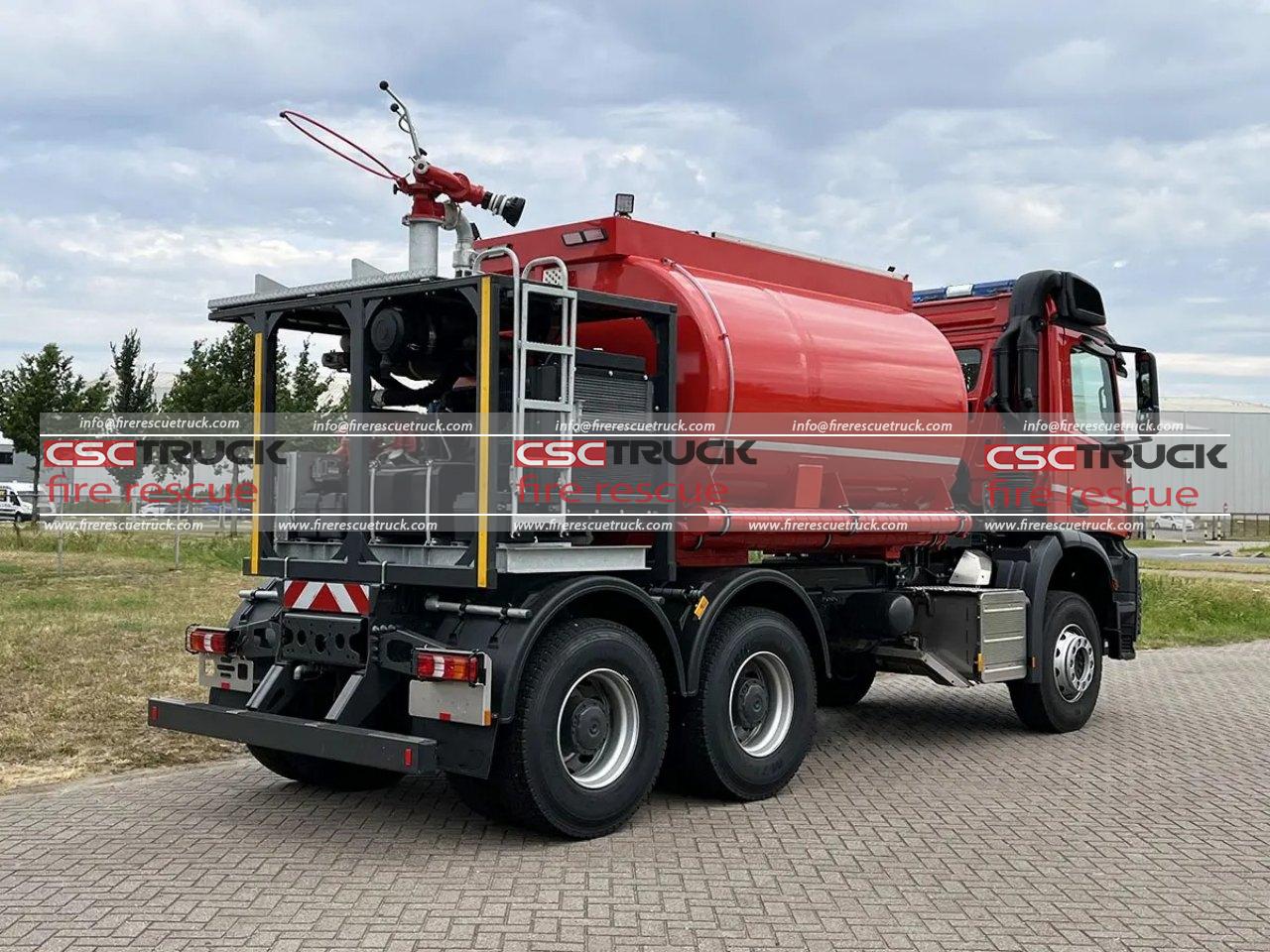
CSCTRUCK Fire Rescue Truck designs its water tenders to meet international firefighting demands. Key strengths include:
- High-capacity water tanks for extended operations
- Durable chassis suitable for rough environments
- Optional foam and CAFS integration systems
- Efficient water discharge systems
- Customizable configurations for different fire service needs
These features make CSCTRUCK Fire Rescue Truck vehicles suitable for:
- Municipal fire departments
- Industrial fire protection
- Airport emergency services
- Wildland firefighting units
Conclusion
A fire truck water tender is a vital support vehicle in firefighting operations, designed to ensure a continuous and reliable water supply where fixed hydrants are not available. By transporting thousands of gallons of water and supporting fire engines in both rural and urban environments, water tenders play a crucial role in modern emergency response systems.
With manufacturers like CSCTRUCK Fire Rescue Truck, these vehicles continue to evolve with improved capacity, better mobility, and enhanced firefighting capabilities—making them indispensable assets in global fire protection and disaster response efforts.