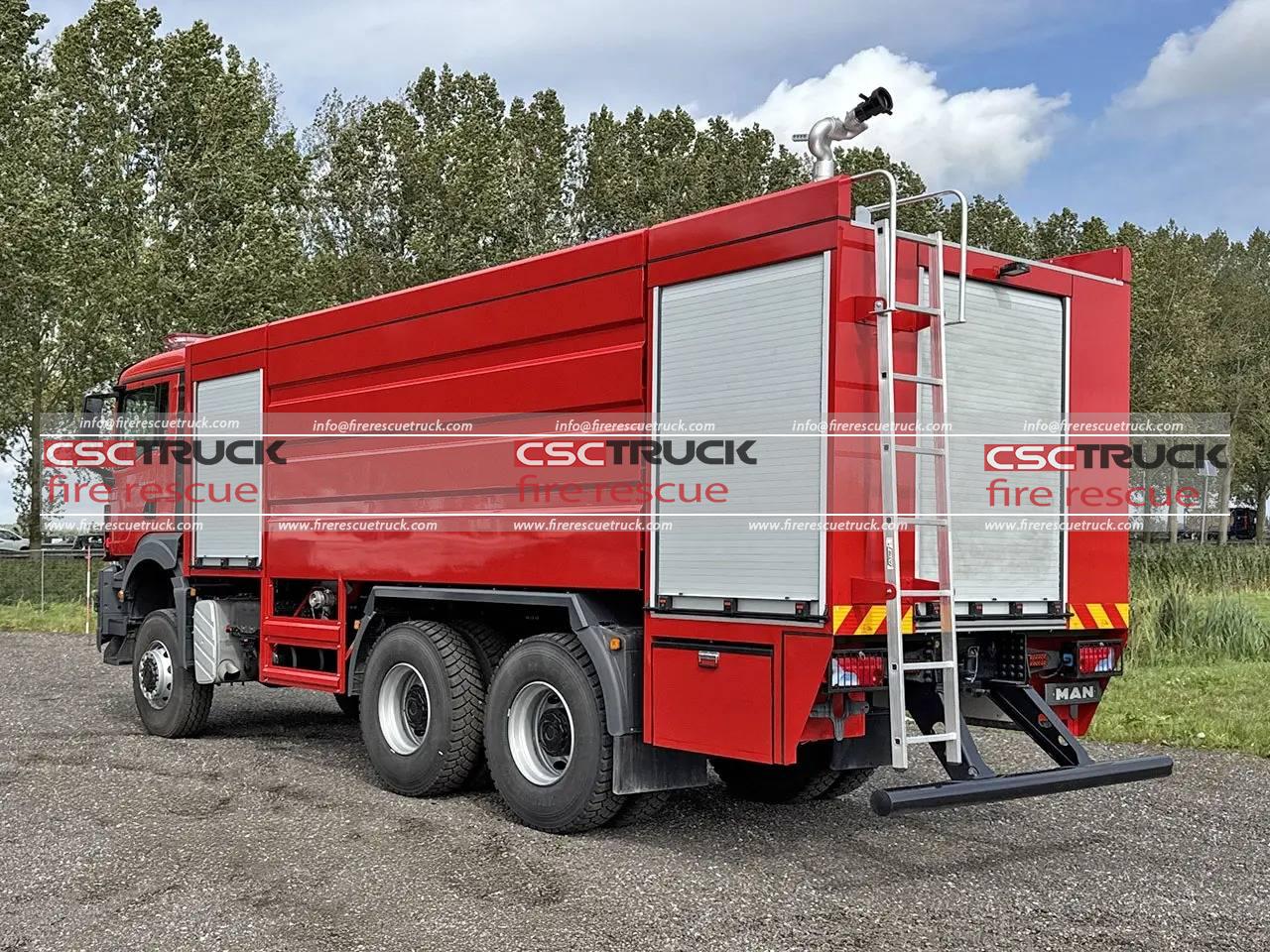

In modern firefighting operations, particularly in rural, wildland, and industrial environments, access to water is often the greatest challenge. Unlike urban areas, where hydrants provide an unlimited municipal supply, remote regions depend heavily on mobile water logistics. This is where the water tender fire truck becomes essential—serving not just as a transport vehicle, but as a critical water supply hub for other fire apparatus.
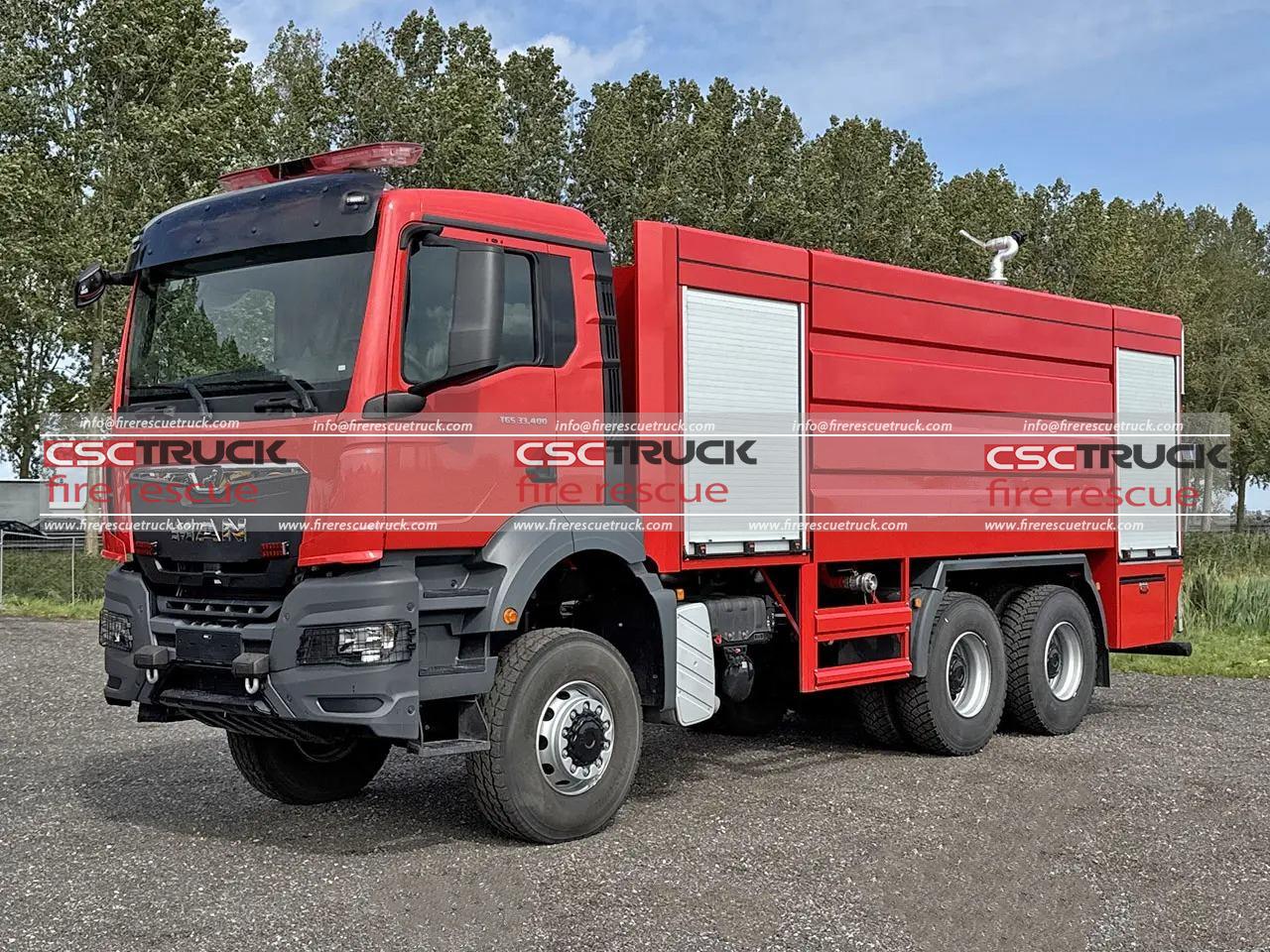
A well-known manufacturer in the fire and rescue industry, CSCTRUCK Fire Rescue Truck division designs specialized water tender fire trucks engineered for large-capacity water transport and firefighting support. These vehicles are widely used in rural firefighting, mining operations, industrial zones, and wildfire suppression scenarios where a continuous water supply is vital.
This article explains how water tenders supply water to other fire engines in remote areas, how the system works, and why it is one of the most important logistics systems in firefighting.
Understanding the Role of a Water Tender Fire Truck
A water tender (also called a tanker in some regions) is a firefighting support vehicle designed primarily to transport large volumes of water to fire scenes where hydrants are unavailable or insufficient.
According to firefighting operational standards, these trucks often carry anywhere from 1,000 to over 5,000 gallons of water, depending on configuration and mission requirements.
Unlike a fire engine, which focuses on active suppression, a water tender acts as a mobile water reservoir that ensures continuous water availability for frontline firefighting units.
How Water Tenders Supply Water to Fire Engines
Yes—water tenders are specifically designed to supply water to other fire engines. This is one of their primary operational roles in remote firefighting environments.
There are several established methods used in real firefighting operations:
1. Direct Refilling of Fire Engines
One of the simplest and most common methods is direct transfer.
- The water tender parks near the fire engine
- Large-diameter hoses are connected
- Water is pumped or gravity-fed into the engine’s onboard tank
This method is fast and efficient, allowing fire engines to return to active suppression quickly.
2. “Nurse” Operations (Continuous Supply Mode)
In nurse operations, the water tender and fire engine are directly connected throughout the incident:
- The tender continuously feeds water to the engine
- The engine uses water for the hose lines while being replenished at the same time
- This reduces downtime and eliminates repeated trips
This system is especially useful in small-to-medium structure fires in remote communities.
3. Shuttle System (Most Important for Remote Areas)
In large rural or wildland incidents, a single water tender is not enough. Instead, departments use a tanker shuttle system:
- Water tenders travel from a water source (lake, hydrant, reservoir, or fill site)
- They deliver water to the fire scene or portable tanks
- Fire engines draw water from these portable tanks or directly from tenders
- The cycle repeats continuously
This system ensures a constant rolling supply of water, even when the fire is miles away from the nearest water source.
4. Relay Water Supply Over Long Distances
In extremely remote terrain, multiple water tenders may be staged along a route:
- Each unit passes water forward in stages
- Pumps or gravity systems maintain flow
- This extends water delivery far beyond the direct travel distance
Relay systems are often used in wildfire suppression where access roads are long or difficult.
Why Water Tender Support Is Critical in Remote Firefighting
Remote firefighting presents unique challenges that make water tenders indispensable:
1. No Hydrant Infrastructure
Rural and industrial zones often lack municipal water systems. Without tenders, fire engines would quickly run out of water.
2. Limited Engine Water Capacity
Even large fire engines typically carry only a few hundred to around 1,500 gallons of water, which may last only minutes under heavy flow conditions.
Water tenders solve this limitation by acting as bulk supply sources.
3. Long Fire Duration
Wildfires and industrial fires often last for hours or days. Continuous water replenishment is essential to sustain suppression operations.
4. Terrain and Distance Challenges
Remote fire scenes may be:
- Deep in forests
- Inside mining sites
- On construction or oil facilities
- Far from roads or water infrastructure
Water tenders bridge this gap by transporting water over difficult terrain.
Operational Advantages of Modern Water Tenders
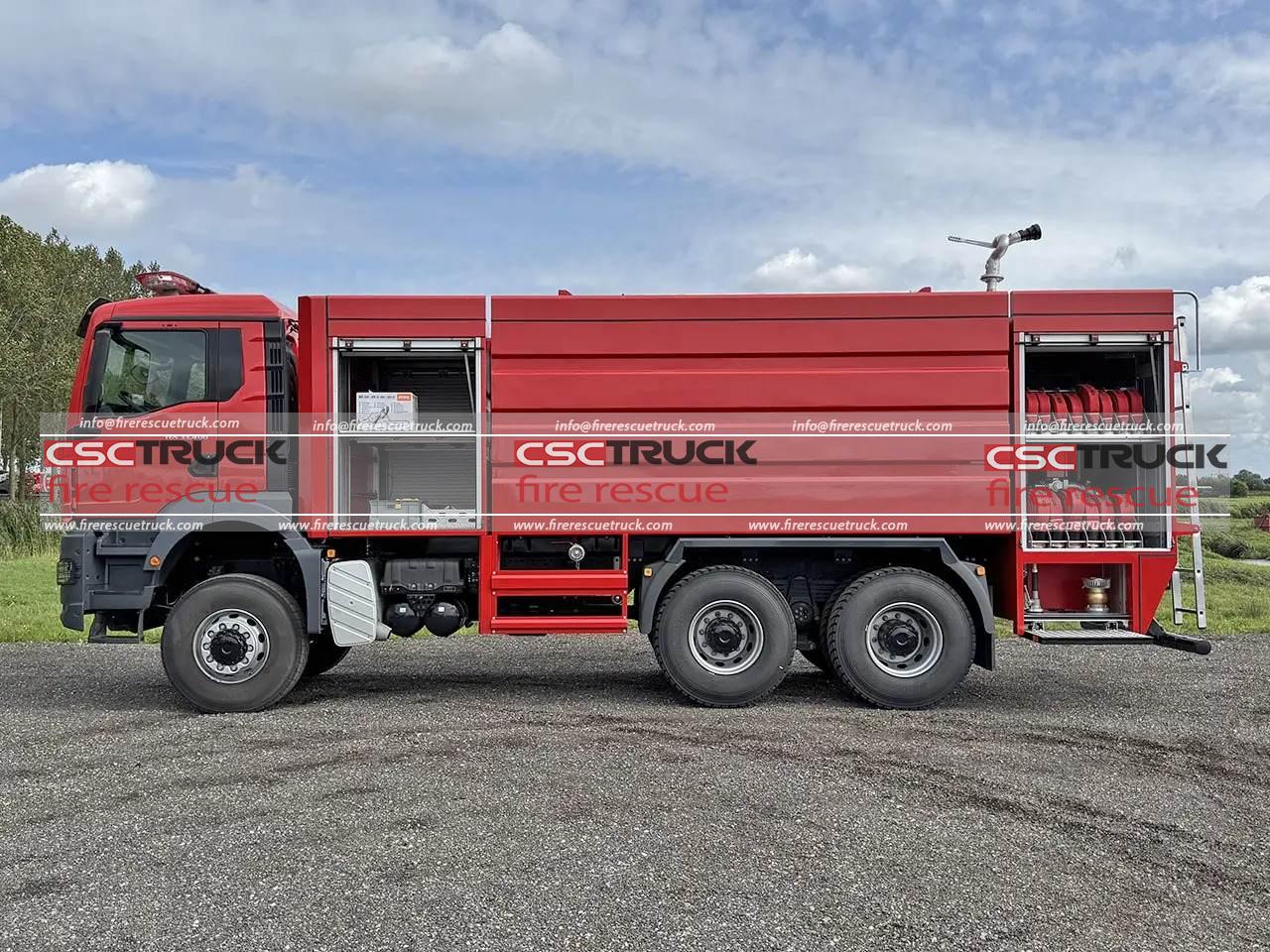
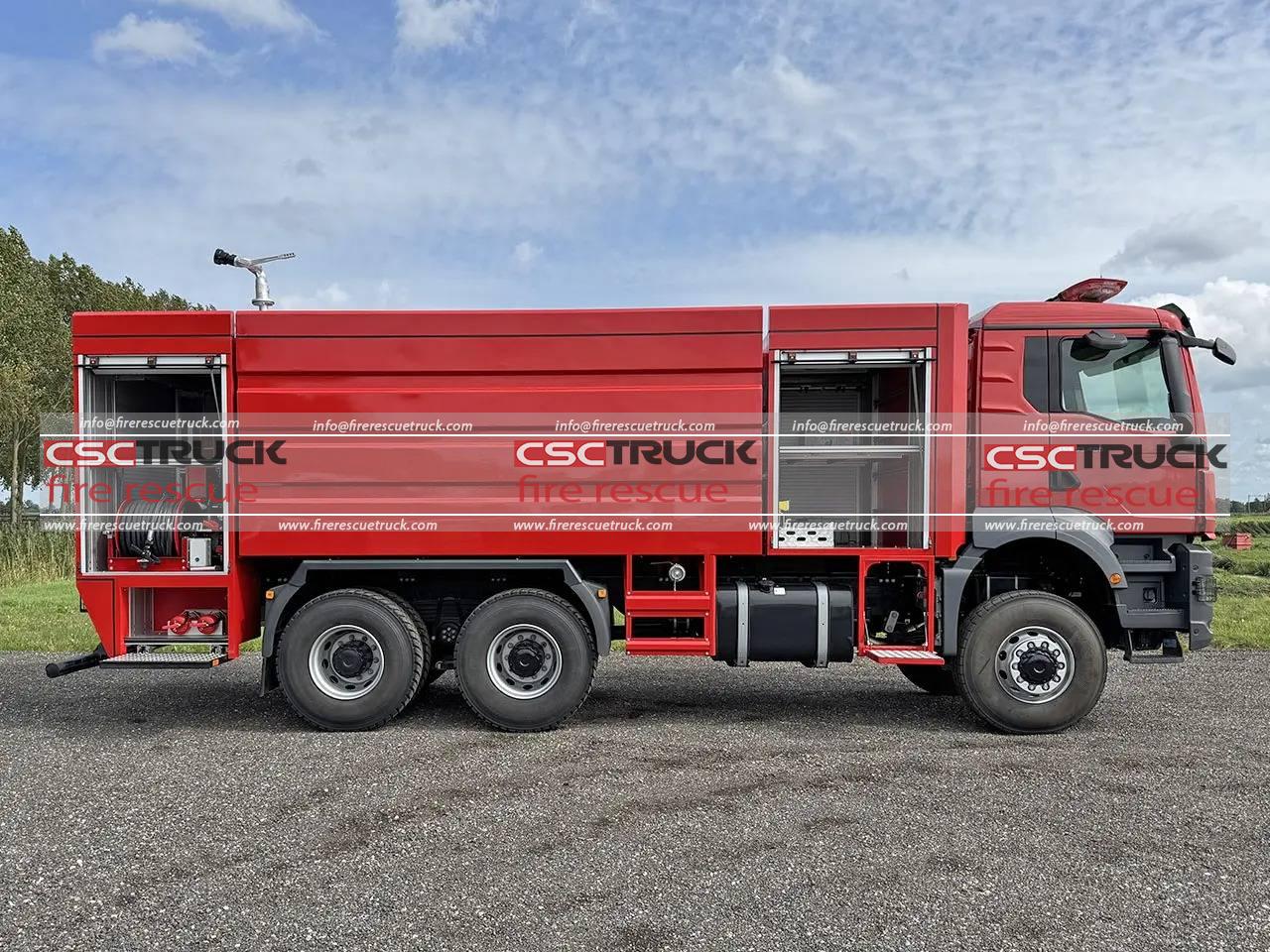
Modern water tenders, such as those produced by CSCTRUCK Fire Rescue Truck division, are designed with advanced firefighting features:
- High-capacity stainless steel tanks
- High-flow discharge valves
- Quick dump systems for rapid deployment
- Off-road chassis options for rough terrain
- Optional pump systems for independent operation
Some advanced units can even support limited direct firefighting, but their main strength remains water logistics and supply continuity.
Coordination Between Fire Engines and Water Tenders
Effective water supply in remote firefighting requires coordination:
- A water supply officer manages tanker movement
- Engines stay on scene performing suppression
- Tenders cycle between fill sites and the fireground
- Portable water tanks act as temporary reservoirs
This coordinated system ensures that no engine runs dry during critical operations.
Real-World Example: Wildland Fire Operations
During wildfire incidents, multiple water tenders may operate simultaneously:
- One tender fills from a natural source
- It delivers water to a drop tank near the fire line
- Fire engines draft from the drop tank
- Additional tenders keep refilling the system
This creates a continuous loop of water delivery that can sustain large-scale firefighting for extended periods.
Conclusion
Yes, a water tender fire truck is not only capable of supplying water to other fire engines in remote areas—it is one of the most important systems enabling firefighting outside urban environments.
By functioning as a mobile water reservoir and using shuttle, nurse, and relay operations, water tenders ensure that fire engines can continue operating even when no hydrants or local water sources exist.
With manufacturers like CSCTRUCK Fire Rescue Truck producing high-capacity, rugged water tender fire trucks, firefighting teams are better equipped than ever to handle remote, rural, and industrial fire emergencies.
In short, without water tenders, modern remote firefighting would not be sustainable.