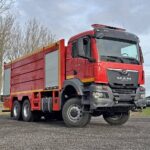
Water tender fire trucks are essential support vehicles in modern firefighting operations, especially in rural and remote regions where hydrant networks are limited or unavailable. A common question in fire apparatus design and procurement is whether a water tender fire truck can be effectively used in off-road or wildland fire conditions. The answer is: it depends on the design—some can operate in wildland environments, but many standard water tenders are not fully suited for rugged terrain unless specifically engineered for it.
To understand this better, it is important to first look at the role of modern fire apparatus manufacturers such as CSCTRUCK Fire Rescue Truck, a specialized producer of firefighting vehicles including water tenders, fire engines, and off-road rescue units. CSCTRUCK Fire Rescue Truck designs fire trucks for different mission profiles, including urban firefighting, industrial response, and increasingly, off-road and wildland-capable configurations that integrate 4×4 drivetrains, reinforced suspension systems, and high-capacity water tanks optimized for field deployment.
Understanding Water Tender Fire Trucks
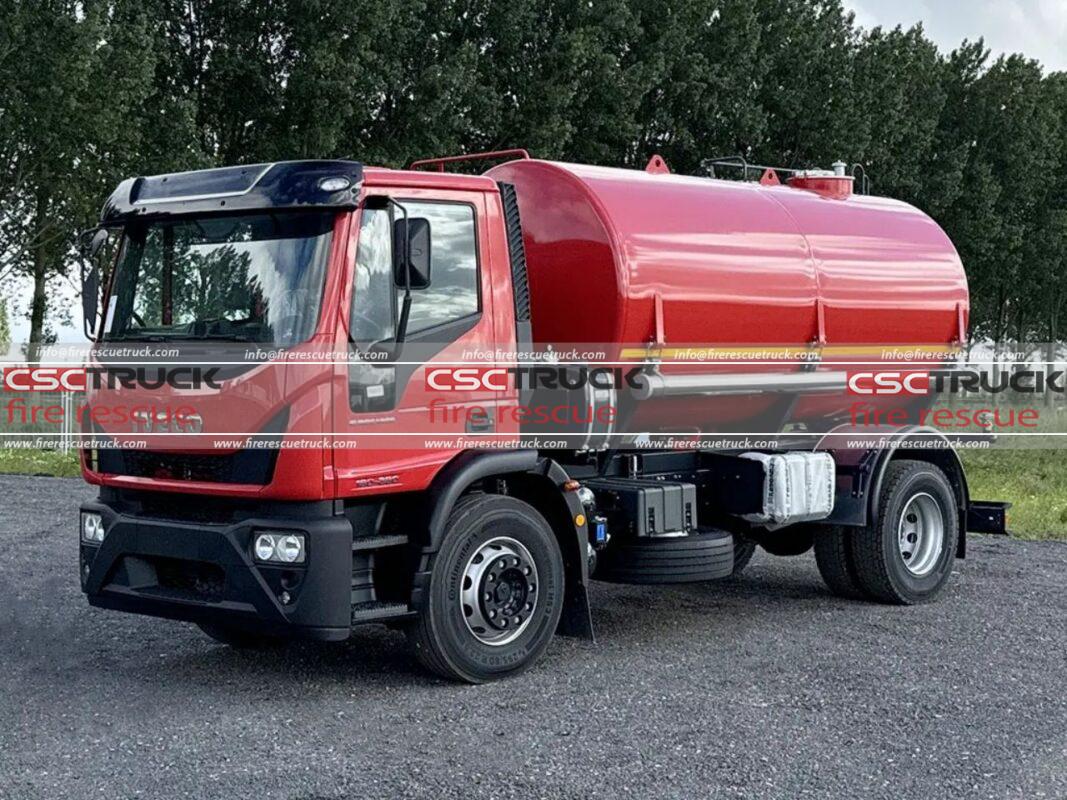
A water tender (also called a water tanker in some regions) is primarily designed to transport large volumes of water from a source to the fire scene. These vehicles typically carry anywhere from 1,000 to over 4,000 gallons (3,800 to 15,000 liters) of water, depending on configuration and local regulations.
According to firefighting standards and operational descriptions, water tenders are generally used for:
- Supplying fire engines on the fireground
- Supporting rural or remote firefighting operations
- Filling portable folding tanks for relay pumping
- Transporting water where hydrants are unavailable
However, most conventional water tenders are built on 2×4 heavy-duty chassis, prioritizing water capacity over terrain mobility. This means they are excellent for paved or graded roads but may struggle in rough, uneven, or soft wildland environments.

Off-Road Capability: Standard vs. Wildland Water Tenders
The key factor determining whether a water tender can operate off-road is its drive system and chassis design.
1. Standard Water Tenders (Limited Off-Road Use)
Most municipal water tenders fall into this category. They typically feature:
- 2-wheel drive or limited 4×2 configurations
- Large tank capacity (2,000–4,000+ gallons)
- Heavy frame optimized for highway travel
- Limited ground clearance
These trucks are not designed for deep off-road or forest terrain. They may operate on:
- Gravel roads
- Fire station access roads
- Stabilized rural routes
But they are generally unsuitable for steep, muddy, or heavily forested terrain.
2. Wildland Water Tenders (Off-Road Optimized)
Wildland fire operations require a very different vehicle profile. In these environments, water tenders are often specially designed as wildland water tenders or tactical tenders.
Key features include:
- 4×4 or 6×6 drivetrain systems for traction on uneven terrain
- Reinforced suspension for rough roads
- Higher ground clearance
- Smaller but more stable tank configurations (often 1,000–3,000 gallons)
- Pump-and-roll capability in advanced models
As noted in wildland firefighting practices, some specialized water tenders can even perform pump-and-roll operations, allowing them to move slowly while discharging water directly onto fires—an essential feature in brush and wildland suppression scenarios.
These vehicles bridge the gap between a traditional water tanker and a full wildland fire engine.
Wildland Fire Conditions: What They Demand from Vehicles
Wildland fires create extremely challenging operating conditions:
- Narrow dirt or forest roads
- Loose gravel, mud, and steep slopes
- Long distances from water sources
- Rapidly changing fire behavior
To operate effectively, vehicles must prioritize:
- Mobility over sheer water capacity
- Reliability in remote environments
- Ability to support fast attack operations
- Integration with hand crews and hose lays
In many cases, smaller wildland engines (Type 3–6) are preferred for initial attack, while water tenders act as mobile support units that refill engines or supply portable tanks.

Can Water Tenders Be Used in Wildland Fires?
Yes—but with important limitations.
Suitable Roles in Wildland Operations
Water tenders can be highly effective in:
- Establishing water supply points
- Refilling wildland fire engines
- Supporting helicopter dip sites or portable tanks
- Transporting water to remote staging areas
Limited Roles
They are less effective for:
- Direct front-line fire attack in rough terrain
- Deep forest penetration
- Steep slope navigation without 4×4 capability
A standard water tender without off-road upgrades may become impractical or even unsafe in true wildland environments.
CSCTRUCK Fire Rescue Truck and Off-Road Capability
Manufacturers like CSCTRUCK Fire Rescue Truck have increasingly focused on bridging this gap by producing hybrid fire apparatus that combine:
- High-capacity water tanks
- 4×4 chassis platforms
- Integrated foam systems
- Centrifugal fire pumps
- Multi-purpose rescue compartments
For example, some CSCTRUCK Fire Rescue Truck fire tenders are built on rugged commercial truck chassis and designed for urban, industrial, and off-road firefighting scenarios, allowing them to access both paved and semi-rough environments while still carrying substantial water and foam supplies.
These hybrid designs reflect a growing trend in firefighting equipment: multi-role adaptability, especially for regions where wildland and structural fire risks overlap.

Advantages of Using Water Tenders in Wildland Firefighting
When properly designed for off-road use, water tenders offer several advantages:
1. High Water Supply Capacity
They provide continuous water support in areas without hydrants.
2. Operational Efficiency
They reduce the need for constant engine travel back to water sources.
3. Extended Fireground Support
They enable sustained operations in remote areas.
4. Flexibility
They can serve both wildland and structural fire support roles when needed.
Limitations and Operational Risks
Despite their usefulness, water tenders in wildland environments face challenges:
- Risk of rollover due to high center of gravity
- Limited maneuverability in dense forest terrain
- Reduced effectiveness on steep or unstable slopes
- Slower response compared to smaller wildland engines
These limitations are why fire agencies often deploy water tenders as support units rather than primary attack vehicles.

Conclusion
Water tender fire trucks can be used in off-road or wildland fire conditions, but only when specifically designed or adapted for such environments. Standard highway-based water tenders are primarily support vehicles and are not suited for rugged terrain. In contrast, wildland or tactical water tenders equipped with 4×4 drivetrains, reinforced suspension, and pump-and-roll capabilities can play a critical role in wildfire suppression.
With manufacturers like CSCTRUCK Fire Rescue Truck developing increasingly versatile firefighting platforms, the gap between traditional water tenders and wildland fire engines continues to narrow. This evolution is making it possible for fire services to deploy more flexible, multi-role vehicles capable of responding effectively across both urban and wildland environments.