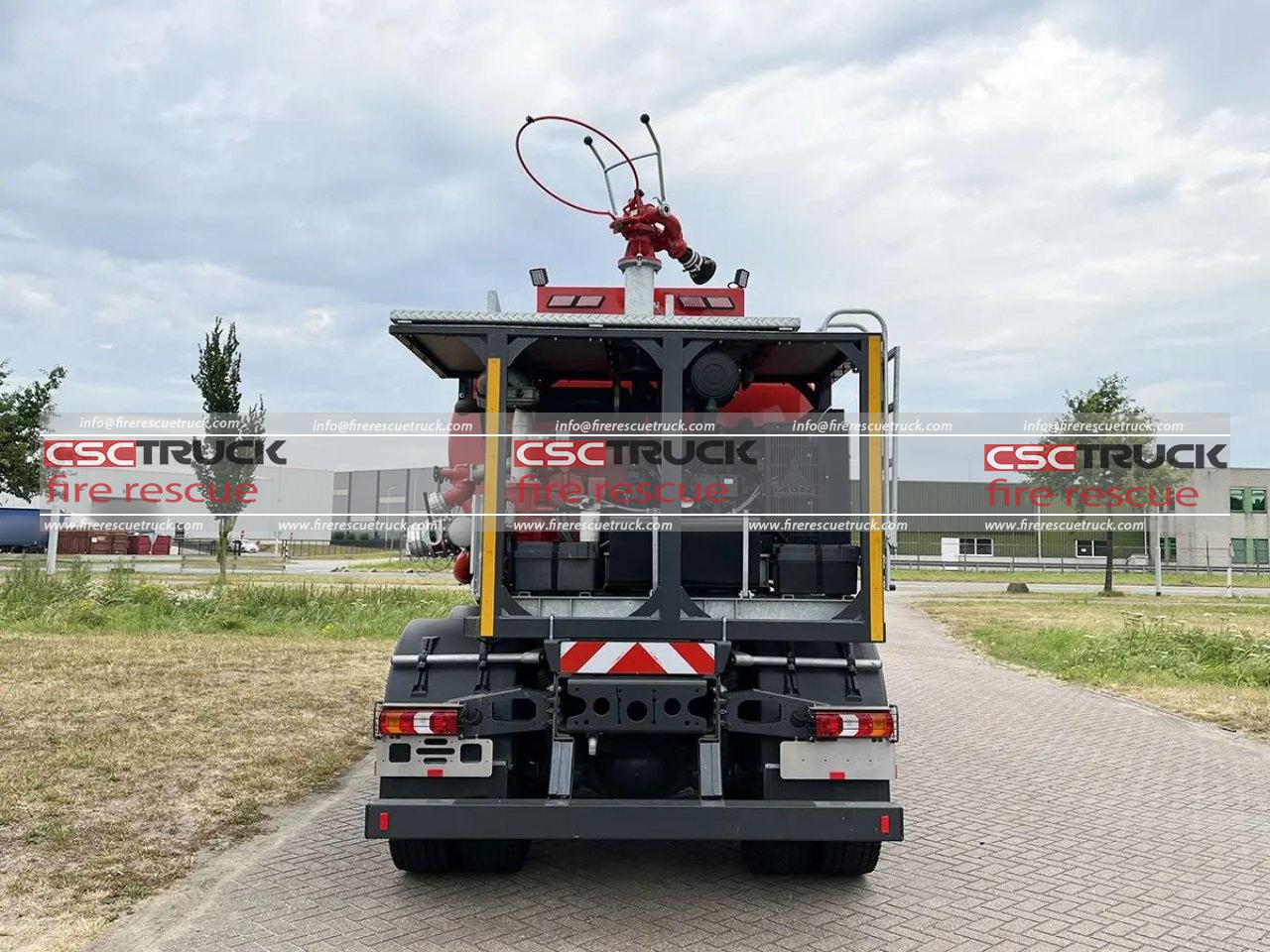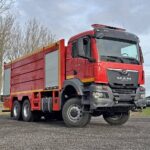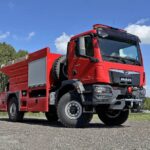

Water tender fire trucks play a critical role in firefighting logistics, especially in rural, industrial, and remote areas where hydrant networks are limited or unavailable. However, a common question in fire apparatus engineering is whether these vehicles are capable of high-pressure firefighting operations, or if they are strictly designed for water transport and supply.
To answer this, we must first understand how water tenders are built, how their pumping systems work, and how they differ from fire engines (pumpers).
Introduction to CSCTRUCK Fire Rescue Truck
Before exploring water tender capabilities, it is important to highlight modern fire apparatus manufacturers such as CSCTRUCK Fire Rescue Truck. CSCTRUCK Fire Rescue Truck is a professional manufacturer specializing in designing and producing a wide range of firefighting vehicles, including fire engines, water tankers, and rescue trucks.
Through its dedicated platform, CSCTRUCK Fire Rescue Truck focuses on delivering reliable fire rescue solutions that combine water storage, pumping systems, and advanced firefighting technology. Their vehicles are engineered for different operational needs—ranging from urban structural firefighting to rural water shuttle operations—ensuring that fire departments can choose apparatus suited to their specific environments.
In many modern configurations, CSCTRUCK Fire Rescue Truck water tenders can be customized with optional pump systems, foam units, and auxiliary firefighting equipment, which directly influences whether they can support higher-pressure operations.
What Is a Water Tender Fire Truck?
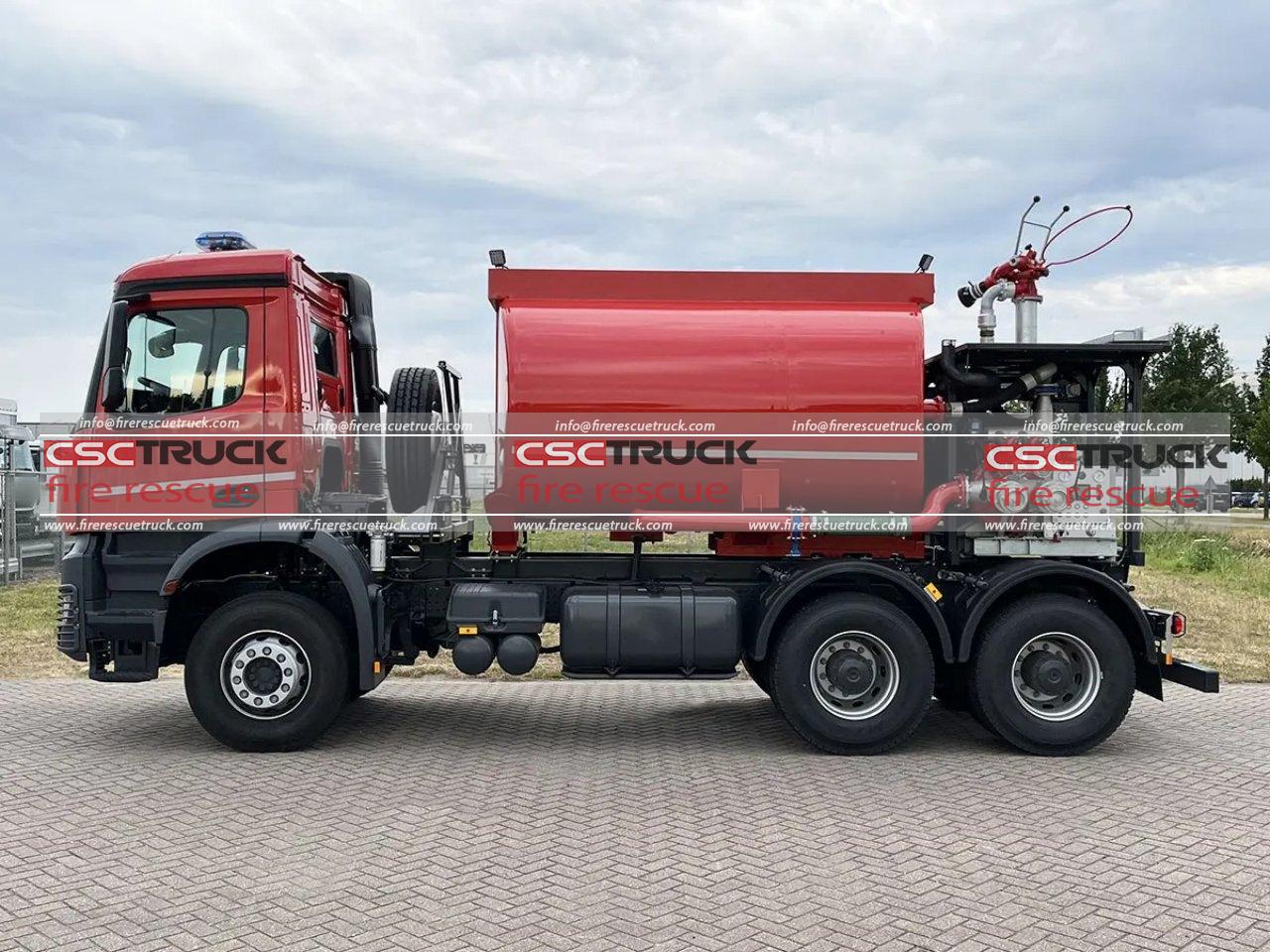
A water tender (also called a water tanker) is primarily designed to transport large volumes of water to fire scenes. According to firefighting classifications, its main role is not direct fire suppression but water supply support for fire engines operating on the scene.
Typical features include:
- Large onboard water tank (often 2,000–3,000+ gallons)
- Basic pump or no pump (depending on design)
- Dump valves for rapid water offloading
- Simple hose connections for transferring water to engines or portable tanks
The key idea is that a water tender is fundamentally a water logistics vehicle, not a primary attack unit.
Understanding Firefighting Pressure Requirements
To evaluate whether water tenders can support high-pressure firefighting, we must define what “high pressure” means.
Fire pump pressure is generally categorized as:
- Normal pressure: ~100–250 PSI
- High pressure: ~500 PSI and above
- Ultra-high pressure systems: over 1,100 PSI
Most structural firefighting operations use pumps in the 100–250 PSI range, which is already sufficient to deliver effective hose streams for building fires.
High-pressure systems are typically used for specialized scenarios such as:
- High-rise firefighting
- Industrial fires
- Wildland suppression with specialized equipment
Do Water Tenders Have High-Pressure Capability?
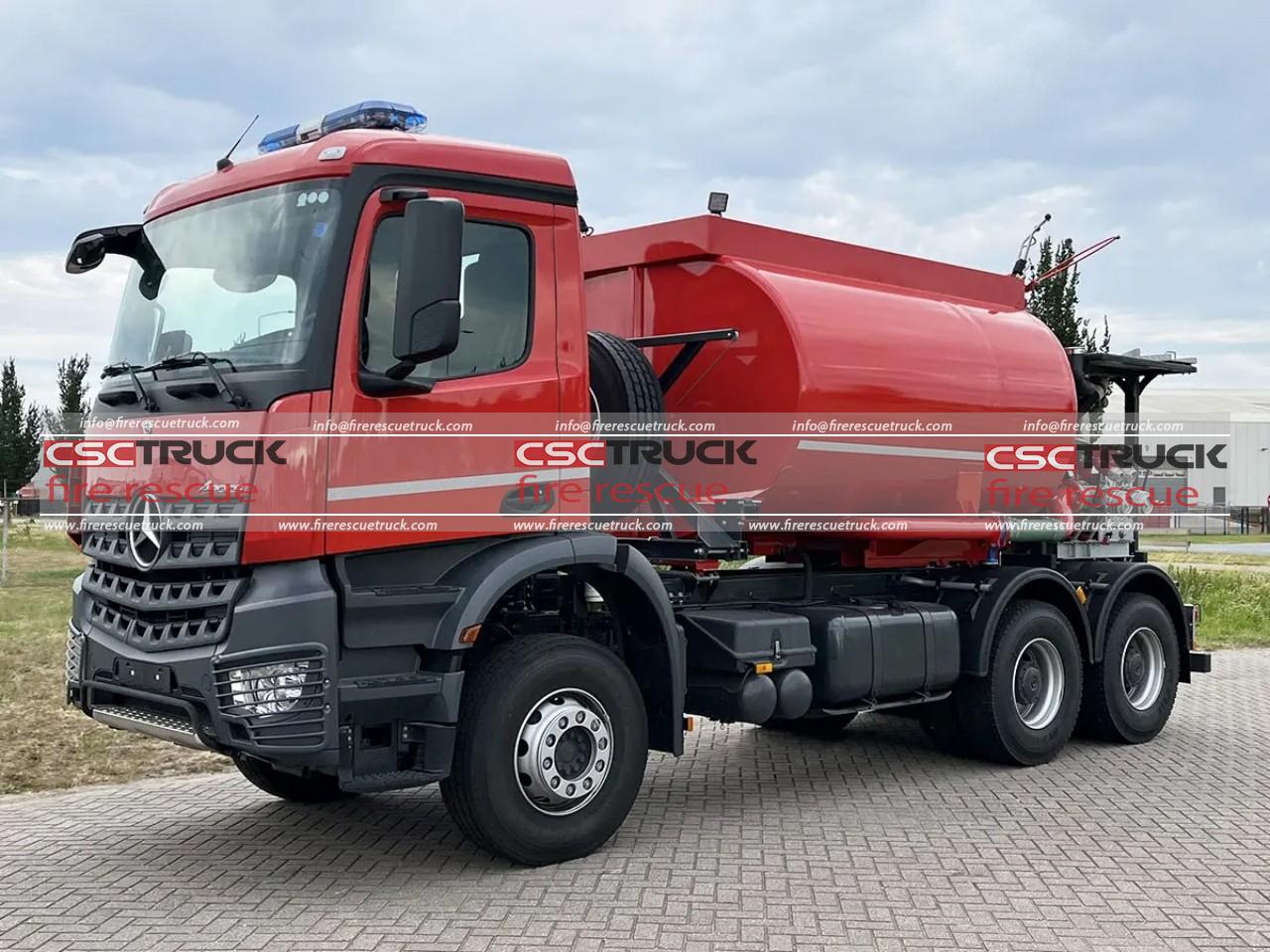
The short answer is: Most standard water tenders do NOT support high-pressure firefighting operations directly.
Instead, they are designed for one or more of the following roles:
1. Gravity or Low-Pressure Water Delivery
Many basic water tenders simply unload water through:
- Gravity dump valves
- Low-pressure transfer pumps
These systems are efficient for quickly filling fire engines or portable tanks but do not generate attack-level pressure.
2. Limited Pump Systems (Optional Configuration)
Some modern water tenders are equipped with:
- Small centrifugal pumps
- Auxiliary engine-driven pumps
- Pre-plumbed discharge lines
These allow the tender to:
- Fill fire engines
- Supply relay pumping systems
- Support hose lines at moderate pressure
However, even in these cases, the pump is usually not optimized for sustained high-pressure firefighting, especially compared to dedicated fire engines.
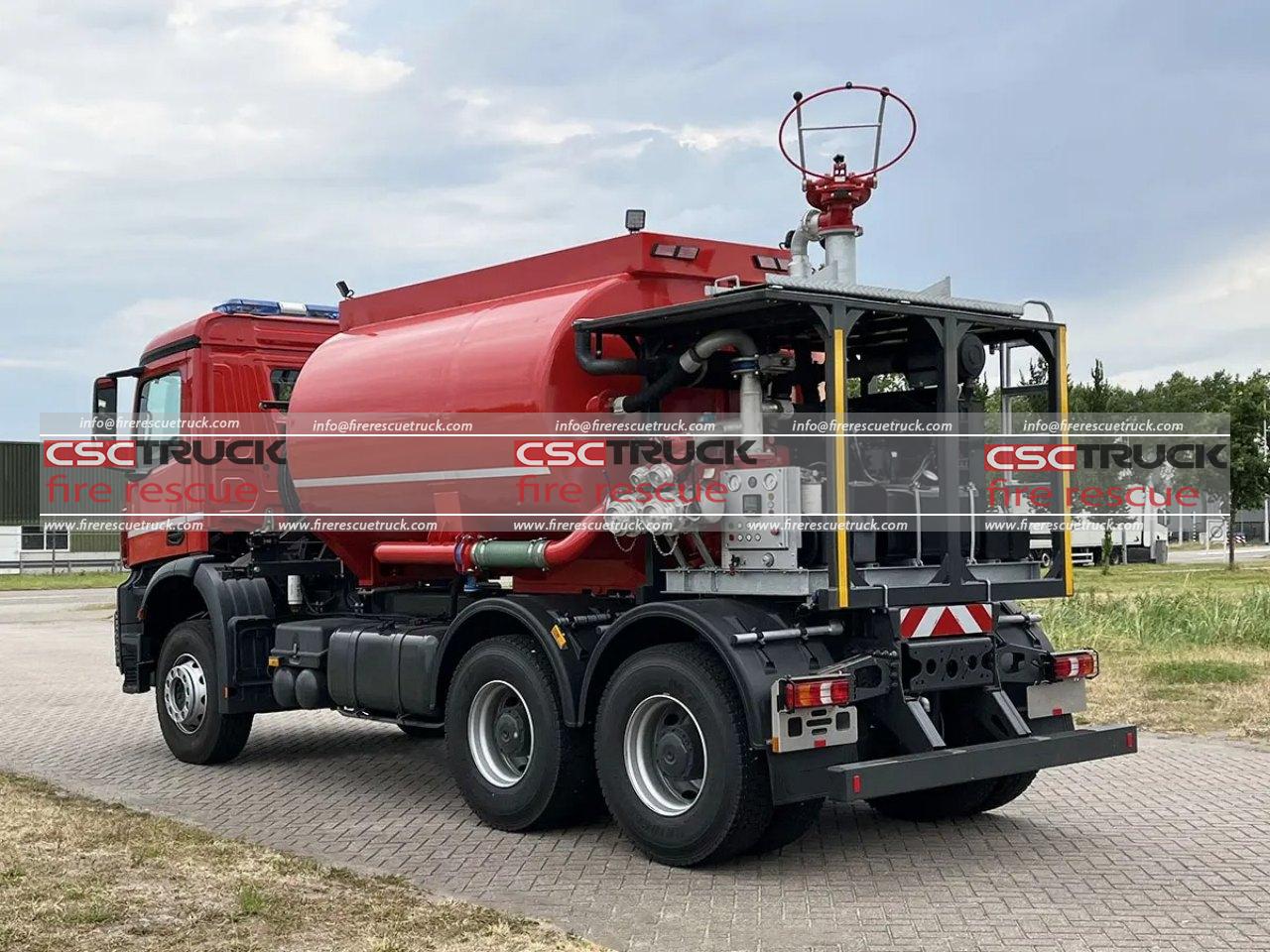
3. Hybrid “Pumper-Tender” Designs
In advanced configurations, manufacturers like CSCTRUCK Fire Rescue Truck and others offer combined engine–tender units, which include:
- Large water tank (like a tender)
- Full fire pump system (like a fire engine)
- Multiple discharge outlets
These hybrid units can support higher-pressure firefighting because they are essentially fire engines with extended water capacity.
Why Water Tenders Are Not Designed for High Pressure
There are several engineering and operational reasons why traditional water tenders are not high-pressure firefighting machines:
1. Structural Design Priorities
Water tenders prioritize:
- Tank volume
- Payload capacity
- Long-distance water transport
High-pressure systems require heavier pumps, reinforced piping, and additional control systems that reduce payload efficiency.
2. Stability and Safety Limitations
High-pressure pumping creates:
- Strong hose reaction forces
- Increased vibration
- Higher risk of system failure if not reinforced
Since water tenders are often heavy tank vehicles, they are not optimized for dynamic firefighting forces at the nozzle.
3. Operational Role Difference
Firefighting strategy typically separates roles:
- Fire engines: apply high-pressure water streams
- Water tenders: supply water to engines
This division allows each vehicle to specialize and operate more efficiently.
How Water Tenders Support Fire Engines
Even without high-pressure capability, water tenders are essential in firefighting operations. Their support roles include:
1. Water Shuttle Operations
They transport water from:
- Hydrants
- Rivers
- Filling stations
To fire scenes where engines are operating.
2. Relay Supply to Pumpers
Water tenders can continuously refill:
- Fire engines
- Portable tanks (folding reservoirs)
- Static water supply points
This ensures uninterrupted high-pressure firefighting by pumpers.
3. Rural Firefighting Support
In rural areas without hydrants, water tenders become the primary water source, enabling sustained operations by engine crews.
When Water Tenders Can Support High-Pressure Firefighting
Although not designed for it, there are specific scenarios where water tenders indirectly support high-pressure firefighting:
✔ When Equipped as a Pumper-Tender
If the vehicle includes a full fire pump system, it may operate attack lines at moderate pressure.
✔ When Acting as a Relay Pump
Multiple tenders and engines can be staged in a relay system to maintain consistent pressure over long distances.
✔ When Feeding High-Pressure Engines
The tender supplies water, while a fire engine generates the actual high-pressure stream.
Conclusion
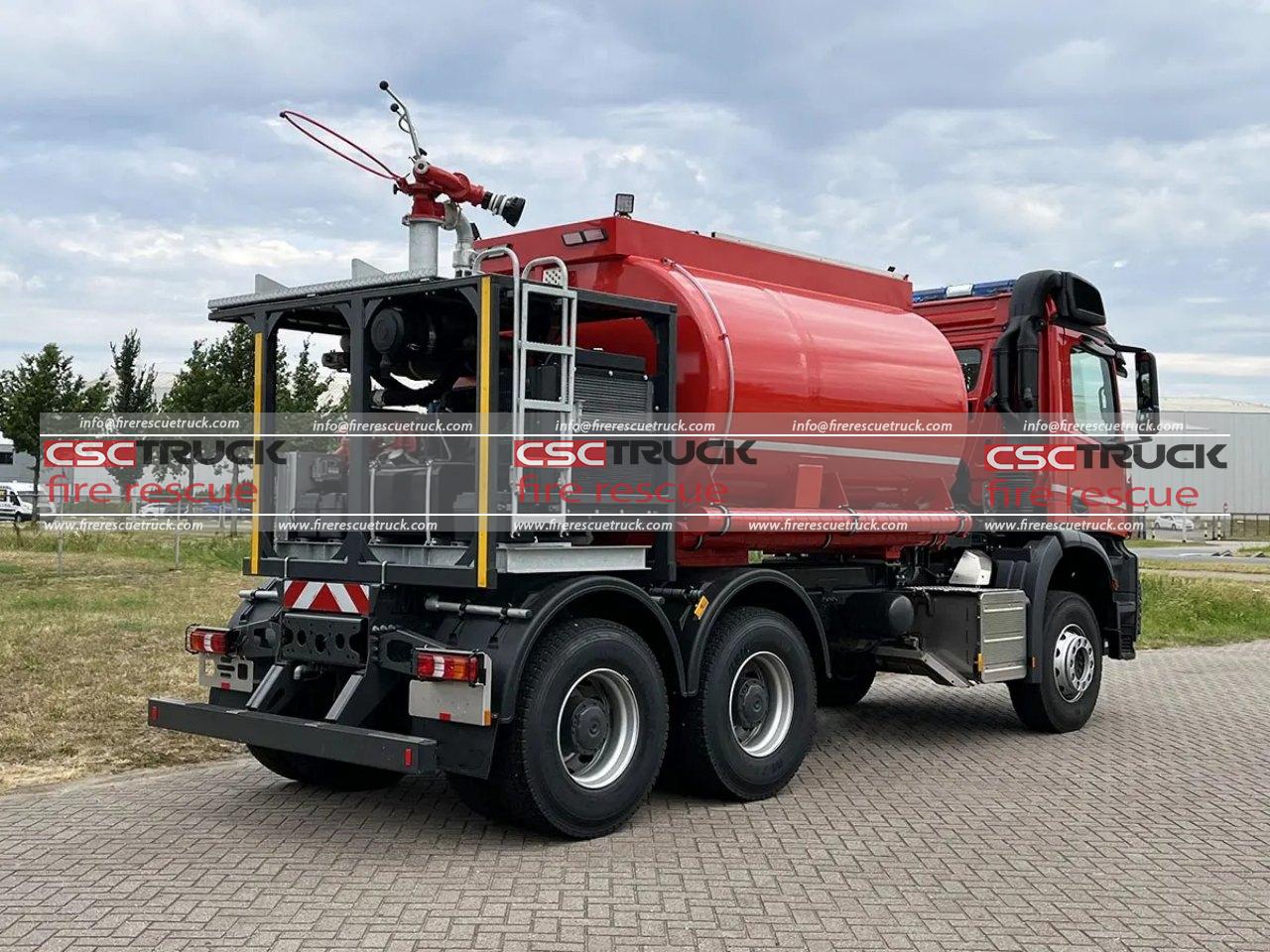
Water tender fire trucks are not primarily high-pressure firefighting vehicles. Their main function is to transport and supply large volumes of water to support fire engines that perform the actual high-pressure suppression work.
However, modern engineering—especially from manufacturers like CSCTRUCK Fire Rescue Truck—has introduced hybrid configurations that can combine water transport and pumping capabilities. These specialized units can partially bridge the gap between supply vehicles and attack engines.
In summary:
- Standard water tenders → No high-pressure firefighting capability
- Pump-equipped tenders → Limited/moderate pressure support
- Hybrid pumper-tenders → Can perform higher-pressure operations
Ultimately, water tenders are best understood not as “fire attack machines,” but as the lifeline of water supply systems that make high-pressure firefighting possible in the first place.