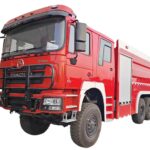
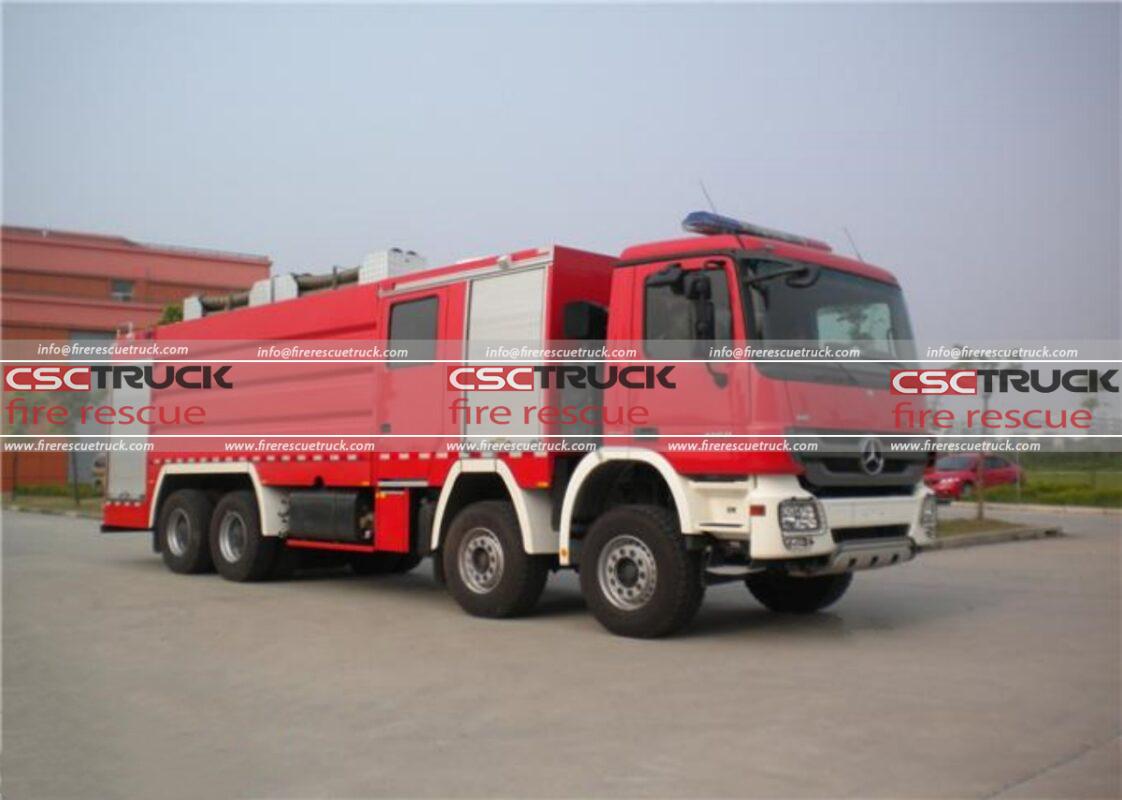
Firefighting operations rely on a wide range of specialized vehicles, each designed for a specific role in delivering water, equipment, and personnel to the scene. Among these, the water tender (or water tanker) and the pumping fire engine (also called a pumper or engine company) are 2 of the most important—but fundamentally different—types of apparatus. A common question in fire service discussions is whether a water tender can also function as a pumping fire engine.
The short answer is: A standard water tender cannot fully replace a pumping fire engine, but some modern hybrid units can partially perform both roles.
To understand why, we need to look at how each vehicle is designed and how firefighting systems actually operate in the field.
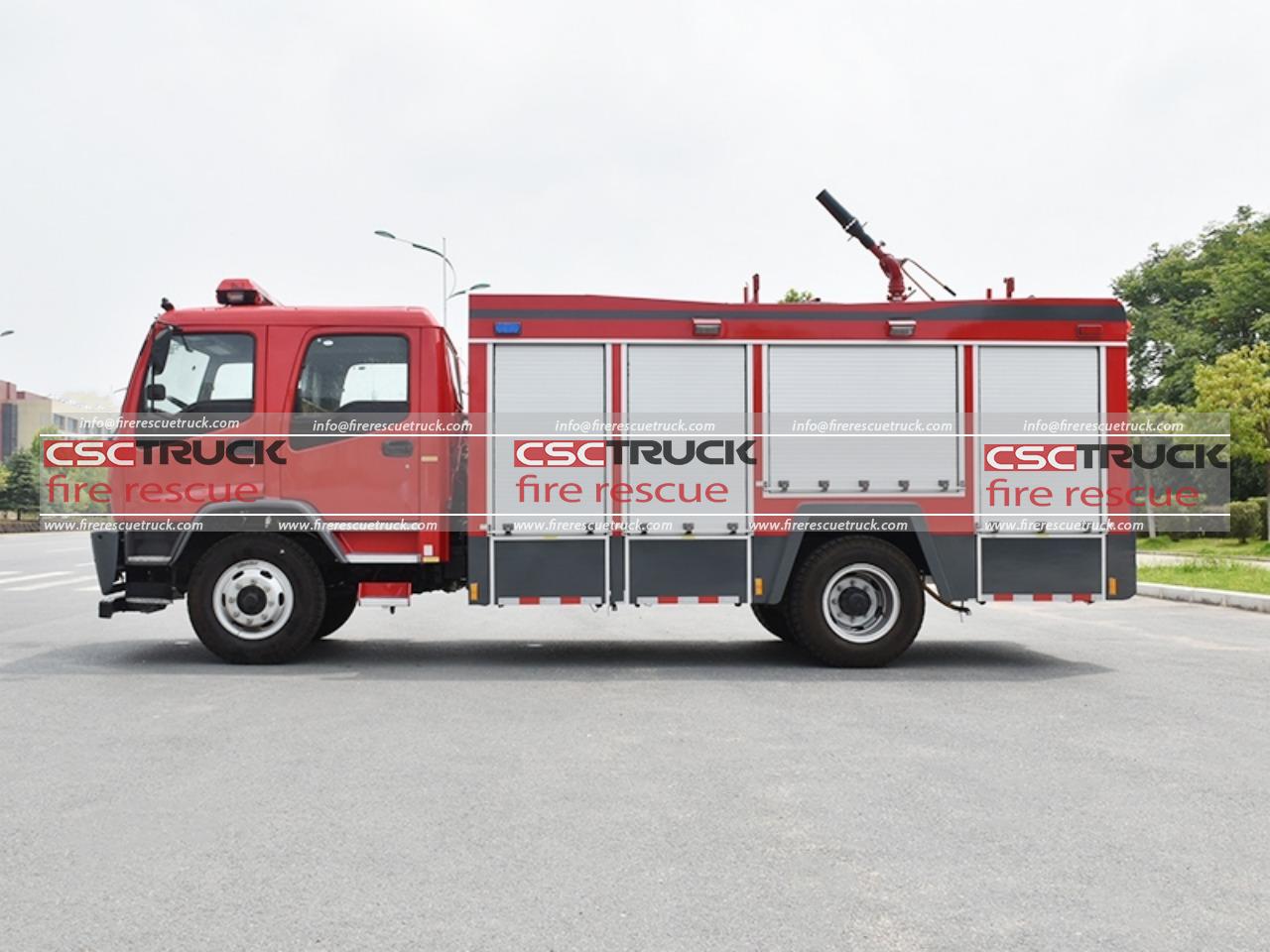
Introduction to CSCTRUCK Fire Rescue Truck
In modern firefighting equipment manufacturing, companies like CSCTRUCK Fire Rescue Truck play an important role in designing versatile and mission-ready fire apparatus for different environments. Their fire rescue trucks are built for urban, industrial, and rural firefighting scenarios, often integrating high-capacity water tanks, reliable pumping systems, and modular compartments for rescue tools.
CSCTRUCK Fire Rescue Truck focuses on combining water transport capability, pumping performance, and operational flexibility, which reflects the global trend toward multi-functional fire vehicles. This is especially important in rural and industrial regions where departments may need a single vehicle to perform multiple tasks due to limited resources.
This context helps explain why the question of “water tender vs pumping fire engine” is becoming more relevant today—modern designs are blurring traditional boundaries.
What Is a Water Tender?
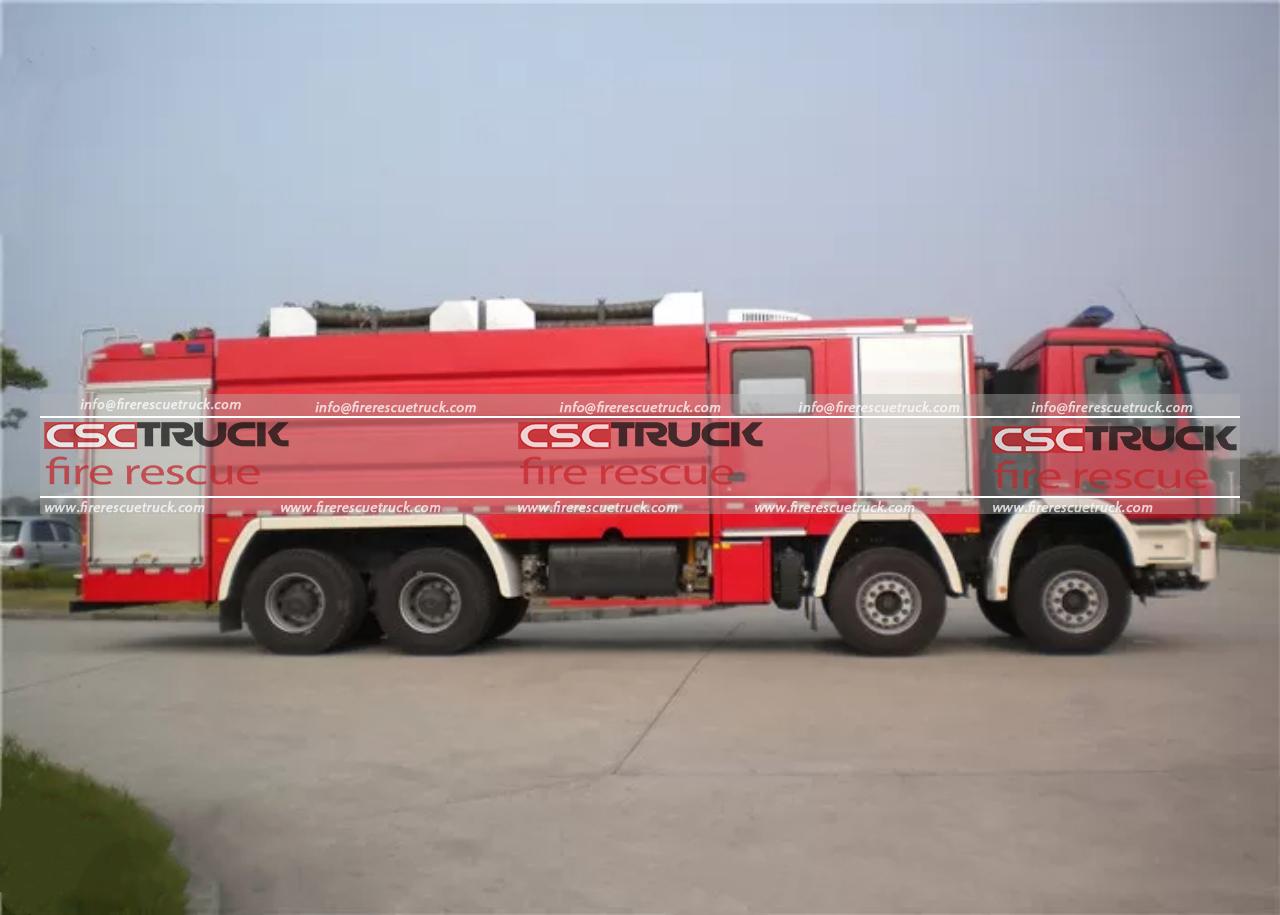
A water tender is primarily a water transport vehicle. Its main job is to carry large volumes of water from a fill source (hydrant, lake, or tanker station) to a fire scene.
Key characteristics include:
- Very large water tanks (often 3,000–12,000 liters or more)
- Designed for long-distance water shuttle operations
- Limited firefighting equipment compared to engines
- Often used in rural or wildland environments without hydrants
Some water tenders include a small pump, but it is usually intended for:
- Filling the tank from a water source
- Offloading water quickly into portable tanks
- Supporting fire engines rather than directly attacking fires
In most cases, a water tender is not designed for sustained hose operations or high-pressure firefighting work.
What Is a Pumping Fire Engine?
A pumping fire engine (pumper) is a fully equipped firefighting unit designed to actively extinguish fires.
Its main components include:
- High-capacity fire pump (often 1,000–4,000 L/min or more)
- Onboard water tank (smaller than a tender)
- Hose lines and nozzles for direct fire attack
- Foam systems and rescue tools
Unlike water tenders, fire engines are designed to:
- Pump water at high pressure continuously
- Supply multiple hose lines simultaneously
- Connect to hydrants or draft from open water sources
- Serve as the primary fire suppression unit
In most fire departments, the pumper is the core operational vehicle, while water tenders provide support.
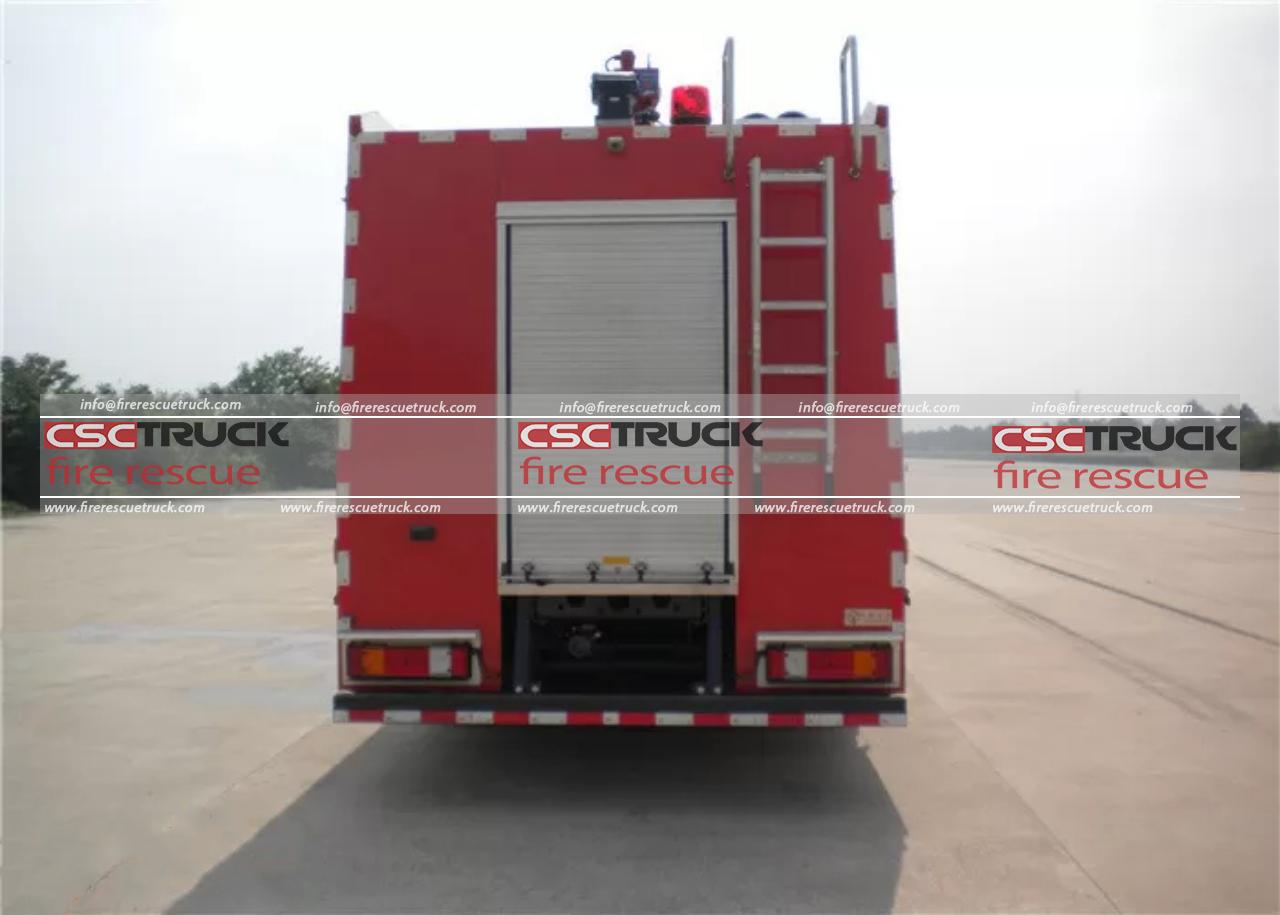
Key Difference Between the 2 Roles
The difference comes down to purpose and hydraulic capability:
- Water tender = water delivery system
- Fire engine = water application system
A water tender is like a mobile reservoir. A fire engine is like a machine that applies pressure, controls flow, and fights fire directly.
Even if both carry water, only the fire engine is designed to manage:
- Continuous hose operation
- High-pressure discharge
- Multiple attack lines at once
So, Can a Water Tender Work as a Pumping Fire Engine?
1. Standard Water Tender: Limited Capability
Most traditional water tenders cannot replace a pumping fire engine because:
- Their pumps are small or auxiliary
- They lack proper discharge systems for multiple hose lines
- They are not built for continuous high-pressure operation
- They often lack full firefighting equipment sets
In practice, a standard water tender can:
- Feed water to an engine
- Fill portable tanks (“dump tanks”)
- Provide a temporary emergency water supply
But it cannot sustain active firefighting like a pumper.
2. Pump-Equipped Water Tenders (Hybrid Units)
Modern fire apparatus design has introduced hybrid “engine-tankers” or “pumper-tenders.”
These vehicles may include:
- A medium-to-high capacity fire pump
- Large onboard water tank
- Multiple hose discharge outlets
- Basic firefighting equipment
These hybrid units can:
- Respond directly to fires
- Begin suppression before additional engines arrive
- Operate in rural areas with limited resources
However, even these are usually considered light or rural engines, not full urban pumpers.
3. Why Hybrids Still Don’t Fully Replace Fire Engines
Even advanced water tender hybrids have limitations:
- Lower pumping efficiency compared to dedicated engines
- Fewer hose line configurations
- Reduced crew capacity and equipment storage
- Less maneuverability in urban firefighting tactics
Fire engines are engineered specifically for continuous suppression operations, while tenders prioritize water logistics and mobility.
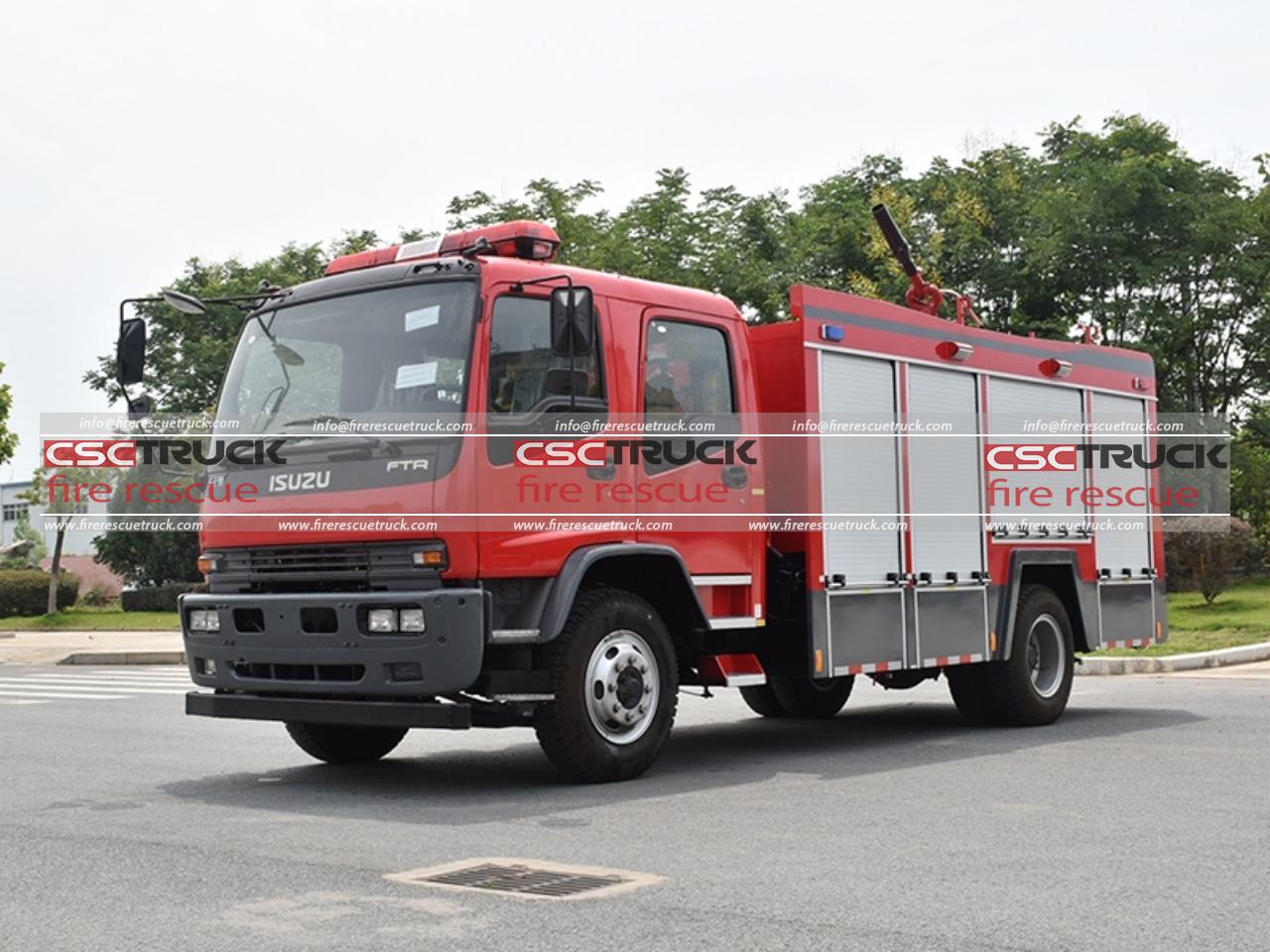
Field Operations: How They Work Together
In real firefighting scenarios, water tenders and pumpers are designed to complement each other:
- The fire engine begins an immediate attack using onboard water
- The water tender arrives to resupply or establish shuttle operations
- Engines maintain fire suppression while tenders ensure water continuity
This system is especially critical in rural and wildland areas where hydrants are unavailable.
Why Water Tenders Are Still Essential
Even though they are not full fire engines, water tenders are indispensable because they:
- Extend firefighting reach into remote areas
- Support large-scale industrial fires
- Supply water during wildland operations
- Enable continuous operations without a hydrant infrastructure
Without tenders, engines would quickly exhaust their onboard water supply.
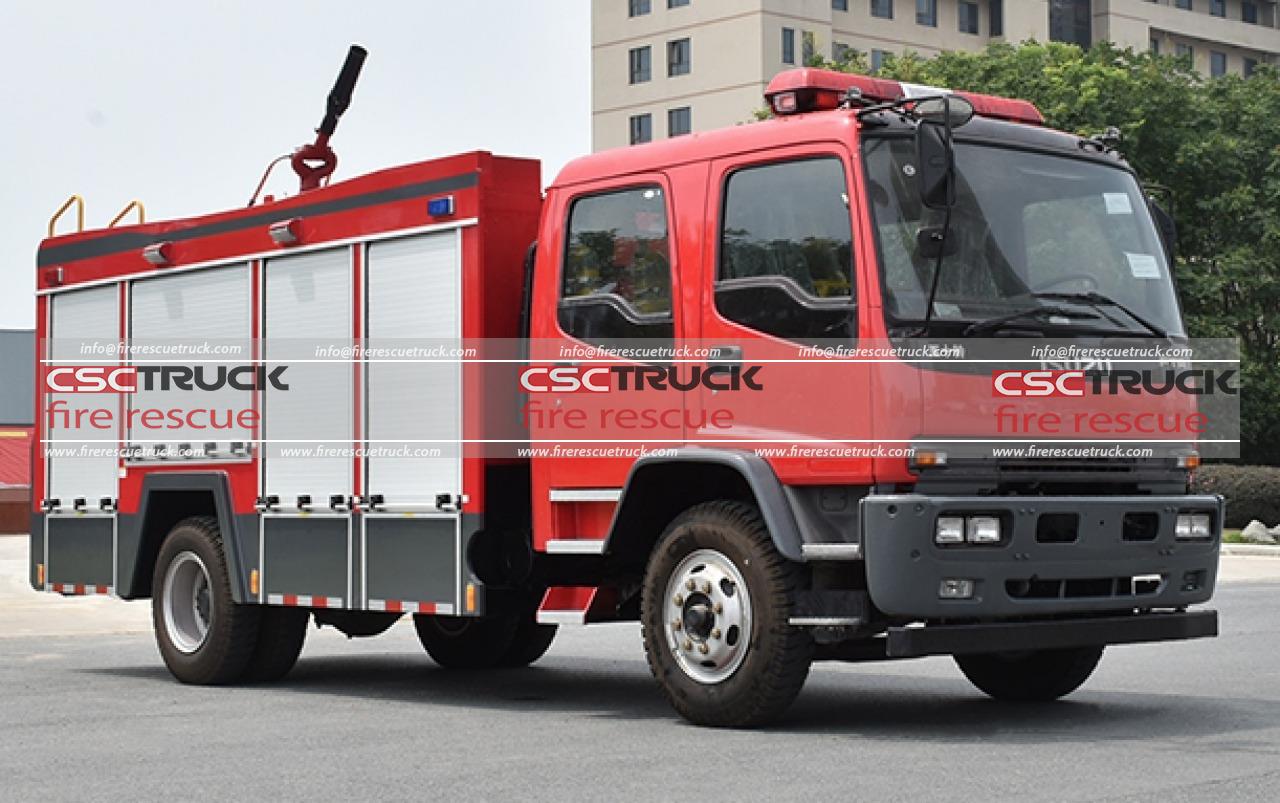
The Future: Multi-Function Fire Apparatus
Manufacturers like CSCTRUCK Fire Rescue Truck and others are increasingly designing multi-role fire vehicles that combine:
- High-capacity water tanks
- Full fire pump systems
- Rescue and emergency response tools
This trend is driven by:
- Budget constraints in rural fire departments
- The need for a rapid initial attack capability
- Expanding industrial and wildland fire risks
In the future, the line between water tender and fire engine may continue to blur—but specialization will remain important.
Conclusion
So, can a water tender be used as a pumping fire engine?
The answer depends on the design:
- Standard water tender: No, it is primarily a transport and supply vehicle.
- Pump-equipped hybrid tender: Partially, but still not a full replacement for a fire engine.
- Dedicated fire engine: Remains the primary tool for active firefighting.
Ultimately, both vehicles are essential parts of a coordinated fire suppression system. Water tenders ensure a continuous water supply, while pumping fire engines deliver the pressure, control, and tactical capability needed to extinguish fires effectively.
In modern firefighting strategy, success does not depend on choosing one over the other—but on how well both are integrated into a unified response system.