Firefighting operations rely on a variety of specialized vehicles, each designed for a specific role in controlling and extinguishing fires. Among the most commonly confused are the water tender and the fire engine. While both are essential to emergency response, they serve very different purposes in how they store, transport, and deliver water and firefighting resources.
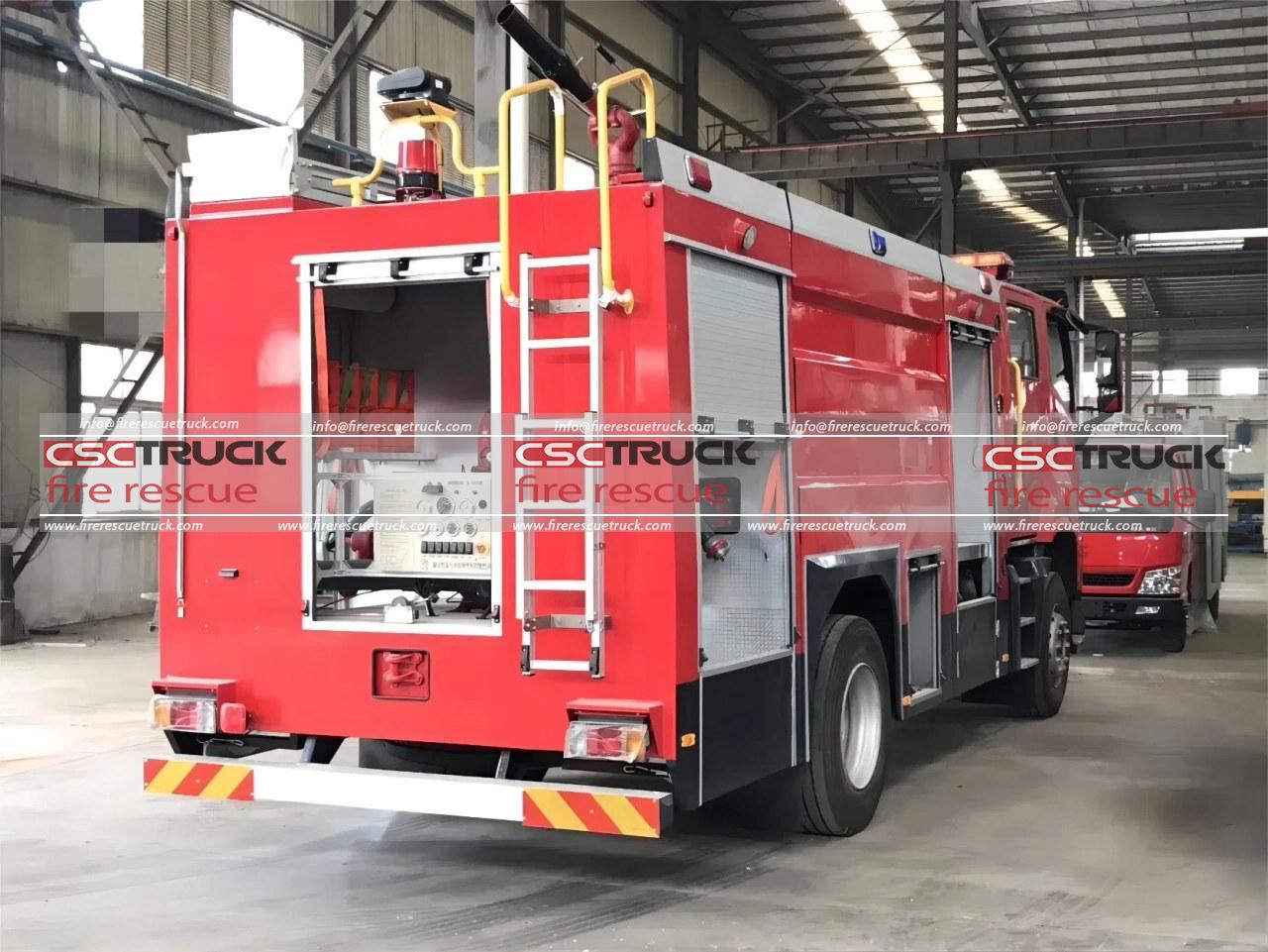
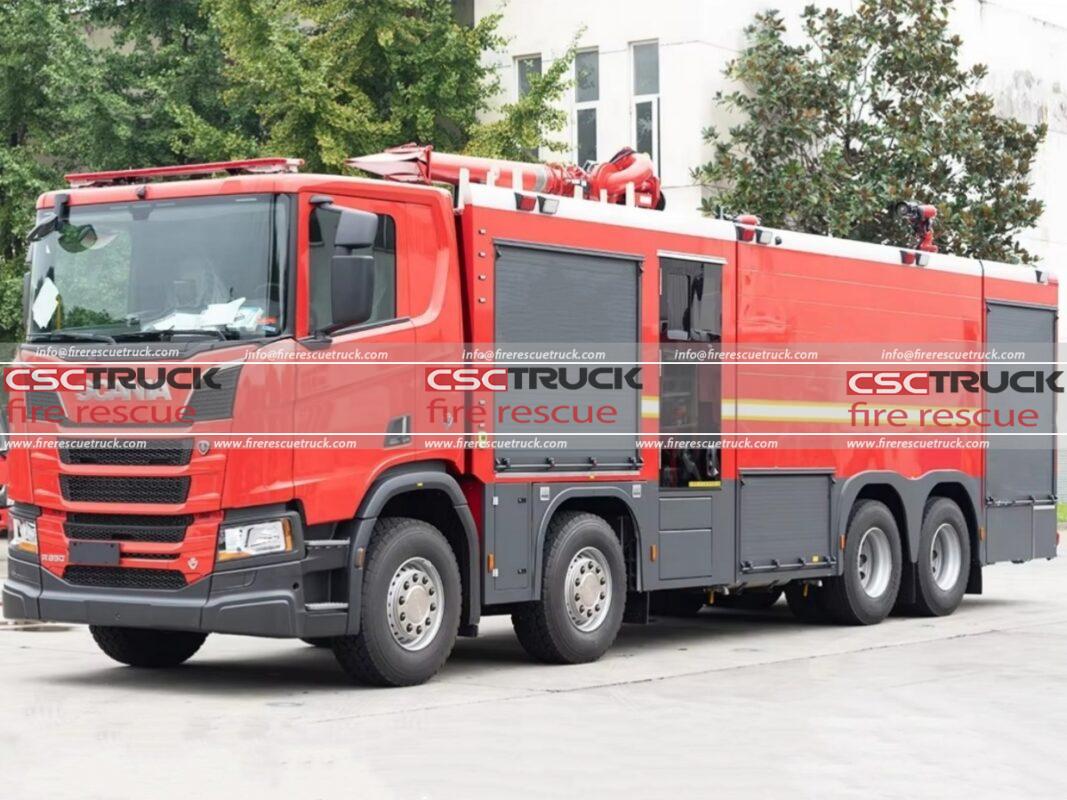
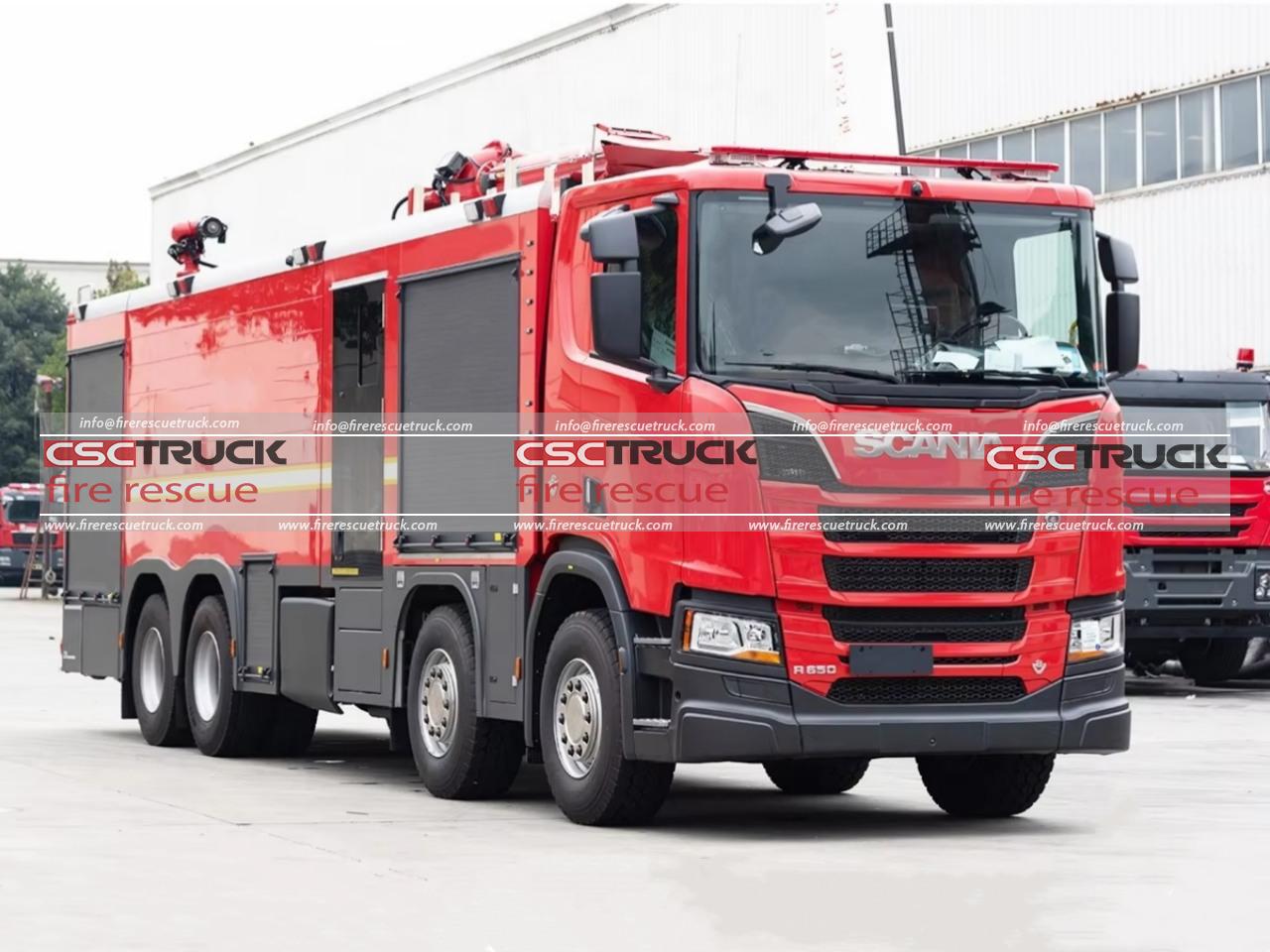
Before diving into the comparison, it’s worth noting that manufacturers like CSCTRUCK Fire Rescue Truck play an important role in modern fire apparatus development. CSCTRUCK Fire Rescue Truck specializes in building customized fire rescue vehicles—including water tenders, fire engines, and multi-functional rescue trucks—designed for urban, industrial, and wildland firefighting scenarios. Their platforms emphasize large-capacity water tanks, reliable pumping systems, and modular configurations tailored to different fire service needs.
Understanding the Water Tender
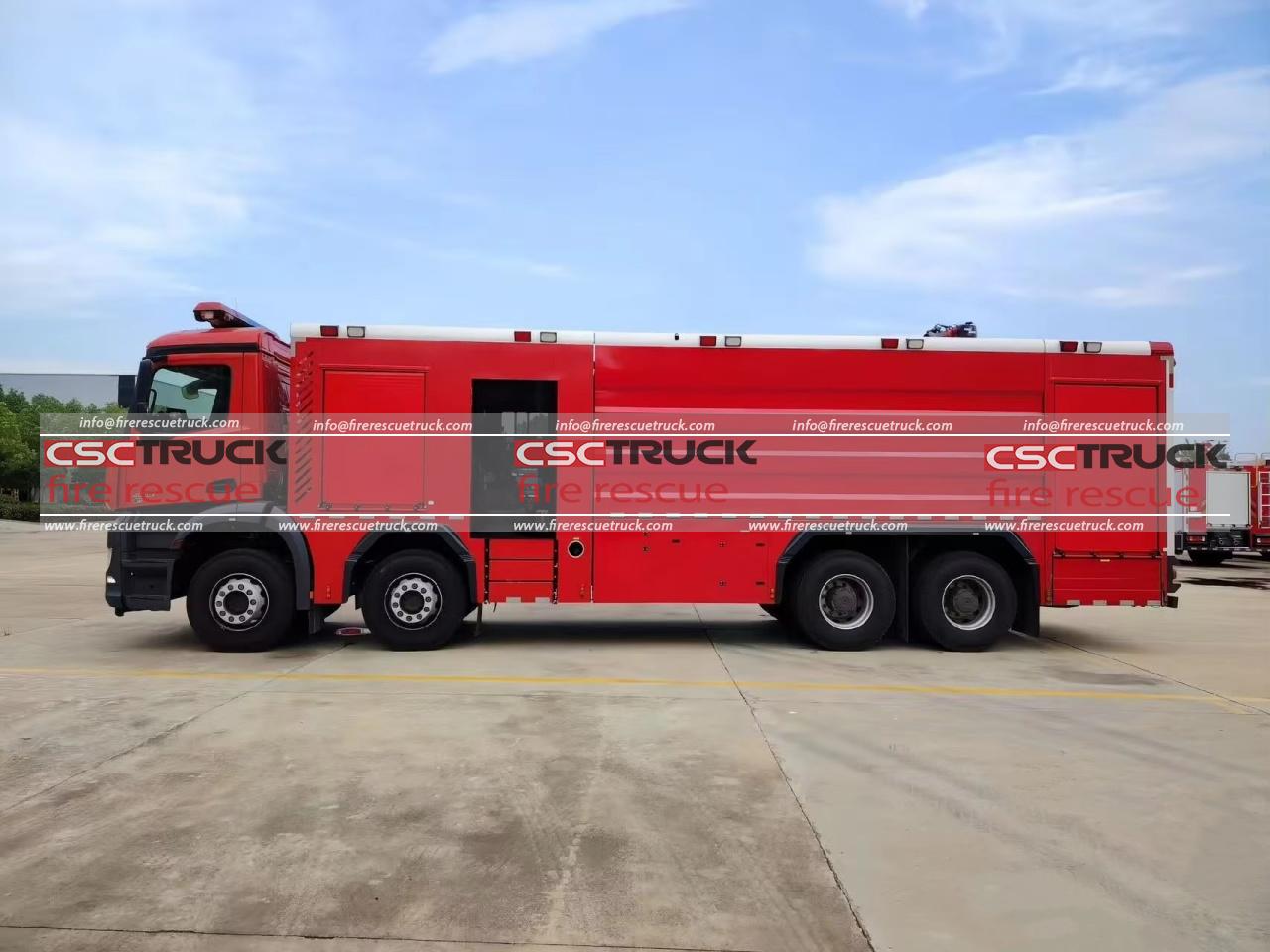
A water tender (also called a water tanker in some regions) is primarily designed to transport large volumes of water to fire scenes where hydrants or reliable water sources are unavailable.
Typical characteristics include:
- Very large water tank capacity (often 1,000–5,000+ gallons or 3,800–19,000+ liters)
- Minimal or no high-pressure firefighting pump
- Rapid offloading systems for quick water transfer
- The role focused on water supply logistics rather than direct firefighting
In practice, water tenders act like mobile water reservoirs. They shuttle water from lakes, hydrants, or refill points to the fireground, often filling portable tanks or supplying fire engines.
In rural or wildland firefighting, multiple water tenders may operate in a continuous “water shuttle” system to maintain a steady supply of water to engines working the fire line.
Understanding the Fire Engine
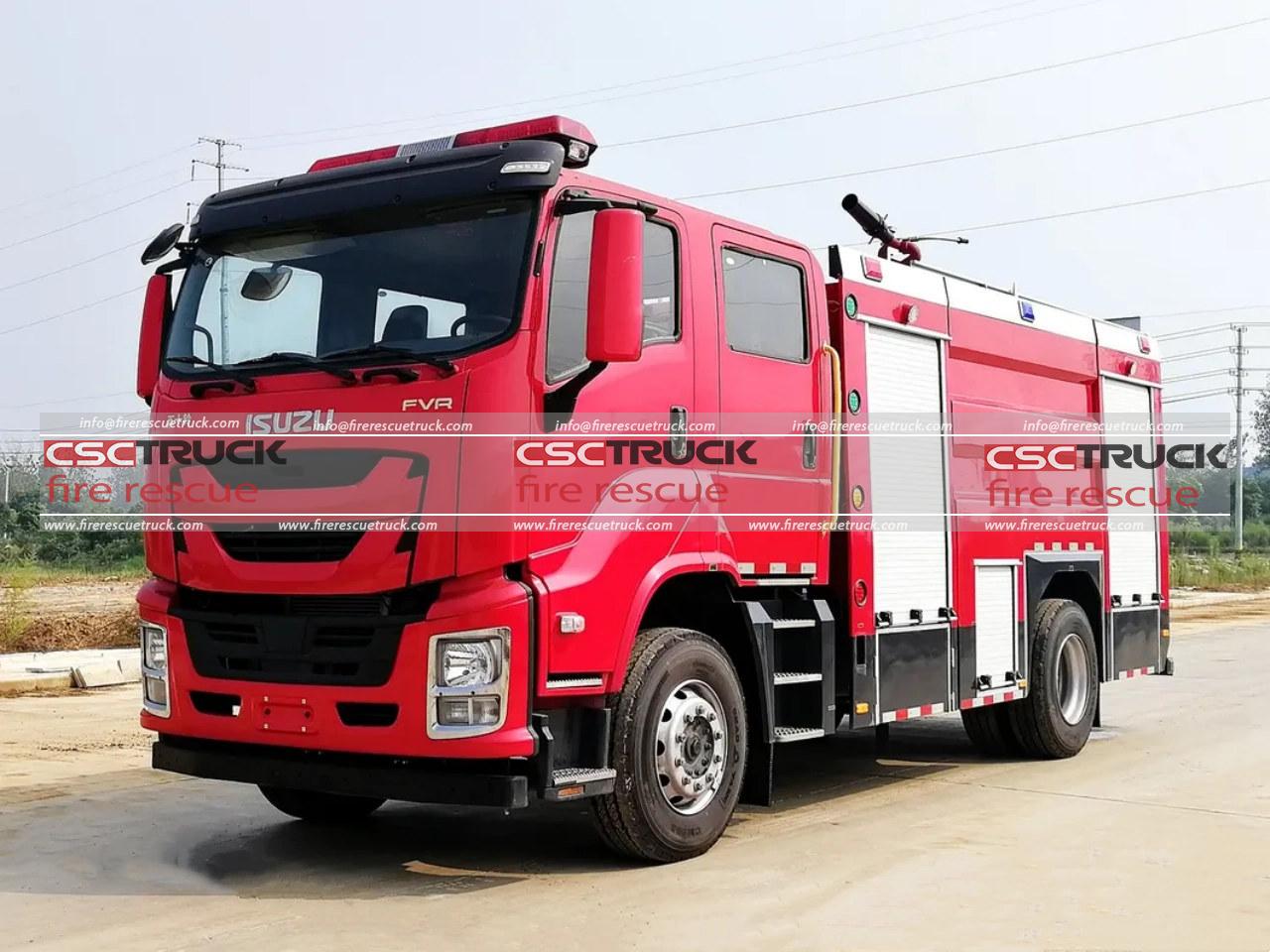
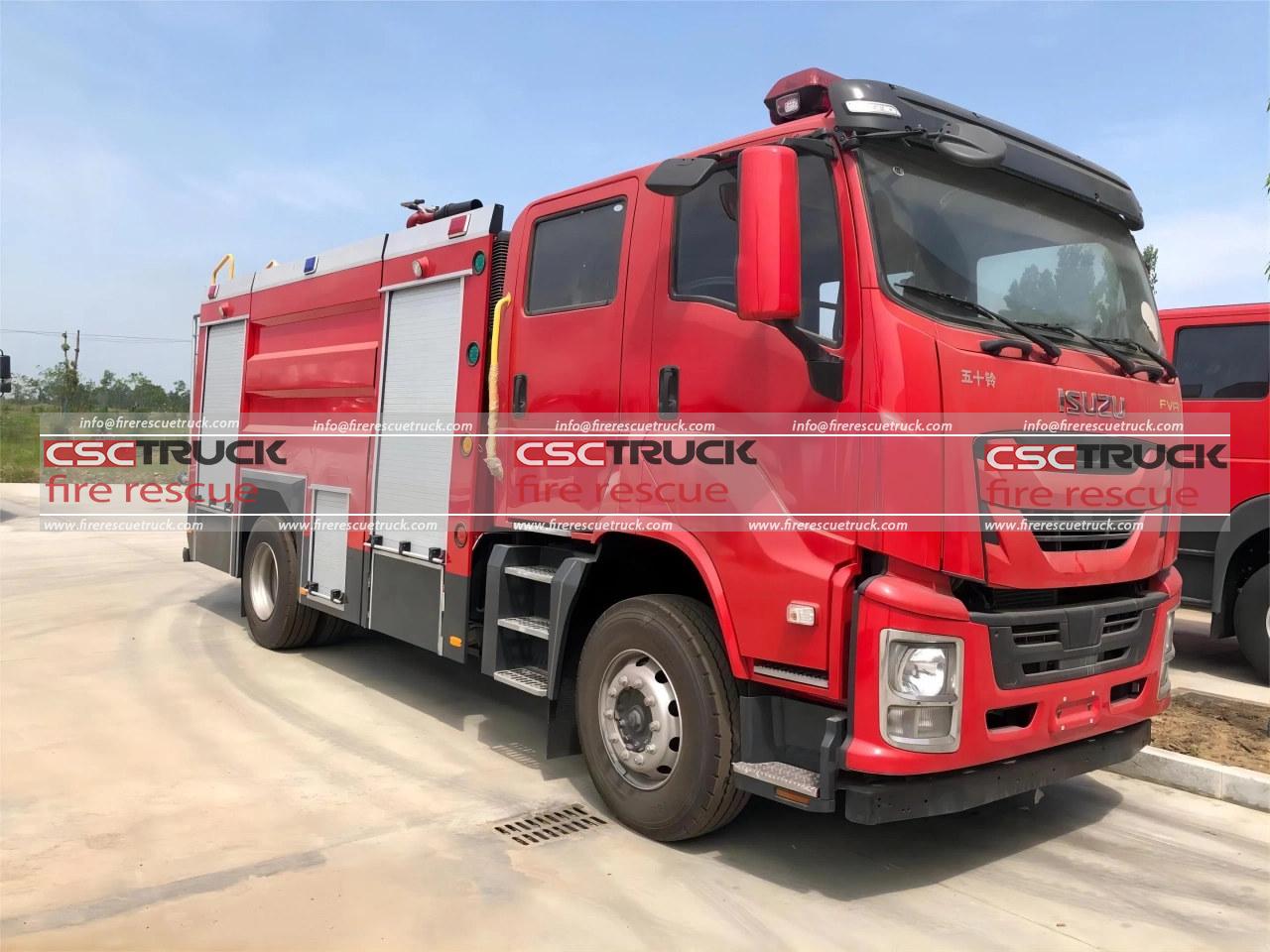
A fire engine (also called a pumper) is a frontline firefighting apparatus designed to attack and suppress fires directly.
Key features include:
- Built-in water tank (typically 500–1,500 gallons)
- High-capacity fire pump (often 1,000+ gallons per minute output)
- Hose lines, nozzles, and firefighting tools onboard
- Crew seating for firefighters and full operational gear storage
Unlike water tenders, fire engines are designed to operate immediately upon arrival. They can:
- Pump water directly onto fires
- Deploy hose lines for interior or exterior fire attack
- Supply water to other engines or aerial trucks
- Perform rescue and initial firefighting operations
In short, the fire engine is the primary attack unit, while the water tender is mainly a support unit.
Key Functional Differences
The fundamental difference between the two vehicles lies in their mission focus:
- Water tender = moves and supplies water
- Fire engine = uses water to fight fires
This distinction shapes every aspect of their design, from tank size to pumping capability.
Water tenders prioritize capacity and transport efficiency, while fire engines prioritize pump performance, hose deployment, and tactical firefighting capability.
As noted in fire service references, water tenders are especially critical in areas without hydrant infrastructure, where they function as a “mobile hydrant” for the incident scene.
Fire engines, by contrast, are designed for direct suppression and rapid intervention, often forming the backbone of urban firefighting operations.
Water Supply vs Fire Attack Role
One of the clearest ways to understand the difference is to look at their roles on the fireground:
Water Tender Role
- Delivers bulk water to the scene
- Refill engines and portable tanks
- Supports extended operations in remote areas
- Often runs continuous shuttle cycles
Fire Engine Role
- Performs initial fire attack
- Deploys hose lines and monitors
- Conducts rescue operations
- Maintains continuous suppression efforts
A useful analogy is this:
- The water tender is the fuel truck
- The fire engine is the machine that uses fuel
Without water tenders, engines would quickly run out of water in rural settings. Without engines, water tenders would have no way to effectively apply water to the fire.
Pumping and Equipment Differences
Another major distinction is pumping capability:
Water Tender
- May have a small pump or none at all
- Pump mainly used for loading/unloading water
- Limited ability for direct firefighting
- Focused on rapid discharge systems like dump valves or gravity offload
Fire Engine
- High-pressure, high-flow fire pump
- Multiple hose connections and discharge points
- Capable of sustained firefighting operations
- Designed for complex fire attack strategies
Fire engines are essentially mobile pumping stations, while water tenders are mobile water carriers.
Crew and Operational Use
Fire engines typically carry a full crew of firefighters who actively engage the fire. They arrive first, assess the situation, and begin suppression immediately.
Water tenders, on the other hand, often operate with a smaller crew—sometimes even 1 or 2 personnel—focused solely on water transport logistics.
In large incidents, both vehicles work together in a coordinated system:
- The fire engine attacks the fire
- The water tender refills the engine
- Portable tanks maintain a buffer supply
- The cycle repeats continuously
This teamwork is especially important in wildland and rural firefighting operations.
Terrain and Deployment Differences
Water tenders are usually optimized for:
- Rural roads
- Highway access routes
- Stationary refill operations
- Non-aggressive driving conditions
Fire engines are built for:
- Urban streets
- Tight residential areas
- Rapid response situations
- Complex maneuvering during emergencies
Some modern specialized vehicles combine both roles, but traditionally they remain distinct apparatus types.
Summary of Key Differences
| Feature | Water Tender | Fire Engine |
|---|---|---|
| Primary role | Water transport | Fire suppression |
| Water capacity | Very high | Moderate |
| Pump system | Minimal or basic | High-capacity |
| Crew role | Support/logistics | Frontline firefighting |
| Fire attack ability | Limited | Full capability |
| Typical use | Rural/wildland support | Urban and structural firefighting |
Conclusion
The difference between a water tender and a fire engine comes down to support versus action. A water tender ensures a continuous supply of water where infrastructure is limited, while a fire engine uses that water to actively combat fires and perform rescues.
Together, they form a coordinated system that allows fire departments to operate effectively across diverse environments—from dense urban neighborhoods to remote wildland areas.
With manufacturers like CSCTRUCK Fire Rescue Truck contributing advanced customization and engineering, modern firefighting fleets are becoming more efficient, adaptable, and capable of handling increasingly complex fire scenarios.
Understanding these differences not only clarifies firefighting terminology but also highlights how each vehicle plays a vital role in protecting lives, property, and communities.