
Introduction
Water tender fire trucks play a critical role in firefighting operations where a reliable and immediate water supply is not readily available. While they are traditionally associated with rural firefighting and wildland fire suppression, many industrial facilities and mining operations are increasingly considering water tender fire trucks as part of their emergency response fleets. The question is: Are water tender fire trucks suitable for industrial firefighting or mining areas?
The answer is yes. When properly configured, water tender fire trucks can provide significant advantages in industrial plants, oil and gas facilities, chemical processing sites, manufacturing complexes, power stations, and mining operations. Their large water-carrying capacity, mobility, and ability to support fire engines make them valuable assets in environments where fire risks are high and water infrastructure may be limited.
As a leading manufacturer of specialized firefighting vehicles, CSCTRUCK Fire Rescue Truck offers a wide range of customized fire apparatus, including water tenders, foam fire trucks, rescue vehicles, airport fire trucks, and industrial firefighting units designed for demanding emergency response scenarios. The company provides customizable solutions for municipal, industrial, airport, and mining applications worldwide.
Understanding the Role of a Water Tender Fire Truck
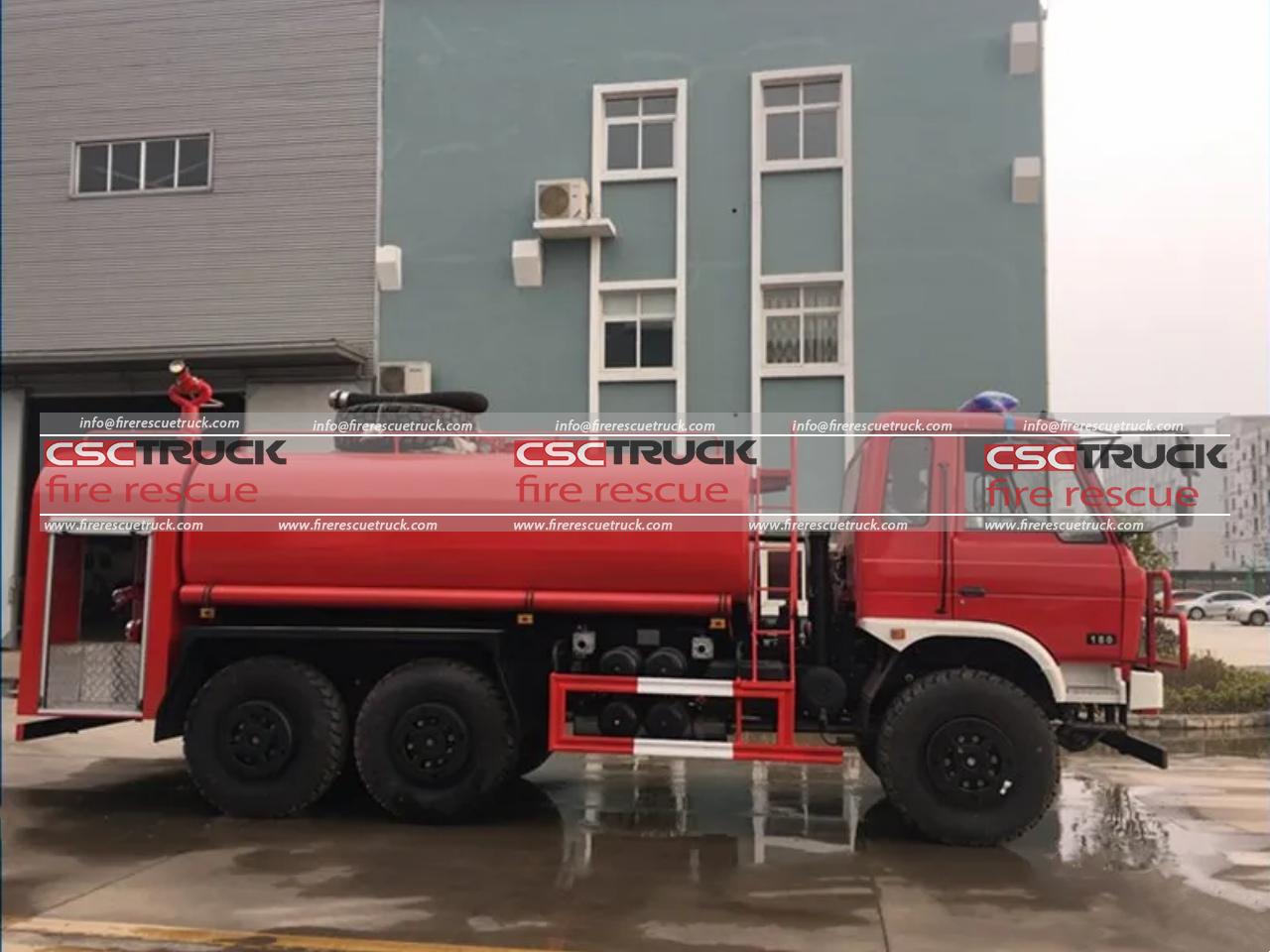
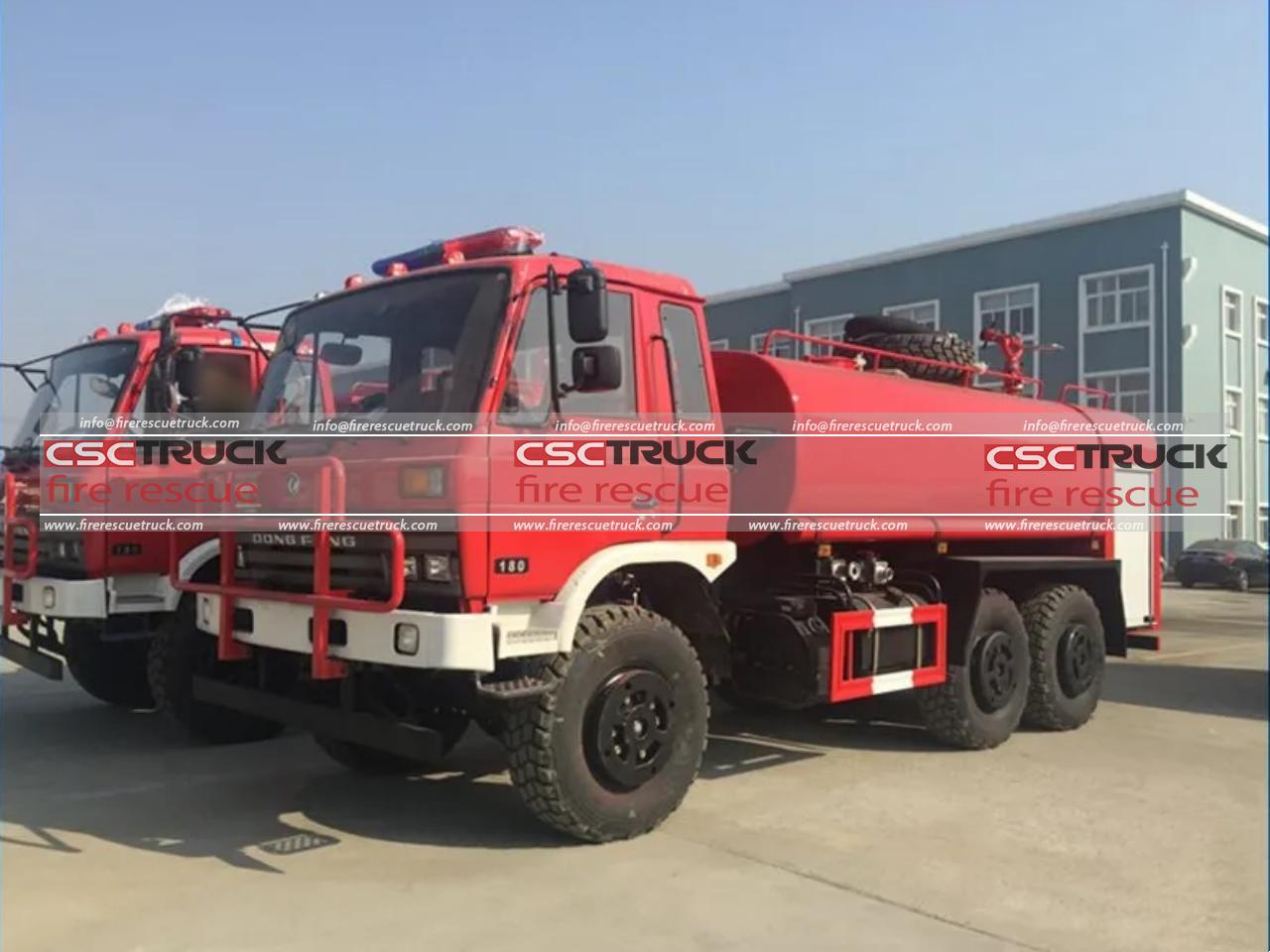
A water tender, also known as a water tanker fire truck, is primarily designed to transport large quantities of water to fire scenes. Unlike standard fire engines that focus on pumping and firefighting operations, water tenders emphasize water storage and supply.
Typical water tender capacities range from 2,000 to over 20,000 liters, depending on chassis size and operational requirements. Many units are also equipped with pumps, hose reels, monitors, and drafting systems to enhance firefighting capabilities.
In industrial and mining environments, maintaining a continuous water supply can be a major challenge, especially in remote locations. This is where water tenders become extremely valuable.
Why Industrial Facilities Need Water Tender Fire Trucks
Industrial sites often contain combustible materials, flammable liquids, hazardous chemicals, electrical equipment, and large-scale machinery. Fire incidents in these facilities can escalate rapidly if sufficient firefighting resources are unavailable.
A water tender provides several advantages:
1. Large Water Supply
Industrial fires often require substantial amounts of water for cooling operations and fire suppression. A water tender can transport thousands of liters of water directly to the incident scene, ensuring firefighters have immediate access to a critical resource.
This is particularly important in facilities where hydrant systems may not cover every operational area or where infrastructure could be damaged during an emergency.
2. Support for Fire Engines
Even industrial fire engines can quickly exhaust onboard water tanks during major incidents. Water tenders act as mobile reservoirs, continuously replenishing fire engines and extending firefighting operations without interruption.
3. Emergency Water Backup
Many industrial facilities rely on fixed water tanks and hydrant networks. However, mechanical failures, power outages, earthquakes, or pipeline damage can compromise these systems.
A water tender provides a reliable backup source of firefighting water, improving overall emergency preparedness.
4. Enhanced Operational Flexibility
Industrial complexes often cover large areas with multiple production zones. Water tenders can quickly relocate to support different sections of a facility, providing flexible fire protection where it is needed most.
Water Tender Applications in Mining Areas
Mining operations present unique firefighting challenges. Many mines are located in remote regions with limited infrastructure and difficult terrain. Water tenders are often among the most important emergency vehicles in mining fleets.
1. Remote Location Support
Open-pit mines, quarry operations, and mineral extraction sites are frequently situated far from municipal water supplies. Water tenders can transport large volumes of water directly to work zones and emergency scenes.
2. Heavy Equipment Fire Protection
Mining machinery such as haul trucks, loaders, excavators, drills, and crushers operate under extreme conditions. Engine fires, hydraulic fluid leaks, and electrical failures can ignite rapidly.
Water tenders can respond quickly to suppress equipment fires and prevent them from spreading to surrounding assets.
3. Dust Suppression and Fire Prevention
In addition to emergency response, many mining companies utilize water tenders for dust control. Regular dust suppression reduces airborne particles and lowers the risk of ignition from hot equipment or sparks.
4. Wildland and Vegetation Fire Response
Many mining sites are surrounded by forests, grasslands, or remote vegetation. During dry seasons, equipment-generated sparks can ignite wildfires.
Water tenders equipped with off-road capabilities provide an effective first-response solution for vegetation fires near mining operations.
Key Features Required for Industrial and Mining Applications
Not all water tenders are equally suitable for industrial or mining environments. Certain features significantly improve operational effectiveness.
High-Capacity Water Tanks
Large-capacity tanks reduce the frequency of refill trips and provide sustained firefighting support during major incidents.
Foam Firefighting Systems
Many industrial fires involve flammable liquids such as fuel, oil, solvents, or chemicals. Water alone may not be sufficient.
Modern water tenders can be equipped with foam tanks and foam proportioning systems, enabling effective suppression of Class B fires commonly found in refineries, fuel depots, and chemical plants. CSCTRUCK Fire Rescue Truck also manufactures specialized foam fire trucks and combined firefighting systems for industrial applications.
High-Performance Fire Pumps
Integrated fire pumps allow water tenders to operate independently when necessary. Pumps can supply attack lines, monitors, or relay water to other firefighting apparatus.
Off-Road Chassis
Mining operations often require vehicles capable of navigating rough terrain.
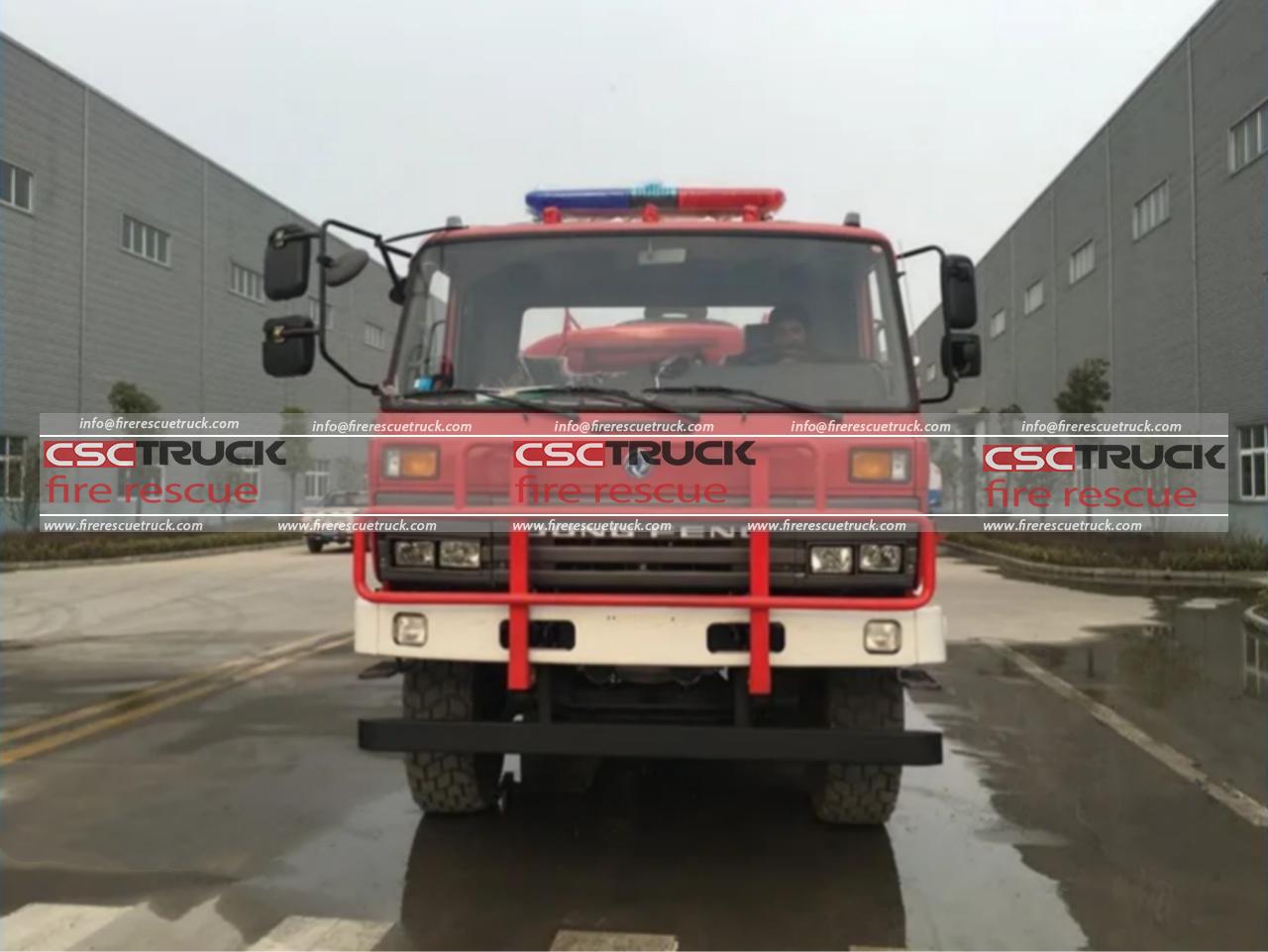
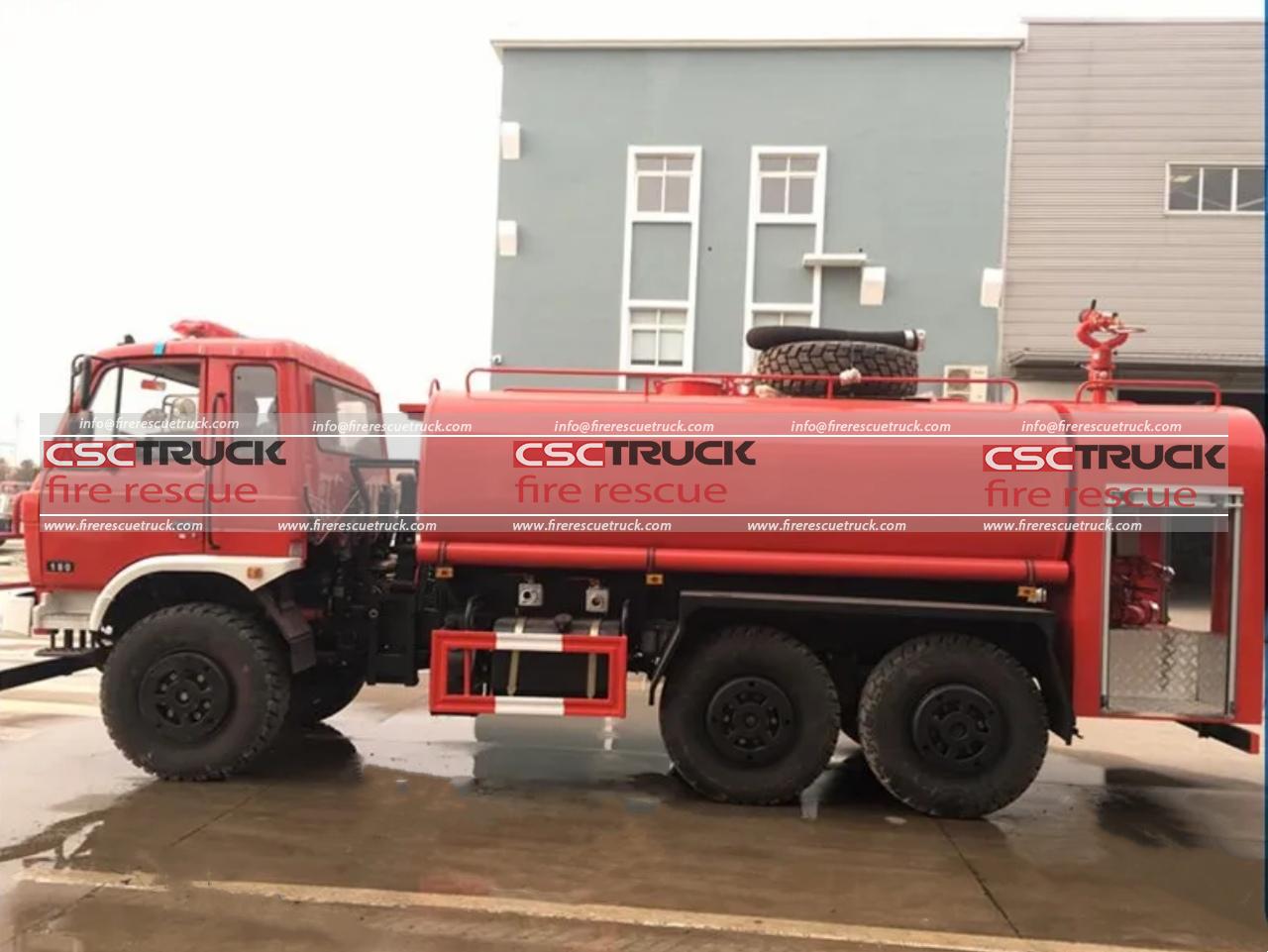
Many modern water tenders utilize 4×4, 6×6, or even 8×8 chassis configurations that provide excellent traction and mobility in challenging environments. Off-road fire truck configurations are especially beneficial for mines, forestry operations, and remote industrial facilities.
Corrosion-Resistant Construction
Industrial environments frequently expose vehicles to chemicals, dust, moisture, and harsh weather conditions. Stainless steel tanks and corrosion-resistant body materials improve vehicle longevity and reliability.
Limitations to Consider
While water tenders offer many benefits, they are not intended to replace dedicated industrial fire engines.
Potential limitations include:
- Lower firefighting equipment capacity compared to specialized industrial fire trucks.
- Reduced foam agent storage on basic models.
- Slower maneuverability due to larger water loads.
- Dependence on refill sources during prolonged incidents.
For high-risk facilities, water tenders are most effective when integrated into a broader emergency response fleet that may include foam fire trucks, rescue vehicles, hazardous materials units, and industrial pumpers.
Why CSCTRUCK Fire Rescue Truck Water Tenders Are Suitable for Industrial and Mining Use
CSCTRUCK Fire Rescue Truck offers customizable water tender solutions specifically designed for demanding operational environments. The company provides various chassis options, tank capacities, pump configurations, and foam systems to meet customer requirements. Their product lineup includes water tenders, foam tenders, rescue trucks, airport firefighting vehicles, and specialized industrial firefighting apparatus.
Customers can select:
- Water tank capacities tailored to site requirements.
- Foam proportioning systems for industrial fire hazards.
- High-pressure or standard-pressure fire pumps.
- Off-road 4×4 and 6×6 chassis platforms.
- Customized equipment compartments and rescue tools.
- Advanced communication and firefighting technologies.
These customization options allow mining companies, industrial plants, petrochemical facilities, and energy producers to deploy fire trucks specifically designed for their operational risks.
Conclusion
Water tender fire trucks are highly suitable for industrial firefighting and mining areas, especially where large water reserves, remote operations, and flexible emergency response capabilities are required. Their ability to transport substantial quantities of water, support firefighting operations, and operate in challenging environments makes them invaluable assets for industrial safety programs.
For maximum effectiveness, organizations should choose water tenders equipped with appropriate pumps, foam systems, off-road capabilities, and tank capacities tailored to their specific hazards. With customized solutions available from manufacturers such as CSCTRUCK Fire Rescue Truck, industrial facilities and mining operators can significantly enhance their fire protection and emergency response capabilities while improving overall operational safety.