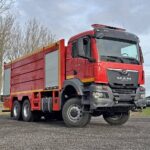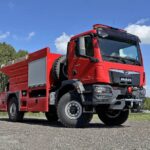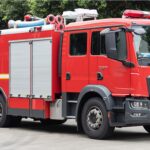

Water tender fire trucks, also known as water tankers in many regions, are among the most important apparatus in modern firefighting operations. They are primarily designed to transport large quantities of water to fire scenes where hydrants or fixed water sources are unavailable. However, many fire departments and emergency response organizations often ask a critical question: Can a water tender fire truck function as a pumping fire engine, or is it limited to being a water supply vehicle?
The answer is that modern water tenders can often perform both roles, depending on their design, equipment, and pump specifications. While some water tenders are built exclusively for water transport, many contemporary models are equipped with powerful fire pumps, hose systems, and firefighting equipment that enable them to operate similarly to conventional pumping fire engines. Understanding the differences can help fire departments select the most suitable apparatus for their operational requirements.
Introduction to CSCTRUCK Fire Rescue Truck
Among the leading manufacturers of firefighting vehicles, CSCTRUCK Fire Rescue Truck has established a strong reputation for producing customized fire apparatus for municipal, industrial, airport, and wildland firefighting applications. The company offers a diverse range of vehicles, including water tank fire trucks, foam tenders, rescue trucks, ARFF vehicles, and specialized emergency response units. Many of its water tender models can be configured with high-capacity pumps, foam systems, and advanced firefighting technologies tailored to customer requirements.

What Is a Water Tender Fire Truck?
A water tender is a firefighting vehicle designed primarily to transport water to locations where a municipal water supply is unavailable or insufficient. These trucks typically carry:
- Large onboard water tanks
- Water transfer equipment
- Portable tanks for shuttle operations
- Hose storage compartments
- Optional fire pumps and monitors
Tank capacities commonly range from 2,000 liters to more than 20,000 liters, depending on the chassis and operational purpose. Water tenders are especially valuable in:
- Rural firefighting
- Wildland fire suppression
- Industrial facilities
- Remote communities
- Disaster response operations
Their main mission is to ensure a continuous water supply to firefighting crews operating at the incident scene.
Traditional Water Tender vs. Pumping Water Tender
Not all water tenders are built the same.
Traditional Water Tender
A traditional water tender focuses almost entirely on water transportation. It may have only a small auxiliary pump used for tank filling and unloading.
Characteristics include:
- Large water tank
- Minimal firefighting equipment
- Limited hose storage
- Basic transfer pump
- Primarily logistical support role
In this configuration, the vehicle cannot effectively replace a fire engine.
Pumping Water Tender
A pumping water tender combines water transport and active firefighting capabilities.
Typical features include:
- High-capacity fire pump
- Pump control panel
- Hose reels and attack lines
- Water monitor or deck gun
- Foam proportioning system (optional)
- Firefighting equipment compartments
These vehicles can perform direct fire suppression while simultaneously supplying water to other apparatus.

How Powerful Are Water Tender Pumps?
The capability of a water tender to operate as a pumping fire engine depends largely on its pump system.
Modern water tenders may be equipped with:
| Pump Type | Typical Capacity |
|---|---|
| Auxiliary Transfer Pump | 250–500 GPM |
| Mid-Range Fire Pump | 500–1,000 GPM |
| Full Fire Engine Pump | 1,000–2,000+ GPM |
(GPM = Gallons Per Minute)
Many manufacturers now offer water tenders with pumps equivalent to those found on municipal fire engines. Some specialized models can deliver over 1,500 GPM while maintaining substantial water-carrying capacity. Advanced fire trucks from manufacturers such as CSCTRUCK Fire Rescue Truck can be configured with high-performance pumping systems and foam technologies suitable for both structural and industrial firefighting applications.
Situations Where a Water Tender Functions as a Fire Engine
1. Rural Firefighting
In rural communities, budget limitations often make it impractical to maintain separate pumpers and water tenders.
A pumping tender can:
- Arrive first on scene
- Begin suppression immediately
- Supply attack lines
- Support arriving units
This dual-purpose capability makes it highly cost-effective.
2. Wildland Fire Operations
Wildland and brush fires frequently occur far from hydrants.
A pumping tender can:
- Deliver water directly onto the fire
- Operate roof-mounted monitors
- Supply handlines
- Support mobile attack operations
Many off-road 4×4 and 6×6 firefighting vehicles are designed specifically for this purpose.
3. Industrial Facilities
Industrial sites often require apparatus capable of:
- Water transport
- Foam deployment
- Fire suppression
A pumping water tender equipped with foam systems can address fuel fires, chemical incidents, and industrial emergencies without requiring additional apparatus.
4. Emergency Backup Pumper
If a primary fire engine becomes unavailable, a pumping tender can temporarily assume engine duties by supplying attack lines and pumping operations.

Advantages of Pumping Water Tenders
Reduced Fleet Costs
A single apparatus can perform multiple functions:
- Water transport
- Fire suppression
- Rural response
- Emergency backup
This reduces capital investment and maintenance expenses.
Greater Operational Flexibility
Fire departments gain:
- Additional pumping capacity
- Larger water reserves
- Improved response options
The vehicle can adapt to various incident types.
Enhanced Rural Protection
Many rural departments depend heavily on tanker shuttle operations. A pumping tender can simultaneously supply water and attack the fire, improving overall effectiveness.
Faster Initial Attack
Instead of waiting for a dedicated engine to arrive, firefighters can immediately begin suppression efforts using the tender’s onboard pump and water supply.
Limitations Compared to Dedicated Fire Engines
Despite their versatility, pumping water tenders still have some limitations.
Reduced Equipment Storage
Because much of the vehicle is occupied by the water tank, there is typically less space for:
- Rescue tools
- Medical equipment
- Specialized firefighting gear
Larger Vehicle Size
Water tenders are often heavier and longer than conventional pumpers.
This may affect:
- Maneuverability
- Urban response
- Access to tight streets
Crew Capacity
Many tenders accommodate fewer firefighters than dedicated municipal fire engines.
Water Consumption
When operating as a pumper, onboard water can be depleted quickly if no refill source is available.

Choosing the Right Configuration
When selecting a water tender, fire departments should evaluate:
Water Capacity
Determine required tank size based on local water availability.
Pump Performance
Consider:
- Flow rate requirements
- Structural firefighting needs
- Wildland applications
Foam Capability
Foam systems may be essential for:
- Airport operations
- Fuel storage facilities
- Industrial plants
Terrain Requirements
Departments operating in remote areas may benefit from:
- 4×4 drivetrains
- 6×6 configurations
- High ground clearance
Manufacturers such as CSCTRUCK Fire Rescue Truck offer customizable water tender solutions with varying tank capacities, pump outputs, chassis options, and specialized firefighting equipment to meet these operational requirements.
Conclusion
A water tender fire truck is no longer limited to serving as a simple water supply vehicle. While traditional tenders focus primarily on transporting water, many modern models are equipped with powerful fire pumps, hose systems, foam equipment, and monitors that allow them to operate effectively as pumping fire engines.
For rural, wildland, industrial, and remote firefighting operations, a pumping water tender can provide the best of both worlds: Substantial water-carrying capacity and active fire suppression capability. By selecting the appropriate tank size, pump rating, and equipment package, fire departments can maximize operational efficiency while reducing fleet costs. Modern customizable solutions from manufacturers such as CSCTRUCK Fire Rescue Truck demonstrate how today’s water tenders have evolved into versatile, multi-role firefighting platforms capable of handling both water supply and frontline suppression duties.