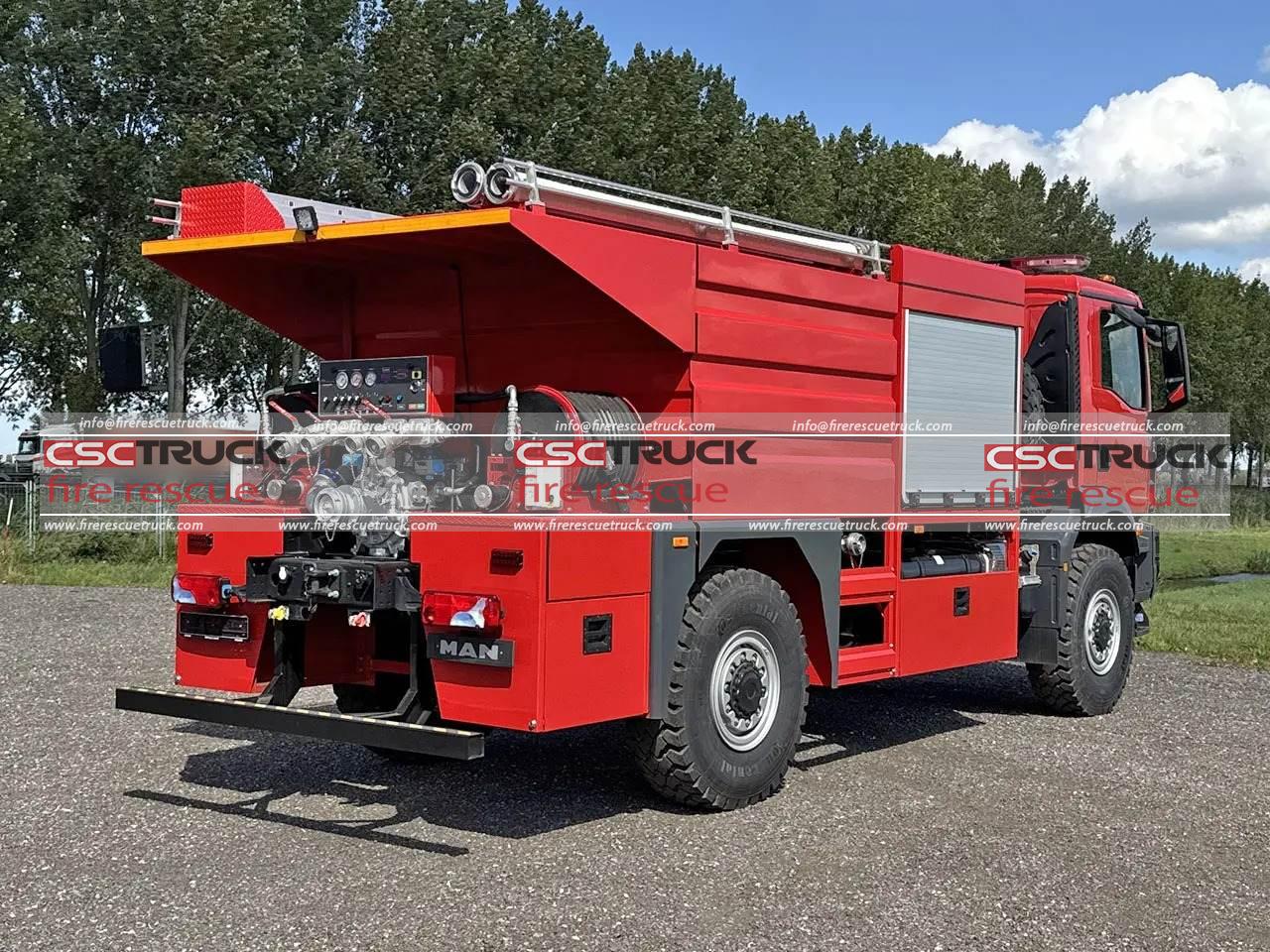
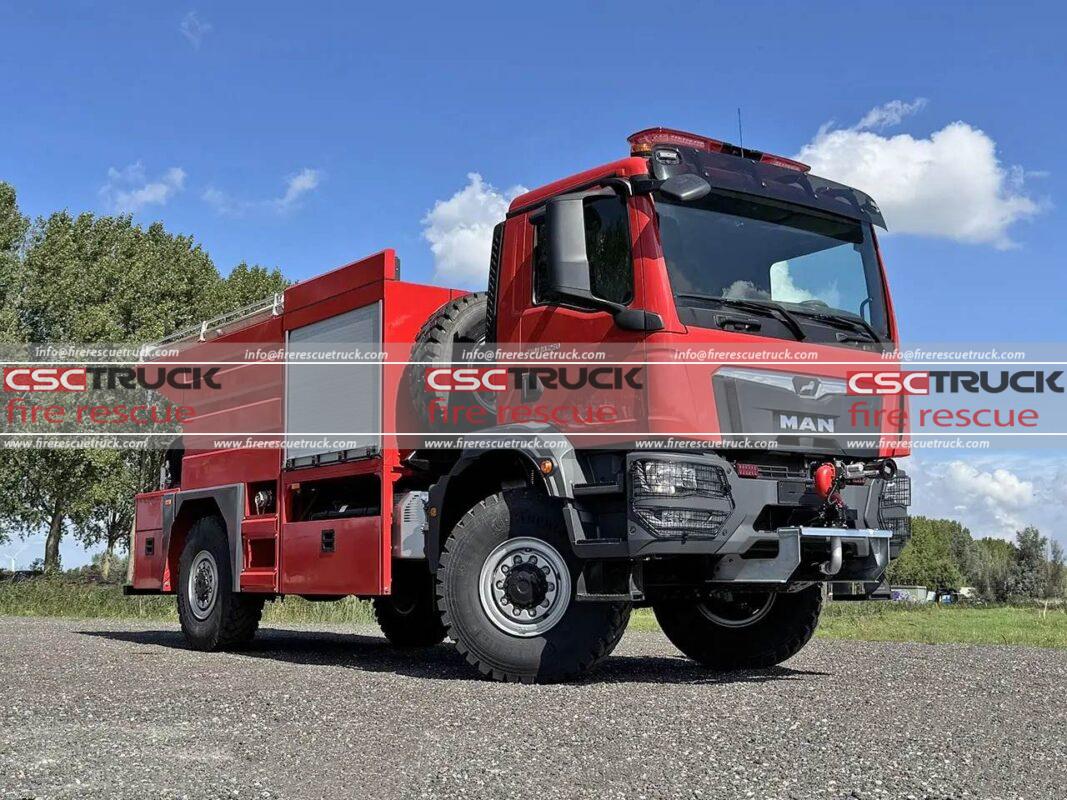
Firefighting operations require a wide range of specialized vehicles designed to handle different emergency scenarios. Among these vehicles, the water tender plays a critical role in ensuring a reliable water supply, particularly in rural, remote, and wildland firefighting situations where hydrants are unavailable or insufficient. Water tenders are essential support units that transport large volumes of water to fire scenes, helping firefighters maintain effective suppression efforts and protect lives and property.
Introduction to CSCTRUCK Fire Rescue Truck
CSCTRUCK Fire Rescue Truck is a well-known manufacturer of specialized firefighting and emergency response vehicles. The company’s Fire Rescue Truck division offers a comprehensive range of fire apparatus, including water tender fire trucks, pumper trucks, aerial ladder trucks, foam fire engines, rescue vehicles, and airport firefighting equipment. With advanced manufacturing capabilities and customizable designs, CSCTRUCK Fire Rescue Truck provides firefighting solutions for municipal fire departments, industrial facilities, airports, military bases, and wildland firefighting agencies worldwide.
CSCTRUCK Fire Rescue Truck water tender fire trucks are designed with durable chassis options, high-capacity water tanks, efficient pumping systems, and modern safety features. These vehicles can be customized to meet the specific operational requirements of different firefighting organizations, making them valuable assets in both urban and rural emergency response operations.
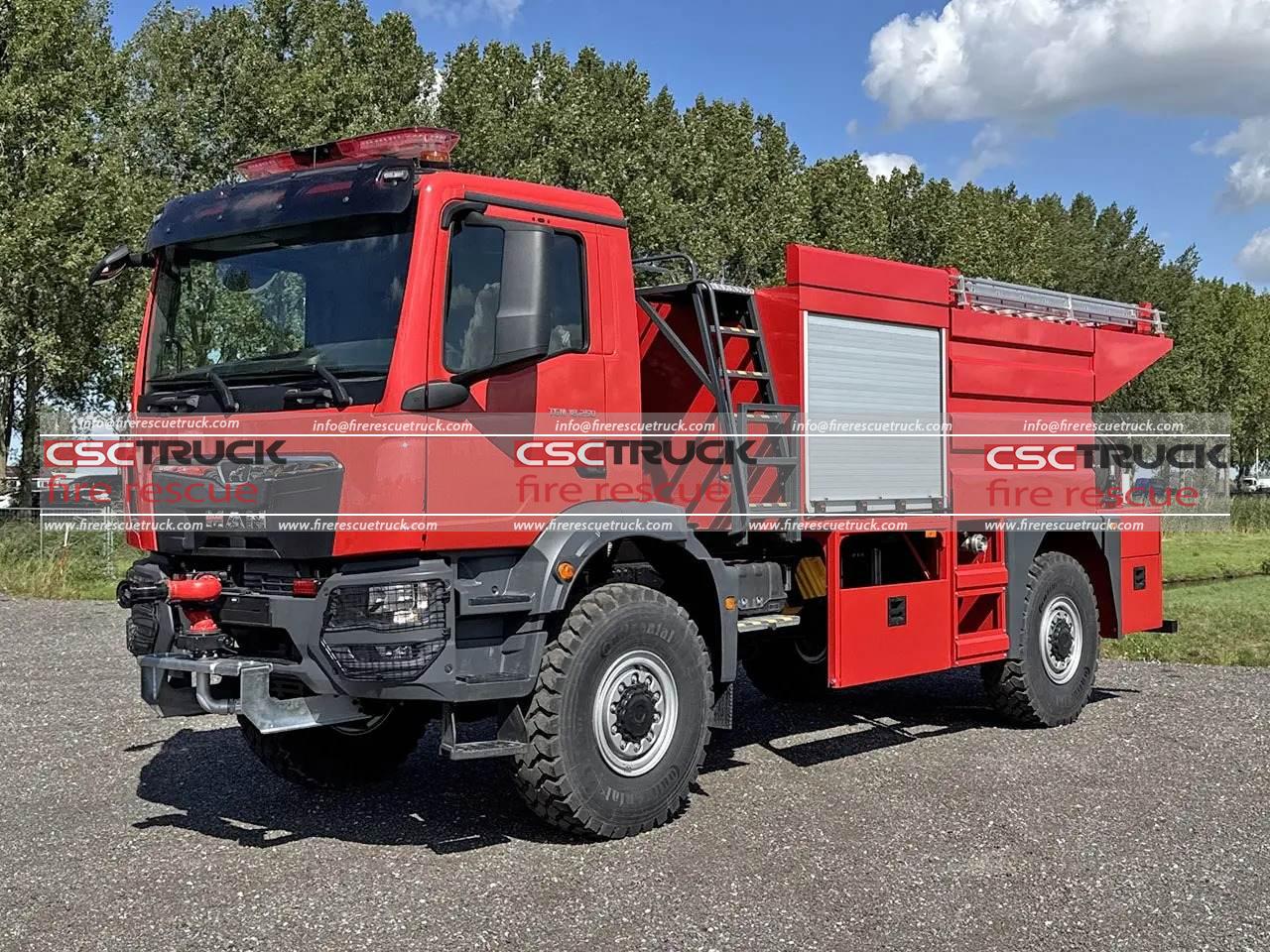
Understanding the Water Tender
A water tender, sometimes referred to as a water tanker, is a firefighting vehicle specifically designed to transport large quantities of water to emergency scenes. Unlike traditional fire engines that focus on pumping and firefighting operations, water tenders primarily serve as mobile water supply units.
The main purpose of a water tender is to provide a continuous source of water when local hydrants are unavailable, damaged, or incapable of supplying sufficient flow rates. Water tenders are especially important in rural communities, agricultural regions, forests, and remote industrial facilities.
Water tenders often work alongside pumper trucks, which use the water delivered by the tender to combat fires effectively.
Key Components of a Water Tender
1. Large Water Tank
The defining feature of a water tender is its large-capacity water tank. Depending on the vehicle’s size and intended application, tank capacities typically range from:
- 1,000 gallons (3,785 liters)
- 2,000 gallons (7,570 liters)
- 3,000 gallons (11,355 liters)
- 5,000 gallons (18,925 liters)
- More than 6,000 gallons (22,710 liters) for specialized applications
The tank is usually constructed from stainless steel, polypropylene, or reinforced materials to ensure durability and corrosion resistance.
2. Water Pump System
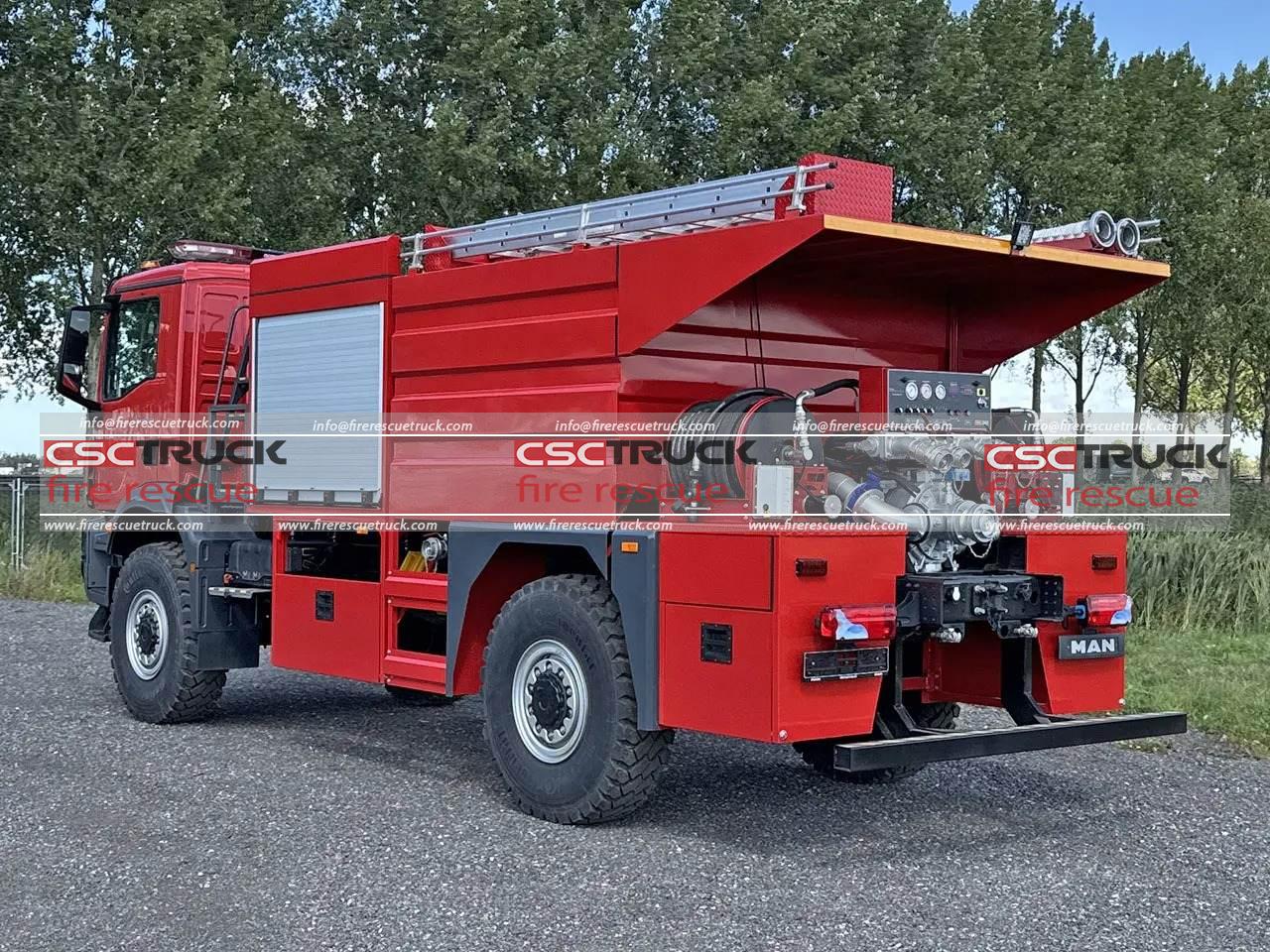
Although water tenders are primarily transport vehicles, most are equipped with pumps that allow water transfer and limited firefighting operations. Common pump capacities include:
- 500 GPM (gallons per minute)
- 750 GPM
- 1,000 GPM
- 1,250 GPM
These pumps enable quick water unloading and support direct firefighting when necessary.
3. Dump Valves
Modern water tenders feature rapid dump systems that allow water to be discharged into portable water tanks within minutes. Rear, side, or multiple dump valves can significantly reduce unloading times and improve operational efficiency.
4. Portable Water Tanks
Many water tenders carry collapsible portable tanks that can be deployed at the fire scene. These tanks serve as temporary reservoirs from which pumper trucks can draw water continuously.
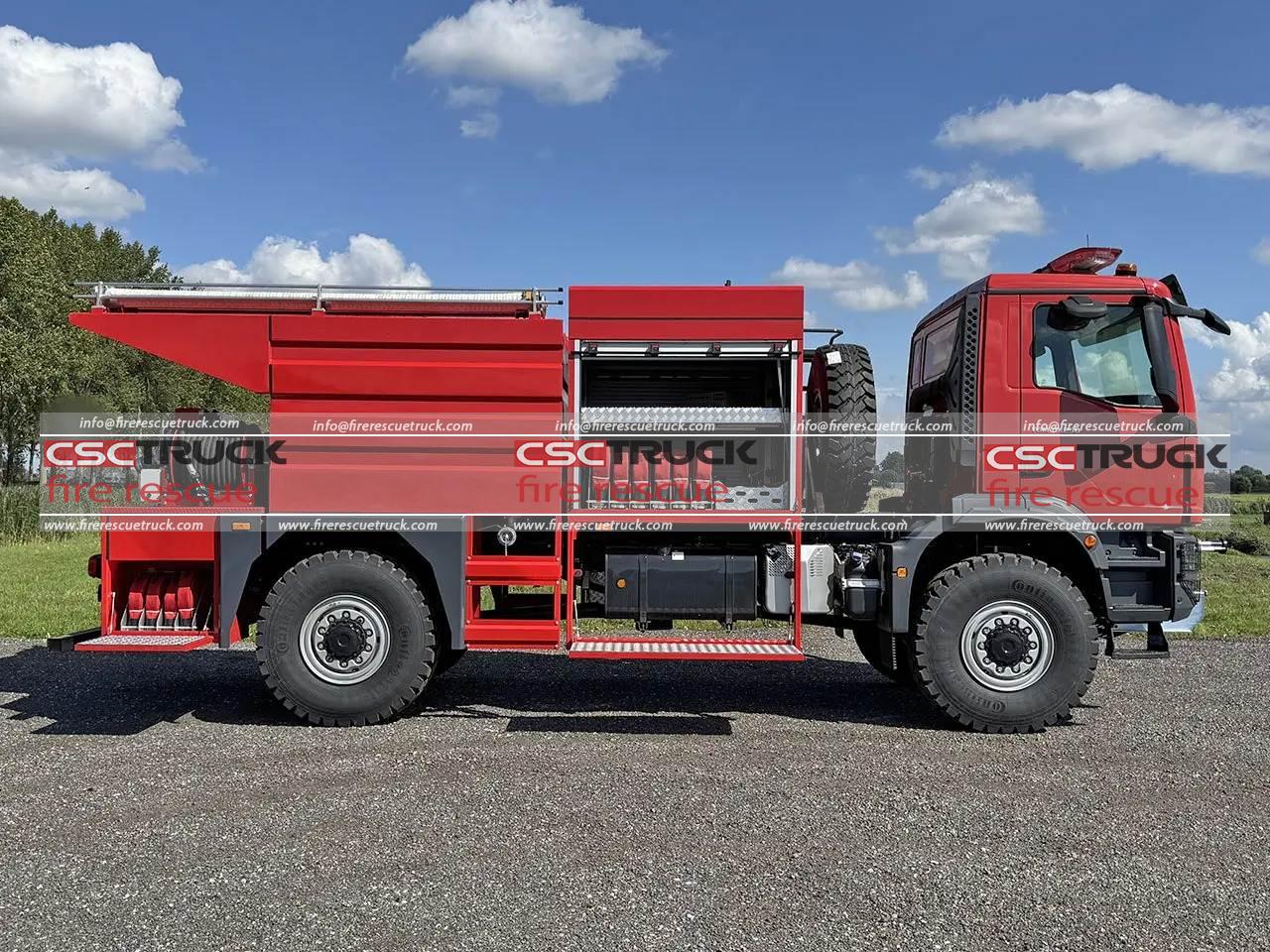
5. Hose Storage and Equipment Compartments
Water tenders often include compartments for:
- Fire hoses
- Suction hoses
- Nozzles
- Adapters
- Traffic control equipment
- Rescue tools
These storage areas increase the vehicle’s versatility and operational readiness.
Types of Water Tenders
Conventional Water Tender
This is the most common design, featuring a truck chassis with a large mounted water tank. It is suitable for municipal and rural firefighting operations.
Tractor-Trailer Water Tender
These units use semi-trailers equipped with large tanks that can transport extremely high volumes of water. They are commonly used in industrial and large-scale firefighting operations.
Off-Road Water Tender
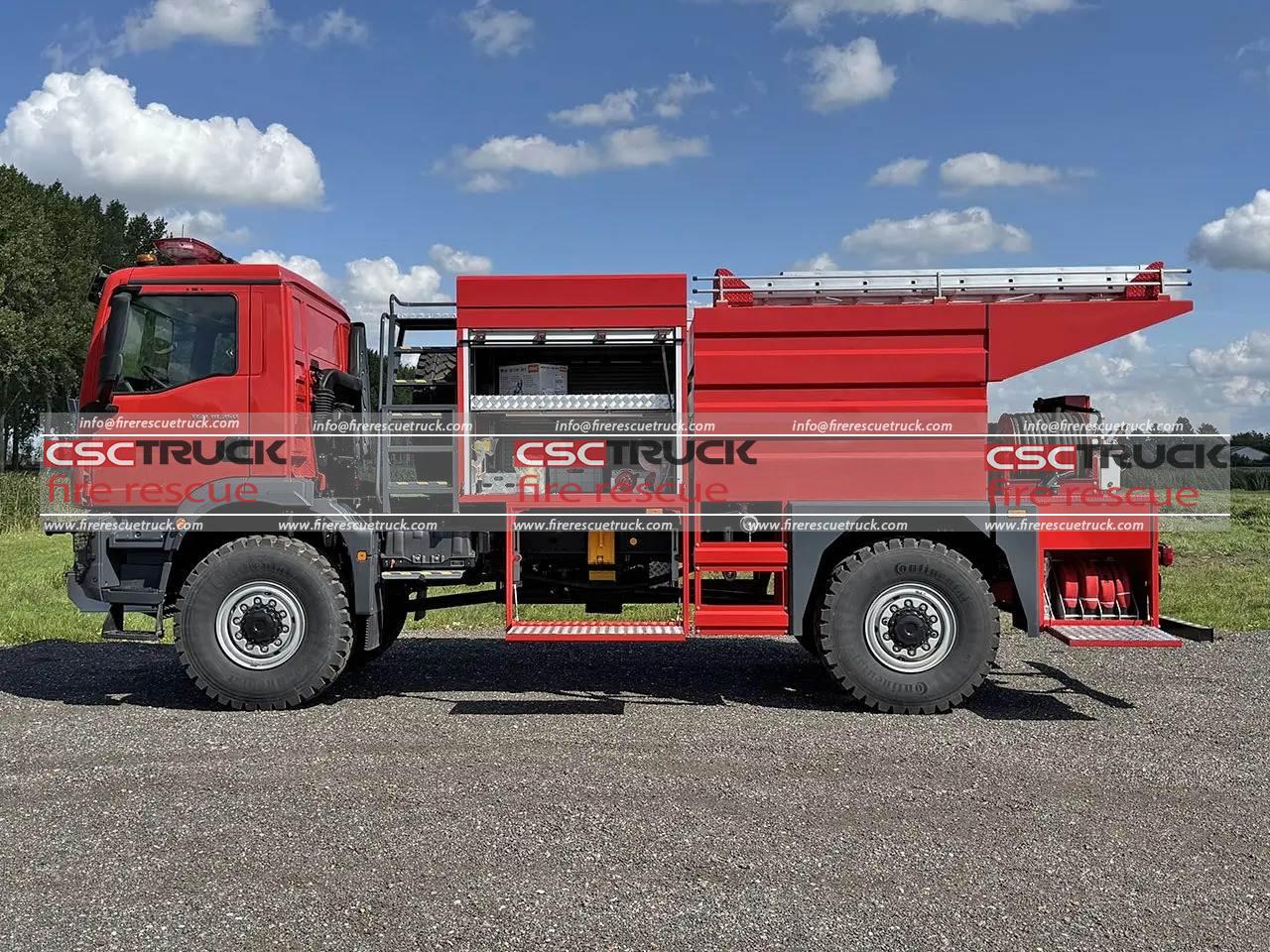
Built with all-wheel-drive systems and rugged suspension, off-road water tenders can access difficult terrain during wildland firefighting missions.
Mini Water Tender
Smaller units designed for narrow roads and remote areas. These vehicles are often used in mountainous regions and volunteer fire departments.
How Water Tenders Support Firefighting Operations
Rural Fire Protection
Many rural communities lack extensive hydrant networks. Water tenders transport water directly from fill sites to fire scenes, ensuring firefighters have sufficient resources to suppress fires effectively.
Wildland Firefighting
Forest and grassland fires often occur in remote locations far from municipal water systems. Water tenders provide crucial water support to brush trucks, wildland engines, and firefighting crews.
Water Shuttle Operations
One of the most important functions of a water tender is participating in water shuttle systems. In a shuttle operation:
- Water tenders fill at a designated source.
- They transport water to the incident scene.
- Water is unloaded into portable tanks.
- Pumpers draw water from these tanks.
- Tenders return for refilling.
This continuous cycle can maintain a reliable water supply even in areas without hydrants.
Industrial Fire Protection
Factories, refineries, warehouses, and mining facilities often rely on water tenders as backup water sources for emergency response operations.
Advantages of Water Tenders
Enhanced Water Availability
Water tenders ensure firefighters have access to sufficient water regardless of location.
Operational Flexibility
These vehicles can serve multiple roles, including water transport, limited suppression, and logistical support.
Cost-Effective Solution
Installing extensive hydrant systems in rural areas can be expensive. Water tenders provide a practical alternative for communities with limited infrastructure.
Improved Emergency Preparedness
By maintaining mobile water reserves, fire departments can respond more effectively to large-scale emergencies and natural disasters.
Factors to Consider When Selecting a Water Tender
When purchasing a water tender, fire departments should evaluate:
Tank Capacity
Larger tanks provide greater water reserves but may reduce maneuverability and increase vehicle weight.
Chassis Type
Departments should choose chassis configurations suitable for their operating environments, whether urban roads, rural highways, or off-road terrain.
Pump Performance
Pump capacity should match operational requirements and anticipated fire scenarios.
Safety Features
Modern water tenders often include:
- Electronic stability control
- Anti-lock braking systems
- Roll-over protection
- Backup cameras
- Advanced lighting systems
Maintenance Requirements
Reliable components and easy maintenance access help reduce downtime and long-term operating costs.
Future Trends in Water Tender Design
As firefighting technology continues to evolve, manufacturers are incorporating innovative features into water tenders, including:
- Lightweight composite tank materials
- Automated pump controls
- GPS fleet management systems
- Enhanced vehicle stability technologies
- Alternative fuel and electric-powered chassis
These advancements improve efficiency, safety, and environmental sustainability.
Conclusion
A water tender is one of the most important support vehicles in modern firefighting. By transporting large quantities of water to areas where hydrants are unavailable or insufficient, these specialized trucks ensure firefighters can maintain continuous suppression efforts during emergencies. Whether supporting rural fire departments, wildland firefighting teams, or industrial emergency response units, water tenders serve as critical lifelines in fire protection operations.
Manufacturers such as CSCTRUCK Fire Rescue Truck continue to develop advanced water tender solutions featuring high-capacity tanks, reliable pumping systems, customizable configurations, and modern safety technologies. As firefighting challenges become increasingly complex, water tenders will remain indispensable tools for protecting communities, infrastructure, and natural resources worldwide.