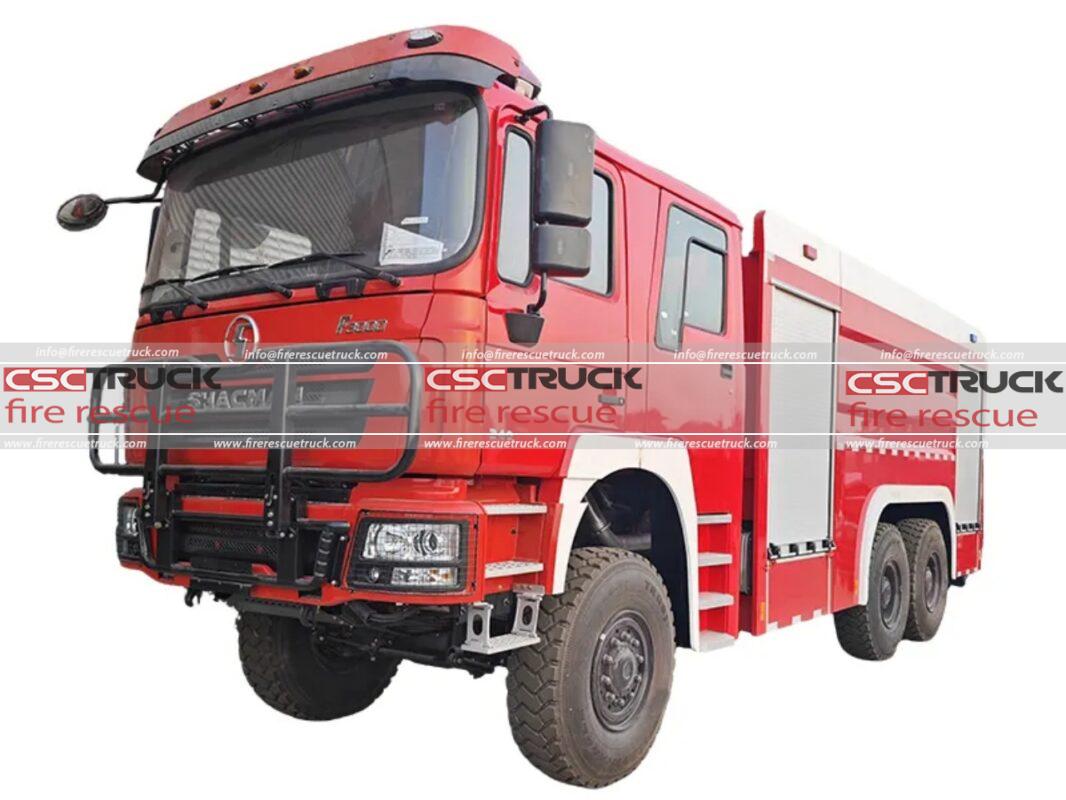
In modern firefighting operations, specialized vehicles play a critical role in ensuring effective emergency response—especially in areas where water supply infrastructure is limited. 2 of the most commonly confused vehicles in this category are the water tender and the tanker fire truck. While they may look similar and both are designed to transport water, their design philosophy, operational roles, and equipment capabilities differ significantly.
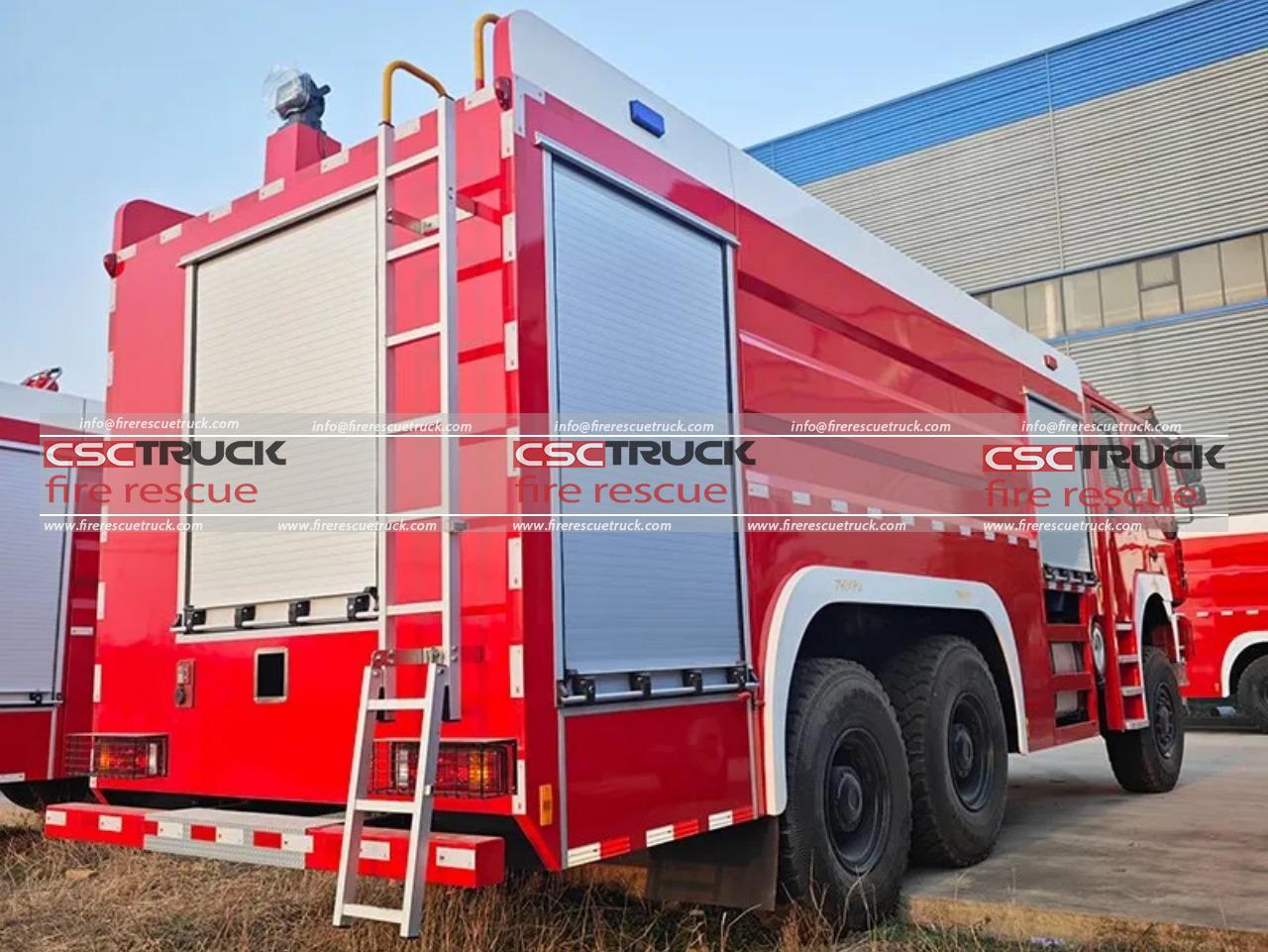
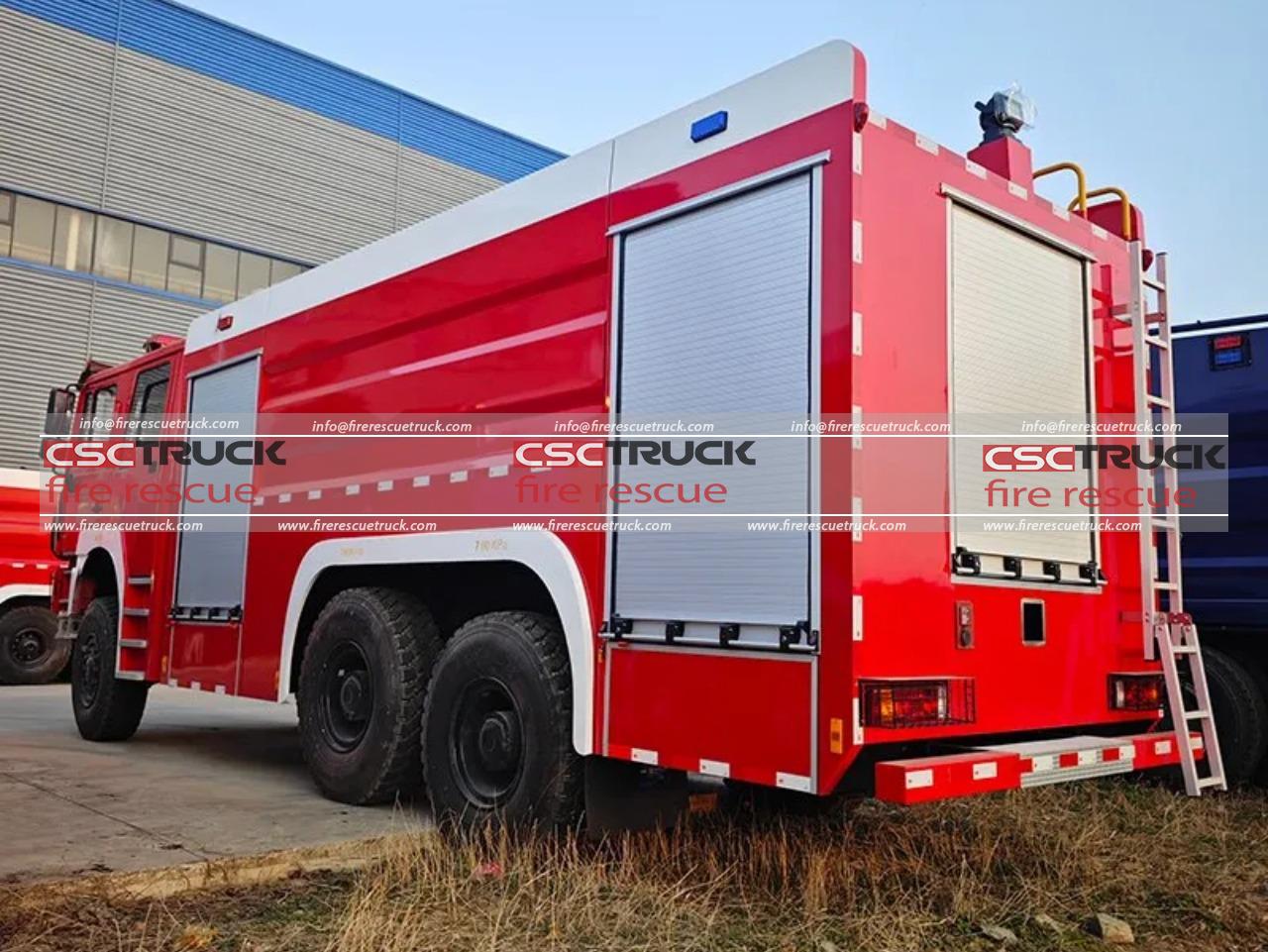
Before diving into the comparison, it is important to recognize leading manufacturers in the fire apparatus industry. One example is CSCTRUCK Fire Rescue Truck, a professional supplier of firefighting and rescue vehicles. CSCTRUCK Fire Rescue Truck specializes in designing and producing water tenders, fire engines, and tanker trucks tailored for municipal, industrial, and wildland firefighting needs. Their vehicles are widely used in regions where reliable water supply systems are not always available, offering flexible configurations for different emergency scenarios.
Understanding how water tenders and tanker fire trucks differ helps fire departments choose the right equipment for rural, urban fringe, industrial, and wildland fire environments.
Understanding the Water Tender
A water tender is a support firefighting vehicle designed primarily for one essential purpose: transporting large volumes of water to the fire scene. It is especially important in rural or remote regions where hydrants are unavailable.
Water tenders typically carry between 1,000 and 5,000+ gallons of water, depending on the chassis size and tank configuration.
Key Characteristics of a Water Tender:
- Primary role: Water transportation and supply support
- Limited firefighting equipment compared to engines
- Often used in shuttle operations between water sources and fire scenes
- May rely on gravity dump valves or basic discharge systems
- Usually minimal crew (1–2 operators)
In many cases, a water tender does not actively fight fires. Instead, it supplies water to fire engines or portable folding tanks at the scene, ensuring a continuous water supply for suppression operations.
Understanding the Tanker Fire Truck
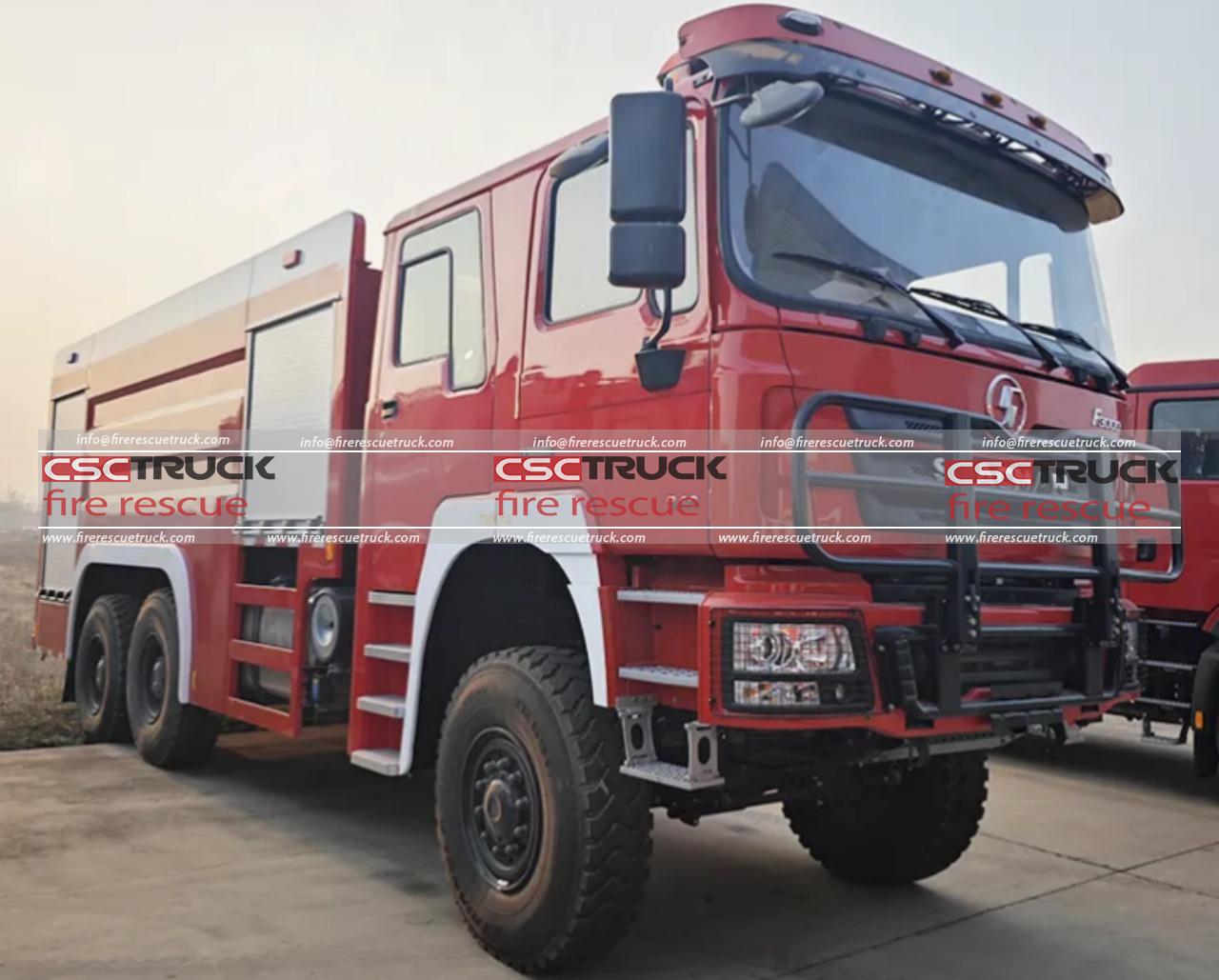
A tanker fire truck (often simply called a “tanker”) is also a water-carrying firefighting vehicle, but it is generally more operationally versatile than a water tender.
A tanker fire truck is typically equipped not only with a large water tank but also with:
- A fire pump system
- Hose connections
- Discharge nozzles
- Basic firefighting tools
This allows it to perform both water transport and limited direct firefighting functions.
Key Characteristics of a Tanker Fire Truck:
- Primary role: Water transport + supplemental firefighting
- Equipped with an onboard pump system (in many models)
- Can support direct fire attack operations
- More flexible on scene than a water tender
- Often used in both rural and industrial firefighting scenarios
In essence, a tanker fire truck is closer to a hybrid between a water carrier and a simplified fire engine.
Key Differences Between Water Tender and Tanker Fire Truck
Although the 2 vehicles overlap in function, their differences become clear when examined in operational detail.
1. Primary Function
- Water Tender: Focused almost exclusively on transporting water
- Tanker Fire Truck: Transports water and may actively support firefighting operations
2. Firefighting Capability
- Water Tender: Limited or no pumping capability; supports other engines
- Tanker Fire Truck: Often includes pumps and hose systems for direct use
3. Equipment Loadout
- Water Tender: Minimal tools, focused on water transfer systems
- Tanker Fire Truck: May include hoses, pumps, monitors, and basic rescue tools
4. Operational Role on Scene
- Water Tender: Acts as a mobile water reservoir and supply shuttle
- Tanker Fire Truck: Can supply water and participate in suppression activities
5. Crew Requirements
- Water Tender: Typically 1–2 personnel
- Tanker Fire Truck: Often 2–4 personnel, depending on configuration
Water Capacity and Design Considerations
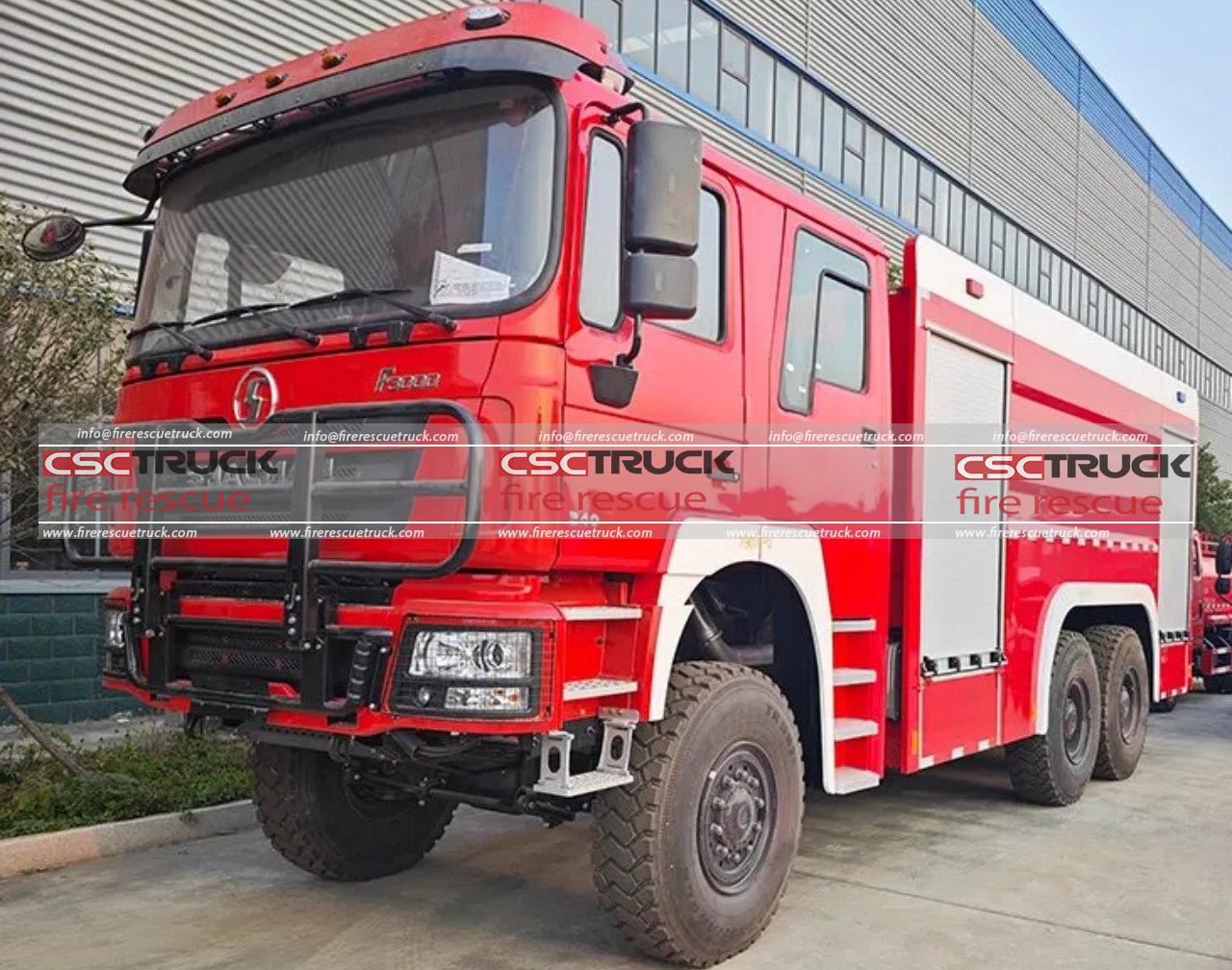
Both vehicles are designed to carry large volumes of water, but their engineering priorities differ.
Water tenders prioritize:
- Maximum water capacity
- Efficient loading and unloading
- Simplicity and reliability
Tanker fire trucks prioritize:
- Balanced water capacity
- Pump integration
- Multi-role firefighting capability
In many rural fire departments, water tenders act as “water shuttles,” while tanker fire trucks serve as “backup engines” when needed.
Operational Use in Firefighting Scenarios
Rural and Wildland Fires
In areas without hydrants, water tenders play a critical logistical role by continuously shuttling water from lakes, hydrants, or refill points.
Tanker fire trucks, meanwhile, may:
- Support the initial fire attack
- Supply engines directly
- Operate hose lines in early suppression phases
Industrial and Construction Sites
Tanker fire trucks are often preferred because they can:
- Provide immediate water delivery
- Assist in localized firefighting
- Handle flexible emergency response tasks
Water tenders are typically used for:
- Bulk water supply
- Long-duration support operations
Design Philosophy: Support vs. Hybrid Function
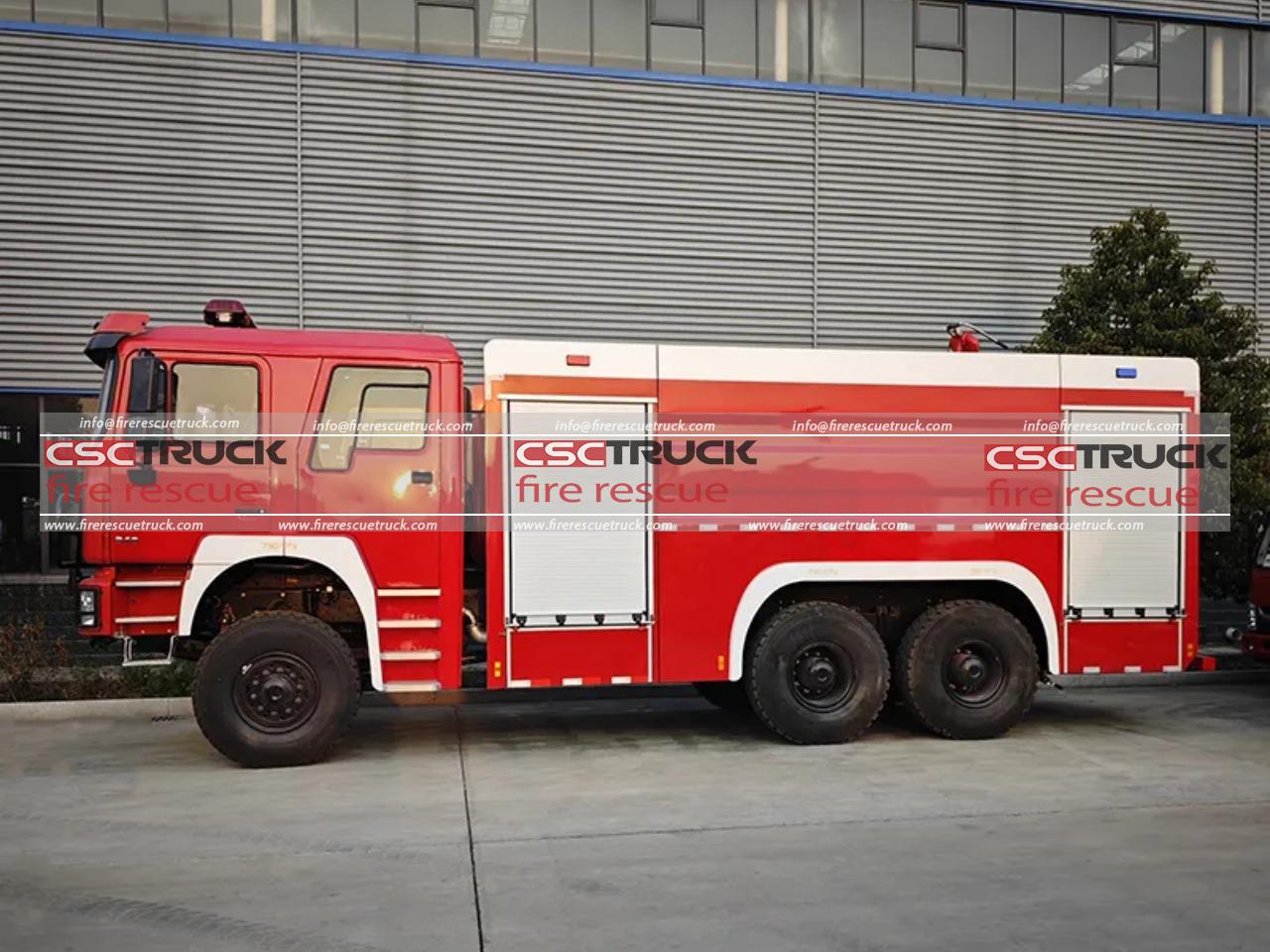
The fundamental distinction lies in design intent:
- A water tender is a support vehicle
- A tanker fire truck is a hybrid operational vehicle
This difference shapes everything from pump installation to crew size and deployment strategy.
Why the Distinction Matters
Understanding the difference is not just technical—it has practical implications for fire departments and emergency planners:
- Choosing the wrong vehicle can reduce response efficiency
- Water tenders are more cost-effective for pure transport roles
- Tanker fire trucks provide more flexibility but higher complexity
- Rural departments often need both types in combination
Conclusion
While the terms are sometimes used interchangeably, a water tender and a tanker fire truck serve distinct roles in firefighting operations. A water tender is primarily a high-capacity water transport vehicle designed to support other firefighting apparatus. A tanker fire truck, on the other hand, combines water transport with firefighting capability, making it a more versatile but also more complex unit.
In modern fire services, especially in rural and industrial regions, both vehicles are essential. Together, they ensure that firefighting teams maintain a continuous, reliable water supply—regardless of terrain, infrastructure, or emergency scale.
Manufacturers like CSCTRUCK Fire Rescue Truck continue to play a key role in developing advanced water tenders and tanker fire trucks that meet evolving global firefighting demands.