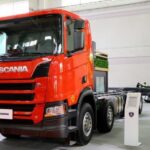
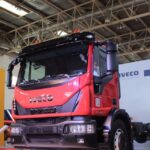
Modern firefighting and emergency water supply operations rely heavily on specialized water transport vehicles. Among the most commonly used are water bowsers, water tender fire trucks, and water tanker semi-trailers. Although they may appear similar at first glance, each serves a distinct operational role based on capacity, mobility, terrain adaptability, and firefighting integration.
Before comparing these 3 vehicle types, it is important to understand the broader context of fire rescue equipment manufacturing, particularly companies that design integrated emergency response solutions.
Introduction: CSCTRUCK Fire Rescue Truck and Integrated Firefighting Solutions
In the global fire and emergency vehicle industry, manufacturers such as CSCTRUCK Fire Rescue Truck play an important role in developing advanced firefighting and rescue vehicles. The company specializes in producing a wide range of emergency response equipment, including fire engines, water tankers, rescue trucks, and municipal service vehicles.
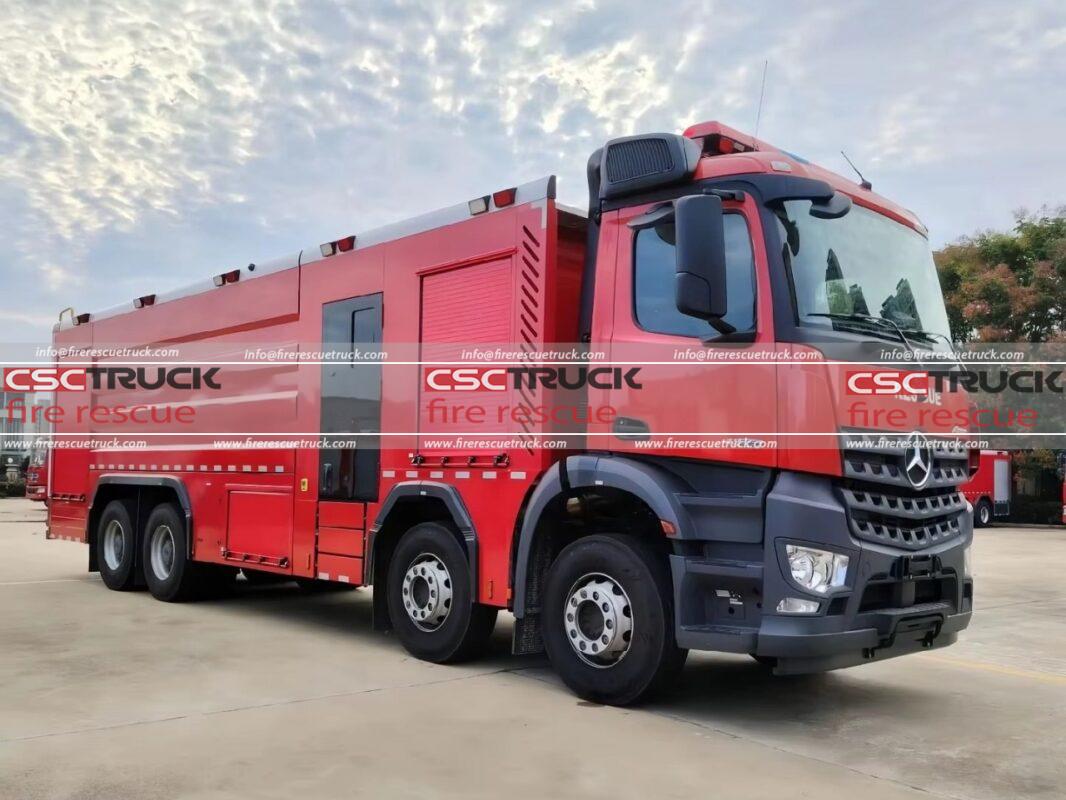
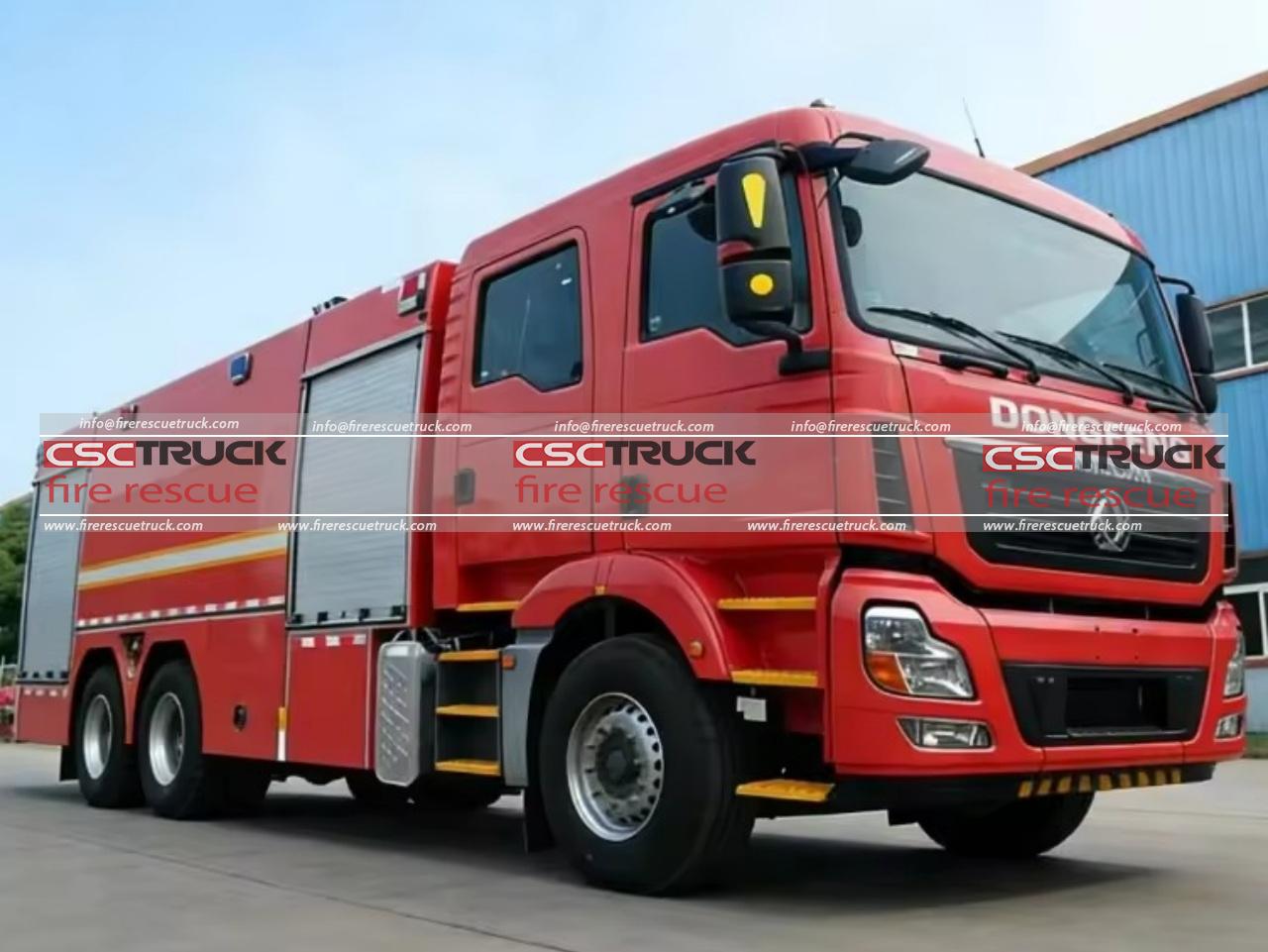
A typical CSCTRUCK Fire Rescue Truck integrates multiple systems into a single platform—such as high-capacity water tanks, centrifugal fire pumps, foam systems, and rapid deployment hoses. These vehicles are designed for both urban and industrial firefighting scenarios, where immediate access to water and pumping capability is essential.
In many fire protection systems, CSCTRUCK Fire Rescue Truck vehicles often serve as the operational backbone, supporting water delivery logistics through different configurations—ranging from compact bowsers to heavy-duty semi-trailers. This makes it easier to understand how different water transport vehicles complement each other in emergency operations.
1. Water Bowser: Compact and Versatile Water Transport
A water bowser is a relatively small to medium-sized water transport vehicle, commonly mounted on a truck chassis. It is primarily used for non-complex water distribution tasks such as construction sites, dust suppression, agriculture, and small-scale firefighting support.
Key Characteristics of Water Bowsers:
Capacity: Typically 3,000 to 15,000 liters
Chassis: Light or medium-duty trucks
Mobility: High maneuverability in urban and semi-urban areas
Functionality: Basic water spraying or pumping systems
Primary Use: Dust control, irrigation, and minor fire suppression support
Water bowsers are valued for their flexibility and simplicity. They are easy to operate and maintain, making them ideal for municipalities and contractors who need frequent water transport in relatively controlled environments.
However, they are not designed for high-intensity firefighting operations. Their limited water capacity and lack of advanced firefighting pumps restrict their use to support roles rather than frontline fire suppression.
2. Water Tender Fire Truck: Dedicated Firefighting Water Supply Unit
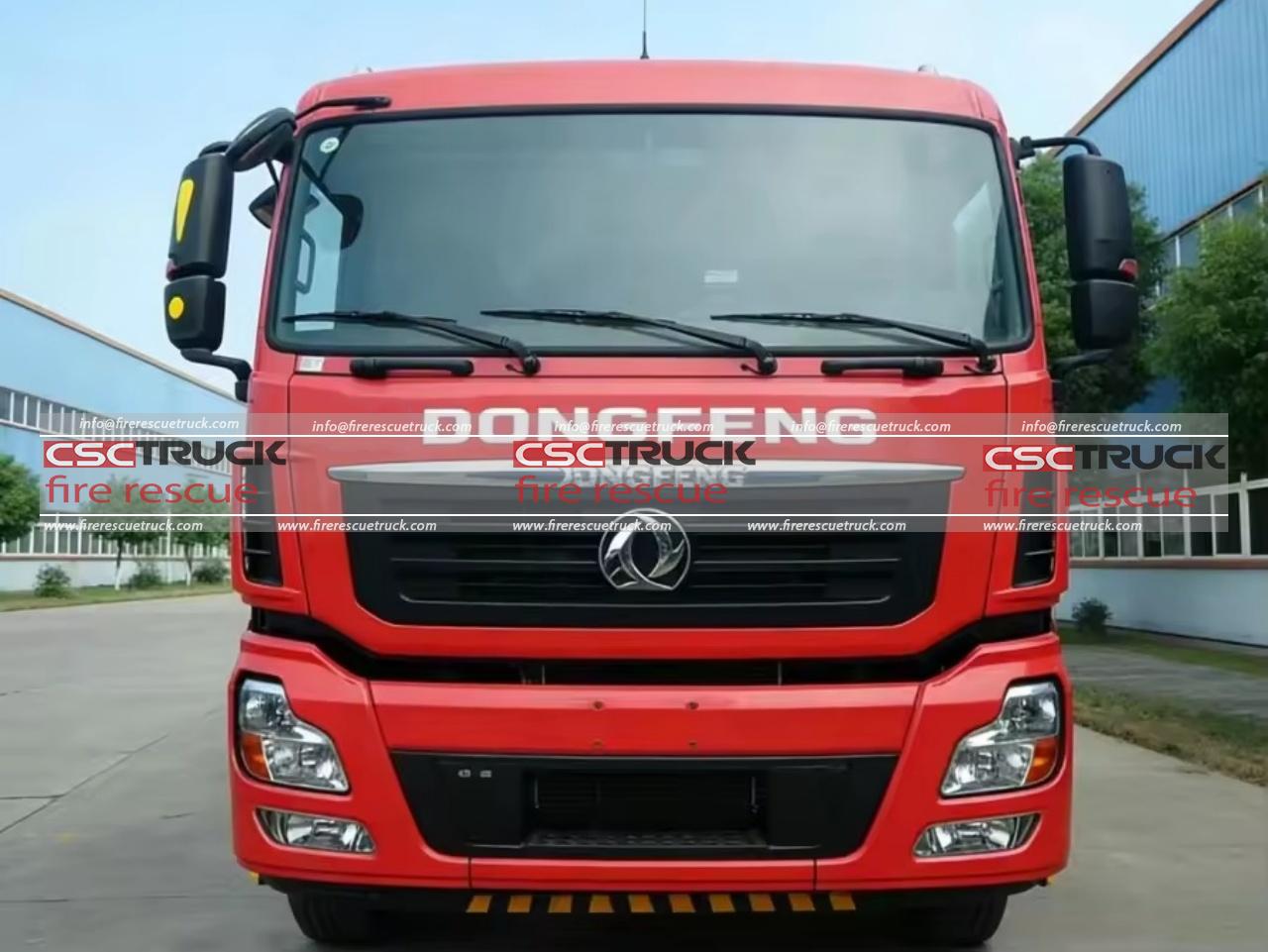
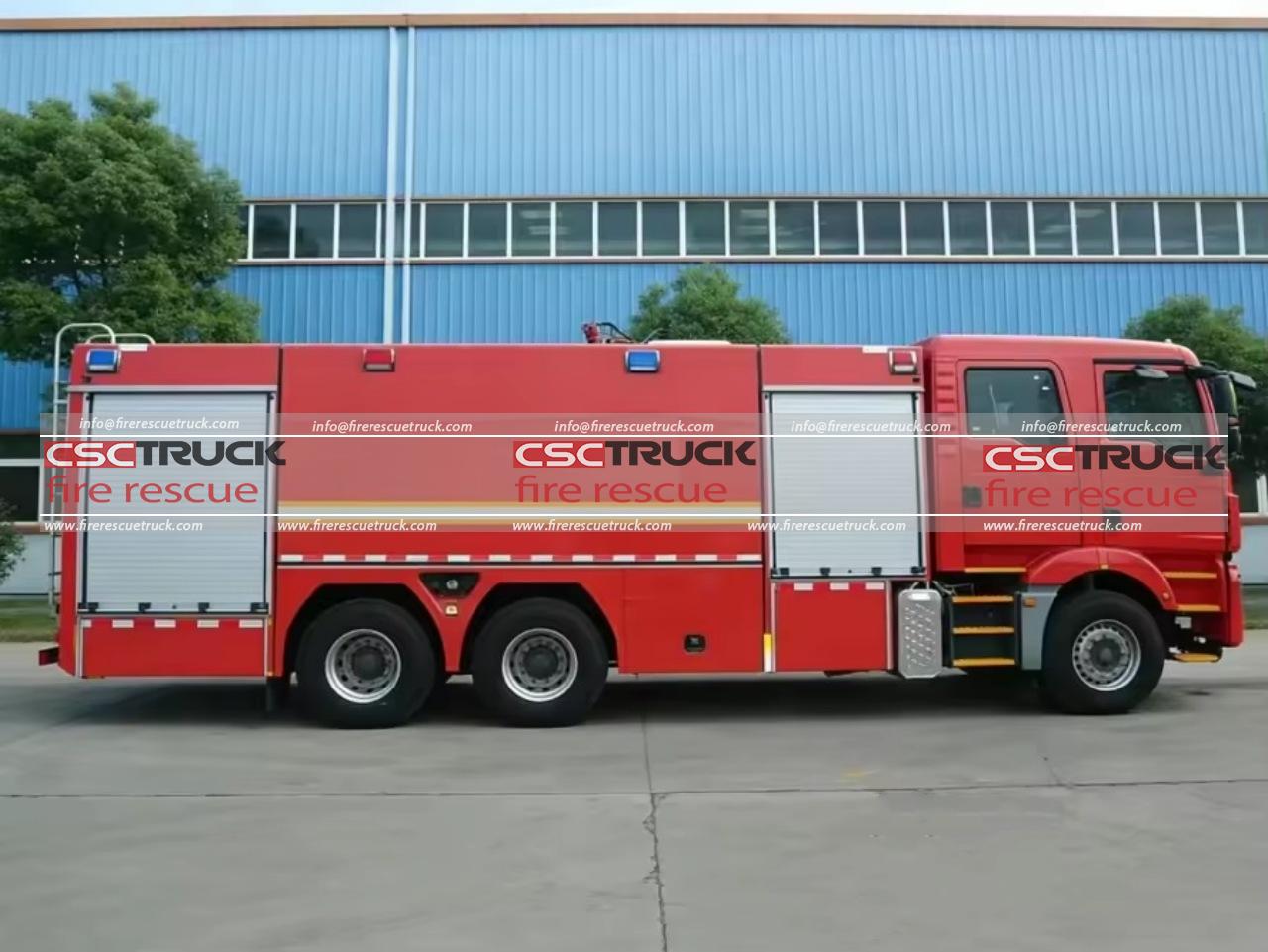
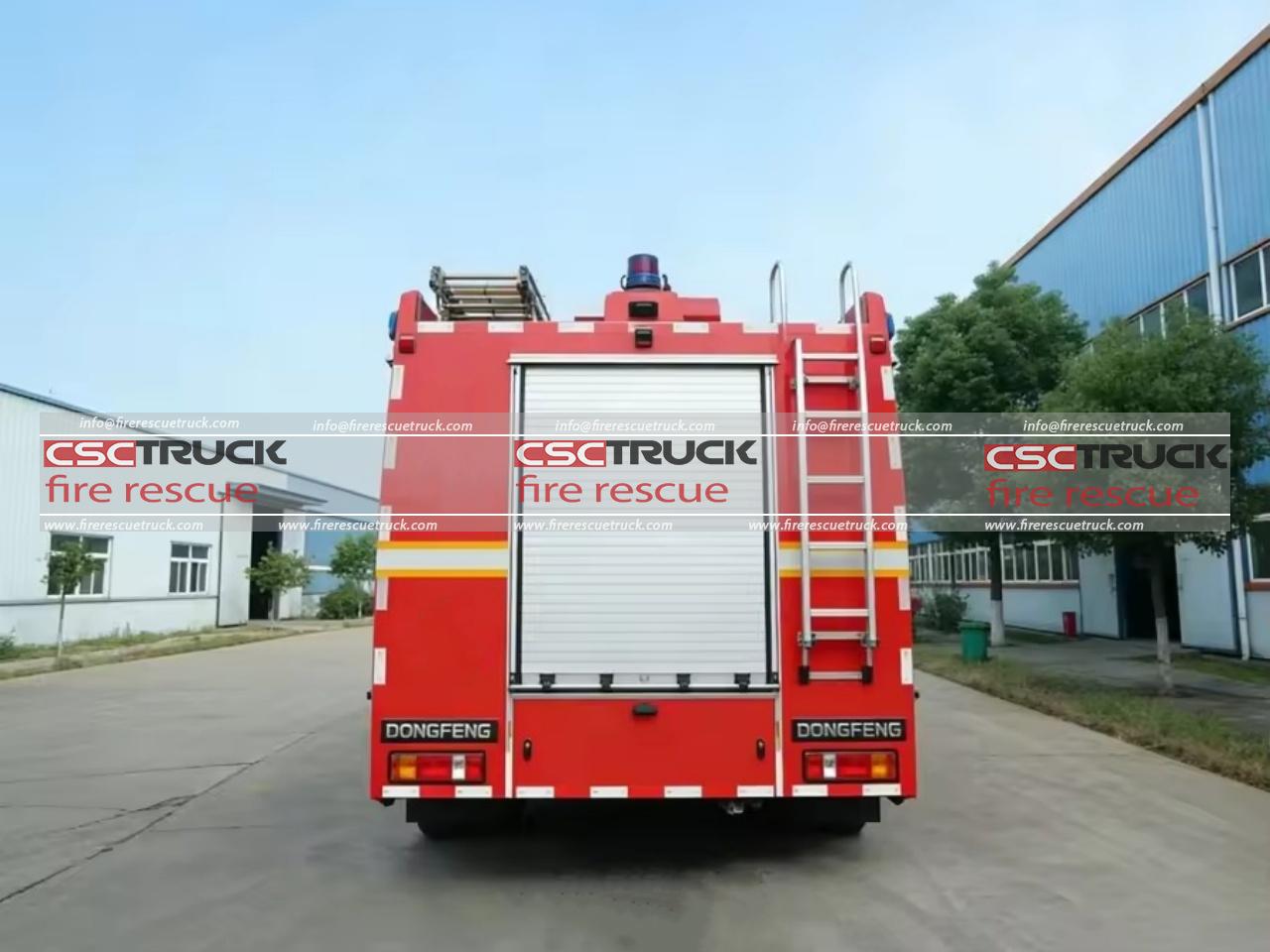
A water tender fire truck is a specialized emergency vehicle designed specifically to support firefighting operations by delivering large volumes of water to fire scenes, especially in areas without hydrant infrastructure.
Unlike a basic bowser, a water tender fire truck is equipped with firefighting systems such as high-pressure pumps, hose reels, and sometimes foam proportioning systems. It acts as a mobile water reservoir for fire engines operating on the frontline.
Key Characteristics of Water Tender Fire Trucks:
Capacity: 5,000 to 20,000+ liters
Pump System: Integrated fire pump (low and high pressure)
Firefighting Equipment: Hose reels, monitors, valves, foam systems (optional)
Crew Capacity: Usually 2–6 firefighters
Primary Use: Fire suppression support, rural firefighting, industrial fire backup
Water tender fire trucks are critical in rural or remote regions where fixed hydrant networks are unavailable. They continuously shuttle water from natural sources or hydrant fill points to fire engines actively engaged in firefighting.
In many modern fire departments, these trucks are considered essential logistical assets, ensuring an uninterrupted water supply during extended fire incidents.
3. Water Tanker Semi-Trailer: High-Capacity Bulk Water Transport
A water tanker semi-trailer represents the largest category of water transport vehicles in this comparison. It consists of a tractor unit pulling a large cylindrical tank trailer, often used for bulk water transportation over long distances.
Key Characteristics of Water Tanker Semi-Trailers:
Capacity: 20,000 to 45,000+ liters
Configuration: Tractor + semi-trailer tank
Mobility: Best for highways and long-distance transport
Load Efficiency: Extremely high water volume per trip
Primary Use: Industrial water supply, disaster relief, large-scale firefighting logistics
Unlike water tenders, semi-trailers are not usually deployed directly at the fire line. Their size and limited maneuverability make them unsuitable for urban or confined fire scenes. Instead, they function as bulk water carriers that supply base stations, refill depots, or staging areas.
In large-scale emergencies—such as wildfires or industrial disasters—water tanker semi-trailers are indispensable for maintaining continuous water logistics over extended operational periods.
4. Comparative Analysis of the Three Vehicle Types
While all three vehicles are used for water transportation, their roles differ significantly in firefighting ecosystems.
Capacity and Scale
Water bowser: Small-scale, localized operations
Water tender fire truck: Medium to high capacity with firefighting integration
Water tanker semi-trailer: Maximum bulk capacity for long-distance supply
Operational Environment
Bowser: Urban streets, construction zones, municipal use
Tender truck: Fireground operations, rural and industrial firefighting
Tender truck: Fully equipped firefighting support vehicle
Semi-trailer: No direct firefighting equipment
Maneuverability
Bowser: High
Tender truck: Moderate
Semi-trailer: Low (restricted to open roads)
5. Role in Modern Firefighting Systems
In a modern fire response system, these three vehicle types often work together rather than independently.
Water tanker semi-trailers supply bulk water to staging areas or fire bases.
Water tender fire trucks shuttle water between supply points and active fire scenes.
Water bowsers support auxiliary tasks such as dust control or minor replenishment needs.
This layered system ensures efficiency, especially during large-scale emergencies where water demand exceeds local infrastructure capacity.
Conclusion
Water transport vehicles are essential components of firefighting and emergency response infrastructure. Although water bowsers, water tender fire trucks, and water tanker semi-trailers all serve the fundamental purpose of moving water, their differences in capacity, design, and operational role make them suitable for very different scenarios.
Water bowsers provide flexible, small-scale support; water tender fire trucks deliver critical firefighting capability directly at the scene; and water tanker semi-trailers ensure large-scale, long-distance water logistics.
With manufacturers like CSCTRUCK Fire Rescue Truck continuously advancing fire rescue vehicle technology, modern emergency services are becoming more integrated, efficient, and capable of responding to increasingly complex fire and disaster situations.