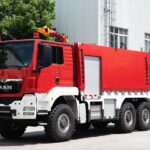

Firefighting operations often take place in environments that are unpredictable, difficult to access, and sometimes extremely hazardous. In such conditions, standard fire trucks with 4×2 or 6×4 drivetrains may struggle to maintain traction, stability, or mobility. This is where 6×6 fire trucks become essential. Designed with 3 axles and all-wheel drive capability, these specialized vehicles provide superior off-road performance, enhanced load distribution, and reliable response capabilities in extreme conditions.
Before exploring their advantages in detail, it is important to recognize the role of manufacturers like CSCTRUCK Fire Rescue Truck, which specializes in producing advanced fire and rescue vehicles engineered for demanding emergency scenarios. Their fire rescue truck lineup reflects modern firefighting requirements, combining durability, performance, and mission-specific customization.
What Is a 6×6 Fire Truck?
A 6×6 fire truck is a heavy-duty emergency response vehicle with 6 wheels, all of which are powered. The configuration typically includes 3 axles, each contributing to traction and load-bearing capacity. Unlike standard trucks, where only 1 or 2 axles are driven, a 6×6 system ensures power is distributed evenly across all wheels.
This design significantly improves mobility in challenging terrains such as:
- Forested or wildfire-prone regions
- Mountain roads and steep inclines
- Flooded or muddy disaster zones
- Sandy or desert environments
- Construction or industrial accident sites
The enhanced drivetrain makes the 6×6 fire truck a critical asset for departments that must respond beyond urban road networks.
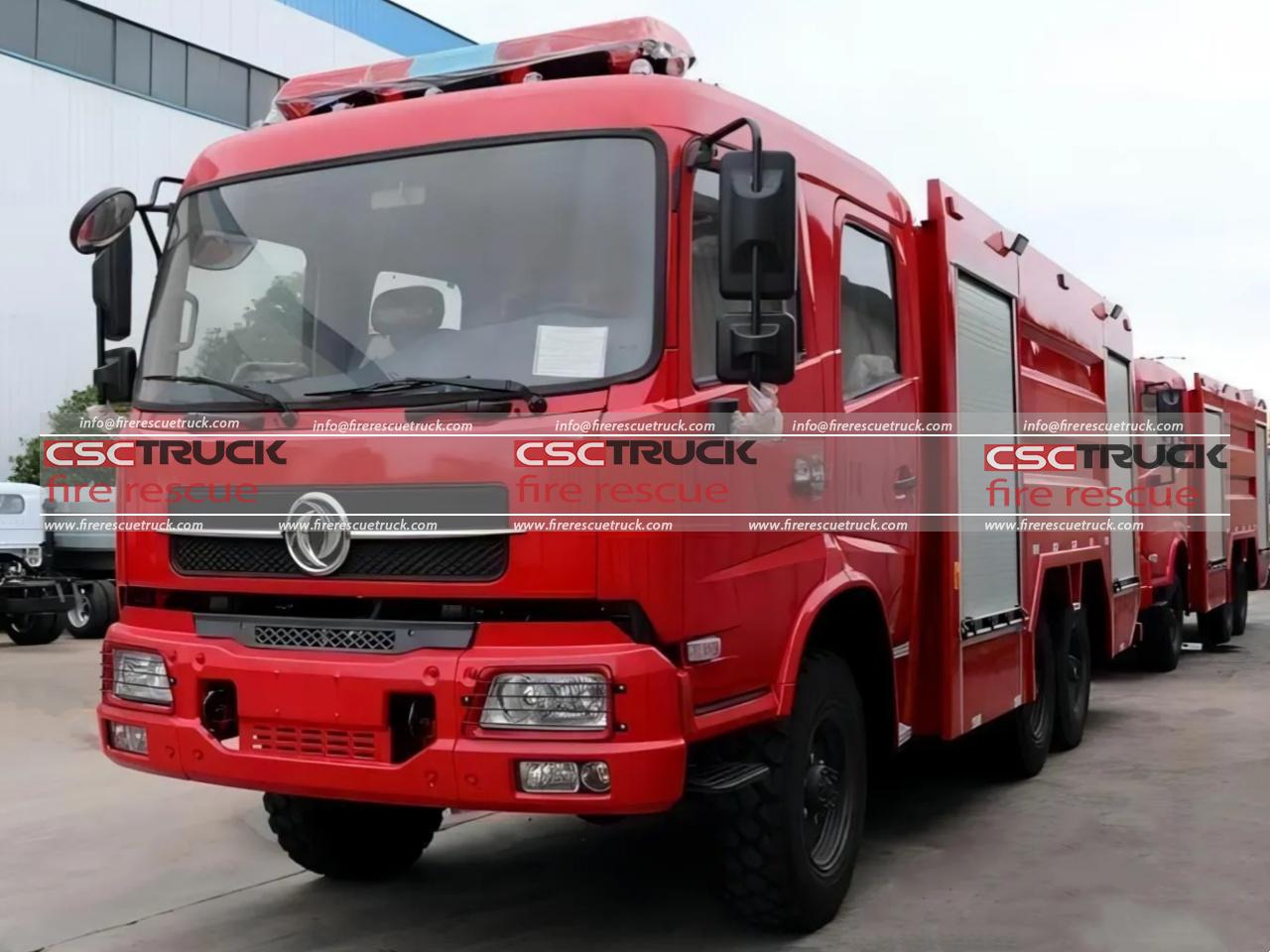
Superior Off-Road Capability
One of the primary reasons fire departments use 6×6 fire trucks is their exceptional off-road performance. In rural or wilderness firefighting, paved roads may not exist at all. Fire crews often need to reach remote wildfire locations where the terrain is uneven, slippery, or obstructed.
The 6×6 configuration provides:
- Maximum traction on unstable surfaces
- Reduced risk of wheel slippage
- Better hill-climbing ability
- Improved control on uneven ground
This ensures firefighters can reach emergency scenes faster and more safely, even when conditions are far from ideal.
Enhanced Load-Carrying Capacity
Firefighting requires transporting large amounts of equipment, water, foam agents, and personnel. A fully equipped fire truck may carry thousands of liters of water along with pumps, hoses, ladders, and rescue tools.
With three axles instead of 2, a 6×6 fire truck distributes weight more effectively across the chassis. This results in:
- Higher payload capacity
- Reduced stress on individual axles
- Improved vehicle stability
- Longer operational lifespan of components
For departments operating in areas without reliable hydrant systems, carrying sufficient water is crucial. The 6×6 configuration ensures that larger water tanks can be transported without compromising mobility.

Improved Stability in Emergency Operations
Fire scenes are often chaotic environments with uneven surfaces, debris, and unpredictable hazards. Stability becomes a critical safety factor when deploying pumps, extending ladders, or operating aerial systems.
A 6×6 fire truck offers:
- Lower risk of tipping during off-road movement
- Better balance during high-speed response
- Increased safety during water discharge operations
- Stronger structural support for heavy-mounted equipment
This stability is especially important when the vehicle is used as a mobile water supply unit or rescue platform in disaster zones.
Better Performance in Extreme Weather Conditions
Fire departments must respond in all weather conditions—snowstorms, heavy rainfall, hurricanes, and heatwaves. A 6×6 fire truck is engineered to perform reliably even when environmental conditions become extreme.
Key advantages include:
- Superior traction on snow and ice
- Reduced risk of becoming stuck in mud or floodwater
- Strong engine torque distribution for harsh conditions
- Reliable mobility in low-visibility environments
This makes 6×6 fire trucks particularly valuable for regions with seasonal weather challenges, such as northern climates or mountainous territories.
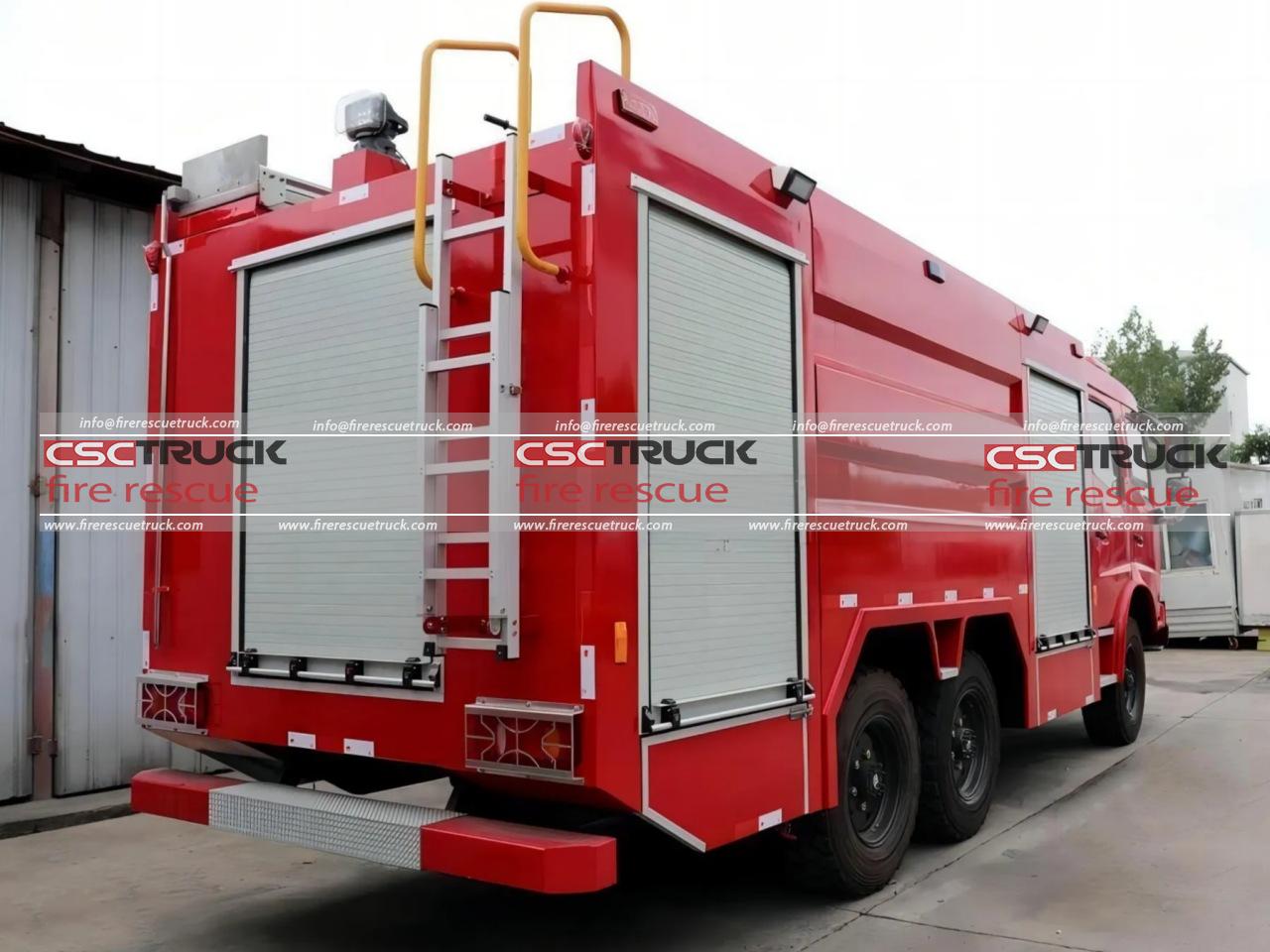
Ideal for Wildland and Rural Firefighting
Wildland fires require rapid response across vast, undeveloped areas. Traditional fire engines often cannot access these regions quickly or safely. 6×6 fire trucks bridge this gap effectively.
They are commonly used for:
- Forest fire suppression
- Grassland and brush fire control
- Rural structure protection
- Emergency evacuation support
Their ability to carry water and foam directly into remote fire zones reduces dependence on external water sources, improving firefighting efficiency.
Increased Safety for Firefighters
Firefighter safety is a top priority in vehicle design. The 6×6 system contributes to safer operations in several ways:
- Reduced the likelihood of vehicle immobilization in dangerous terrain
- Improved braking performance under heavy load
- Enhanced control during rapid maneuvers
- Stronger chassis structure for crash protection
In emergency scenarios where seconds matter, reliability can directly impact survival and mission success.

Versatility in Emergency Applications
Beyond firefighting, 6×6 fire trucks are often used in a wide range of emergencies, including:
- Natural disaster response (earthquakes, floods)
- Industrial accident response
- Airport firefighting operations
- Military or remote base fire protection
- Search and rescue missions
Their modular design allows manufacturers like CSCTRUCK Fire Rescue Truck to customize vehicles with different equipment setups depending on operational needs.
Technological Advancements in Modern 6×6 Fire Trucks
Modern 6×6 fire trucks are not just powerful—they are also highly advanced. Many models now include:
- Intelligent traction control systems
- GPS navigation and fleet tracking
- High-capacity foam proportioning systems
- Advanced pump control panels
- Energy-efficient engine technologies
These features enhance response speed, operational precision, and overall mission effectiveness.

Cost vs. Capability Consideration
While 6×6 fire trucks are generally more expensive than standard fire engines, fire departments justify the investment due to their long-term benefits. The increased durability, reduced downtime in difficult terrain, and improved mission success rates make them cost-effective over time.
For regions prone to wildfires or remote emergencies, the investment becomes not just practical but essential.
Conclusion
Fire departments use 6×6 fire trucks because they offer unmatched mobility, stability, and performance in extreme environments. Whether navigating rugged terrain, carrying heavy water loads, or responding to disasters in remote regions, these vehicles provide a reliable solution where conventional fire trucks fall short.
Manufacturers such as CSCTRUCK Fire Rescue Truck continue to play a key role in advancing fire vehicle technology, delivering specialized designs that meet the evolving demands of modern emergency response.
As firefighting challenges become more complex due to climate change, urban expansion, and environmental risks, the importance of robust platforms like the 6×6 fire truck will only continue to grow—ensuring firefighters can reach, operate, and succeed in the most demanding conditions.