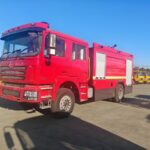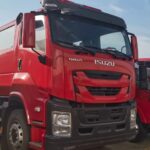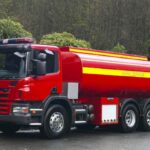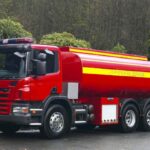

Water is the lifeline in firefighting and emergencies. When rapid access to a large quantity of water is critical, a reliable and robust water supply vehicle becomes indispensable. The water bowser stands out as a purpose-built solution, designed to transport and deliver large volumes of water to locations where traditional water infrastructure may be insufficient or unavailable. Whether it is for firefighting in urban or rural areas, industrial operations, or emergency water supply, the water bowser is engineered for maximum efficiency, durability, and operational reliability.
Purpose and Applications of a Water Bowser
A water bowser, also known as a water tanker, serves as a mobile reservoir, capable of carrying thousands of liters of water to critical locations. Its primary applications include:
- Firefighting Support: In areas lacking hydrants or natural water sources, water bowsers provide a crucial supply for firefighting teams. They are often deployed alongside fire engines to ensure continuous water availability during fire suppression.
- Emergency Water Supply: During natural disasters such as droughts, earthquakes, or floods, municipal water systems may be disrupted. Water bowsers deliver potable water to communities, emergency shelters, and medical facilities, providing essential hydration and sanitation.
- Construction and Industrial Use: In construction sites, mining operations, and industrial facilities, water bowsers assist in dust suppression, equipment cooling, and cleaning tasks. They also serve as temporary water sources for remote operations.
- Agricultural Operations: For irrigation and livestock hydration in remote or arid regions, water bowsers offer a reliable method to transport and distribute water efficiently.
The versatility of a water bowser makes it an essential tool across various sectors, particularly in situations where water accessibility is a challenge.

Key Features of Heavy-Duty Water Bowsers
Modern water bowsers are designed to withstand harsh operating conditions while ensuring a safe and efficient water supply. Key features include:
1. High-Capacity Water Tanks
Water bowsers are equipped with large, corrosion-resistant tanks capable of holding from 4,000 liters to over 20,000 liters of water, depending on the model and operational requirements. These tanks are typically made from high-quality materials such as stainless steel, mild steel with protective coatings, or polyethylene to resist rust, impact, and chemical damage.
2. Robust Chassis and Suspension
The chassis of a water bowser is built for heavy-duty operations. Manufactured using reinforced steel frames, these vehicles can handle significant weight while maintaining stability and durability. Advanced suspension systems, such as leaf springs or air suspension, ensure smooth mobility even over rough terrain, which is critical during emergency deployments in rural or disaster-hit areas.
3. Powerful Pumping Systems
A key component of any water bowser is its pumping system. High-flow centrifugal pumps enable rapid water discharge, often exceeding 100 liters per second. Many water bowsers feature self-priming pumps and multiple outlets, allowing simultaneous supply to multiple hoses, sprinklers, or firefighting appliances. Some models are equipped with high-pressure booster pumps for specialized firefighting operations.
4. Efficient Water Distribution
Modern water bowsers integrate versatile water distribution systems, including side and rear-mounted outlets, adjustable nozzles, and hose reels. These features allow operators to direct water precisely where it is needed, whether filling portable tanks, supplying fire hoses, or irrigating crops.
5. Safety and Stability
Transporting large volumes of water can affect vehicle handling and stability. Heavy-duty water bowsers are engineered with low center-of-gravity tanks, anti-roll bars, and reinforced chassis to minimize risks during transit. Additionally, safety features such as pressure relief valves, emergency stop controls, and non-slip access ladders ensure secure operation for personnel.
6. Ease of Operation and Maintenance
Water bowsers are designed with operator convenience in mind. Accessible control panels, automated pumping systems, and clear instrumentation simplify operation during high-pressure scenarios. Tanks are equipped with inspection hatches, cleaning ports, and drainage systems to facilitate routine maintenance and hygiene.

Technological Innovations
Advancements in water bowser technology have enhanced their efficiency and adaptability. Some of the notable innovations include:
- Integrated GPS and Fleet Management: Modern water bowsers often include GPS tracking and telematics systems, enabling real-time monitoring of vehicle location, water levels, and pump operation. This improves logistical coordination during large-scale emergencies.
- Foam Injection Capability: Certain water bowsers are equipped with foam injection systems, allowing them to mix water with firefighting foam. This enhances their ability to combat flammable liquid fires in industrial or airport environments.
- Environmentally Friendly Features: Innovations such as solar-powered auxiliary pumps and low-emission engines reduce environmental impact while ensuring operational efficiency.
Operational Advantages
Heavy-duty water bowsers offer multiple advantages that make them indispensable in critical scenarios:
- Rapid Deployment: With pre-filled water tanks and high-capacity pumps, water bowsers can be deployed quickly to fire sites or emergency zones, reducing response times significantly.
- Extended Coverage: Their ability to carry large volumes of water allows firefighting teams to operate for longer durations without relying on nearby hydrants or natural water sources.
- Adaptability: Water bowsers are versatile enough to support firefighting, emergency water supply, agricultural, and industrial operations, making them multi-functional assets.
- Cost-Effectiveness: By serving multiple purposes and reducing dependence on fixed infrastructure, water bowsers provide a practical and cost-efficient solution for municipalities, industries, and disaster management agencies.
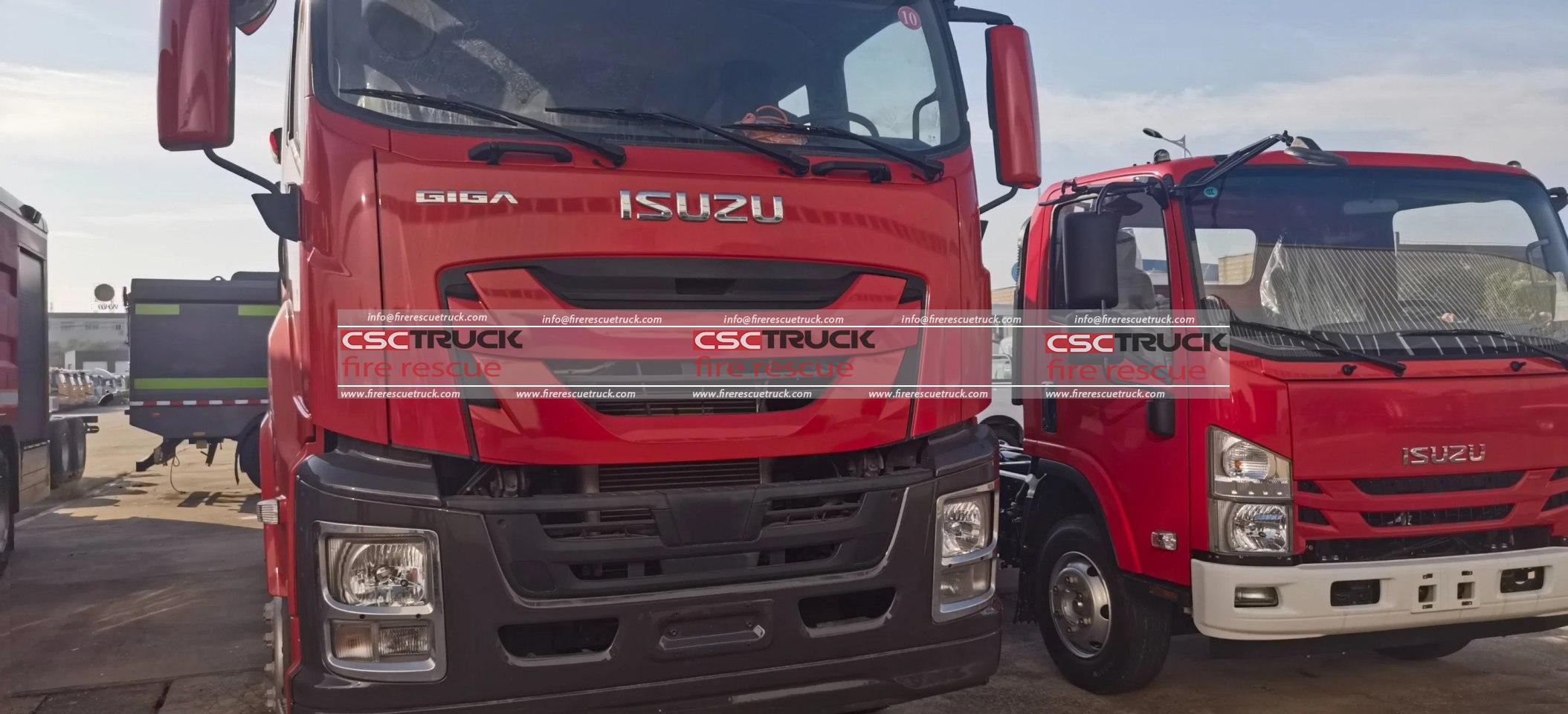
Case Study: Water Bowser in Firefighting Operations
In a recent urban fire scenario, a municipal fire department deployed a 12,000-liter water bowser to support firefighting efforts in an area with limited hydrants. The water bowser was positioned at a strategic location, supplying water continuously to 2 fire engines. Equipped with high-flow pumps and multiple hose outlets, the vehicle ensured uninterrupted firefighting operations. The result was a significant reduction in fire spread, demonstrating the effectiveness and reliability of water bowsers in real-world emergencies.
Conclusion
Heavy-duty water bowsers are essential tools in modern firefighting, emergency response, and industrial operations. Their combination of high-capacity water storage, robust construction, advanced pumping systems, and versatile distribution mechanisms ensures that water is available where and when it is needed the most. Beyond firefighting, water bowsers provide emergency communities with potable water, support construction and agricultural operations, and serve as a critical component of disaster preparedness strategies.
Investing in a high-quality water bowser ensures operational efficiency, reliability, and safety. For fire departments, municipalities, industries, and emergency response teams, a water bowser is not just a vehicle – it is a lifeline in the moments that matter most.