In the aftermath of natural disasters, large-scale emergencies, or humanitarian crises, the immediate need for food and hydration becomes as critical as medical attention and shelter. Emergency responders, disaster victims, and relief personnel require nutritious meals to maintain energy and morale during prolonged rescue and recovery operations. The emergency catering support vehicle, also known as a disaster relief catering vehicle, is a specialized mobile unit designed to provide large-scale, on-site meal preparation and food distribution in emergency zones. This self-contained catering system represents a vital element in modern emergency logistics, combining mobility, efficiency, and resilience under extreme conditions.
Purpose and Role in Disaster Response
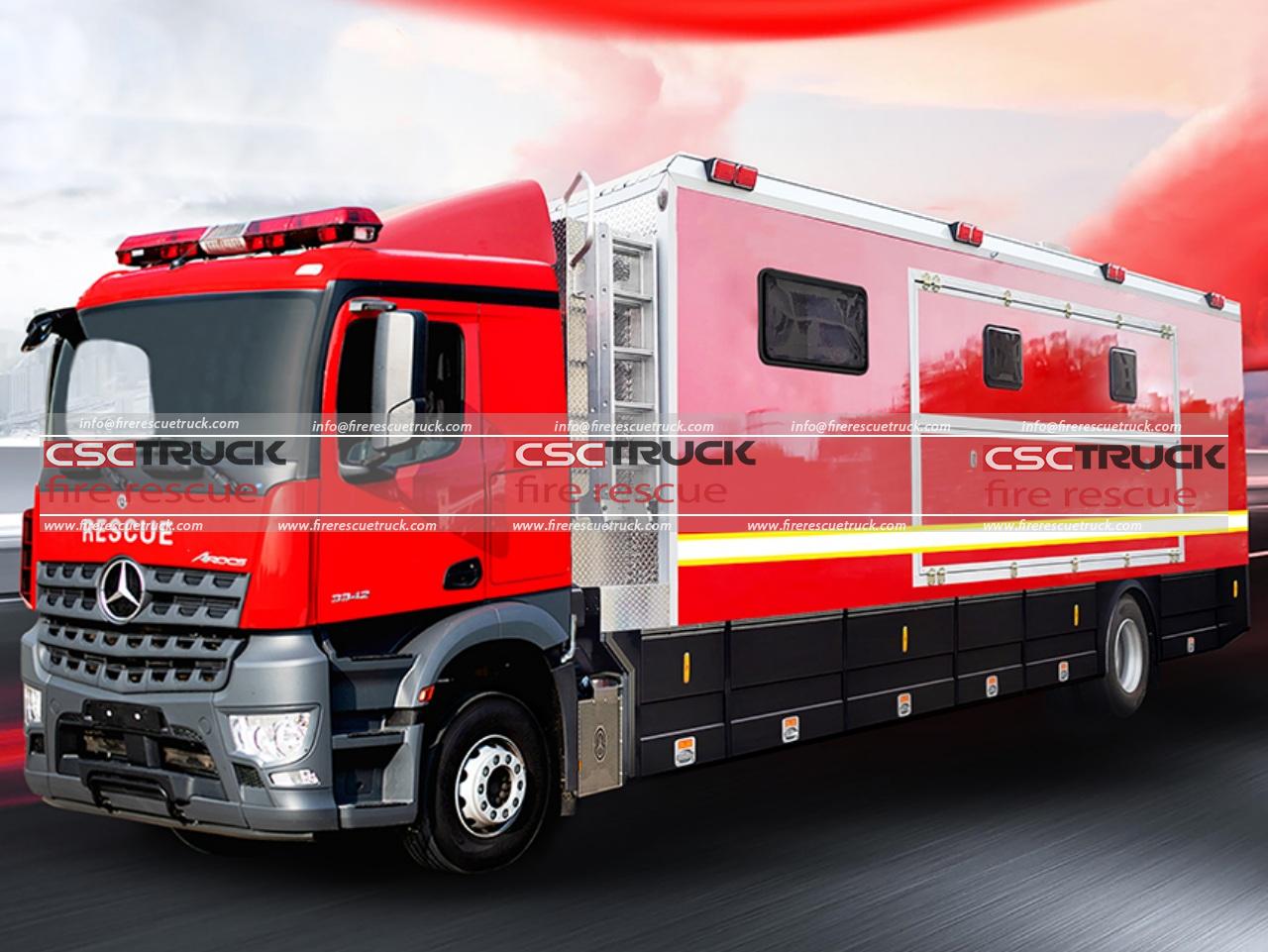
The Emergency Catering Support Vehicle serves as a mobile kitchen and food service facility, capable of supporting hundreds or even thousands of people in disaster-stricken areas. Its primary function is to provide hot meals and beverages to emergency workers, evacuees, and affected civilians when traditional infrastructure—such as restaurants or power grids—is unavailable.
During disasters such as earthquakes, floods, wildfires, or hurricanes, access to clean water, electricity, and cooking facilities is often disrupted. In these scenarios, a catering support vehicle operates independently, utilizing its own power generation, water supply, and waste management systems. These vehicles are rapidly deployable and can be stationed near emergency shelters, medical stations, or command centers to ensure that nutritional support is continuous and accessible.
Beyond disaster relief, such vehicles are also used in large public events, military field operations, and remote construction projects, where reliable food service is required in challenging or isolated environments.
Design and Construction
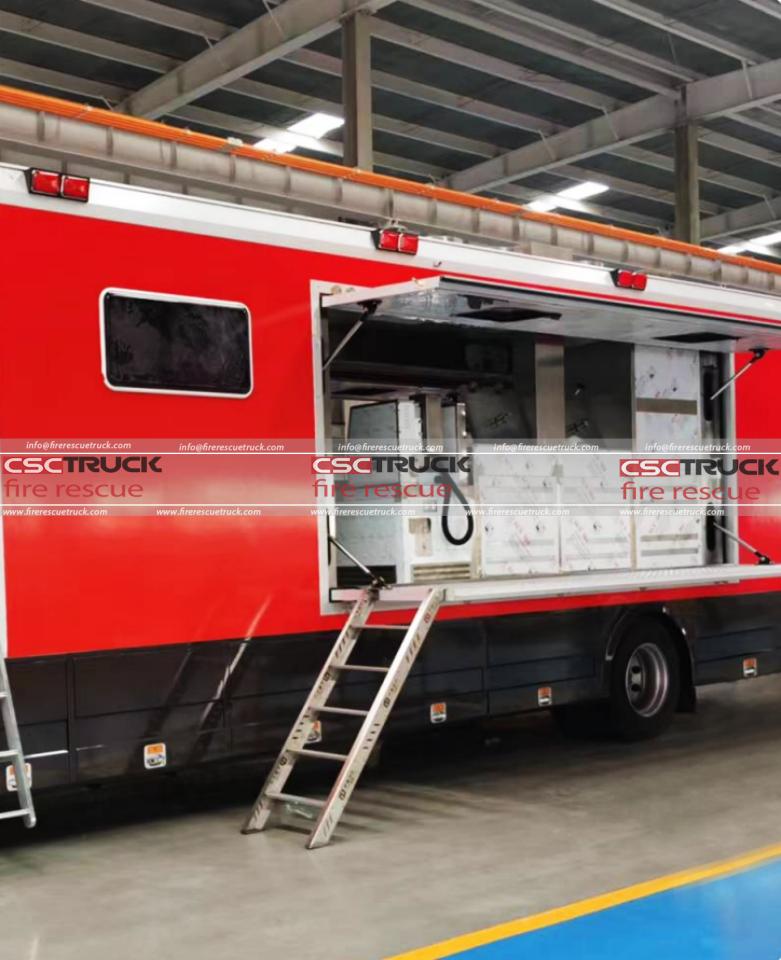
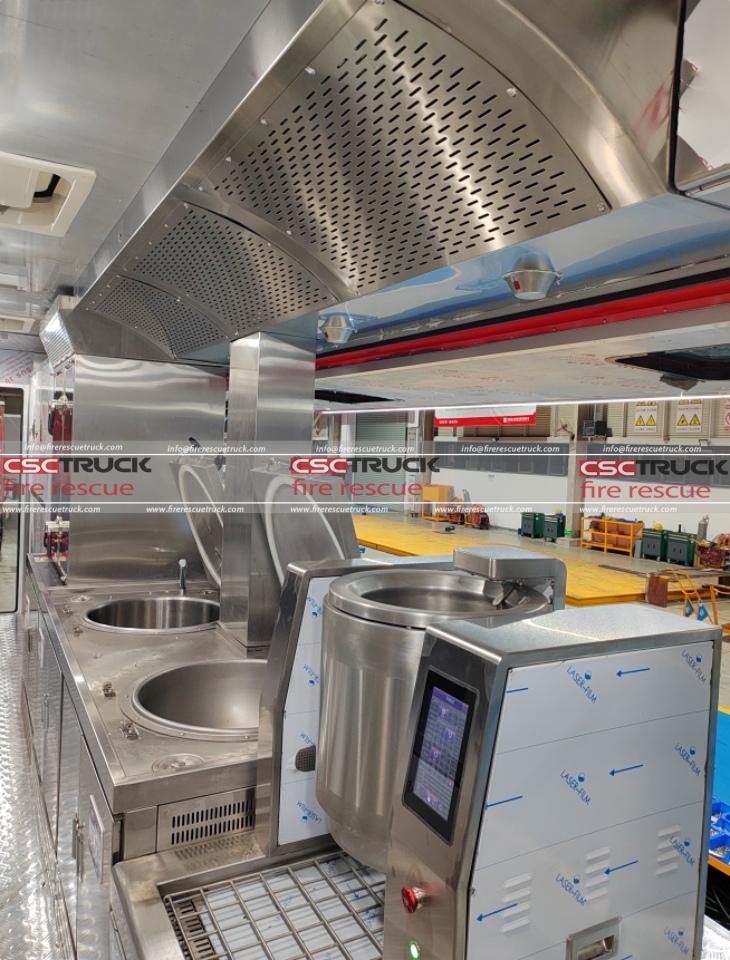
Emergency catering support vehicles are engineered to function as self-contained mobile kitchens, built on durable truck chassis capable of traversing rough or damaged terrain. The vehicle body typically consists of stainless steel interiors for hygiene, thermal insulation for temperature control, and modular compartments for various cooking and storage functions.
Key structural features include:
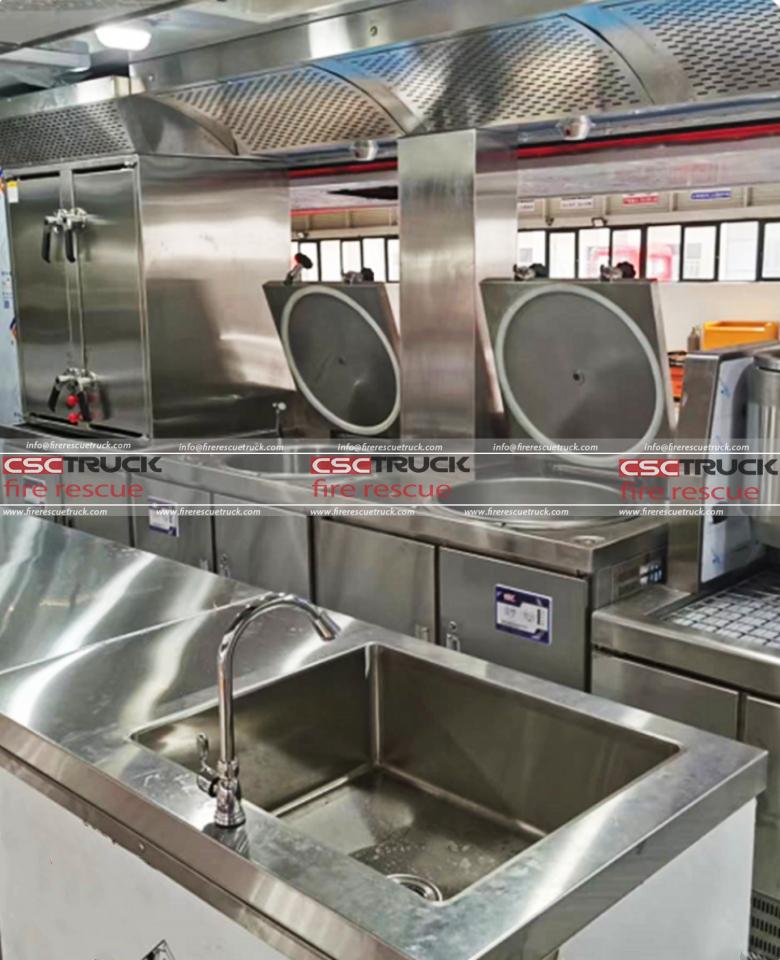
Food Preparation Area: Equipped with stainless steel counters, cutting surfaces, and storage for utensils and ingredients.
Cooking Zone: Outfitted with industrial-grade cooking appliances such as gas stoves, electric ovens, steamers, fryers, and large soup kettles.
Refrigeration and Storage: High-capacity refrigerators and freezers preserve perishable ingredients, while dry storage compartments hold bulk supplies like rice, flour, and canned goods.
Water System: Onboard water tanks supply both potable water and water for cleaning, supported by filtration and sterilization units.
Power Supply: Integrated diesel generators or battery systems provide electricity for cooking equipment, lighting, and refrigeration.
Ventilation and Safety: Exhaust systems, fire suppression devices, and non-slip flooring ensure operational safety during continuous use.
The exterior of the vehicle often features extendable awnings or tent modules, creating additional space for serving lines or sheltered dining areas. Some units even include fold-out tables and chairs, allowing meal distribution and seating to be organized efficiently.
Core Functional Systems
An effective emergency catering support vehicle is more than just a mobile kitchen—it’s a fully integrated field catering system designed for autonomy and efficiency. Its main systems typically include:
Cooking and Food Processing System
Heavy-duty gas or electric stoves, ovens, rice cookers, and boiling pans allow the preparation of diverse meal types. Some vehicles feature modular kitchen stations for simultaneous meal production, enabling the preparation of breakfast, lunch, and dinner for hundreds of people daily.
Cold Storage and Preservation System
Dual refrigeration units keep ingredients fresh under high temperatures, while thermal food containers maintain meal warmth during distribution.
Power Generation and Electrical System
A built-in generator or hybrid power system ensures uninterrupted operation, supporting cooking appliances, lighting, and water pumps.
Water Supply and Sanitation System
Equipped with clean and waste water tanks, filtration systems, and high-pressure taps, this system ensures hygiene and compliance with food safety standards.
Waste Disposal and Environmental Protection
Efficient waste collection, grease traps, and wastewater treatment components reduce environmental impact and maintain cleanliness around the vehicle.
Communication and Control System
Many modern vehicles include communication modules, GPS, and real-time monitoring systems for coordination with command centers and supply logistics.
Capacity and Performance
The capacity of a disaster relief catering vehicle varies by configuration, but a standard medium-sized unit can typically serve 300–800 meals per session, while larger versions can reach up to 2,000 meals per day. Preparation times are minimized through optimized workflow layouts and high-efficiency equipment.
These vehicles are often designed to be operational within 30 minutes of arrival, allowing rapid setup in critical situations. Storage compartments are optimized for 7–10 days of food supplies, depending on deployment size and mission type.
Operational Scenarios
Emergency Catering Support Vehicles are indispensable assets in a variety of emergency and relief operations, including:
Natural Disaster Relief: Earthquake, flood, or hurricane zones where infrastructure is destroyed.
Refugee and Evacuation Camps: Providing sustained meal services to displaced populations.
Wildfire or Rescue Operations: Feeding firefighters, paramedics, and rescue teams working in remote terrain.
Public Health Emergencies: Supporting quarantine centers or emergency hospitals during pandemics.
Military or Peacekeeping Operations: Offering field rations and fresh meals in remote or conflict-affected areas.
In each scenario, the vehicle provides not only nutrition but also psychological relief—offering warm meals that restore comfort and morale during crisis.
Advantages and Innovations
The modern generation of disaster relief catering vehicles incorporates smart technology and eco-friendly engineering to enhance reliability and reduce environmental impact. Key innovations include:
Solar-assisted Power Systems for reduced fuel consumption.
Modular Kitchen Units allow customized configurations based on mission needs.
Digital Inventory Management for monitoring food stock and consumption.
Hygienic Touchless Systems for safer food distribution during disease outbreaks.
Lightweight Composite Materials to reduce vehicle weight and improve maneuverability.
Furthermore, some models integrate dual-mode operation—they can function as standalone units or as part of a larger mobile base camp system, linking with other emergency vehicles such as water purification units, command modules, and medical trucks.
Importance in Modern Emergency Logistics
The inclusion of catering support vehicles in emergency fleets reflects a growing recognition of comprehensive disaster management, where sustenance, logistics, and morale are treated as interdependent factors. These vehicles ensure that responders can remain self-sufficient in the field, minimizing supply chain delays and reliance on external resources.
In large-scale disaster relief operations coordinated by national emergency agencies, NGOs, or military units, mobile catering vehicles enable sustained field operations over extended durations. Their flexibility allows deployment across diverse environments—from urban disaster zones to remote mountain regions—making them a cornerstone of modern emergency preparedness infrastructure.
Conclusion
The emergency catering support vehicle exemplifies the fusion of technology, practicality, and humanitarian service in disaster management. Designed for rapid deployment and high-volume meal production, it ensures that emergency personnel and disaster victims receive the essential nourishment required to endure and recover from crises.
As natural disasters and humanitarian emergencies become more frequent and severe due to climate change and urbanization, the role of such vehicles will continue to expand. By delivering efficient, safe, and comforting food support wherever it is needed, these vehicles not only sustain bodies—they sustain hope and resilience in the face of adversity.