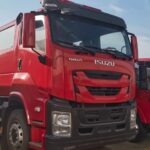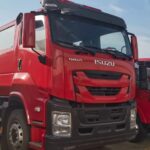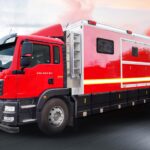

In the aftermath of natural disasters, industrial accidents, or large-scale emergencies, one of the most critical needs for affected populations is access to safe, clean drinking water. When traditional water infrastructure is damaged or unavailable, the Emergency Water Purification Vehicle becomes an indispensable resource. Designed as a mobile water purification vehicle, it provides on-site water treatment, purification, and distribution, ensuring a continuous supply of potable water to disaster zones, emergency shelters, military operations, and remote communities.
1. Purpose and Importance of an Emergency Water Purification Vehicle
Water is fundamental to human survival and public health. During disasters such as earthquakes, floods, hurricanes, or chemical spills, conventional water supply systems are often contaminated or rendered inoperative. The emergency water purification vehicle is engineered to overcome these challenges by converting contaminated or raw water sources—such as rivers, ponds, or wells—into safe, drinkable water that meets international health standards.
This vehicle is not merely a transport system; it functions as a complete mobile water treatment plant. Equipped with advanced filtration, purification, and disinfection systems, it can operate autonomously and continuously, providing thousands of liters of potable water per day. Its mobility ensures that emergency responders can reach even the most inaccessible or devastated regions, making it a critical component of humanitarian aid and disaster relief operations.

2. Structural Design and Configuration
The structure of the Emergency Water Purification Vehicle is designed with practicality, efficiency, and durability in mind. Typically built on a heavy-duty truck or all-terrain chassis, the vehicle integrates a modular water purification unit, water storage tanks, pumps, generators, and distribution systems into a compact, mobile platform.
Key structural features include:
- Reinforced Chassis: The vehicle is mounted on a robust 4×4 or 6×6 off-road capable chassis, allowing it to navigate rough terrains and disaster-stricken areas.
- Purification Compartment: The rear body houses the purification system, which includes multiple treatment stages—filtration, adsorption, reverse osmosis, and UV sterilization.
- Water Tanks: Clean water storage tanks are installed within the body for storing purified water, typically with capacities ranging from 2,000 to 10,000 liters, depending on configuration.
- Generator and Power System: A built-in diesel or hybrid generator ensures independent operation, powering pumps, lights, and purification systems without external electricity.
- Control Panel: A central digital control unit manages water flow, pressure, quality testing, and purification parameters to ensure efficient and safe operation.
The vehicle’s design emphasizes rapid deployment—capable of setting up and starting purification within minutes of arrival at the site.
3. Advanced Water Purification Process
The core function of the Emergency Water Purification Vehicle lies in its multi-stage purification process, which transforms raw or contaminated water into potable water through several key stages:
- Intake and Pre-Filtration:
Raw water is drawn from natural sources using a suction pump and passes through coarse filters to remove large debris, sand, and suspended solids. - Coagulation and Sedimentation:
Chemical agents may be added to help bind and settle fine particles, reducing turbidity and improving filtration efficiency. - Fine Filtration:
Multi-media and activated carbon filters eliminate smaller particles, chlorine, and organic compounds, improving water clarity and taste. - Reverse Osmosis (RO) System:
The RO membrane is the heart of the purification process, removing bacteria, viruses, heavy metals, and dissolved salts, making the water suitable for human consumption. - Disinfection and Sterilization:
The treated water undergoes final sterilization using ultraviolet (UV) light or ozone injection to ensure total microbial safety. - Storage and Distribution:
The purified water is stored in onboard tanks or connected directly to external storage containers or portable bladders for community distribution.
This comprehensive system allows the vehicle to produce between 3,000 to 10,000 liters of potable water per hour, depending on the model and contamination level of the raw water source.

4. Technical Specifications
While specifications can vary by manufacturer, a typical Emergency Water Purification Vehicle features:
- Chassis: Heavy-duty truck platform (e.g., MAN, Mercedes-Benz, HOWO, or ISUZU)
- Drive Type: 4×4 or 6×6 all-terrain capability
- Water Purification Capacity: 3,000–10,000 liters/hour
- Water Source Compatibility: River, lake, pond, well, or municipal supply
- Filtration System: Multi-stage (sand filter, activated carbon, microfilter)
- Reverse Osmosis Membrane: High-efficiency desalination membrane
- Disinfection System: UV sterilizer and ozone generator
- Power Supply: 30–60 kVA diesel generator or hybrid solar-diesel system
- Water Storage Capacity: 2,000–10,000 liters
- Control System: PLC-based automatic control with water quality monitoring sensors
- Additional Equipment: Hoses, distribution taps, auxiliary tanks, and sampling devices
These features allow the vehicle to operate continuously for extended periods, providing a stable and reliable source of safe drinking water during emergencies.
5. Operational Flexibility and Applications
The emergency water purification vehicle’s mobility and autonomy make it suitable for a wide range of missions and environments.
Applications include:
- Disaster Relief: Rapid deployment to earthquake, flood, or hurricane zones to provide safe drinking water to affected populations.
- Military Operations: Supplying troops in remote areas with reliable potable water during field missions.
- Humanitarian Aid: Supporting NGOs and international relief organizations in drought-affected or refugee regions.
- Public Health Emergencies: Supplying clean water in regions where disease outbreaks (e.g., cholera, typhoid) are linked to contaminated sources.
- Rural and Island Support: Temporary or long-term water supply for isolated communities lacking permanent treatment infrastructure.
Because of its flexible design, the vehicle can function independently or as part of a convoy of emergency support vehicles, including mobile kitchens, medical units, and command centers, forming an integrated disaster response system.

6. Advantages and Benefits
The emergency water purification vehicle provides several key advantages:
- Rapid Response: Capable of producing clean water within minutes of setup.
- Mobility: All-terrain capability enables access to remote or destroyed infrastructure zones.
- Self-Sufficiency: Integrated power systems eliminate reliance on external electricity.
- High Capacity: Continuous, high-volume output suitable for serving large communities.
- Water Quality Assurance: Equipped with sensors and automated monitoring for real-time quality control.
- Modular Design: Systems can be upgraded or customized based on mission needs—such as adding desalination or advanced filtration units.
These advantages make the vehicle indispensable in modern emergency management and disaster recovery operations.
7. Environmental and Humanitarian Impact
Beyond its immediate operational utility, the emergency water purification vehicle plays a critical humanitarian and environmental role. Providing safe drinking water on-site helps prevent outbreaks of waterborne diseases, reduces reliance on bottled water logistics, and minimizes plastic waste during emergencies. Moreover, its energy-efficient purification systems and potential integration with renewable power sources contribute to sustainable relief operations.
In developing regions, governments and aid agencies often deploy these vehicles as semi-permanent mobile water treatment solutions—bridging the gap between emergency relief and long-term infrastructure rebuilding.

8. Conclusion
The emergency water purification vehicle stands as a vital innovation in emergency response and humanitarian logistics. By combining mobility, technology, and self-sufficiency, it ensures that safe drinking water—a fundamental human necessity—remains accessible even in the most challenging environments.
Whether deployed after a natural disaster, during a military mission, or in a humanitarian crisis, this vehicle demonstrates the power of engineering to protect health, preserve life, and restore dignity to communities in need. In an era marked by climate-related disasters and growing water scarcity, the mobile water purification vehicle represents not just a tool of relief—but a beacon of resilience and hope.