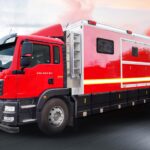
In the aftermath of natural disasters, large-scale emergencies, or mass public events, one of the most overlooked yet critical needs is proper sanitation. The Emergency Toilet Support Truck—also known as the On-Site Sanitation Support Truck—is a mobile unit designed to provide hygienic, efficient, and self-contained toilet facilities wherever conventional infrastructure is unavailable. These trucks play an indispensable role in maintaining health standards, preventing the spread of diseases, and ensuring human dignity during emergency relief operations.
1. The Essential Role of Sanitation in Emergencies
In disaster-stricken areas, sanitation facilities are often destroyed or rendered unusable. Floods contaminate sewer systems, earthquakes collapse buildings, and typhoons sweep away entire communities. When people are displaced into temporary shelters or relief camps, the absence of functional toilets can quickly lead to outbreaks of diseases such as cholera, dysentery, or hepatitis A.
Emergency toilet support trucks address this crucial issue by providing rapid, mobile sanitation solutions. They can be deployed to affected zones within hours, offering clean, safe, and environmentally friendly toilet services. Their presence not only helps maintain hygiene but also restores a sense of normalcy and dignity for disaster victims, relief workers, and residents.
2. Design and Construction Overview
The Emergency Toilet Support Truck is built on a robust commercial truck chassis—commonly based on models from manufacturers such as ISUZU, HINO, HOWO, or Mercedes-Benz. The chassis is selected for its stability, off-road capability, and payload capacity, ensuring the truck can operate in rugged or partially obstructed environments often found in disaster zones.
The sanitation module on the truck is typically a sealed, corrosion-resistant structure made from stainless steel or reinforced FRP (fiber-reinforced plastic). Inside the module, multiple toilet cubicles are installed, each equipped with advanced waste disposal systems, handwashing stations, and ventilation.
Common configurations include:
4 to 8 toilet compartments (separated for male and female use)
Waste storage and treatment tanks ranging from 2000 to 5000 liters
Water supply tanks of similar capacity
Vacuum flushing systems for water-saving and odor control
Ventilation fans and air purification filters
Solar-powered lighting and ventilation systems for off-grid operation
3. Onboard Systems and Functional Features
Modern emergency toilet support trucks integrate several systems to ensure safe, sustainable, and hygienic operation under any conditions.
a. Waste Collection and Treatment System
The onboard vacuum collection system efficiently transfers waste into a sealed storage tank, minimizing odor and contamination risks. Some advanced models incorporate a biological or chemical treatment unit that neutralizes pathogens and reduces harmful emissions before disposal.
b. Water Supply and Handwashing System
A built-in freshwater tank supplies water for handwashing and cleaning. Equipped with pressure pumps and automatic faucets, the system promotes hygiene while conserving water—essential in relief areas where water is scarce.
c. Power and Lighting System
To ensure continuous operation, the truck features a hybrid power setup combining generator power, vehicle battery systems, and solar panels. LED lighting ensures the interior and exterior remain well-lit even during night operations.
d. Air Ventilation and Odor Control
Proper ventilation is critical in confined sanitation environments. The truck employs mechanical ventilation fans and activated carbon filters to ensure a clean and odor-free atmosphere.
e. Accessibility and Safety Features
To accommodate all users, many units include wheelchair-accessible toilets, anti-slip flooring, handrails, and emergency call buttons. Fire extinguishers and first aid kits are also standard equipment.
4. Rapid Deployment and Operational Flexibility
Emergency toilet support trucks are designed for fast deployment. Upon arrival at the operation site, the truck can be set up within minutes. Hydraulic stabilizers are deployed for balance, the water and waste systems are activated, and the toilet compartments become operational immediately.
In larger emergency zones, multiple trucks can work together to form a mobile sanitation station. Each truck can operate independently or connect with external water and sewage systems for extended use. Additionally, modular trailers or auxiliary tanks can be attached for increased capacity during long-term missions.
Their mobility makes them ideal for a wide range of applications:
Natural disaster relief zones (earthquakes, floods, typhoons)
Mass evacuation shelters and temporary housing areas
Military and peacekeeping operations
Public health emergency zones (e.g., epidemic containment)
Outdoor events such as concerts, festivals, and large gatherings
5. Health and Environmental Impact
Improper sanitation during disasters can lead to secondary humanitarian crises. The Emergency Toilet Support Truck plays a key role in preventing the spread of infectious diseases by ensuring that human waste is safely contained and treated.
By using vacuum technology and closed waste tanks, these trucks prevent the leakage of harmful materials into soil and water sources. Many modern units use eco-friendly biological treatment agents, which help decompose waste into non-toxic byproducts, reducing the environmental footprint.
In addition, the truck’s water-efficient systems and recyclable waste management contribute to sustainable disaster relief operations, aligning with global standards set by organizations such as the WHO, UNICEF, and the UNHCR.
6. Advantages of Emergency Toilet Support Trucks
Rapid response capability: Deployable within minutes, ensuring immediate sanitation support.
Mobility: Easily relocatable to match evolving field conditions.
Hygiene and comfort: Modern facilities that maintain cleanliness and user comfort even in austere conditions.
Environmentally responsible: Closed waste treatment systems minimize contamination and odor.
Scalability: Can be used individually or in fleets for large-scale operations.
Self-sufficiency: Equipped with power, water, and waste systems for independent operation.
These advantages make them a vital component of emergency logistics fleets, alongside water supply trucks, food distribution units, and medical command vehicles.
7. Integration with Emergency Relief Systems
In comprehensive disaster response frameworks, Emergency Toilet Support Trucks are often deployed in coordination with mobile hospitals, emergency command centers, and living support caravans. Together, they form part of a Mobile Support Convoy, capable of sustaining hundreds or even thousands of people in field conditions.
For instance, during flood relief operations, a convoy may include:
Water supply trucks for drinking and cleaning water
Mobile kitchen trucks for food preparation
Medical support units for first aid and treatment
Emergency toilet trucks for sanitation and hygiene
This integrated approach ensures that affected communities receive holistic care that covers not only physical needs but also health and hygiene maintenance.
8. Future Developments and Innovations
As technology evolves, next-generation Emergency Toilet Support Trucks are expected to feature smart sanitation systems that monitor water levels, waste volume, and hygiene status through IoT-based sensors. Remote monitoring can allow centralized command centers to optimize deployment, resupply, and maintenance schedules.
Moreover, future models may adopt fully solar-powered energy systems, AI-assisted ventilation, and waste-to-energy converters, transforming human waste into usable biogas or electricity—creating a sustainable cycle of resource utilization.
Conclusion
The emergency toilet support truck stands as a silent yet crucial guardian of public health during disasters and emergencies. By providing reliable, mobile, and sanitary toilet facilities, it helps safeguard communities from disease, upholds human dignity, and supports the smooth functioning of relief operations.
As emergency response strategies become more advanced and human-centered, these mobile sanitation trucks will continue to play a pivotal role—bridging the gap between infrastructure collapse and community recovery. Whether in the aftermath of a flood, an earthquake, or a major public gathering, the emergency toilet support truck remains an indispensable asset in ensuring that clean, safe, and dignified sanitation is never out of reach.