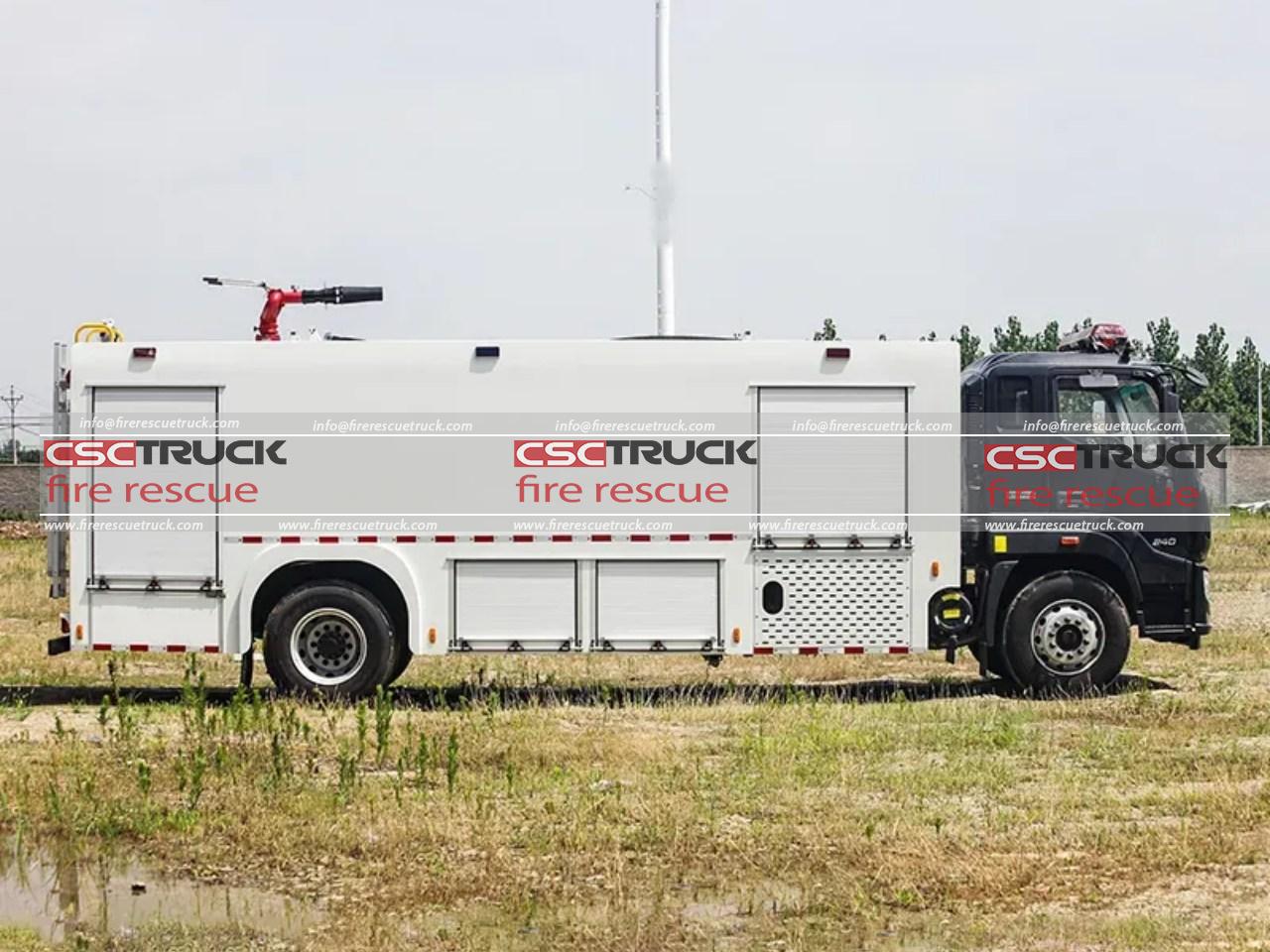
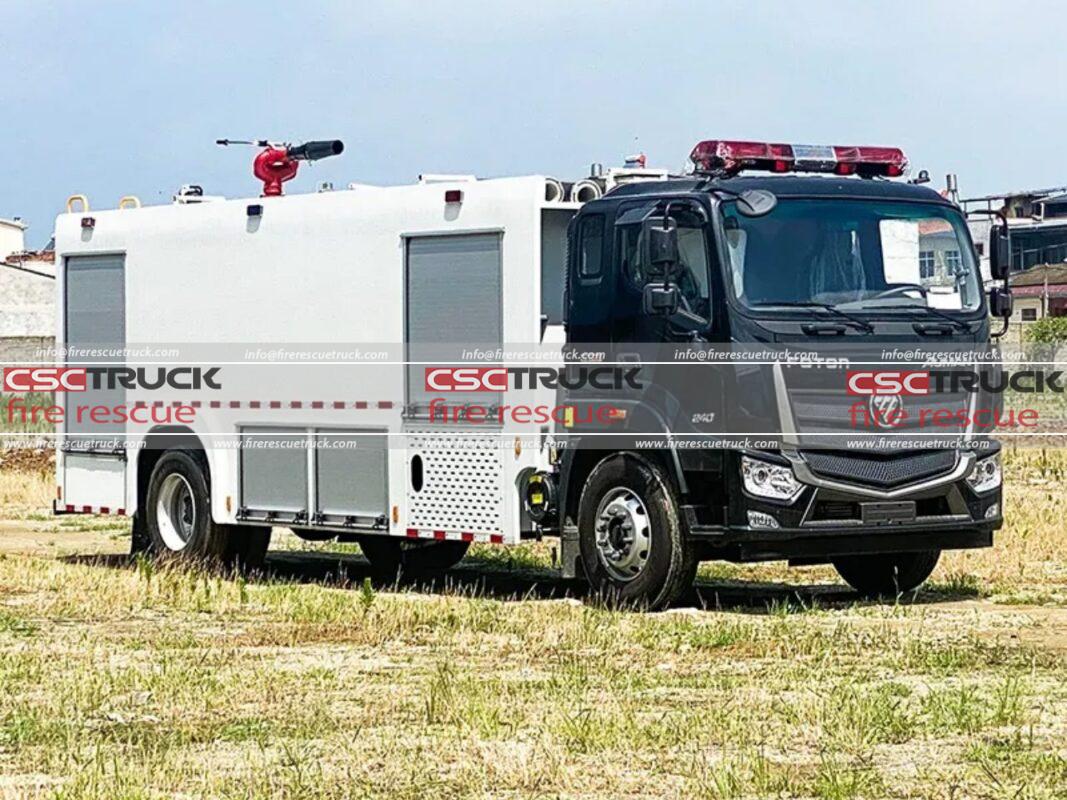
A water tender plays a crucial role in firefighting operations, especially in rural, industrial, and wildfire-prone areas where hydrants are limited or unavailable. But many people still wonder: Does a water tender carry firefighting equipment, or is it just a water transport vehicle?
The short answer is yes—most water tenders do carry firefighting equipment, although the extent and type of equipment vary depending on design, purpose, and jurisdiction.
Introduction to CSCTRUCK Fire Rescue Truck
Before understanding water tenders in detail, it is worth mentioning modern firefighting vehicle manufacturers such as CSCTRUCK Fire Rescue Truck. CSCTRUCK Fire Rescue Truck specializes in designing and manufacturing a wide range of firefighting and rescue vehicles, including water tenders, fire engines, and specialized emergency response trucks. Their vehicles are designed to meet diverse operational needs, including rural fire suppression, industrial firefighting, and municipal emergency response.
Modern suppliers like CSCTRUCK Fire Rescue Truck emphasize not only high-capacity water transport but also integrated firefighting systems, ensuring that water tenders can function as both mobile water reservoirs and active firefighting support units.
What Is a Water Tender?
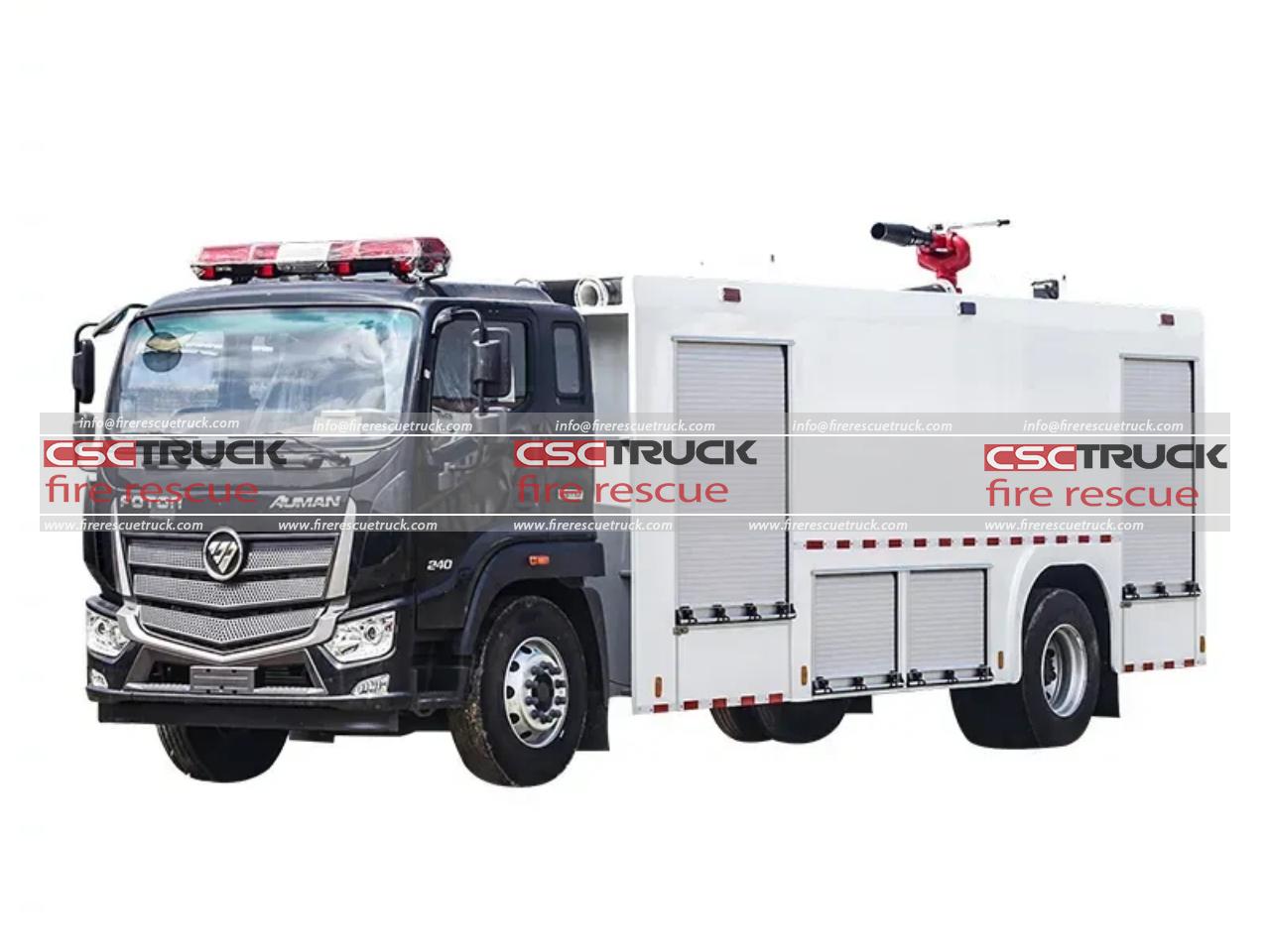
A water tender (also called a water tanker in some regions) is a firefighting support vehicle designed primarily to transport large volumes of water to fire scenes. These vehicles are essential where:
- Hydrant systems are unavailable
- Fires occur in remote or rural areas
- A large water supply is needed quickly
- Wildland firefighting operations are underway
Typically, a water tender carries anywhere from 1,000 to over 5,000 gallons (3,800–19,000 liters) of water, depending on configuration.
As noted in firefighting references, water tenders act as mobile water supply units, supporting fire engines and maintaining continuous suppression operations when local water sources are insufficient.
Does a Water Tender Carry Firefighting Equipment?
Yes, but not all water tenders carry the same level of equipment. In general, water tenders fall into 3 categories:
1. Basic Water Supply Tender
This is the simplest configuration. It primarily carries:
- Large water tank
- Basic valves and discharge ports
- A small auxiliary pump (sometimes optional)
These units mainly function as mobile water reservoirs, supplying fire engines rather than directly fighting fires.
2. Equipped Water Tender
Many modern water tenders are fitted with essential firefighting tools, such as:
- Fire hoses of various diameters
- Portable nozzles
- Hydrant adapters and fittings
- Axes and basic hand tools
- Fire extinguishers
- Portable water tanks (folding “drop tanks”)
These tools allow the vehicle to support independent or semi-independent firefighting operations.
3. Fully Equipped / Pumper-Tender Hybrid
Advanced water tenders are closer to full fire engines and may include:
- High-capacity fire pumps
- Foam proportioning systems
- Monitor (water cannon) turrets
- Crew seating for firefighters
- Breathing apparatus (SCBA sets)
- Rescue and ventilation tools
Some models can even perform direct fire attack, especially in rural or wildland environments.
In these cases, the water tender is no longer just a support unit—it becomes a hybrid firefighting engine capable of frontline operations.
Why Water Tenders Carry Equipment
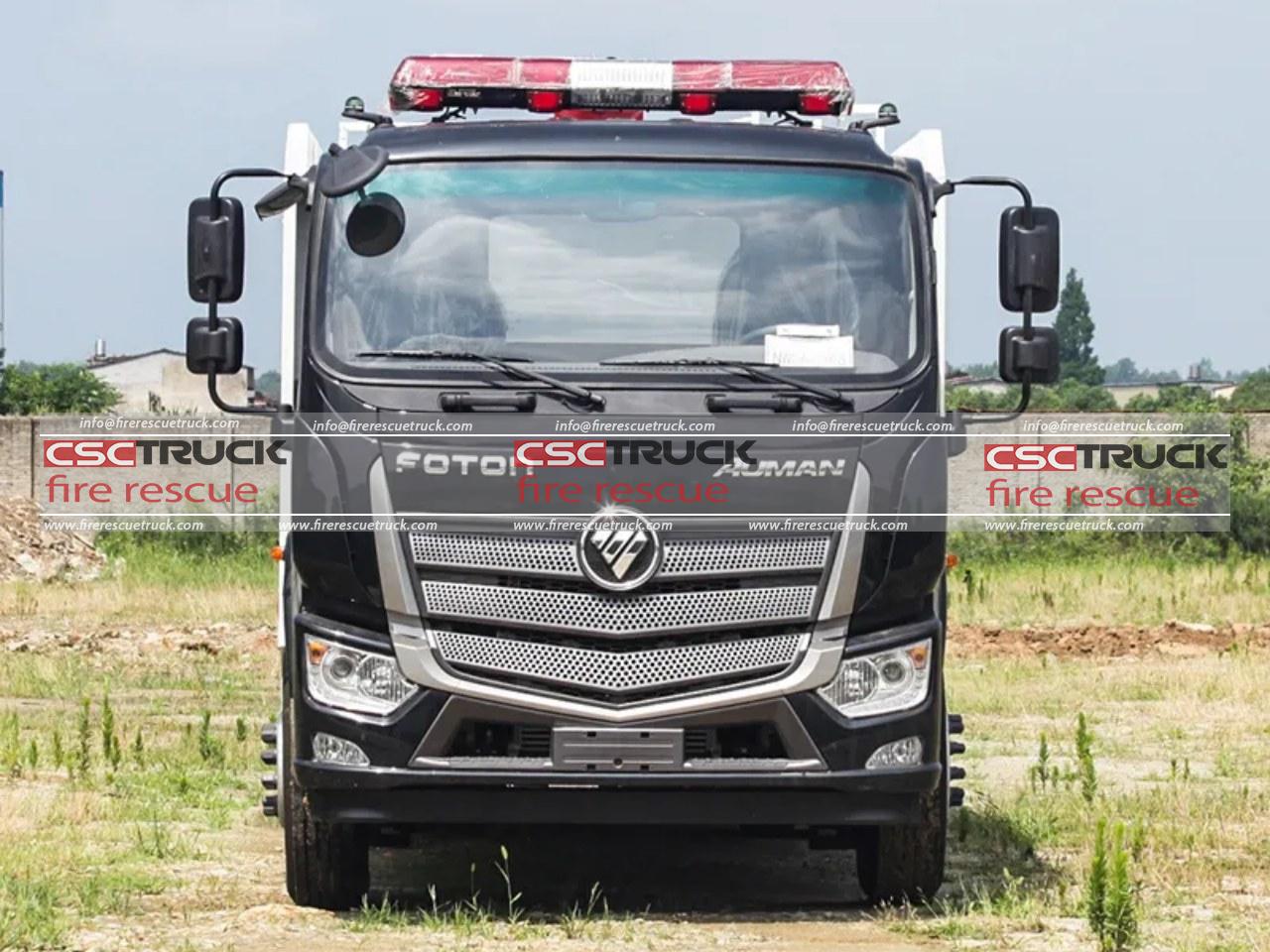
Water tenders are designed for support roles, but firefighting is unpredictable. Equipment is included for several practical reasons:
1. Remote Area Operations
In rural or forested regions, a water tender may be the first or only unit on scene. Basic tools allow immediate response.
2. Water Shuttle Efficiency
During large fires, tenders operate in shuttle cycles, refilling engines and portable tanks. Equipment helps manage hose connections, adapters, and water transfer systems.
3. Backup Fire Suppression Capability
If fire engines are delayed or overwhelmed, equipped tenders can assist in initial fire knockdown.
4. Wildland Firefighting Needs
Wildfires often require mobile, adaptable vehicles. Some water tenders include:
- Off-road capability
- Pump-and-roll systems
- Front-mounted water monitors
These features enable suppression while the vehicle is in motion.
How Water Tenders Differ from Fire Engines
Understanding what equipment they carry becomes clearer when compared with fire engines:
- Fire engines (pumpers) focus on active firefighting with hoses, ladders, and high-pressure pumps.
- Water tenders focus on transporting and supplying water, but may carry limited firefighting tools.
In short:
- Fire engine = frontline attack unit
- Water tender = mobile water supply + optional support firefighting unit

Modern Trends in Water Tender Design
Manufacturers like CSCTRUCK Fire Rescue Truck are contributing to a growing trend: Multi-functional water tenders. These modern units often combine:
- Large-capacity tanks
- Integrated pump systems
- Modular equipment storage
- Foam systems for industrial fires
- Improved off-road performance
This evolution reflects the need for versatility in emergency response, especially in regions with expanding industrial zones and wildfire risks.
Conclusion
So, does a water tender carry firefighting equipment? The answer is yes, but it depends on the configuration.
At the most basic level, a water tender is a mobile water carrier designed to support fire engines. However, many modern water tenders also include essential firefighting tools, and some are fully equipped to operate as independent fire suppression units.
With manufacturers like CSCTRUCK Fire Rescue Truck advancing vehicle design, water tenders are becoming increasingly versatile—bridging the gap between water supply trucks and fully capable firefighting engines.
Ultimately, whether simple or highly equipped, water tenders remain an essential part of modern firefighting strategy, ensuring that water is always available when and where it is needed most.