CSCTRUCK Fire Rescue Truck, a leading manufacturer in specialized emergency and disaster response vehicles, continues to strengthen global humanitarian logistics with its advanced fleet solutions designed for complex field operations. Building on its long-standing expertise in fire rescue and emergency support equipment, the company has now delivered a new batch of Emergency Clothing Washing Trucks aimed at improving hygiene conditions in long-term relief environments.
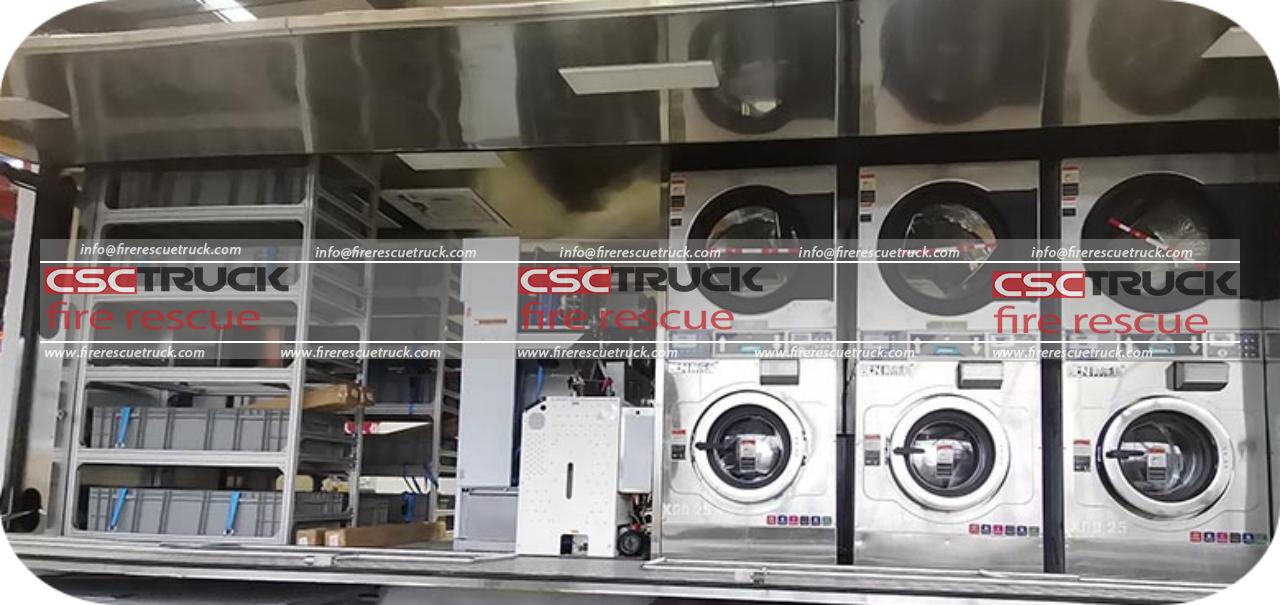
The newly supplied Emergency Clothing Washing Trucks are engineered to provide rapid, large-scale laundry services in disaster-affected areas where conventional infrastructure has been damaged or destroyed. These vehicles are equipped with industrial-grade washing and drying systems, onboard water tanks, heating units, and energy-efficient power supply systems, enabling continuous operation even in remote or off-grid locations.
The delivery is expected to significantly enhance sanitation standards in evacuation camps, refugee settlements, and disaster recovery zones. By ensuring that clean clothing is readily available, relief agencies can reduce the risk of disease outbreaks, improve overall living conditions, and support the dignity of affected populations during extended recovery periods.
According to project coordinators, each unit is designed for high mobility and fast deployment, allowing emergency teams to quickly establish functional laundry stations within hours of arrival. The trucks also feature modular interior layouts, making maintenance and operational training more convenient for field personnel.
This latest delivery highlights CSCTRUCK Fire Rescue Truck’s commitment to expanding beyond traditional firefighting solutions and into comprehensive emergency support systems. By integrating sanitation, logistics, and mobility, the company continues to play a vital role in strengthening disaster response capabilities worldwide.
As climate-related disasters and humanitarian crises become more frequent, the demand for versatile support vehicles like Emergency Clothing Washing Trucks is expected to grow. This deployment marks another important step toward building more resilient and sustainable emergency relief infrastructure for the future.