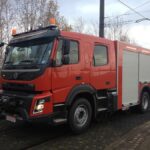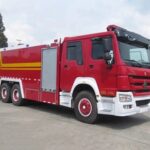

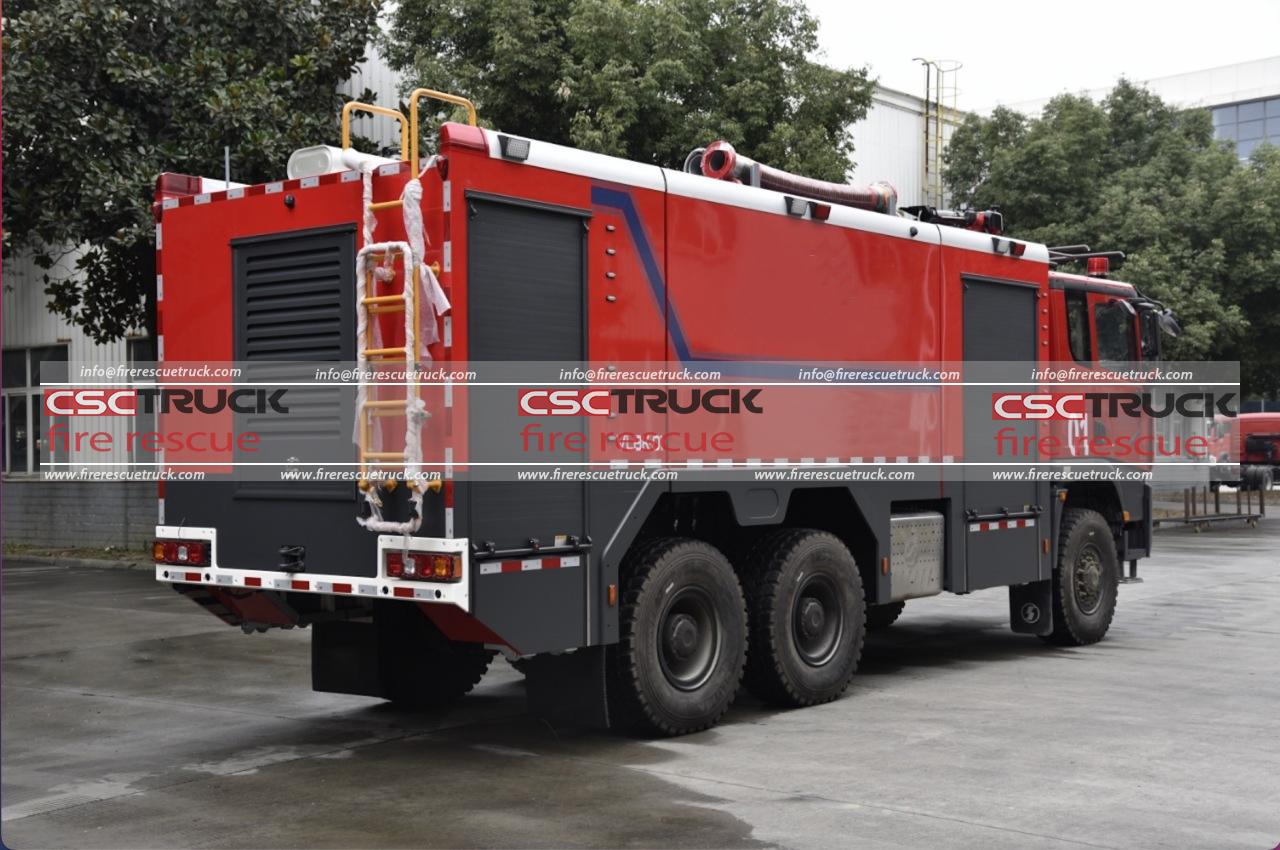
Modern 6×6 fire trucks are among the heaviest and most capable emergency vehicles on the road. Designed to transport thousands of liters of water, foam agents, firefighting equipment, rescue tools, and multiple crew members, these vehicles require careful engineering to ensure that their weight is distributed safely across all 3 axles. Proper axle weight distribution directly affects vehicle stability, braking performance, steering precision, tire life, and off-road mobility.
As a leading manufacturer of specialized emergency vehicles, CSCTRUCK Fire Rescue Truck produces a wide range of 4×4, 6×6, and 8×8 firefighting vehicles for municipal, industrial, airport, and military applications. The company offers customized fire apparatus built on internationally recognized chassis while meeting customer-specific operational requirements and applicable certifications for global markets.
Understanding how weight is shared across the 3 axles helps fleet managers, engineers, and fire departments maximize both safety and operational efficiency.
Understanding a 3-Axle Fire Truck
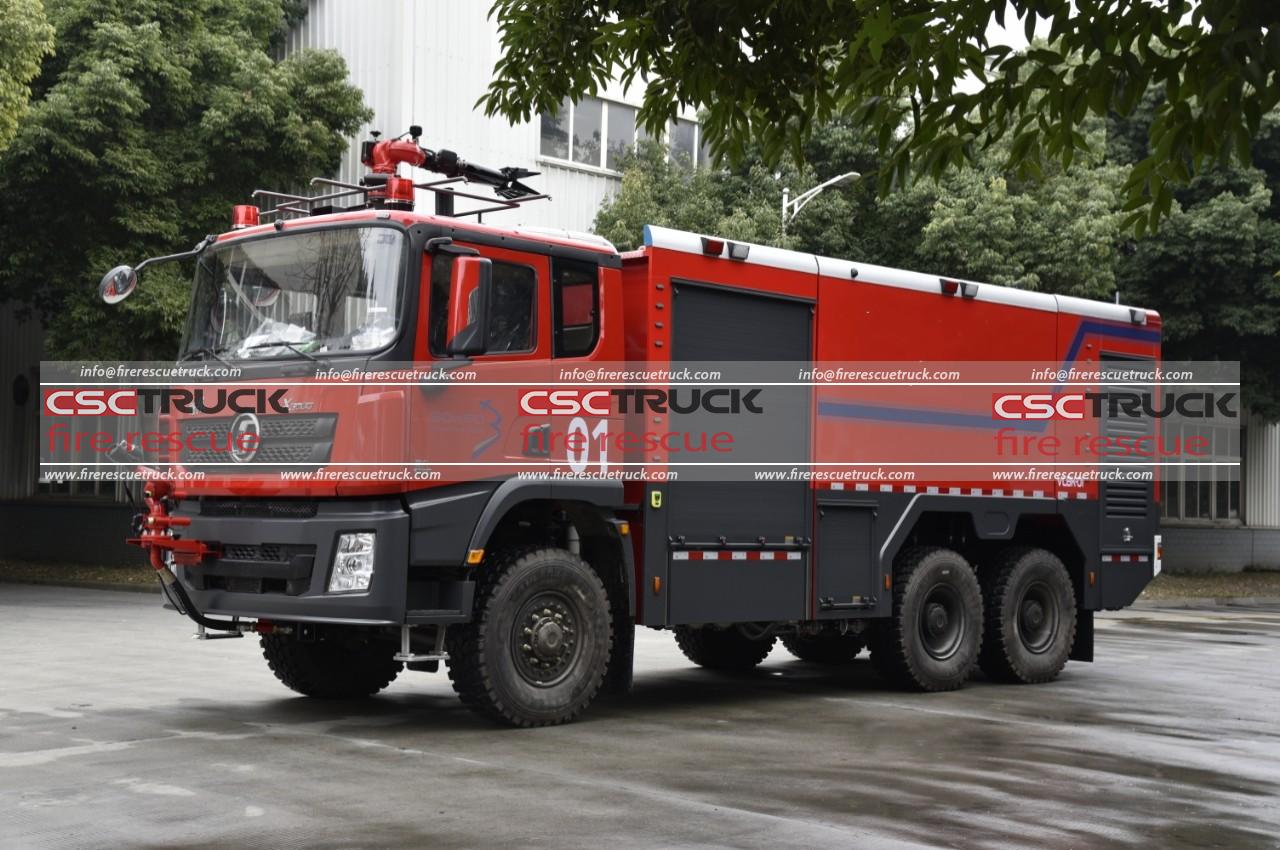
A typical 6×6 fire truck consists of:
- Front axle (Axle 1): Steering axle
- Middle axle (Axle 2): Driven axle
- Rear axle (Axle 3): Driven axle
Unlike smaller 4×2 or 4×4 fire engines, a 3-axle configuration spreads the vehicle’s gross weight over 6 wheels (or more with dual tires), allowing significantly higher payload capacity without exceeding legal axle load limits.
Typical gross vehicle weights (GVW) include:
- Medium rescue truck: 18–22 tonnes
- Municipal pumper: 22–28 tonnes
- Heavy tanker: 28–35 tonnes
- Airport Rescue Fire Fighting (ARFF) vehicle: 35–50+ tonnes
Typical Weight Distribution
Although exact numbers vary by manufacturer and equipment configuration, a balanced 3-axle fire truck often follows this approximate distribution:
- Front axle: 20–30%
- Middle axle: 35–40%
- Rear axle: 35–40%
For example, on a 30-tonne fire truck:
- Front axle: 7 tonnes
- Middle axle: 11.5 tonnes
- Rear axle: 11.5 tonnes
This balance provides adequate steering control while maximizing traction on both rear drive axles.
Why the Front Axle Carries Less Weight
The steering axle has several important responsibilities.
It supports:
- Driver and crew cab
- Engine (on conventional chassis)
- Front suspension
- Steering components
- Front bumper
- Winch (if equipped)
Although these components are substantial, the largest loads—including the water tank, foam tank, pumps, hose reels, and equipment compartments—are generally positioned closer to the middle and rear of the vehicle.
Keeping excessive weight off the front axle improves:
- Steering responsiveness
- Suspension life
- Turning performance
- Tire wear
- Driver comfort
If the front axle becomes overloaded, steering becomes heavier, braking distances may increase, and tire wear accelerates.

Why the Rear Axles Carry More Weight
The middle and rear axles bear the majority of the vehicle’s operational load.
They typically support:
- Water tank
- Foam tank
- Fire pump
- Hose storage
- Rescue equipment
- Hydraulic tools
- Generator
- Ladder racks
- Foam proportioning systems
These heavy components are deliberately positioned near the truck’s center of gravity to reduce weight transfer during braking and cornering.
Both rear axles are powered in a 6×6 drivetrain, ensuring excellent traction even when the truck operates at maximum weight.
Position of the Water Tank
The water tank is usually the single heaviest component.
A typical tank capacities include:
- 3,000 liters
- 5,000 liters
- 8,000 liters
- 12,000 liters
- 15,000 liters
Since one liter of water weighs approximately one kilogram:
- 5,000-liter tank = 5 tonnes
- 10,000-liter tank = 10 tonnes
- 15,000-liter tank = 15 tonnes
Manufacturers place the tank between the middle and rear axles rather than directly behind the truck.
This central positioning:
- Improves balance
- Reduces body roll
- Minimizes front axle unloading
- Improves braking
- Keeps both drive axles equally loaded
Effects of Water Movement
Unlike solid cargo, water moves continuously inside the tank.
Without proper engineering, this movement can shift thousands of kilograms during:
- Braking
- Acceleration
- Cornering
- Off-road driving
To prevent instability, fire truck water tanks include internal baffles that divide the tank into smaller chambers. These baffles reduce water surge, helping maintain a more consistent axle load and improving vehicle control.
Equipment Placement Matters
Every piece of equipment contributes to axle loading.
Manufacturers carefully determine where to install:
- Hydraulic rescue tools
- SCBA cylinders
- Portable pumps
- Medical equipment
- Foam concentrate
- Portable ladders
- Generators
- Lighting towers
Heavy equipment is generally placed low and close to the truck’s centerline.
This approach:
- Lowers the center of gravity
- Improves stability
- Balances axle loads
- Reduces suspension stress
Suspension Design
Each axle has suspension components designed for its expected load.
Common suspension systems include:
Front axle
- Heavy-duty leaf springs
- Air suspension
- Parabolic springs
Rear axles
- Multi-leaf spring packs
- Walking beam suspension
- Air suspension
- Heavy-duty off-road suspension
The rear suspension is usually much stronger because it carries significantly greater loads throughout the vehicle’s service life.
Legal Axle Weight Limits
Road regulations often specify maximum allowable axle loads.
Although limits vary by country, typical values include:
- Front steering axle: 7–9 tonnes
- Single drive axle: 11–13 tonnes
- Tandem rear axle group: 18–24 tonnes
Manufacturers design fire trucks so that even when fully loaded with water, foam, equipment, and personnel, axle weights remain within applicable legal requirements wherever possible.
Dynamic Weight Transfer
Weight distribution changes while driving.
During braking:
- Weight shifts forward.
- Front axle load increases.
- Rear axle load decreases.
During acceleration:
- Weight shifts rearward.
- Drive axle traction improves.
During cornering:
- Weight transfers to the outside wheels.
- Suspension absorbs lateral forces.
Modern fire trucks incorporate:
- Anti-lock Braking Systems (ABS)
- Electronic Stability Control (ESC)
- Traction Control Systems (TCS)
- Load-sensitive braking systems
These technologies help maintain stability despite changing axle loads.
Off-Road Considerations
Many 6×6 fire trucks operate on:
- Forest roads
- Sand
- Mud
- Snow
- Rocky terrain
Balanced axle loading becomes even more critical under these conditions.
If one axle becomes lightly loaded, wheel slip may occur despite all-wheel drive.
Proper weight distribution ensures:
- Equal traction
- Better climbing ability
- Reduced risk of bogging
- Improved hill stability
- More predictable handling
Benefits of Balanced Weight Distribution
Proper axle weight distribution provides numerous operational advantages:
- Better steering control
- Shorter braking distances
- Increased tire life
- Improved suspension durability
- Greater chassis longevity
- Enhanced driver comfort
- Higher payload efficiency
- Better fuel economy
- Improved off-road mobility
- Increased firefighter safety
These benefits become especially important during emergency responses, where vehicles often travel at higher speeds while carrying full water tanks and heavy rescue equipment.

Conclusion
Weight distribution across the 3 axles is one of the most important engineering considerations in the design of a 6×6 fire truck. By carefully positioning the water tank, fire pump, equipment compartments, and other heavy components, manufacturers ensure that the steering axle maintains responsive handling while the tandem rear axles provide the traction and load-carrying capacity needed for demanding emergency operations.
A well-balanced 3-axle configuration not only improves safety and vehicle performance but also extends the service life of tires, suspension systems, and chassis components. Whether operating in urban environments, industrial facilities, airports, or remote off-road locations, proper axle weight distribution enables firefighters to respond quickly and safely while carrying the equipment and water supplies essential for protecting lives and property.